Wellness Dens, Red Light Rooms, and In-Residence Recovery: The Next Generation of Luxury Condo Health Design
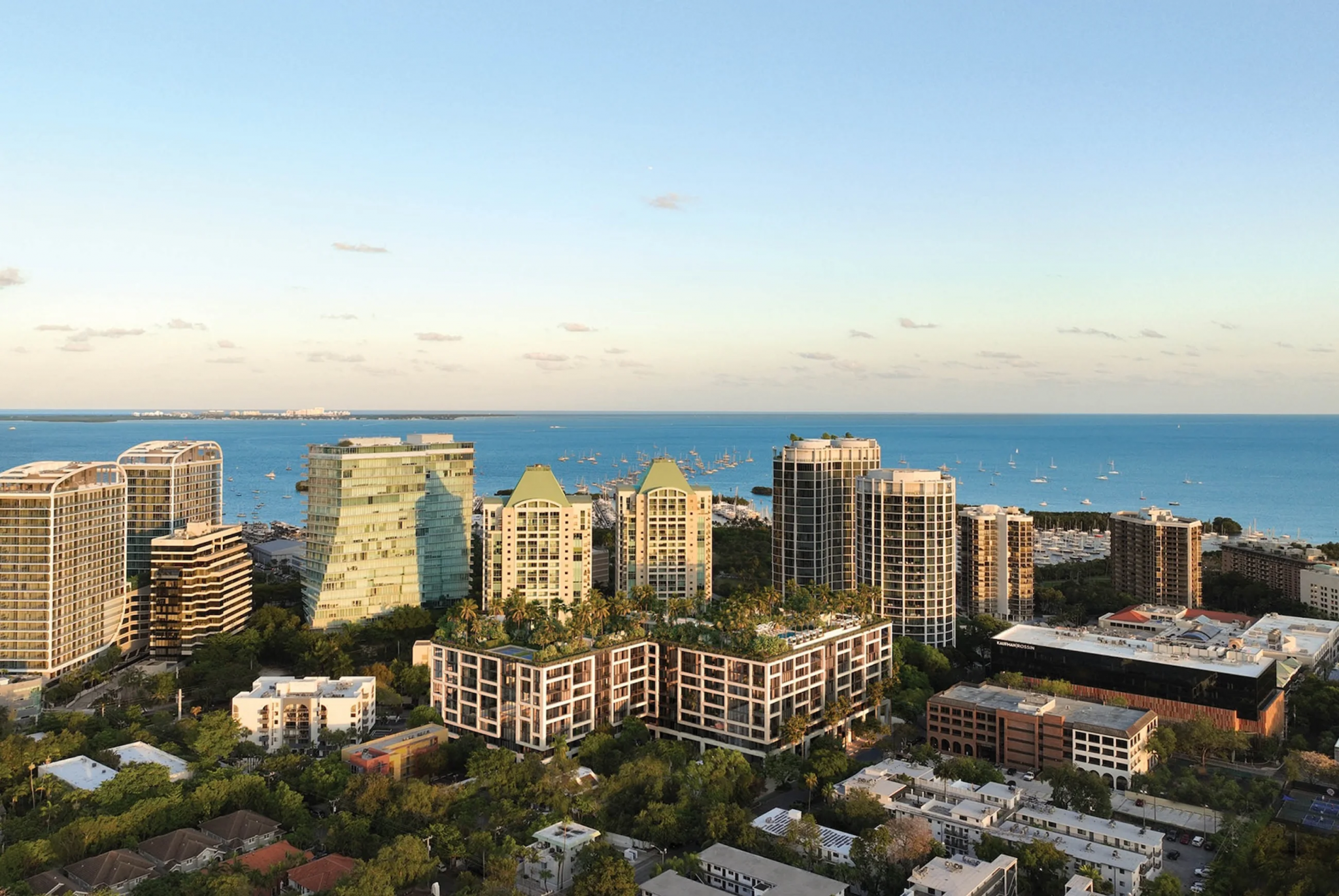
For most of the past decade, wellness in a South Florida luxury building meant a well-equipped fitness center, a steam room, and a spa on the amenity floor. The wellness was adjacent to the residence. You went to it, used it, and returned.
The most forward-thinking buildings in the current South Florida pipeline are building wellness into the residence itself — not as a separate amenity, but as a room, a system, or a daily environmental condition that operates as part of the home’s baseline infrastructure. This is a genuinely different approach, and it produces genuinely different daily living experiences.
The Wellness Den: A Room, Not a Corner
The most significant floor plan innovation in South Florida’s wellness-forward new developments is the wellness den — a dedicated room within the unit specifically designed for wellness practices, distinct from the bedroom (which is optimized for sleep) and the living room (which is optimized for social and entertainment use).
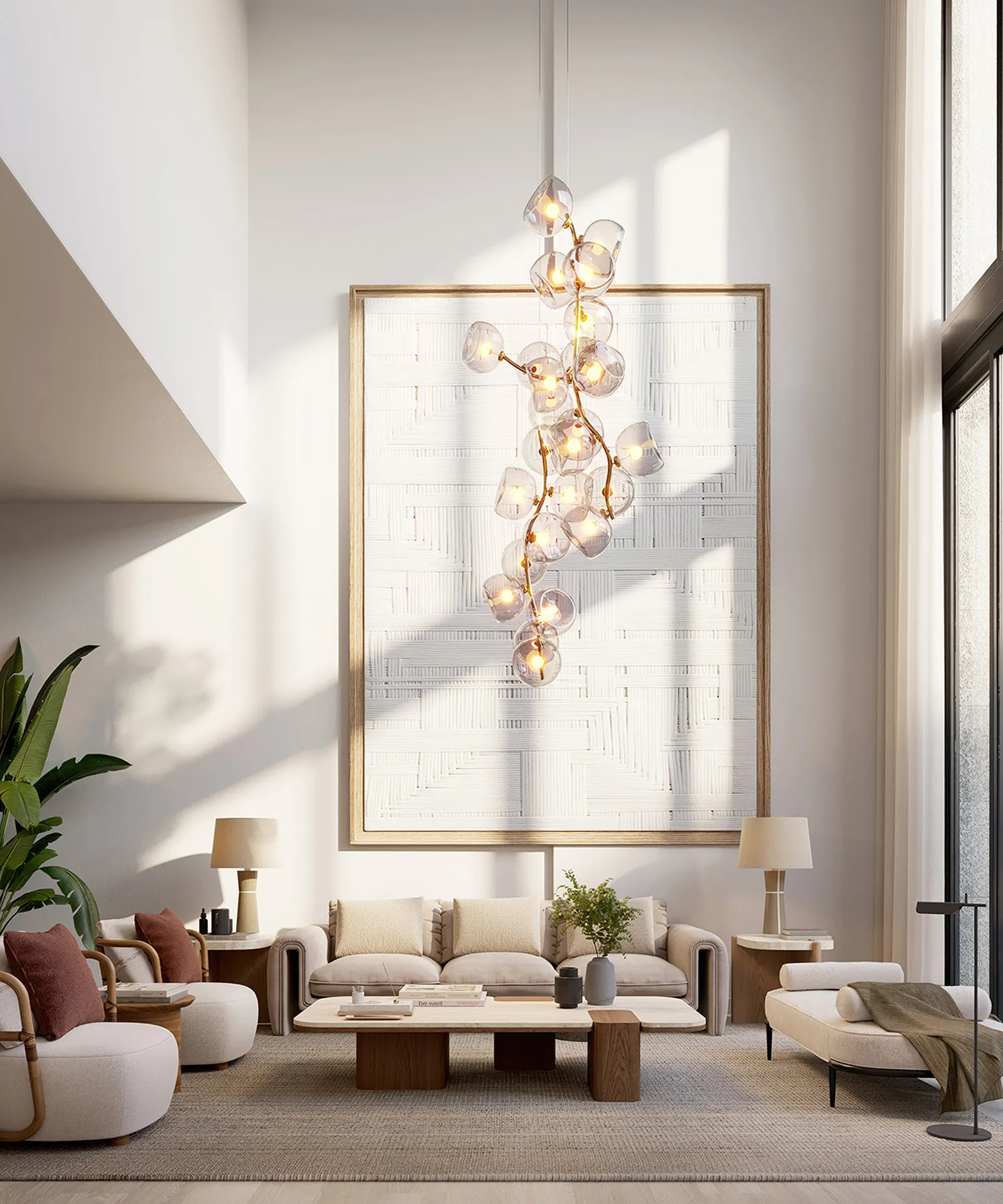
What a wellness den is: A separate room in the residential floor plan, typically 150–300 square feet, designed with flexible floor surface (yoga mat-compatible, heated if possible), sufficient ceiling height for movement practices (8 feet minimum, 10 feet preferred), acoustic separation from adjacent rooms, and specific infrastructure for wellness use — power access for equipment, blackout capability for meditation, and the air quality and temperature control systems that wellness practices benefit from.
What a wellness den is not: A home gym (which is fitness-specific and requires equipment infrastructure); a meditation corner in a bedroom (which lacks acoustic separation and dedicated floor space); or a spare bedroom repurposed for exercise (which works functionally but is not architecturally resolved).
THE WELL Coconut Grove’s implementation: THE WELL Coconut Grove‘s floor plans explicitly designate wellness dens in select unit configurations — dedicated rooms specified for the full spectrum of wellness practice that THE WELL brand promotes: morning yoga or movement, afternoon meditation, evening massage (the room’s scale and surface are both massage-table compatible), and the various recovery modalities (red light therapy, vibration platforms, percussion devices) that the urban wellness consumer uses daily.
Red Light Therapy: The In-Residence Technology That Serious Builders Are Specifying
Red light therapy (photobiomodulation) uses specific wavelengths of red and near-infrared light (typically 630–850nm) to penetrate tissue and stimulate mitochondrial function, collagen production, and cellular repair. The clinical research base for photobiomodulation has grown substantially in the past decade — studies document benefits for muscle recovery, skin quality, joint inflammation, sleep quality, and circadian rhythm regulation.
What makes red light therapy relevant to luxury residential specification is its infrastructure simplicity: the technology requires a light panel or built-in ceiling/wall system and appropriate power supply, but no plumbing, no significant structural modification, and no maintenance burden comparable to a pool or steam room. It is a wellness technology that can be integrated architecturally rather than added as a piece of equipment.
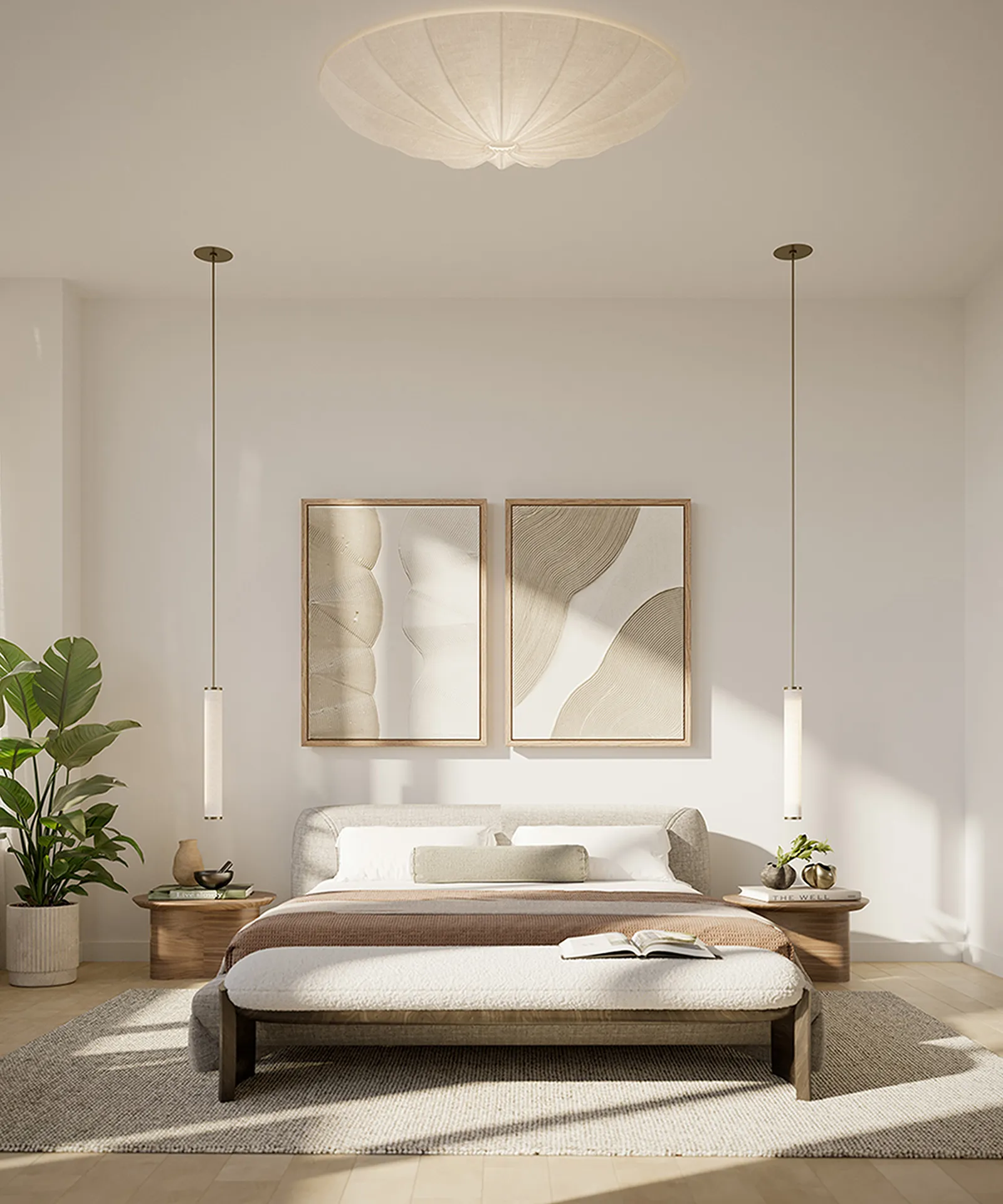
THE WELL Coconut Grove’s approach: In select residences at THE WELL Coconut Grove, red light therapy is integrated directly into the primary bedroom closet — the light system is installed in the closet ceiling, allowing the resident to stand in the closet during dressing and receive a morning photobiomodulation treatment as a passive element of their morning routine rather than a dedicated time commitment.
This integration approach — building the wellness technology into a routine activity rather than requiring dedicated wellness time — reflects the mature understanding of how wellness actually works in a busy person’s life. The most sustainable wellness practices are the ones that are embedded in existing routines; the least sustainable are the ones that require carving out additional time from an already full schedule.
Individual Air Purification: The Environmental Wellness Layer
Air quality is the wellness factor that affects residents most continuously — 24 hours a day, 7 days a week — and that receives the least attention in luxury real estate marketing despite being among the most research-supported drivers of health outcomes (sleep quality, respiratory health, cognitive function, and long-term cardiovascular health are all significantly affected by indoor air quality).
Standard building HVAC systems filter particulate matter at the building level and deliver conditioned air to individual units. This is adequate for conventional residential air quality. Premium in-unit air purification adds:
- HEPA-equivalent filtration per unit: capturing particles below 0.3 microns (ultrafine particulates, most allergens, mold spores)
- VOC reduction: activated carbon filtration for volatile organic compounds from off-gassing furniture, paint, and building materials
- Humidity control: maintaining 45–55% relative humidity (the range associated with best respiratory health and allergen suppression) as a per-unit parameter rather than a building average
- Fresh air exchange: controlled introduction of filtered outdoor air at a rate that maintains CO2 levels below 1,000 ppm (levels above this are associated with measurable cognitive impairment)
THE WELL Coconut Grove’s approach: THE WELL specifies individual air purification systems in each residence — operating in addition to the building’s HVAC infrastructure — that address VOCs, particulate matter, and humidity simultaneously. The specification reflects THE WELL brand’s specific air quality standards (developed with their clinical medical advisory team) rather than a generic building management requirement.
The material-first alternative: Aman Residences Miami Beach’s material philosophy — natural materials with low VOC content, the absence of synthetic materials that off-gas — is itself an air quality intervention. Buildings that use natural stone, solid wood, and low-VOC finishes throughout produce indoor air quality that is structurally superior to buildings that use synthetic composites and conventional paint. Aman’s approach addresses air quality through material selection rather than filtration technology.
Aromatherapy Diffusion Systems: Subtle and Specific
Aromatherapy diffusion — the distribution of specific essential oil compounds through the residence’s air — has a research basis in sleep quality (lavender), cognitive function (rosemary, peppermint), mood regulation (citrus compounds), and stress reduction (bergamot, frankincense). At the luxury residential level, built-in diffusion systems distribute these compounds through the HVAC distribution rather than requiring individual room diffusers.
THE WELL Coconut Grove’s specification: THE WELL Coconut Grove specifies aromatherapy diffusion systems in individual residences — integrated with the HVAC so that scent programming can be set on schedules (morning energizing compounds, evening calming compounds) or adjusted manually through the building’s smart home interface.
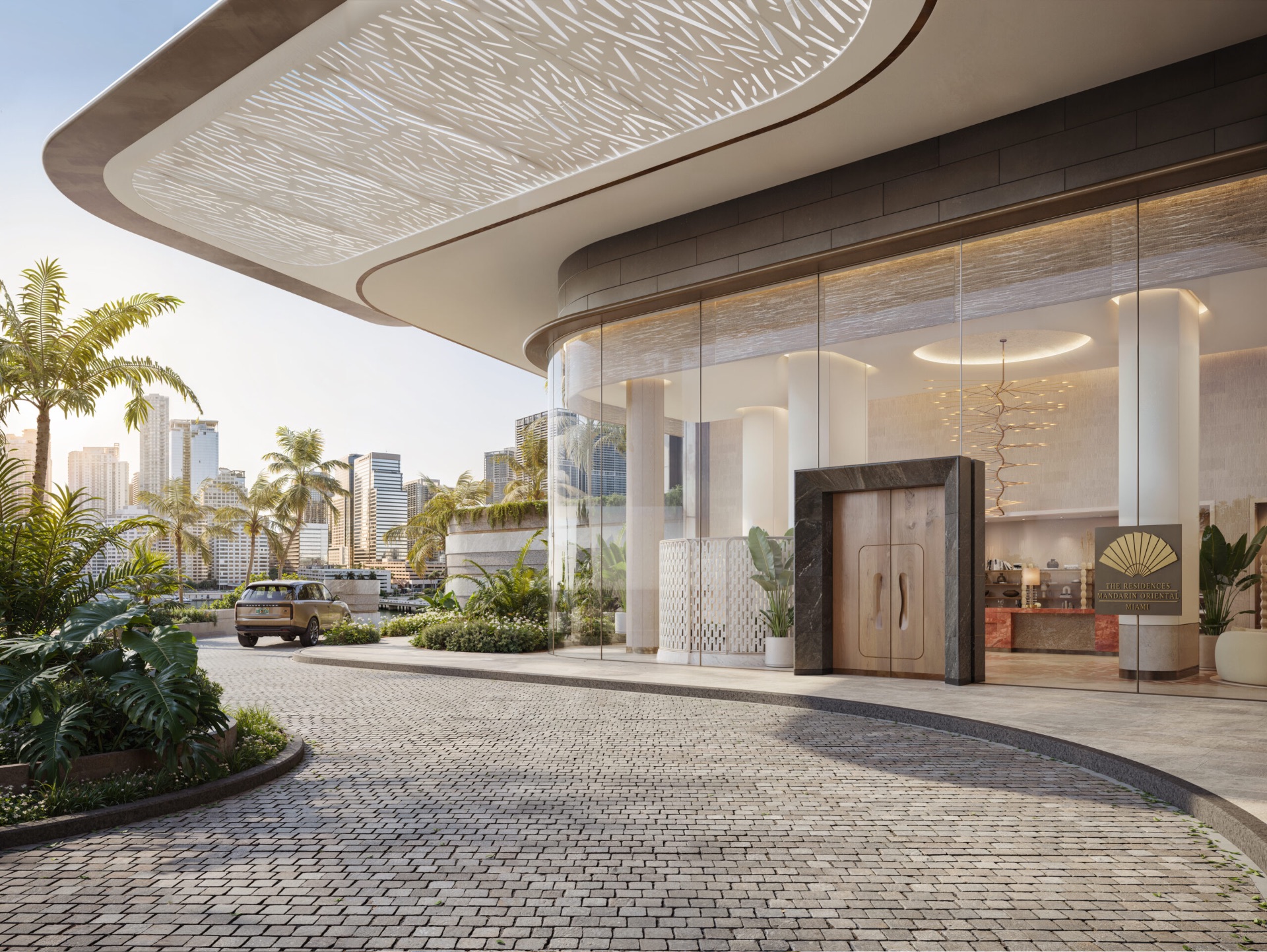
The practical luxury of a whole-residence scent system that responds to the time of day and the resident’s program is significant for those who have experienced it in Aman, Mandarin Oriental, or other luxury resort contexts — and yet it is an amenity that requires only a diffuser unit and an HVAC integration, not a complex structural installation. The barriers to implementation are minimal; the daily wellness contribution is meaningful.
Green Building Certification as a Wellness Proxy
Florida Green Building Design certification — which THE WELL Coconut Grove holds at the Silver level — is a third-party verification of the building’s environmental performance across indoor air quality, water efficiency, material toxicity, energy performance, and site ecology. For buyers evaluating wellness claims, green building certification is one of the most reliable independent validators.
What Florida Green Building Silver certification covers
- Indoor environmental quality (air filtration quality, VOC limits on all materials, ventilation rates)
- Water quality (building water filtration standards)
- Material standards (restrictions on formaldehyde, heavy metals, and other health-relevant toxins in building materials)
- Thermal comfort (HVAC performance standards that reduce health impacts of temperature and humidity extremes)
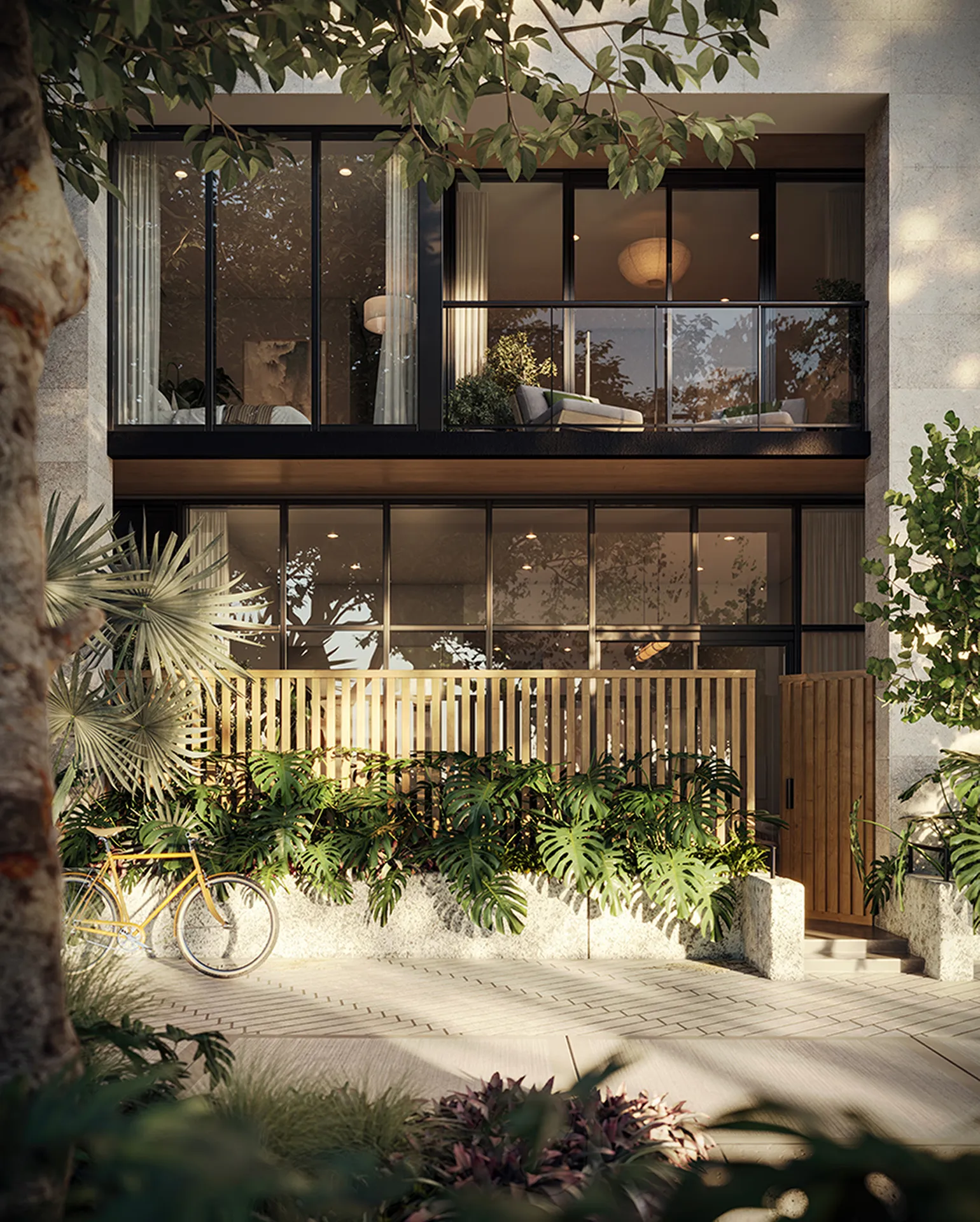
A building that holds a current green building certification has had its wellness claims independently verified in a way that marketing materials cannot replicate. Buyers who prioritize the health performance of their residential environment should consider green building certification as one of the most useful quality signals available.
Need details on these residences?
Our advisory team can share current information on the projects referenced in this guide.
Speak With an Advisor →