Wynwood Luxury New Developments: Culture, Density, and 89% Price Appreciation
Wynwood is the neighborhood that Miami's luxury real estate establishment underestimated for a decade and is now racing to catch up with. The data is unambiguous: from 2015 to 2024, Wynwood recorded 89% residential price appreciation and 124% population growth — the fastest dual growth trajectory of any Miami neighborhood in that period. New construction pricing in Wynwood has crossed the $850–$1,100 PSF threshold despite having no waterfront premium whatsoever.
The question for buyers in 2026 is not whether Wynwood has arrived as a luxury destination — that debate is settled. The question is whether the neighborhood's cultural identity will survive the density that its desirability is producing, and which specific buildings and blocks have the urban fabric that makes the investment durable.
The Data: Why Wynwood's Appreciation Is Real
Wynwood's growth metrics from 2015 to 2024:
- Residential population growth: approximately 124%
- Price appreciation: approximately 89%
- New construction PSF range: $850–$1,100 (2026 benchmark)
For context: the 89% price appreciation exceeds Miami-Dade County's overall luxury appreciation rate for the same period and is driven by a neighborhood transformation that has no precedent in South Florida's real estate history.
Wynwood was a wholesale garment district in 2009. By 2015 it was an international arts destination. By 2020 it was a tech-office corridor. By 2026 it is a legitimate luxury residential market.
The progression from industrial district to arts neighborhood to luxury residential is not a straight line — it has involved significant community tension, zoning battles, and the displacement concerns that accompany any rapid neighborhood upgrade. But the outcome, from a real estate data perspective, is clear: the neighborhood's desirability has been established and the demand is durable.
Latest: Ken Griffin has closed an estimated $1.1B Mana Wynwood deal for a 35-acre Carnegie Mellon University Miami campus. Here is what Wynwood and Edgewater buyers should know.
Why Wynwood Can Sustain Luxury Pricing Without Water
The conventional South Florida luxury thesis is waterfront positioning — bayfront, oceanfront, Intracoastal. Wynwood has none of these. It sits between the rail corridor and NW 2nd Avenue, approximately 1 mile west of Biscayne Bay, with no water visibility from any residential building in the neighborhood.
Its luxury pricing is justified by a different set of scarcity factors:
- Cultural infrastructure density: Wynwood Walls — the internationally recognized outdoor street art installation featured in The New York Times, Financial Times, and every major global lifestyle publication — functions as a permanent public amenity that no other Miami neighborhood can replicate. The Institute of Contemporary Art Miami, dozens of independent galleries, and Art Basel's satellite programming provide a cultural ecosystem that directly supports the neighborhood's lifestyle premium.
- Walkability: Wynwood is one of Miami's genuinely walkable neighborhoods — restaurant-dense, café-accessible, with a pedestrian experience that rewards not driving. NW 2nd Avenue's restaurant corridor, the Wynwood Yard, and the growing concentration of food and beverage destinations produce daily-use walkability that most South Florida luxury addresses cannot match.
- NE 24th Street pipeline: A publicly reported 49-story, approximately 430-unit project near 500 NE 24th Street has been cited among launches expected to begin sales in 2026, representing the next wave of higher-density new development that will test the neighborhood's absorption capacity while likely supporting continued PSF appreciation.
The Building Landscape: What's Available and What's Coming
Wynwood's residential development has been shaped by the neighborhood's mixed-use zoning, which permits residential development within a predominantly commercial and retail-oriented ground floor environment. The result is a building typology that tends toward mid-rise (8–15 stories) with active ground-floor programming, boutique unit counts, and design that responds to the neighborhood's artistic identity.
The most design-forward buildings in Wynwood have been commissioned from architects who understand how to create residential environments that honor rather than flatten the neighborhood's aesthetic character. Buildings that arrive with generic luxury tower design — regardless of their amenity programming — have historically underperformed the more design-integrated alternatives in Wynwood's resale market.
Key considerations for Wynwood buyers:
- Ground-floor programming matters more than in any other Miami neighborhood. A Wynwood building with a gallery, restaurant, or cultural venue at grade reinforces the neighborhood's identity; a blank parking podium undermines it.
- Soundproofing requirements are higher in Wynwood than in quieter neighborhoods, given weekend event programming and the general energy level of the neighborhood on Thursday–Sunday evenings.
- Proximity to the core gallery and restaurant corridor (NW 2nd Avenue between 22nd and 26th Streets) is a value driver; blocks closer to I-195 or the rail line may have noise or visual quality issues that affect daily living.
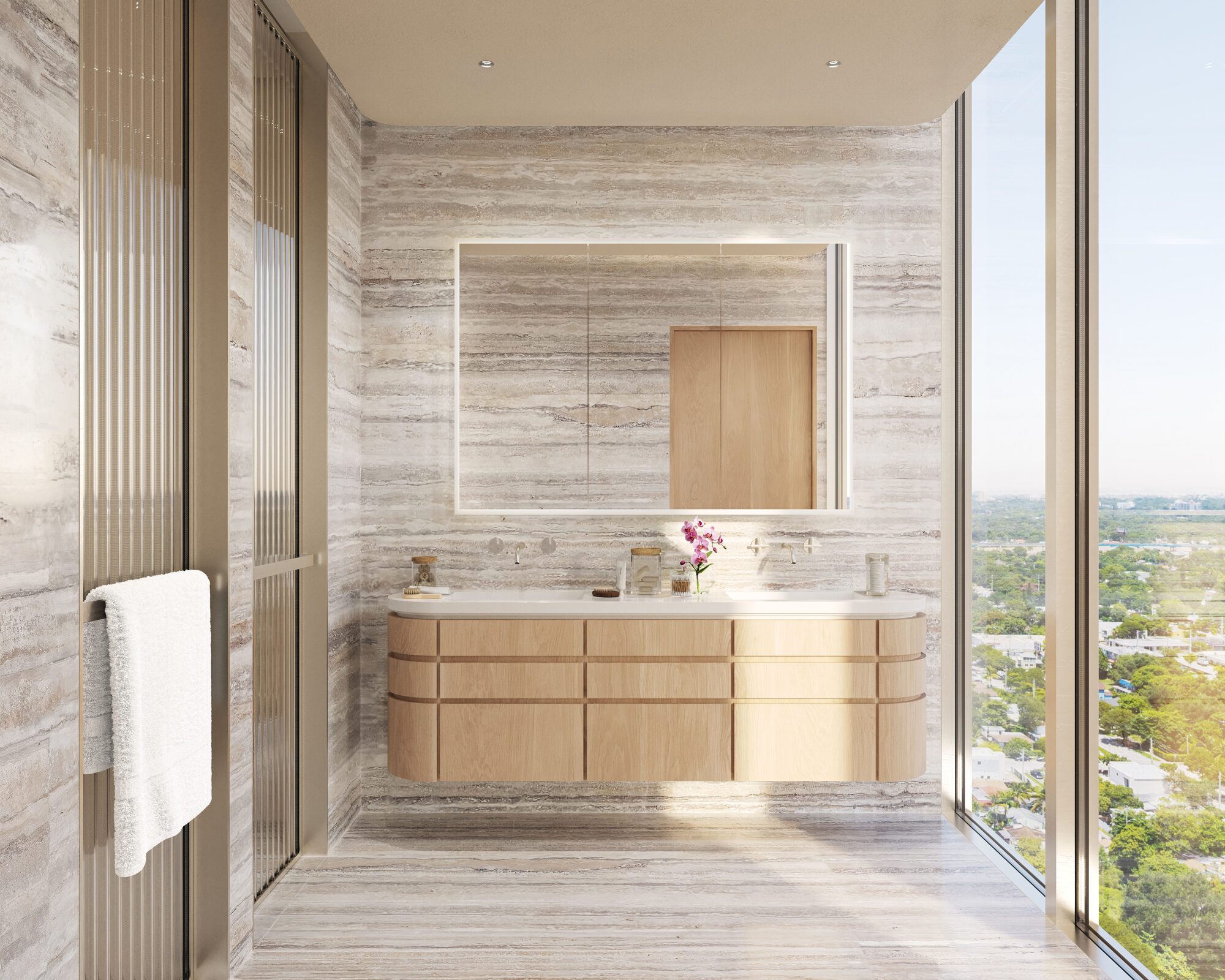
Wynwood vs. Edgewater vs. Design District: Choosing the Right Urban Miami Neighborhood
For buyers considering urban Miami residential options that are not Brickell or Miami Beach, the comparison between Wynwood, Edgewater, and the Design District produces genuinely different lifestyle and investment profiles:
Wynwood: The cultural neighborhood. Best for buyers motivated by art, music, food, and the energy of a genuinely creative urban environment. Pricing at $850–$1,100 PSF new construction. No water views. Strongest cultural premium of the three markets.
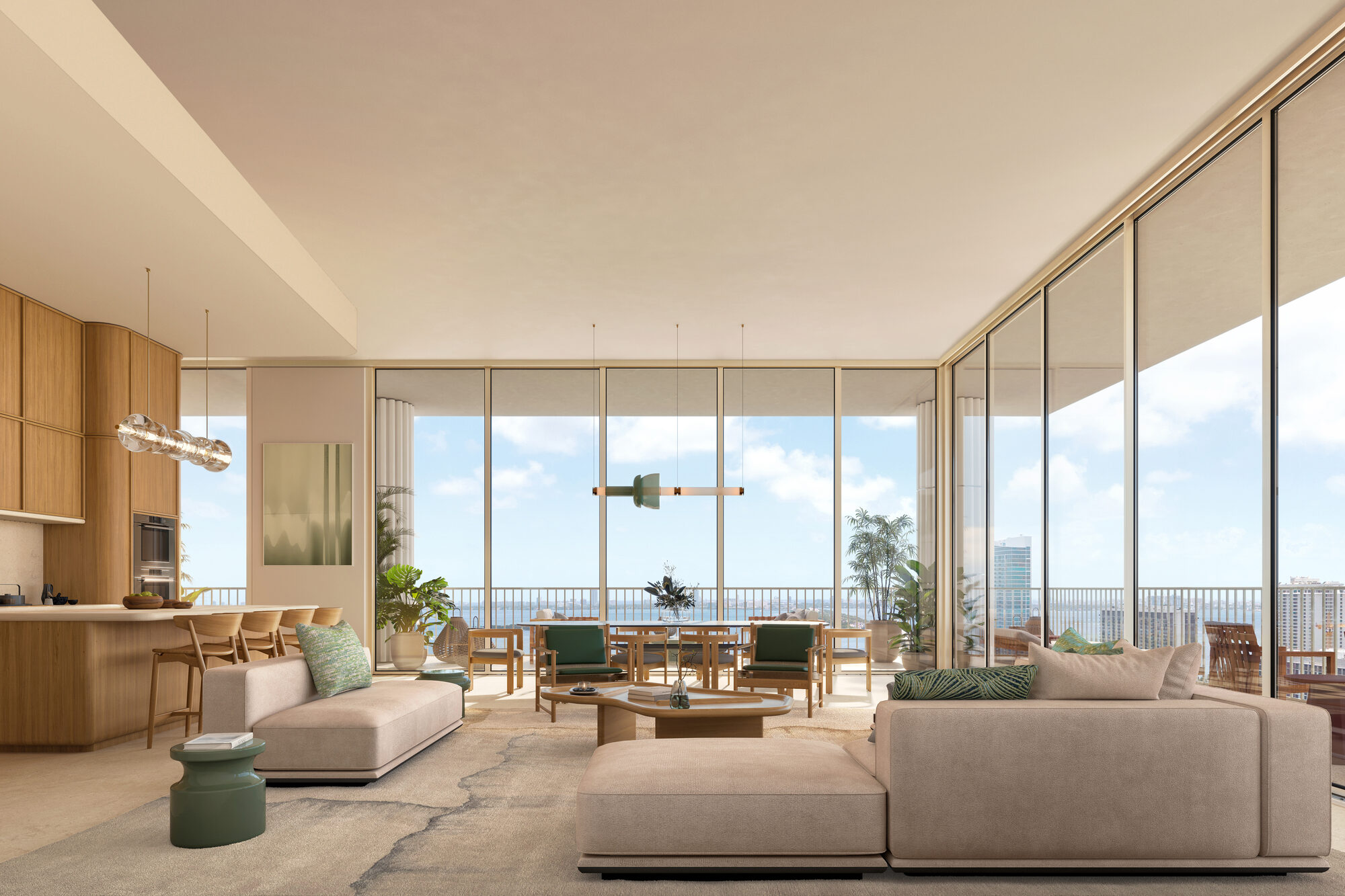
Edgewater: The bayfront urban neighborhood. Best for buyers who want Biscayne Bay views and urban walkability at pricing below Brickell. At $800–$1,100 PSF pre-construction with the fastest Q1 2026 sales volume growth in Miami (+120% year-over-year), Edgewater combines water access with neighborhood energy in a way that Wynwood cannot offer. The Fouquet's Hotel & Residences and emerging pipeline near NE 24th Street extend the neighborhood's premium development coverage.
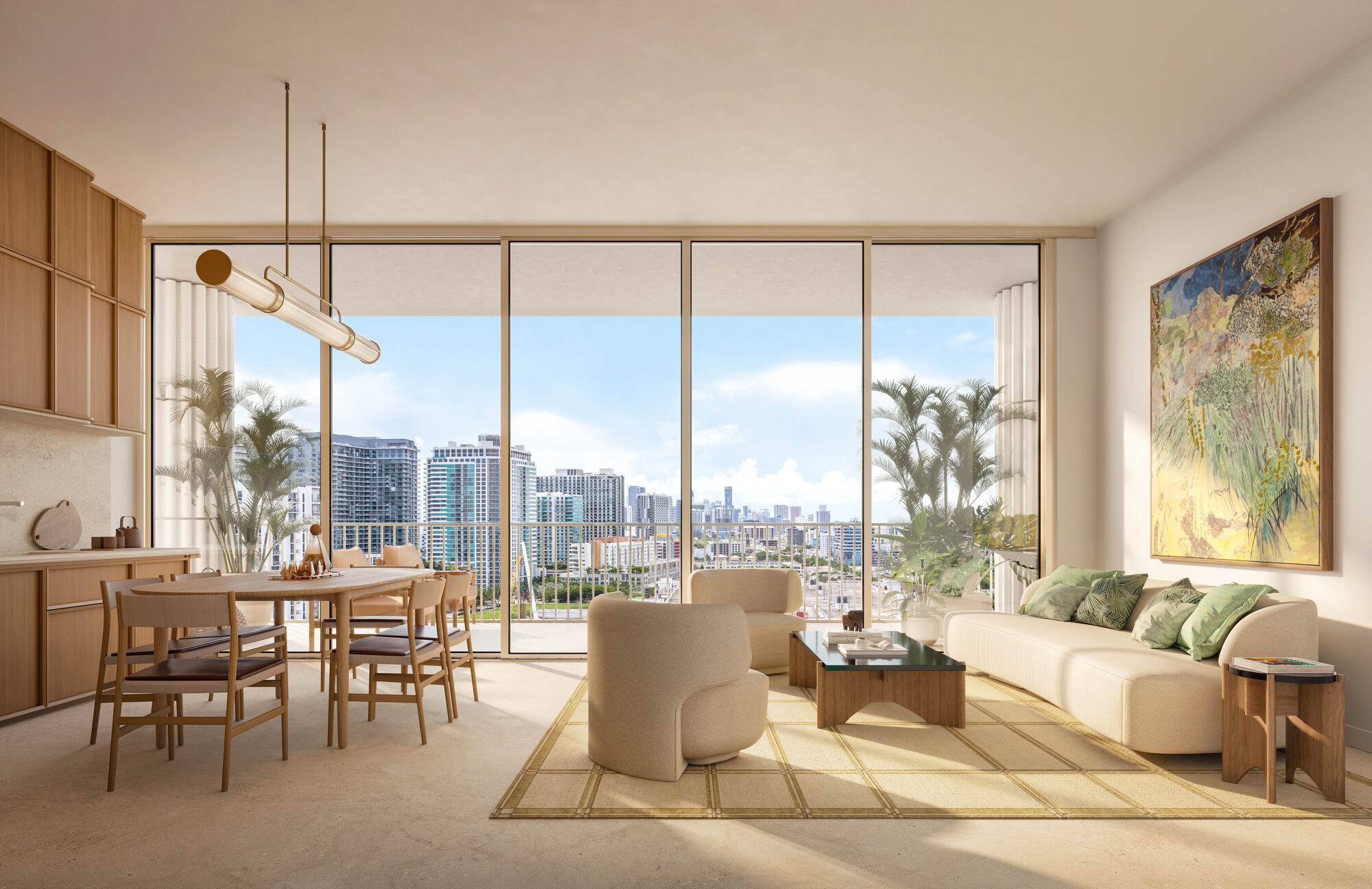
Design District: The luxury retail neighborhood. Best for buyers who want immediate adjacency to the world's highest concentration of luxury brand flagships — Louis Vuitton, Hermès, Dior, Prada, and 130+ others — alongside the neighborhood's gallery ecosystem. Fouquet's (David Chipperfield architecture, Fouquet's Paris hospitality) and Jean-Georges Residences are establishing the Design District's residential credentials. Pricing at $3M+ entry for branded product, with boutique-format buildings that are physically connected to the retail and cultural infrastructure.
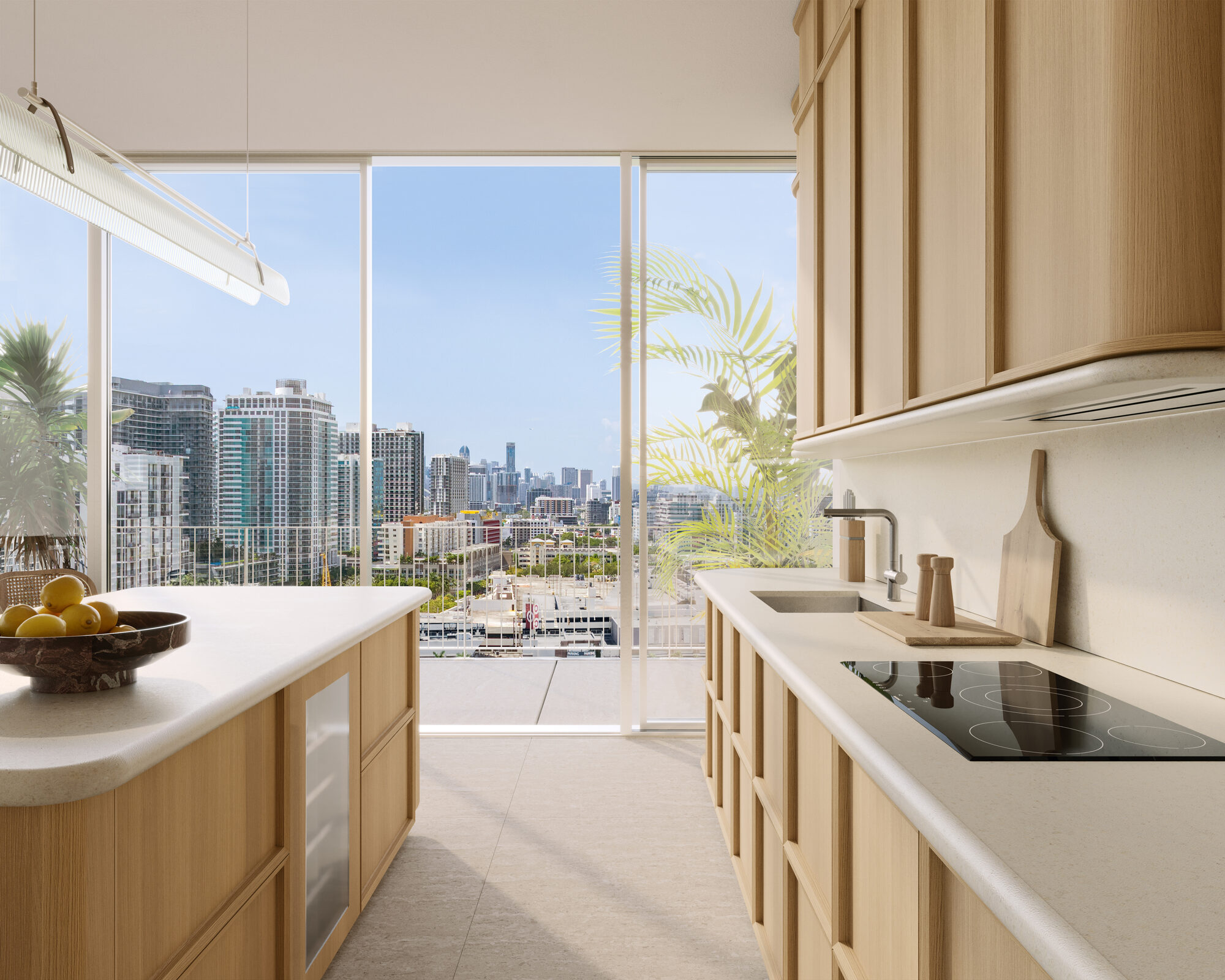
Need details on these residences?
Our advisory team can share current information on the projects referenced in this guide.
Speak With an Advisor →