What to Ask About Reserves and Inspections Before Buying a New South Florida Condo
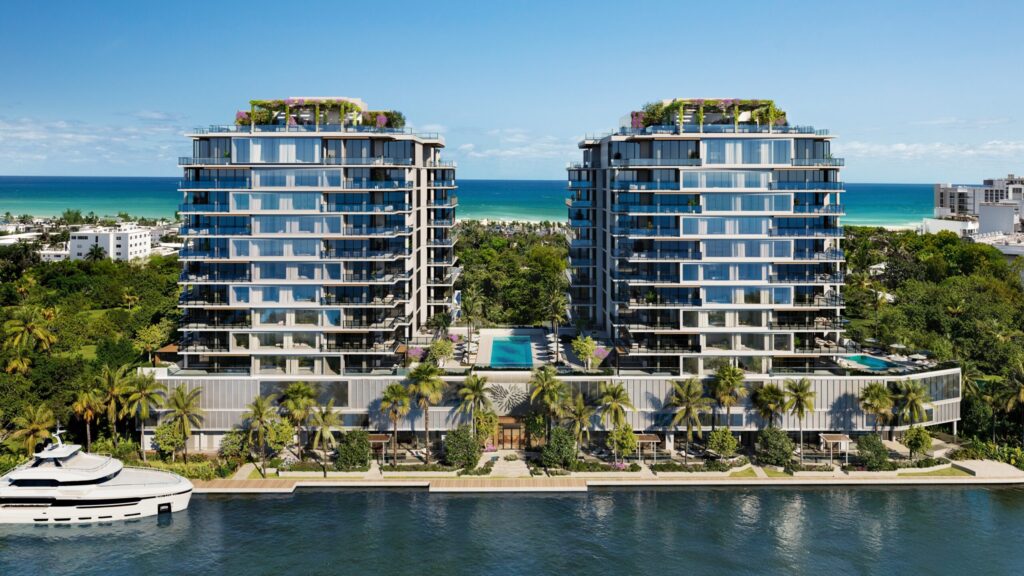
A pre-construction buyer’s checklist for Florida condo reserves and inspections: what to ask the developer before contract and at turnover — the turnover inspection report, first SIRS timing, reserve funding in the budget, the no-waiver rule, and milestone ages by location.
Buyers of new South Florida condominiums often assume the state’s building-safety rules only matter for towers built decades ago. The timing is different for a new building, but the rules still leave a paper trail you can ask about before you sign. This guide is a due-diligence checklist: which documents to request before contract and at turnover, what the Florida Statutes say about reserve funding while the developer controls the association, and how milestone ages are measured. For the broader overview of Florida’s condo safety law and new construction, see Florida’s condo safety law and new construction. This guide sticks to the text of the Florida Statutes (Online Sunshine / Florida Senate), checked October 5, 2026. It does not describe the status of any particular building. This is general information, not legal advice; consult a Florida attorney.
Request condominium documents for the new developments on your shortlist
Why ask these questions before you sign
Three provisions do the work for a new-condo buyer. The milestone inspection rule in section 553.899 sets a clock that starts when a building receives its certificate of occupancy. The reserve study rule in section 718.112sets a 10-year cycle that starts with the condominium’s creation. The turnover rules in sections 718.112 and 718.301 require the developer to have a turnover inspection report, including a reserve study, before owners take over the board. Together they decide which building reports will exist, roughly when, and who is responsible for them.
For a buyer, the practical point is simple. In a new building the association begins funding reserves from its first budget, and the reserve schedule in the condominium documents is the starting line for every later study. Reading that schedule carefully, and knowing which reports should follow, is part of the same due diligence that covers deposits, finishes and fees. Our South Florida luxury condo due diligence checklist covers the rest of that process.
Questions about milestone timing
Under section 553.899(3)(a) of the Florida Statutes, the owners of a building three habitable stories or more in height that is subject, in whole or in part, to residential condominium ownership must have a milestone inspection performed by December 31 of the year the building reaches 30 years of age. Age is measured from the date the certificate of occupancy was issued. After the first inspection, the statute requires another every 10 years.
Section 553.899(3)(b) adds a local option. The local enforcement agency may decide that local circumstances, including environmental conditions such as proximity to salt water, require the first milestone inspection by December 31 of the year the building reaches 25 years of age, again measured from the certificate of occupancy, and every 10 years after that. Many South Florida towers sit on or near the water, so it is worth asking which schedule the local building department applies.
Ask before contract / at closing: Has the building received a certificate of occupancy? If not, when is it expected? Which local enforcement agency will set the 30-year or 25-year schedule? Note the certificate of occupancy date in your own file once it is issued, because every later inspection cycle runs from it. For buildings still under construction, the milestone clock generally has not started.
Questions about the structural integrity reserve study (SIRS)
The reserve study rule sits in section 718.112(2)(g). Under subparagraph 1, a residential condominium association must have a structural integrity reserve study completed at least every 10 years after the condominium’s creation for each building on the condominium property that is three habitable stories or higher in height. At a minimum, the study covers these items as they relate to the structural integrity and safety of the building:
- Roof
- Structure, including load-bearing walls and other primary structural members and primary structural systems
- Fireproofing and fire protection systems
- Plumbing
- Electrical systems
- Waterproofing and exterior painting
- Windows and exterior doors
The statute also reaches any other item with a deferred maintenance expense or replacement cost above $25,000, or the inflation-adjusted amount set by the state, whichever is greater, when failing to replace or maintain it would negatively affect the listed items. Subparagraph 2 says the study is based on a visual inspection of the condominium property. Under subparagraph 4.a, the study must, at a minimum, identify each item being visually inspected, state estimated remaining useful life and estimated replacement cost or deferred maintenance expense, and provide a reserve funding plan or schedule with a recommended annual reserve amount.
Ask before contract: When will the first structural integrity reserve study be completed relative to the condominium’s creation? Which of the listed items appear as lines in the estimated operating budget’s reserve schedule, and how were those amounts prepared? The South Florida luxury condo HOA fees guide explains where reserves sit inside the monthly assessment.
Questions about reserve funding while the developer controls the board
In a new building the developer controls the association board until turnover, and the statute addresses reserves during that period. Under section 718.112(2)(f)2.f, before turnover of control by the developer to unit owners other than the developer, the developer-controlled association may not vote to waive the reserves or reduce funding of the reserves. The same sub-subparagraph says that if a meeting of the unit owners has been called to determine whether to waive or reduce the funding of reserves and no such result is achieved or a quorum is not attained, the reserves included in the budget shall go into effect.
Ask before contract: Request the estimated operating budget with its reserve schedule. Ask how the reserve amounts were prepared, which items they cover, whether figures have changed since the documents you were first given, and whether any owner vote to waive or reduce reserves is permitted under the documents during developer control (the statute says the developer-controlled association may not vote to waive or reduce funding).
Questions about the turnover inspection report
Turnover is the point when owners other than the developer elect a majority of the board and take control of the association. Section 718.112(2)(g)6 says that before a developer turns over control of an association to unit owners other than the developer, the developer must have a turnover inspection report in compliance with section 718.301(4)(p) and (q) for each building on the condominium property that is three stories or higher in height.
Section 718.301(4)(p) describes a turnover inspection report included in the official records, under seal of an architect or engineer authorized to practice in this state or a person certified as a reserve specialist or professional reserve analyst by the Community Associations Institute or the Association of Professional Reserve Analysts, and consisting of a structural integrity reserve study attesting to required maintenance, condition, useful life, and replacement costs of the roof; structure, including load-bearing walls and primary structural members and primary structural systems; fireproofing and fire protection systems; plumbing; electrical systems; waterproofing and exterior painting; and windows and exterior doors. Paragraph (q) covers additional turnover materials under the same statute; ask your Florida attorney which (q) items apply to the building you are buying.
Ask before contract and again near turnover: When is turnover expected under the condominium documents? How will owners receive the turnover inspection report once it is completed? For a preconstruction buyer the report usually does not exist yet when you sign; it still belongs on your document list.
Five documents to request
- The estimated operating budget with its reserve schedule. Planned assessments and reserve lines for the developer-control period.
- The structural integrity reserve study or turnover inspection report, when available. In a new building these come later; ask when and how owners will receive them.
- A milestone timeline from the certificate of occupancy. Once issued, note its date and the 30-year or local 25-year deadline that follows.
- The declaration of condominium and bylaws. What the association maintains, how budgets are adopted and how turnover works.
- A current insurance summary. How the building is insured and what owners may need to cover on their own.
Insurance and reserves interact, since both feed the monthly assessment. The 2026 Florida property insurance guide for luxury condo buyers explains what to look for in the master policy summary. The resale versus preconstruction comparison walks through the wider trade-offs.
How to use this checklist
Treat the statutes as a map of which documents should exist and when, not as a verdict on any building. Request the budget, reserve schedule, declaration, bylaws and insurance summary for each building you are considering, note the expected turnover timing, and plan to track the certificate of occupancy date once it is issued. Then have a Florida attorney review the documents before you commit. This is general information, not legal advice; consult a Florida attorney.
Request budgets, reserve schedules and condominium documents for your shortlist
FAQ: Reserves and inspections for new South Florida condos
When does a new condo building need its first milestone inspection?
Under section 553.899 of the Florida Statutes, condominium buildings three habitable stories or taller need a milestone inspection by December 31 of the year they reach 30 years from the certificate of occupancy, then every 10 years. A local enforcement agency may require it at 25 years based on local conditions, such as proximity to salt water.
What is a structural integrity reserve study?
It is a study, based on a visual inspection, that Florida requires associations to complete at least every 10 years for buildings three habitable stories or taller. It covers the roof, structure, fireproofing and fire protection systems, plumbing, electrical systems, waterproofing and exterior painting, and windows and exterior doors, and includes a reserve funding plan.
What happens with reserves while the developer controls the association?
Florida law says a developer-controlled association may not vote to waive or reduce reserve funding before turnover. Before turning over control, the developer must also have a turnover inspection report that includes a structural integrity reserve study. Ask for the proposed budget and reserve schedule in the condominium documents before signing.
Which documents should a preconstruction buyer request about reserves?
Request the estimated operating budget with its reserve schedule, the declaration of condominium and bylaws, and the insurance summary. Once they exist, also request the turnover inspection report and structural integrity reserve study. This is general information rather than legal advice, so have a Florida attorney review the documents before you commit.