The South Florida Luxury Condo Due Diligence Checklist: 20 Questions Before You Buy

The South Florida luxury condo market moves fast. Sales galleries create urgency. Deposit deadlines are real. And the financial stakes — $2 million, $5 million, $15 million — are high enough that a mistake is not a learning experience. It is an expensive problem.
The buyers who consistently make good decisions in this market share one habit: they ask the same questions every time, regardless of how compelling the building looks or how credible the developer seems. The 20 questions below are not optional or situational. They are the minimum standard of diligence for any South Florida luxury condo purchase above $2 million.
About the Developer
1. What is the developer’s track record on prior South Florida deliveries?
Ask for a list of completed projects in Florida, delivery dates relative to projected delivery dates, and the current operational status of those buildings. A developer who has delivered 3+ buildings on schedule in South Florida is significantly lower risk than one entering the market for the first time or recovering from a prior project failure.
2. Is the construction financing in place?
Ask for confirmation that a construction loan has been closed and funded — not just approved or in negotiation. A pre-sales-driven development with no construction financing in place is not ready to build; it is still raising capital. The risk of project delays or cancellations is highest when construction financing is not yet committed.
3. What percentage of units are under contract?
A building with 80%+ of units under contract has demonstrated genuine market demand and is more likely to have secured construction financing than a building at 30% presales. Developers may be reluctant to share this number; it is worth asking directly.
4. Who is the general contractor?
The general contractor’s track record on luxury high-rise construction in Florida is as important as the developer’s track record. A developer with a strong record using an unproven GC for the first time carries more execution risk than the developer’s history suggests.
About the Building
5. What is the exact unit count and how many units will be rented vs. owner-occupied?
This affects HOA governance, building community quality, and resale liquidity. A building with 400 units where 200 are investor-owned rental units has a fundamentally different community character than a 100-unit building with 90% owner-occupancy.
6. What does the view look like right now from the floor I am buying, and what can be built on the lots between my unit and the water?
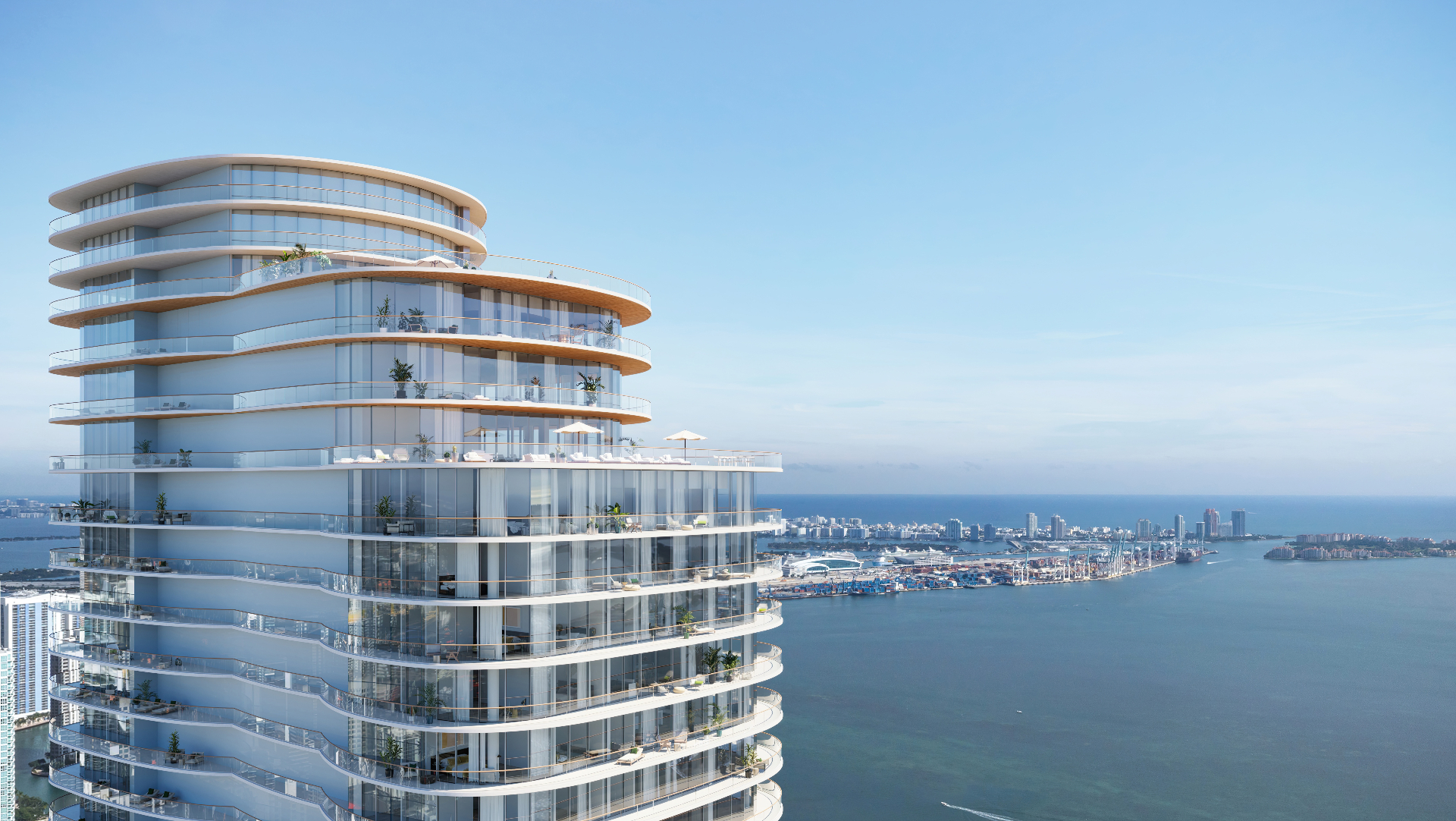
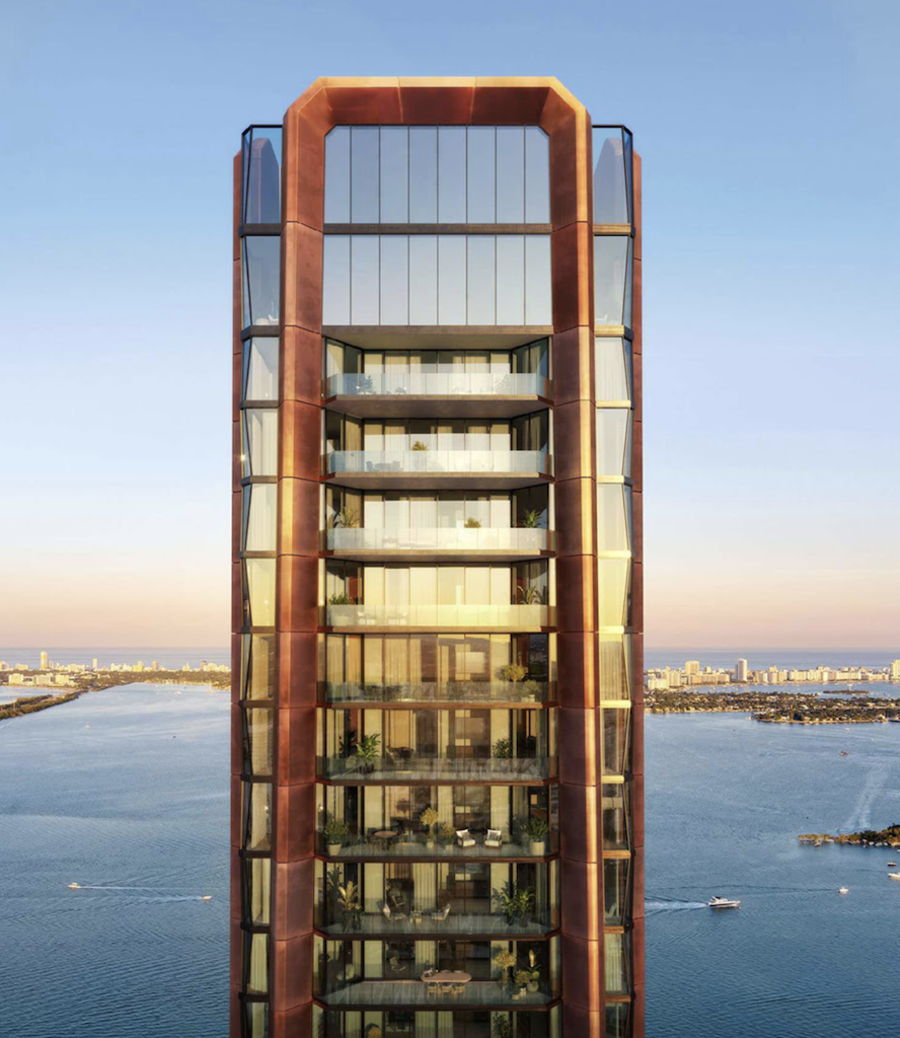
This requires an in-person visit and a parcel-level zoning research exercise. The rendering shows an idealized view; the actual view from the actual floor level on the actual site may be different. And the lots between the building and the water — if not already developed or permanently protected — are potential obstructions.
7. What are the ceiling heights in the specific unit I am purchasing?
Ceiling heights vary within buildings — standard floors may have 10-foot ceilings while penthouse levels have 14–20 feet. Confirm the exact ceiling height for your specific unit in writing, not from the sales presentation.
8. What is the total square footage and how is it measured?
Florida condominiums measure square footage in multiple ways — interior air-conditioned square footage, total under-roof square footage including balconies, and total gross area. The number in the marketing materials may include balcony area; ask for the interior air-conditioned square footage specifically, which is what you are actually living in.
About the HOA and Financials
9. What is the projected monthly HOA fee and what does it include?
Get the projected HOA budget in writing. Confirm whether it includes reserves, insurance, building management, valet, concierge, and all service programming — or whether some services are billed separately.
10. Is the HOA budget fully funded with adequate reserves from day one?
Ask whether the initial HOA budget includes full reserve funding as required by Florida law, or whether reserves are being phased in over time. An inadequately funded reserve account creates special assessment risk in the building’s early years.
11. What are the annual property taxes estimated to be?
Request a property tax estimate from the developer or your real estate attorney. In Miami-Dade County, luxury condominiums are assessed at approximately 1.8–2.2% of assessed value annually. For a $5 million unit, this is approximately $90,000–$110,000/year in property tax.
12. Are there any assessments currently planned beyond the HOA fee?
For new construction, ask whether any special assessments are planned for amenity phases or infrastructure items not included in the initial project scope.
About the Condominium Documents
13. What are the rental restrictions?
Ask for the minimum lease term, annual rental cap, board approval requirements, and investor unit cap. Confirm these are in the condominium declaration — not just in the developer’s marketing materials or verbal representations.
14. What are the pet restrictions?
Weight limit, breed restrictions, number of pets per unit, and any additional fees or deposits required for pet ownership. Confirm in the declaration.
15. What modifications can I make to the unit before and after closing?
Some buildings have extensive rules about interior modifications — requiring board approval, limiting certain types of work, and restricting the windows, floors, and systems that can be altered. Understanding these restrictions before purchase prevents post-closing surprises.
16. Does the developer retain any rights after closing?
Some developer-drafted declarations retain developer rights to modify common areas, the amenity program, or the building’s approved uses after all units are sold. These rights can materially affect the building’s character and value after the developer exits.
About Legal and Tax Structure
17. What is the optimal ownership structure for my specific situation?
A Florida real estate attorney should review whether you should purchase individually, through an LLC, through a trust, or through another structure based on your tax residency, estate planning goals, and privacy preferences.
18. Has the developer complied with all required disclosures under Florida’s Condominium Act?
Florida Statute §718.503 requires specific disclosures in the condominium documents. Your attorney should confirm all required disclosures are present and that the rescission period is still open when you are making your purchase decision.
19. Are there any pending or threatened legal actions against the developer or the building?
A search of court records for the developer’s name and the building’s address can reveal pending litigation — contractor disputes, buyer cancellation suits, or regulatory actions — that may affect the building’s completion timeline or financial stability.
20. What are my rights if the developer fails to deliver the building?
Your contract should specify the remedies available to you in the event of developer default — return of deposits, interest on deposits, and any additional remedies. Florida law provides some protections; your specific contract terms may provide more or fewer rights than the statutory baseline.