What Does “Starting At” Mean In New-Development Pricing?
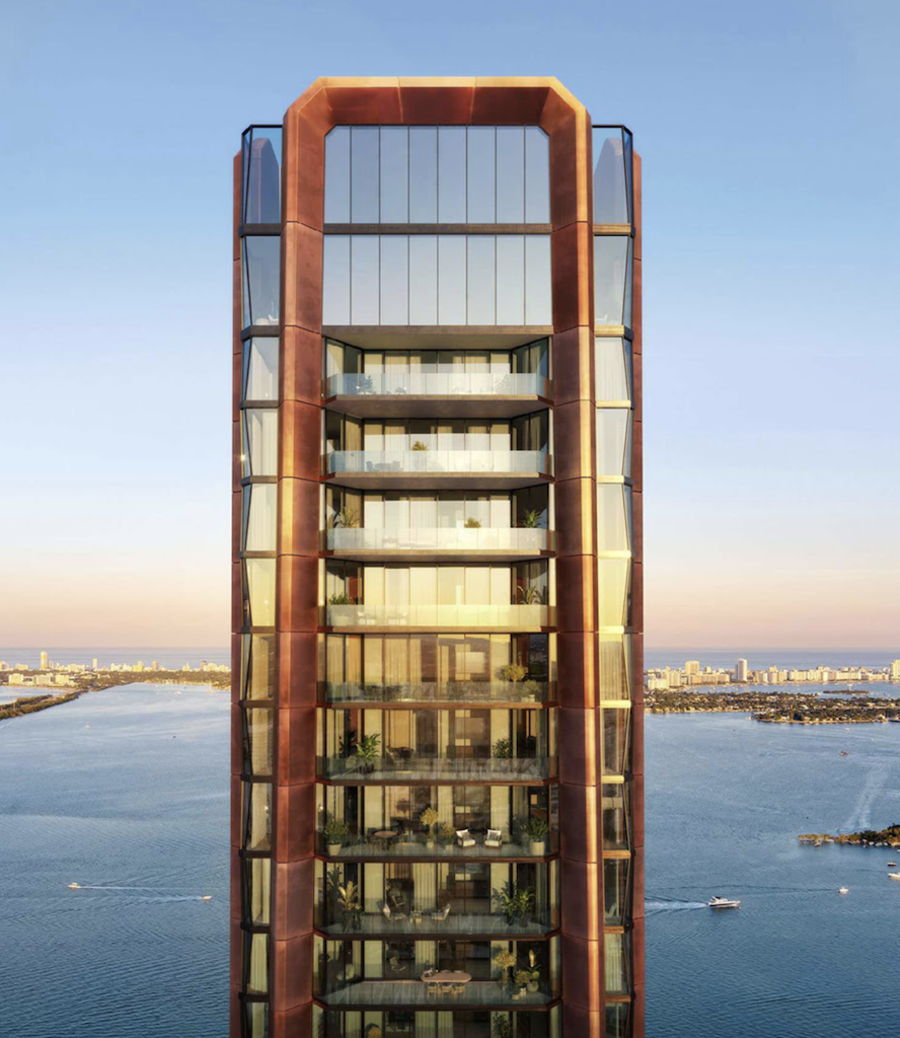
New development condo pricing in South Florida frequently begins with the phrase “starting at” — a figure that refers to the lowest publicly listed price for an available residence in a building at a specific point in the sales cycle. It typically reflects a smaller floor plan, on a lower floor, with a less prominent view. It is not a fixed price, not an average, and rarely reflects the residence most luxury buyers ultimately select. Pricing scales with floor level, residence type, view orientation, finishes, and remaining inventory, and current pricing should always be verified with the development team.
Key Takeaways for Buyers
- “Starting at” reflects the lowest available price at a single moment — the floor of a building’s pricing structure, not the ceiling.
- Starting prices generally apply to entry-level residence types on lower floors with less prominent views.
- Prices typically move as inventory is absorbed, as construction progresses, and as developers release new residence tiers.
- Penthouses, signature collections, half-floor and full-floor residences, and premium view orientations are usually priced in separate tiers.
- Buyers should verify current pricing, deposit structures, availability, and timelines directly with the development team or an experienced advisor.
The Most Misunderstood Number in Luxury New-Development Pricing
New development condo pricing is one of the most nuanced areas of the South Florida luxury market, and the phrase “starting at” sits at the center of the confusion. It anchors press releases, brochures, and listing portals. It frames how buyers compare one tower to another. And it shapes the perceived entry point to a building.
For buyers researching pre-construction pricing in Miami, West Palm Beach, and Fort Lauderdale, understanding how starting prices are constructed — and why they move — is essential. The number is a useful filter, not a final answer. This guide explains how to read it, what drives variation within a single building, and how to confirm where pricing actually stands today across the HL Real Estate Network’s new development coverage.
How “Starting At” Pricing Is Constructed
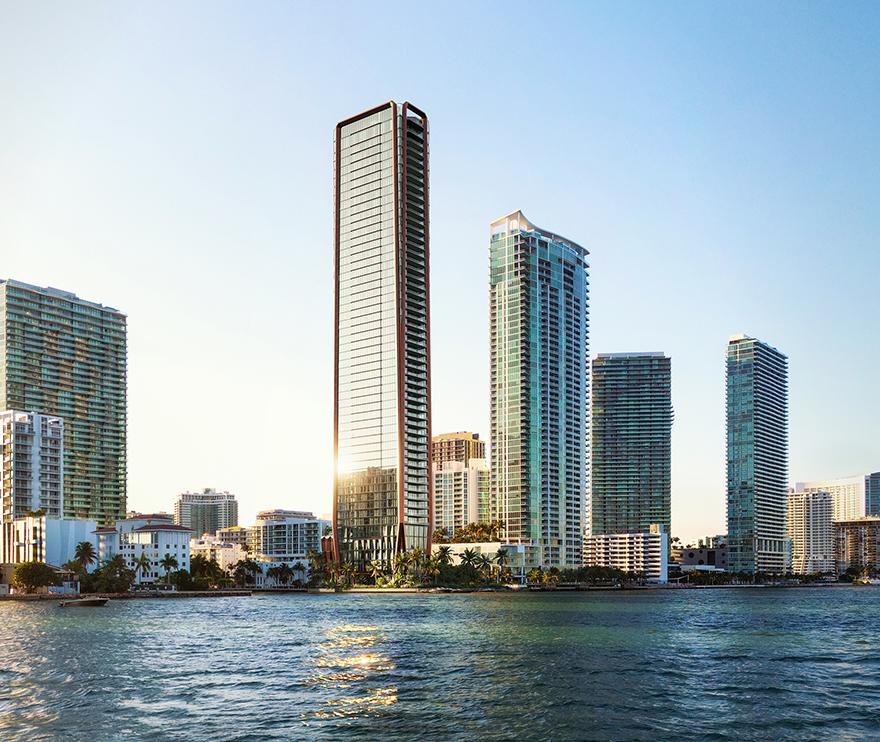
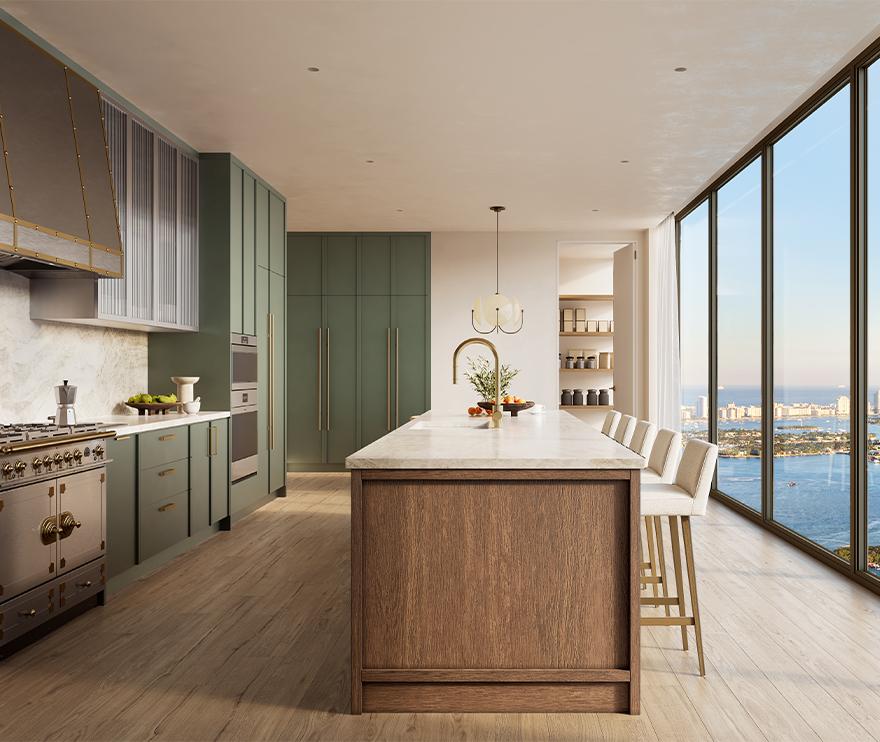
A starting price is a snapshot. It reflects the lowest available price in the building at a given moment, which means the figure can change as inventory is absorbed and new releases are introduced.
In most South Florida new-construction towers, the starting price typically corresponds to the smallest floor plan in the building, located on a lower floor, with a view orientation considered less prominent than the building’s premium exposures. As a buyer moves up the floor plate, into corner residences, half-floor or full-floor layouts, sky villas, or penthouses, pricing scales accordingly.
A useful way to think about it: a luxury condo starting price represents the floor of a pricing pyramid. The ceiling, particularly in branded oceanfront towers, can be many multiples higher.
Why Starting Prices Change Over Time
New-development pricing is not static. Developers typically release residences in phases — sometimes called tiers, releases, or tranches — and adjust pricing as the project progresses. Several factors shape how the published number evolves.
Sales Velocity
When a building absorbs inventory quickly, developers commonly raise prices on subsequent releases. A tower that opens sales at one price point may look meaningfully different six to twelve months later.
Construction Milestones
Pricing frequently adjusts as a project moves from pre-construction to vertical construction, from topping off to delivery. Buyers entering earlier in the cycle generally encounter different pricing structures than those entering closer to completion.
Inventory Mix
As smaller and lower-floor residences sell, remaining inventory often skews toward larger floor plans, higher floors, and premium lines. The published starting price can rise simply because the most accessible residences are no longer available — not because every residence in the building has been repriced.
Market Conditions
South Florida’s luxury market is influenced by interest rate movement, currency flows, migration patterns, and the broader new-development pipeline across Miami-Dade, Palm Beach, and Broward counties. These factors shape both pricing and absorption. Buyers should verify current market conditions with their advisors.
What Drives Pricing Within a Single Building
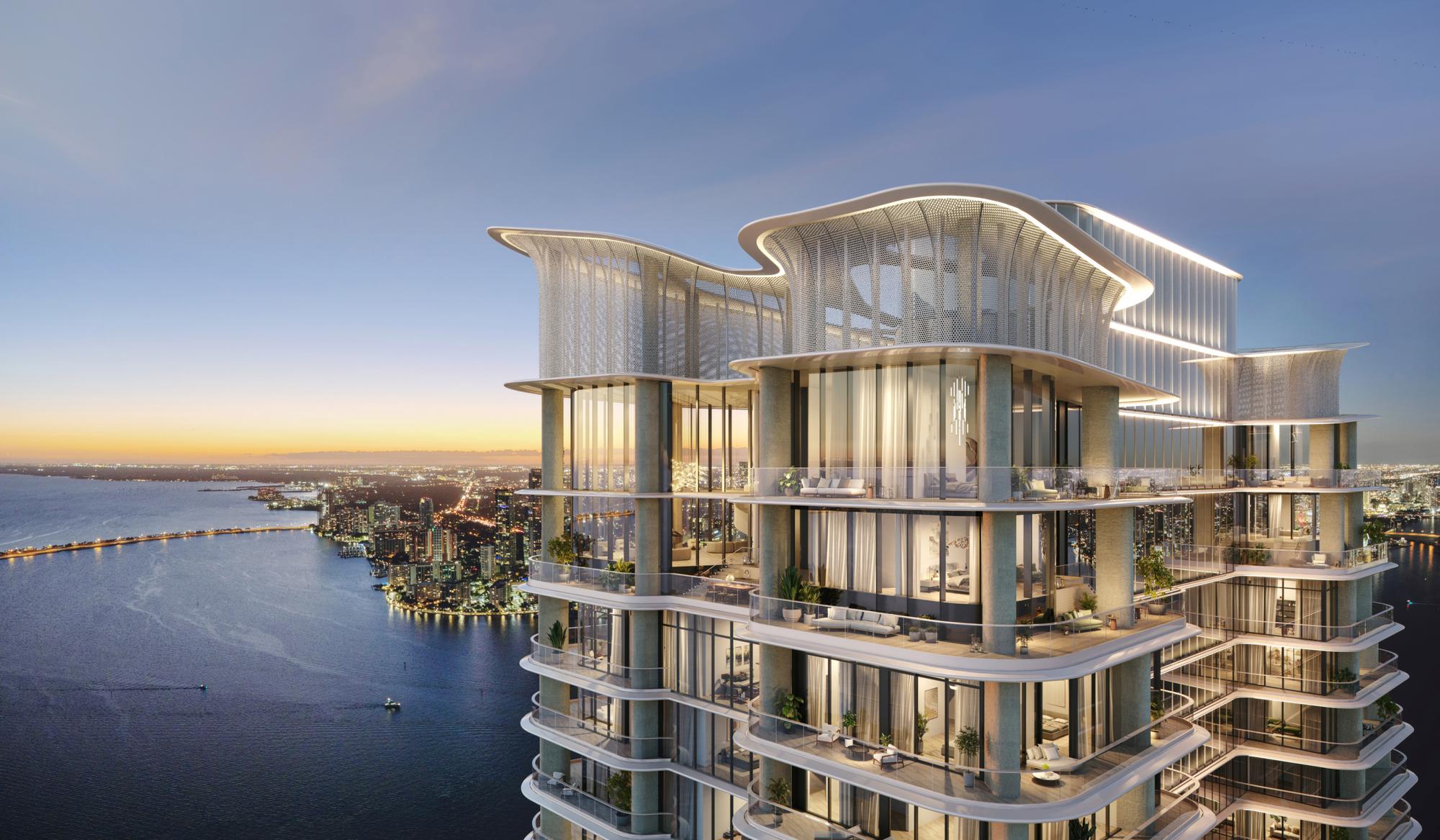

Two residences in the same tower — sometimes on adjacent floors — can carry significantly different prices. The variables matter.
Floor Level
Higher floors generally command higher pricing. In waterfront towers, the premium for elevation can be substantial, particularly above the tree line, above neighboring buildings, or at floors that capture unobstructed ocean, bay, or skyline views.
View Orientation
Direct ocean, direct bay, direct Intracoastal, and skyline-facing residences are typically priced above residences with side or partial views. In buildings with multiple exposures, the same floor plan can carry meaningfully different prices depending on orientation.
Residence Type
Standard residences, corner units, half-floor, full-floor, sky villas, townhomes, and penthouses each occupy different positions in the pricing structure. Signature collections and penthouse tiers often represent an entirely separate category above the building’s base pricing.
Finishes, Premiums, and Inclusions
Published starting prices typically reflect base finishes and standard inclusions. Buyer-selected upgrades, premium finish packages, designer collaborations, parking assignments, storage, cabanas, and boat slips (where applicable) may be priced separately depending on the developer’s structure. Buyers should verify what is and is not included with the development team.
Starting Prices Across South Florida’s Luxury Submarkets
Starting prices for luxury condos vary widely across South Florida’s primary submarkets, driven by land cost, branded residence positioning, oceanfront versus inland location, and the developer’s overall vision for the building.
Branded residences — projects developed in collaboration with luxury hospitality, fashion, automotive, or design houses — typically command pricing premiums tied to the brand standard, service program, and design pedigree. Waterfront towers with direct ocean or bay frontage occupy their own pricing tier. Pre-construction projects in earlier phases may offer different entry points than buildings approaching delivery.
Miami
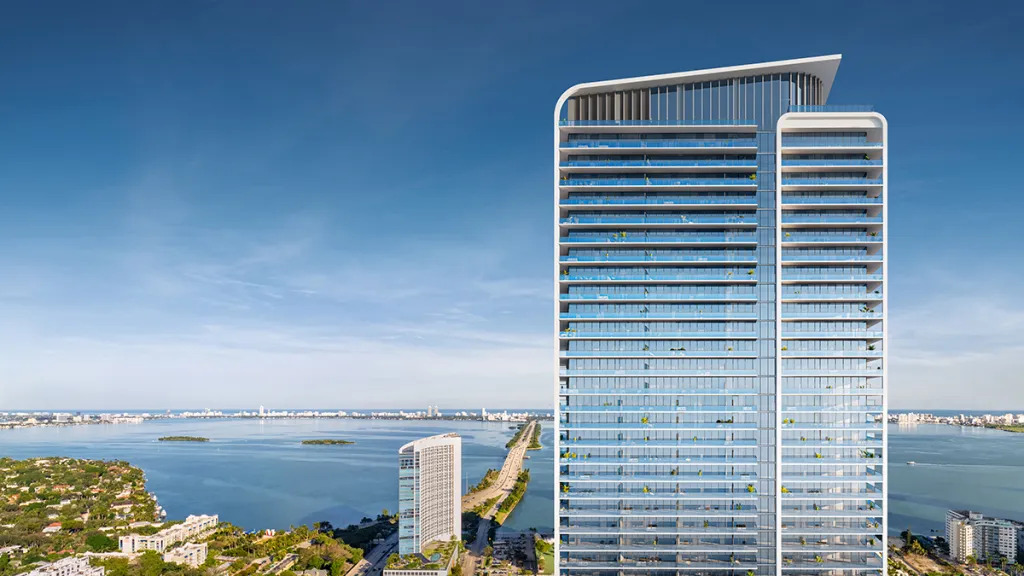
Miami’s pipeline spans accessible branded residences to ultra-luxury bayfront towers. Recent examples include Jean-Georges Miami Tropic Residences in Edgewater, Villa Miami, and The Residences at Mandarin Oriental, Miami on Brickell Key.
West Palm Beach
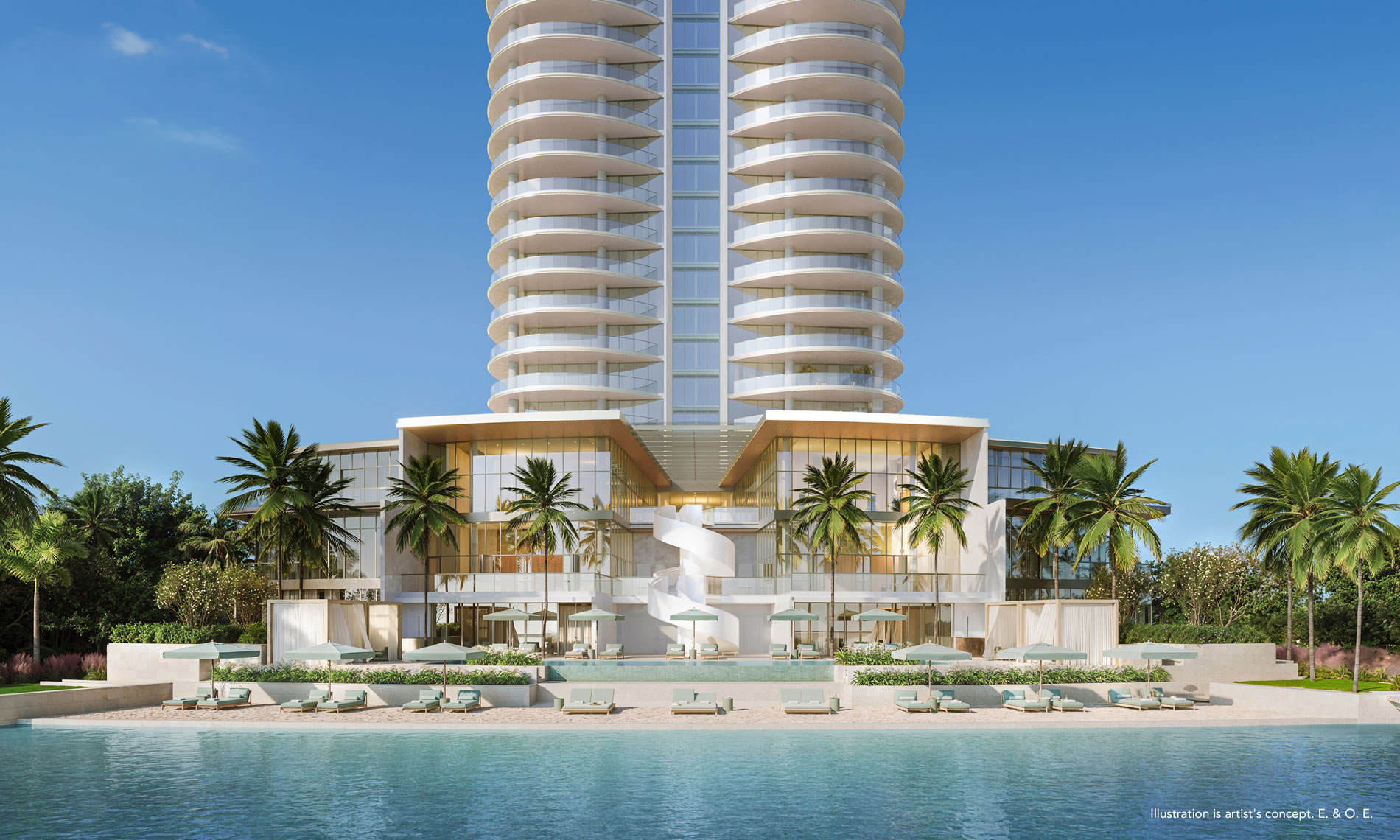
West Palm Beach has emerged as a destination for branded residences with Intracoastal and ocean orientations. Projects include Mandarin Oriental West Palm Beach and The Ritz-Carlton Residences, West Palm Beach.
Fort Lauderdale
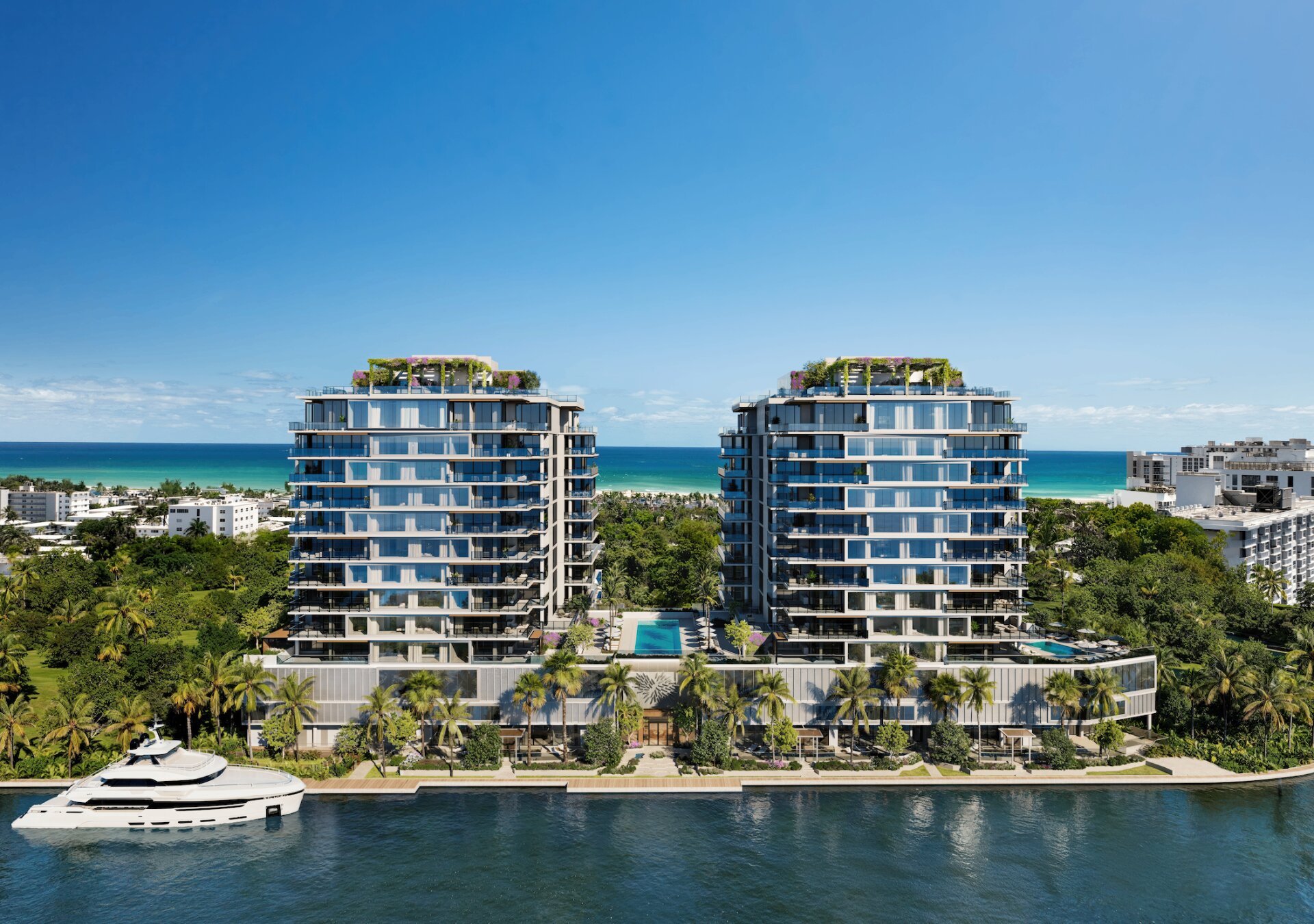
Fort Lauderdale’s beachfront and Intracoastal corridors are anchored by branded towers including The Ritz-Carlton Residences, Fort Lauderdale and The St. Regis Resort & Residences, Bahia Mar.
What Buyers Should Actually Compare
Starting prices are best used as a directional filter. Once a project is on a buyer’s shortlist, the more important comparison happens across the variables that shape long-term satisfaction with the residence and the building.
A useful framework for comparing South Florida new developments:
Pricing and floor plans. Request current pricing for the specific residence types, floor levels, and view orientations that match the buyer’s actual requirements — not the published starting price. HL Real Estate Group can request these on a complimentary basis.
Developer and brand. Track record of the developer, the brand operator (in branded residences), and the design and architecture team.
Delivery timeline. Estimated delivery window, construction status, and the developer’s history on prior projects. Timelines are subject to change and should be verified.
Deposit structure. Deposit schedule, contract structure, and what the deposit secures. Buyers should review with their own legal and financial advisors.
Views, exposure, and location within the building. Direct versus partial views, floor level, and proximity to amenity or mechanical floors.
Service model and amenities. Service program, staffing, hospitality affiliations, and the amenity package — including which amenities are included and which carry additional fees.
Rental policy. Short-term, seasonal, and long-term rental rules vary widely. Buyers planning to rent should verify policies with the development team.
Resale considerations. Building absorption, comparable resale activity in adjacent buildings, and the broader submarket. Past performance does not indicate future results.
How Buyers Can Confirm Current Pricing
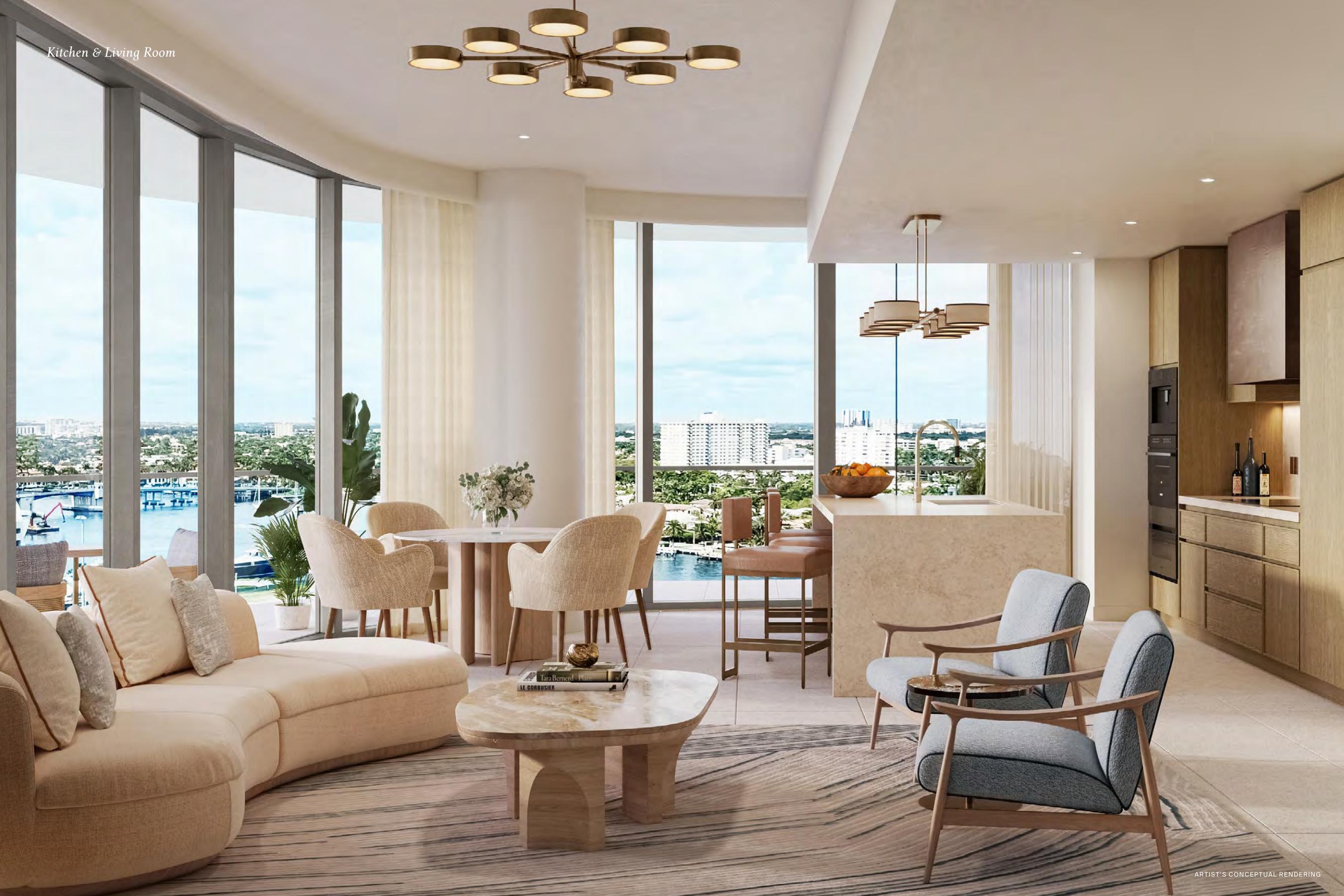
Because pricing, availability, deposit schedules, timelines, and amenities in new developments are subject to change, the most reliable path is direct verification through an advisor with access to current developer-side information.
HL Real Estate Group works across South Florida’s most relevant new-construction and pre-construction towers and can help buyers confirm current pricing for available residences, remaining inventory by floor and line, deposit structures and payment schedules, delivery and closing timelines, and private preview opportunities where available.
For broader market context, the New Development News and Editorial Features sections track project announcements, milestones, and design stories across the region.
Need details on these residences?
Our advisory team can share current information on the projects referenced in this guide.
Speak With an Advisor →