West Palm Beach vs. Palm Beach Island: Where Should a $5M+ Buyer Actually Buy in 2026?
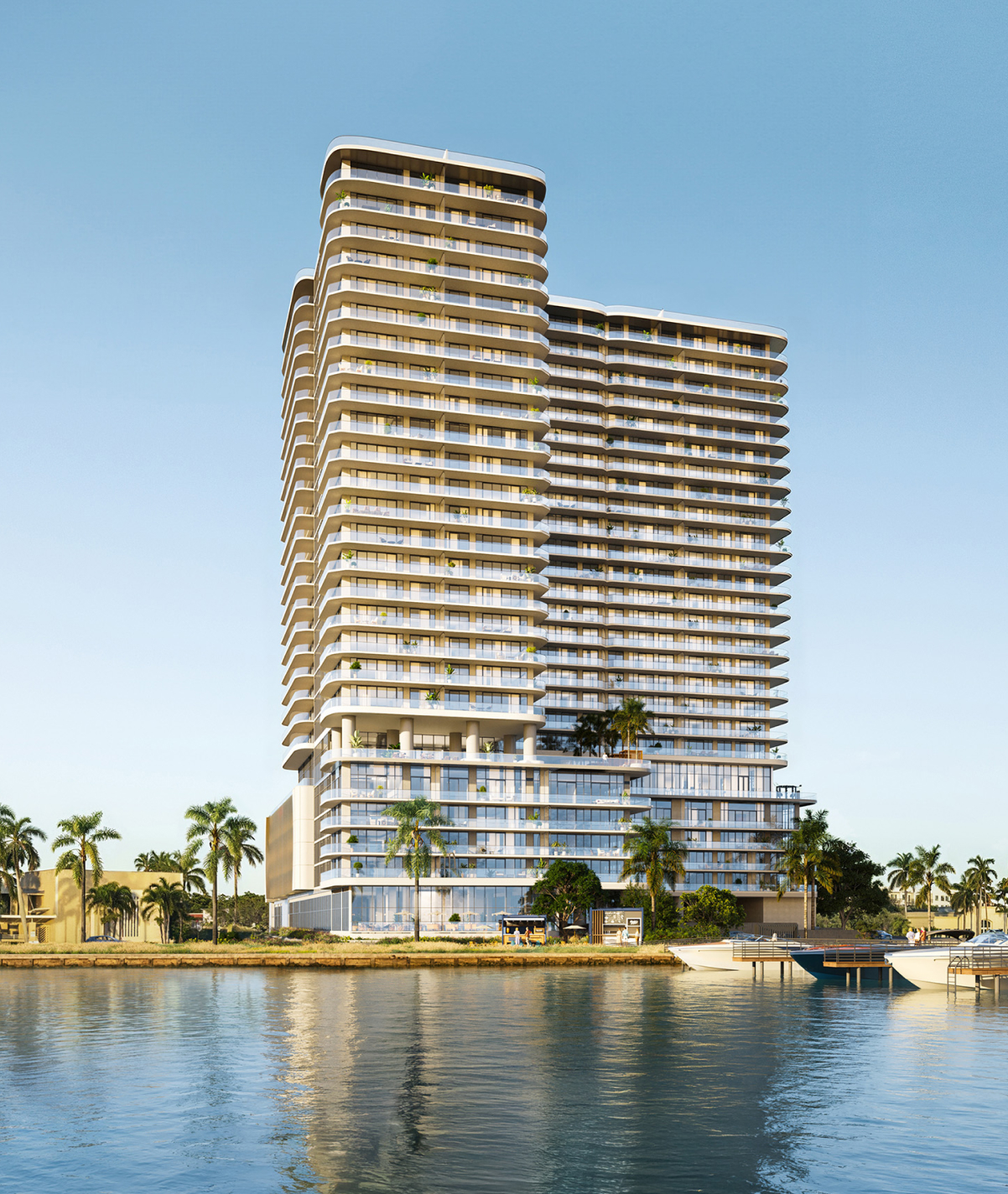
The bridge between West Palm Beach and Palm Beach Island is a few hundred meters and, historically, a multiple in price. In 2026 the decision is genuinely two-sided for the first time: West Palm Beach offers seven new luxury towers and documented 187% ten-year luxury appreciation, while the Island offers what it has always offered — finite land, near-zero new supply, and the deepest prestige address in Florida.
What does $5 million actually buy on each side of the bridge?
In West Palm Beach, $5 million buys new construction outright: it clears the entry at every tower on the corridor — from Mr. C Residences West Palm Beach ($1.6M start) and Olara (~$2M) to South Flagler House ($3.5M) and The Ritz-Carlton Residences, West Palm Beach ($3M) — typically landing a large waterfront two- or three-bedroom (CondoWPB, August 2026). On Palm Beach Island, $5 million is an entry ticket: island condo stock is largely older low-rise product with no comparable new-construction pipeline, and trophy pricing begins roughly where West Palm’s published ranges end ($20 million at South Flagler House and The Residences at Mandarin Oriental, West Palm Beach — CondoWPB, August 2026).
How do taxes and insurance differ?
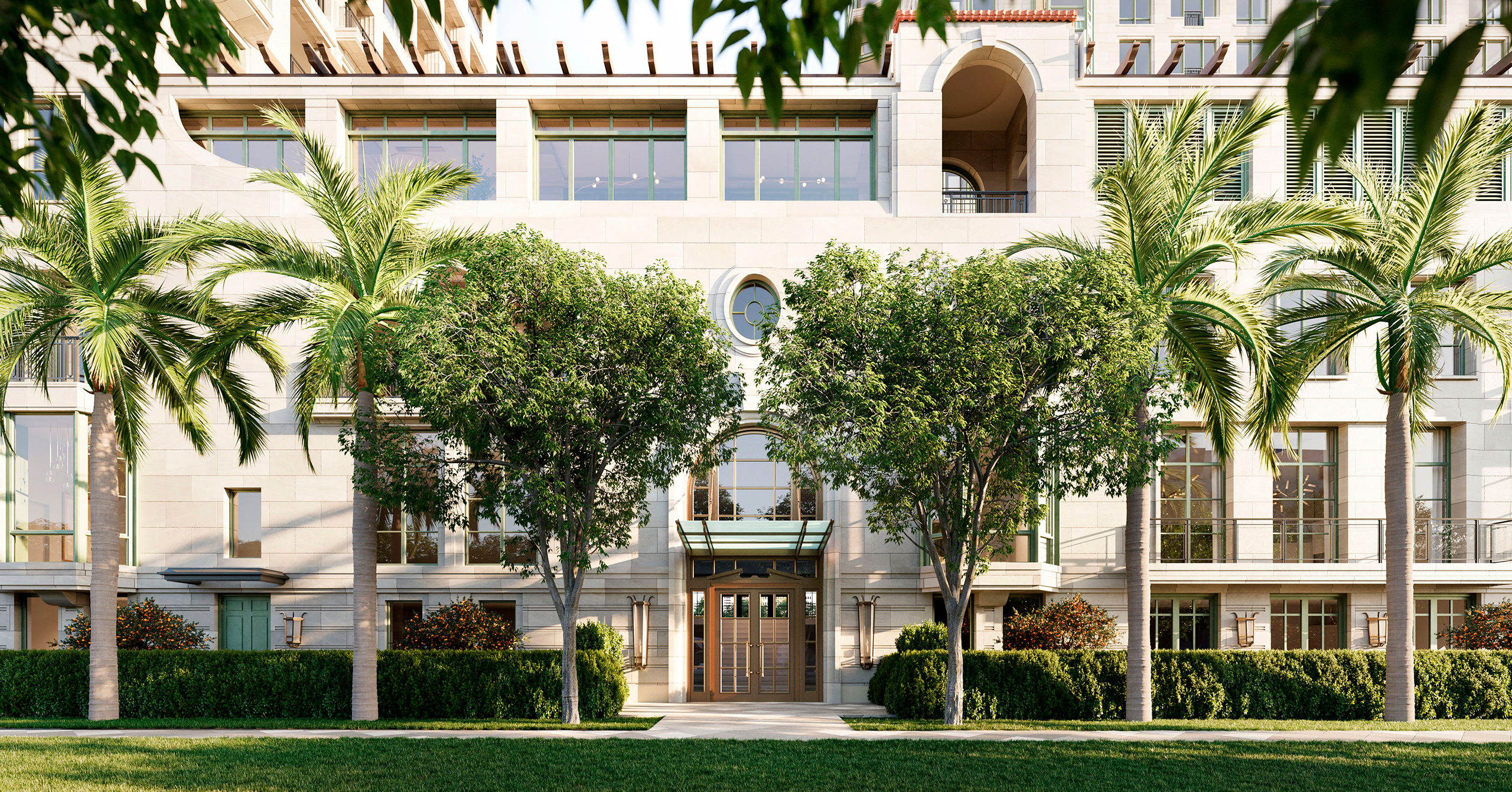
Both sides share Palm Beach County’s tax framework — the differences are assessed values and insurance exposure, not rates. Island properties carry higher absolute taxes on higher values and barrier-island wind exposure; new West Palm Beach towers benefit from current-code construction, which insurers consistently price more favorably than the Island’s older building stock — a gap that has widened since Florida’s post-Surfside milestone-inspection regime began repricing aging coastal buildings.
Which side is appreciating faster?
West Palm Beach — from a lower base. The Island compounds more slowly but from the highest base in Florida, with scarcity as the floor.
What new construction exists on each side?
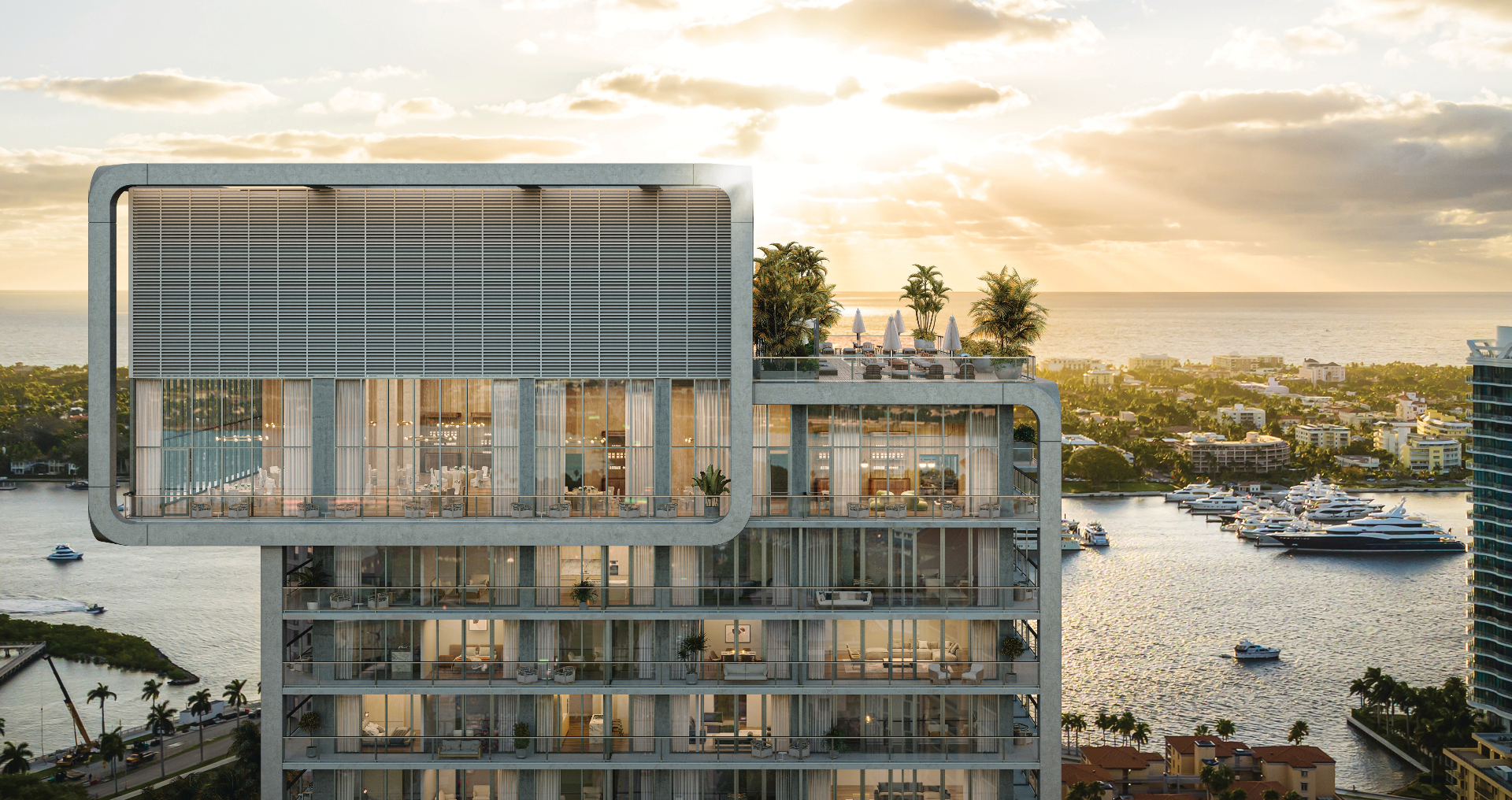
This is the starkest line in the comparison:
| (Aug 2026) | West Palm Beach | Palm Beach Island |
|---|---|---|
| Active new towers | 7 (Mr. C, Alba, Olara, South Flagler House, Ritz-Carlton, Banyan Tree, Mandarin Oriental) | Effectively zero comparable pipeline |
| From-prices | $1.6M–$5.95M+ | N/A — resale market |
| Deliveries | 2026–2031 | — |
| 10-yr luxury appreciation | 187% (HL dataset) | High base, slower rate |
Ask About Available Residences at West Palm Beach → · Ask About Available Residences at Palm Beach →
Sources: CondoWPB directory, HL research — August 2026.
Buyers who want 2026-code construction, amenity floors and warranties have exactly one side to choose.
Which suits a primary versus a seasonal buyer?
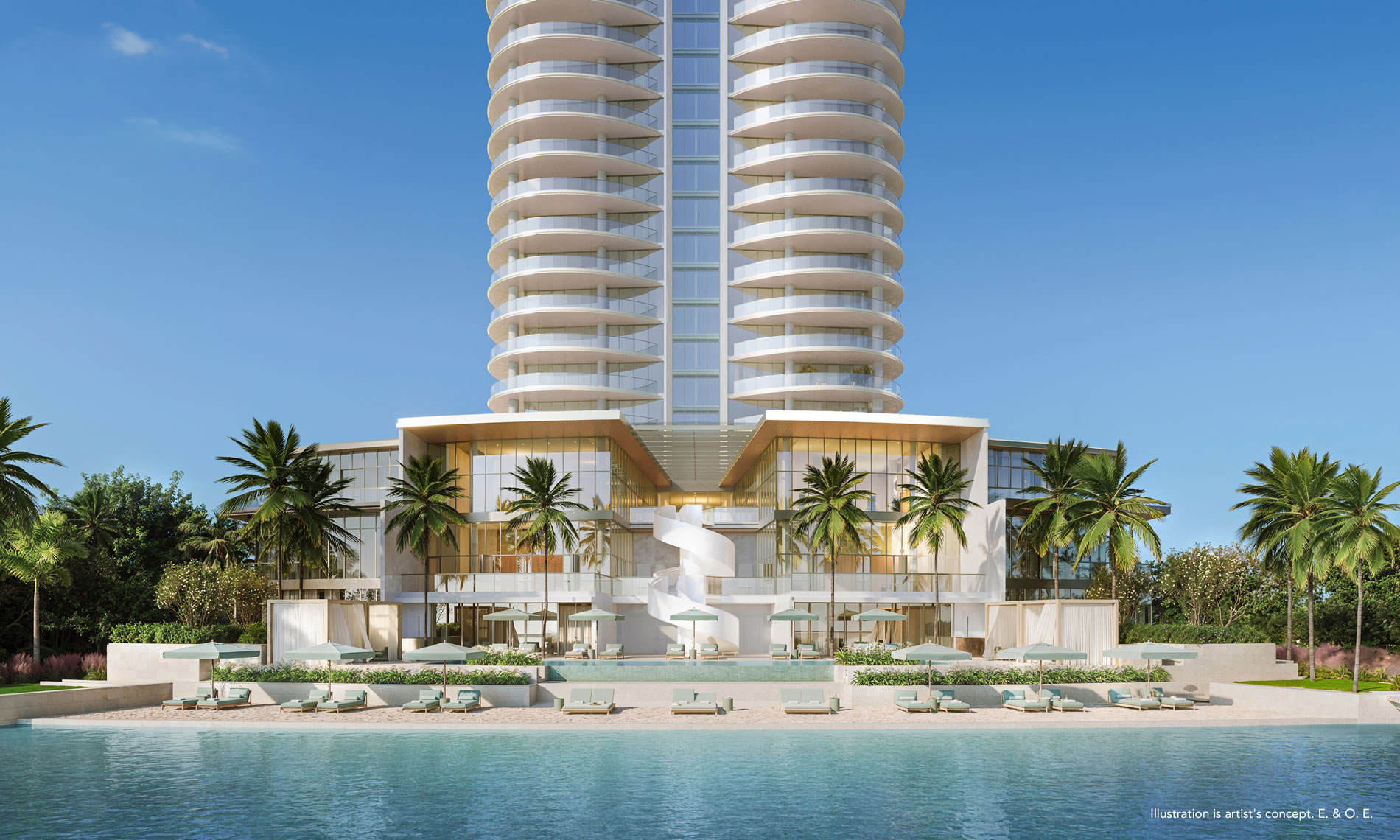
Primary buyers increasingly choose West Palm Beach: walkable dining, the office corridor, new-building services. Seasonal and legacy buyers still default to the Island: the estate sections, the clubs, the address. The honest test — if your life runs on restaurants and a trading floor, buy west; if it runs on club calendars, buy east.
What do resale dynamics look like?
West Palm Beach’s risk is supply: seven towers deliver into the same demand pool through 2031, so line selection and building quality matter more than timing. The Island’s risk is liquidity at the top: fewer buyers, longer marketing periods, but near-perfect scarcity underneath.
Browse every South Florida new development tracked by Haute Residence.
Comparing West Palm Beach and Palm Beach?
Tell us which fits your priorities and our advisory team will follow up with current information — no assumption made about which one you prefer.
Ask About Available Residences at West Palm Beach →Ask About Available Residences at Palm Beach →