West Palm Beach 187% Luxury Appreciation in 10 Years: The Data Behind the Fastest-Growing Market in the US
One number defines West Palm Beach’s transformation from a regional Florida city into one of America’s premier luxury real estate destinations: 187.3%.
That is the percentage gain in luxury home prices that West Palm Beach recorded over the decade from October 2015 to October 2025, according to a Redfin analysis of the 50 largest U.S. metros. It is the fastest decade-long luxury appreciation of any major U.S. market — faster than every California metro, faster than Miami (which itself posted 148%), faster than New York (15.4%), faster than every other measured market in the United States.
The median luxury home price moved from approximately $1.4 million in October 2015 to $4.04 million by October 2025. By January 2026, that figure had climbed further to approximately $4.2 million — up 10.7% year-over-year in just the most recent 12-month period.
This article presents the complete data picture: where the 187% came from, what sustains it, what the branded development pipeline adds to the trajectory, and what it means for buyers evaluating West Palm Beach now.
The Decade in Data: How 187% Happened
2015–2019: The quiet base-building period. West Palm Beach’s luxury market in 2015 was real but not remarkable by South Florida standards — a regional market serving Palm Beach county’s established wealth community, with pricing that reflected the city’s functional position as a service and professional center rather than a primary luxury destination.
The quiet shifts that laid the 187% groundwork: the gradual improvement of West Palm Beach’s downtown cultural infrastructure (Norton Museum, Kravis Center expansion), the first wave of professional service firm migration from the Northeast, and the beginning of condominium development along South Flagler Drive that offered Palm Beach island adjacency at mainland prices.
2020–2022: The acceleration. COVID-19’s remote work normalization removed the last geographic constraint on wealth migration decisions. For New York and California executives who had been considering Florida domicile for tax reasons but maintained that they “needed to be” in New York for their careers, the pandemic’s 18-month proof of remote productivity eliminated that objection.
West Palm Beach specifically benefited from the migration of finance industry leadership — the earliest and most motivated segment of the post-COVID migration — because the city’s cultural infrastructure (quality of life, schools, Palm Beach island proximity) was already at the level that sophisticated buyers required, while Miami was experiencing an overheating that made West Palm Beach the relatively quieter, more accessible alternative.
2022–2025: Institutional confirmation. Citadel’s full relocation announcement (mid-2022) was the moment that converted West Palm Beach’s luxury narrative from “promising emerging market” to “institutional conviction.” When Ken Griffin — with access to every real estate market in the world and advisors who have analyzed all of them — chose to relocate Citadel’s global headquarters to Miami and establish significant residential presence in the greater Palm Beach area, it sent a market signal that reverberated globally.
The financial industry cluster that followed: Point72, Millar Capital, dozens of family offices, and the supporting professional services ecosystem that financial industry concentration requires. Each new firm created additional residential demand from principals and senior employees.
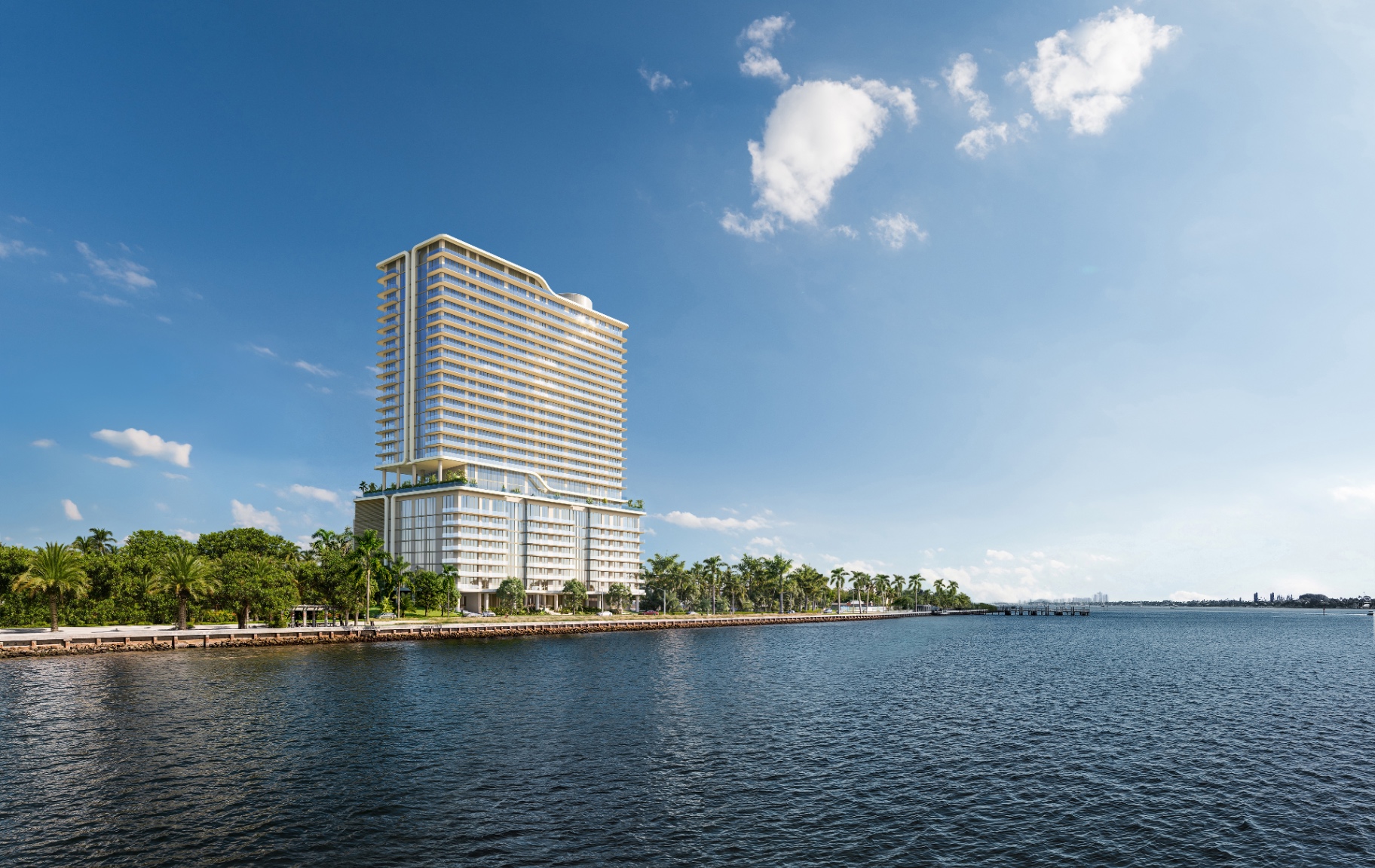
The branded development wave: 2023–2028. The branded development pipeline that has launched in West Palm Beach since 2023 — Mandarin Oriental Residences, Ritz-Carlton Residences, Banyan Tree Residences, South Flagler House (RAMSA), Mr. C Residences — is the largest concentration of globally branded luxury residential development ever launched in any Florida city other than Miami simultaneously.
This pipeline is both response and catalyst: it responds to the demand that the financial industry migration created, and it catalyzes further demand by establishing West Palm Beach as a market that globally mobile buyers (who evaluate cities by the branded residential product available) now put on their comparison list alongside Miami Beach, Palm Beach island, and comparable markets globally.
The Specific Data Points That Define the Market
Median luxury price trajectory:
- October 2015: approximately $1.4 million
- October 2025: $4.04 million (+187.3%)
- January 2026: approximately $4.2 million (+10.7% year-over-year)
Peer comparison (same decade-long period, Redfin):
- West Palm Beach: +187.3%
- Miami: +148%
- Tampa: approximately +120%
- Fort Lauderdale: approximately +100%
- National average: +82.5%
- New York: +15.4%
National ranking:
- West Palm Beach is the 6th most expensive major metro for luxury homes (January 2026 data) — behind only four California metros and Miami
- West Palm Beach luxury sales volume up 30% year-over-year in the same January 2026 report (Redfin)
Five-year appreciation context:
- West Palm Beach luxury: approximately +105% over five years — the decade-long 187% includes a particularly strong recent five-year run
- Palm Beach island (adjacent): +118.2% five-year appreciation, $12.9 million median single-family (mid-2025)
Why the 187% Is Likely to Continue — And The Honest Risks
The case for continued appreciation: The branded development pipeline — Mandarin Oriental, Ritz-Carlton, Banyan Tree, South Flagler House — is arriving at its delivery window (2026–2029) precisely as the financial industry cluster is reaching critical mass. The post-delivery comparable sales from these projects will reset the submarket’s PSF benchmark upward, pulling adjacent resale and new development pricing higher in the same way that Four Seasons Private Residences Coconut Grove will reset that submarket’s ceiling.
The relative value argument persists: West Palm Beach luxury at $4.2 million median is approximately 65% below Palm Beach island ($9.8 million average home value) and approximately 35% below comparable branded product in Miami Beach. For buyers who want the Palm Beach social infrastructure, the branded product quality, and the Intracoastal setting — but not the Palm Beach island price tag — West Palm Beach delivers approximately 70–80% of the value at 35–40% below the island’s pricing.
The honest risks: The 187.3% decade-long figure is now widely known and widely cited — which means that some portion of the additional appreciation it implies is already priced into current market expectations. Markets that have been the subject of national data attention often experience a period of consolidation as the new awareness attracts both buyers (supporting price) and speculative sellers (adding supply).
West Palm Beach’s resale inventory dynamics are improving but not as supply-constrained as Palm Beach island or South of Fifth — meaning there is more seller-side competition in the resale market that can moderate appreciation relative to the decade-long trend.
The financial industry cluster’s permanence depends on the firms that relocated maintaining their South Florida commitments rather than reverting to New York operations when the pressure of physical proximity to other financial institutions reasserts itself. Citadel’s full operational relocation — with all of its associated infrastructure — is the most committed marker of permanence; smaller firms that established partial South Florida presences are more subject to reversal.
The Branded Pipeline as Appreciation Catalyst: Looking to 2027–2029
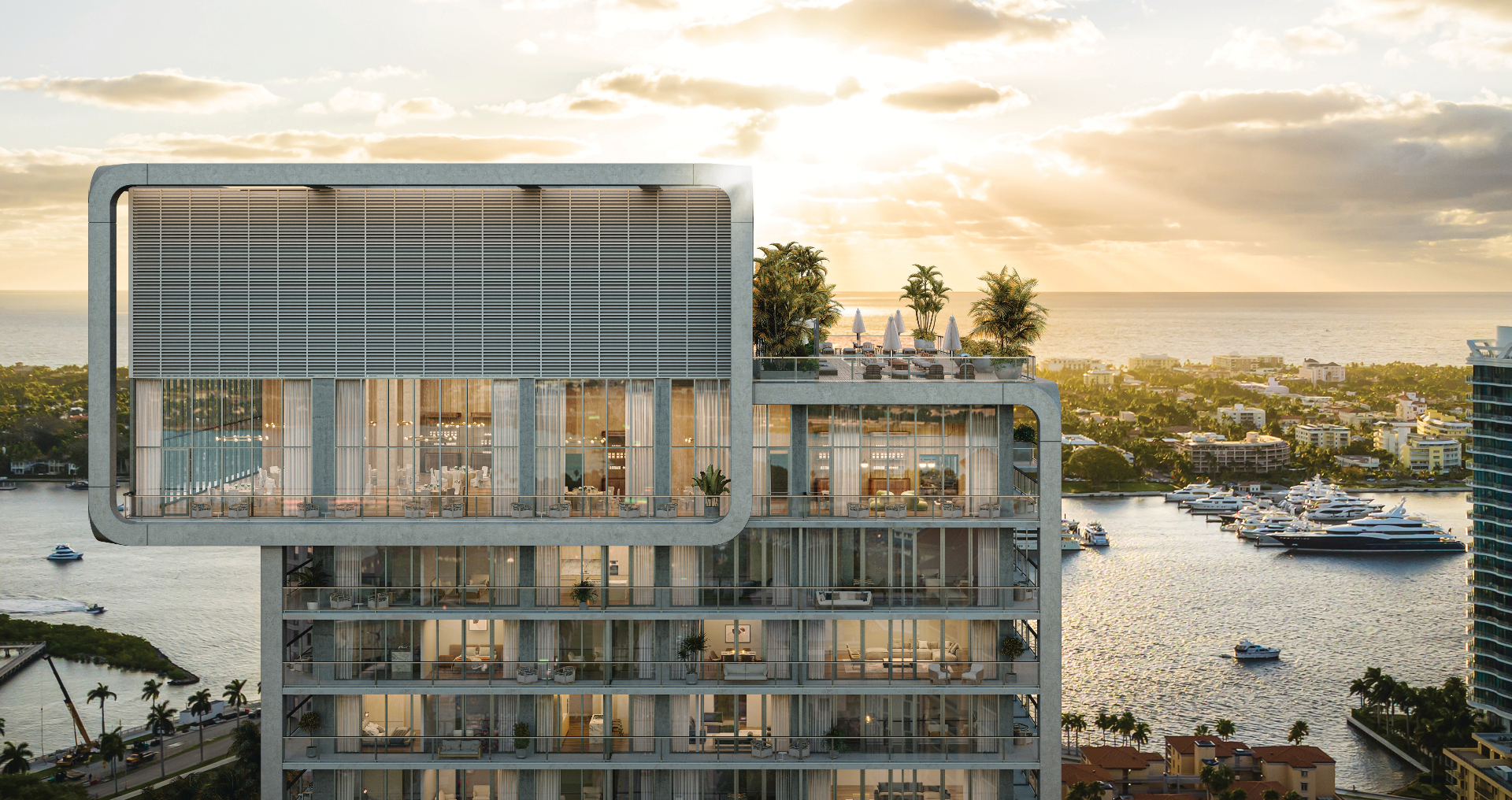
The West Palm Beach branded development pipeline’s delivery window is where the next measurable data inflection is expected. When Mandarin Oriental Residences WPB delivers (targeting 2028), its post-delivery comparable sales will be the first established PSF benchmarks for the “globally branded, Intracoastal, West Palm Beach” category. Those benchmarks — if they achieve the $1,500–$2,000+ PSF range that comparable brand-location combinations have achieved in other markets — will reset the entire West Palm Beach luxury PSF index upward.
Buyers who enter the West Palm Beach branded pre-construction market at current pricing (approximately $1,200–$1,800 PSF for premium branded units) are underwriting the spread between their current entry and the post-delivery comparable that the first transactions will establish. At Mandarin Oriental, Ritz-Carlton, and Banyan Tree — all of which are structurally similar in brand tier and location quality to developments that have delivered at $2,000–$3,000 PSF in comparable markets — that spread is expected to be meaningful.
Need details on these residences?
Our advisory team can share current information on the projects referenced in this guide.
Speak With an Advisor →