Price Per Square Foot by Submarket: Every South Florida Luxury Neighborhood Ranked 2026
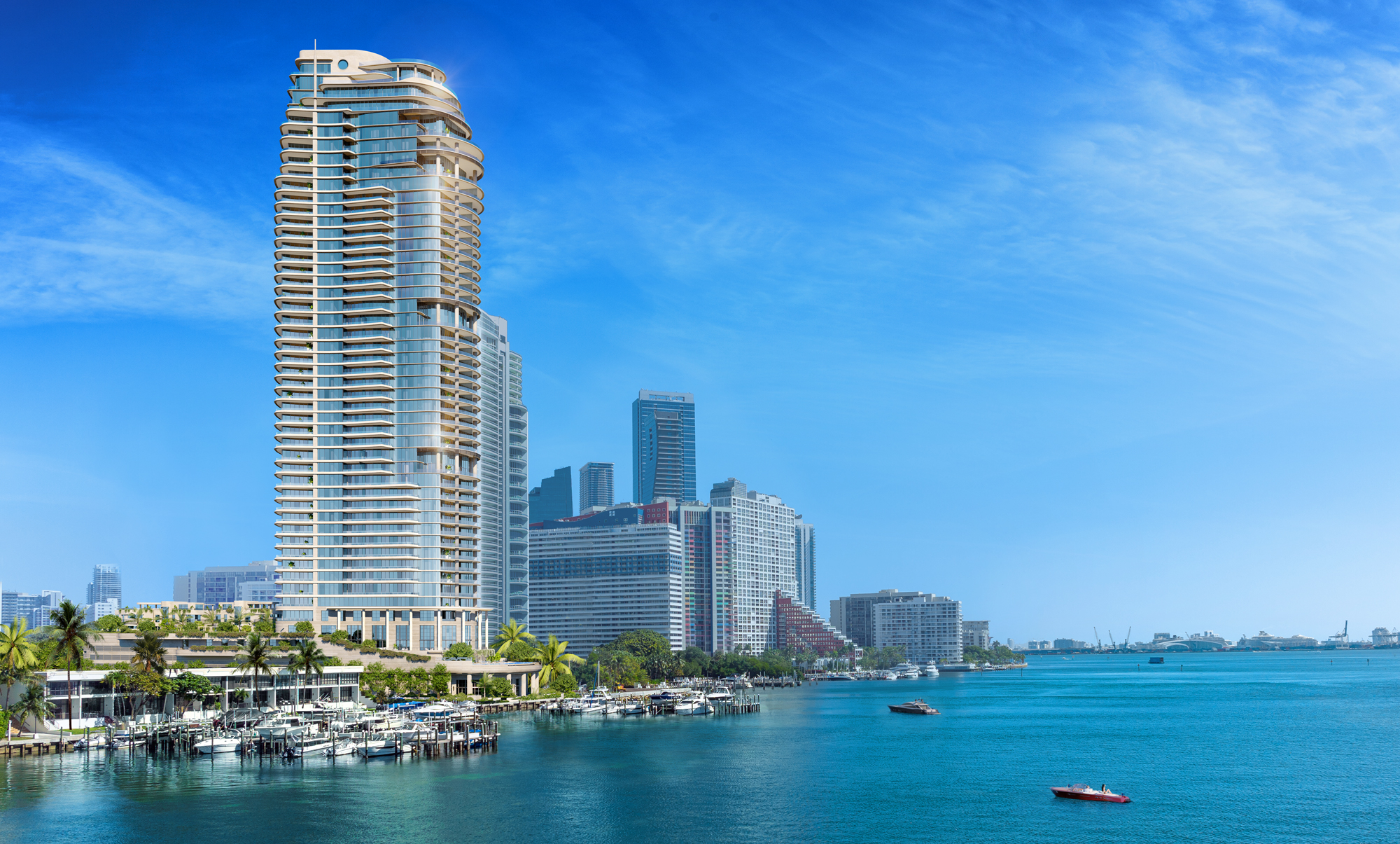
Price per square foot is the universal metric that allows buyers to compare properties across buildings with different unit sizes, floor levels, and amenity programs on a normalized basis. But raw PSF data is only useful if you understand what drives the premiums — and what the outliers signal about market direction.
This guide compiles the most current PSF data across every major South Florida luxury submarket, updated for 2026, with analysis of what each number means and where the trajectory points.
The Complete PSF Ranking — South Florida Luxury Condos 2026
Tier 1: Ultra-Premium ($2,000+ PSF)
Fisher Island: approximately $2,708 PSF. Fisher Island is South Florida’s definitive PSF leader — not a surprise given its controlled-access private island geography, a resident population that is among the most concentrated collections of ultra-high-net-worth individuals in the United States, and a supply profile that cannot be meaningfully expanded. The Q3 2025 median sale price of approximately $11.2 million at $2,708 PSF represents a market where the concept of “comp” barely applies — each transaction is sufficiently rare that it sets rather than reflects the market. For buyers, Fisher Island functions less like a typical real estate submarket and more like a private membership where access is the primary commodity.
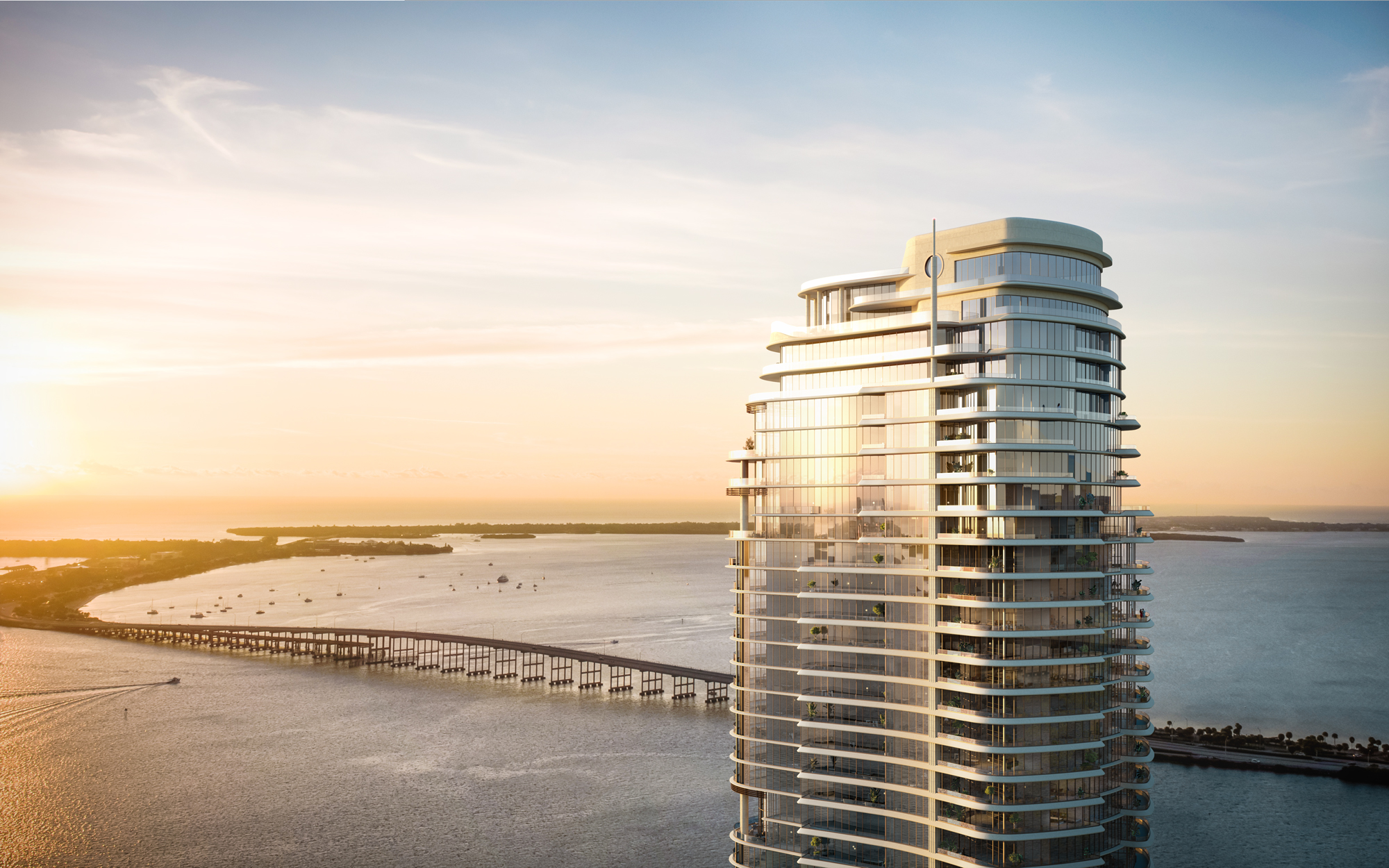
Surfside: approximately $3,006 average transaction price (Q2 2026). Surfside’s PSF leadership is driven by Eighty Seven Park (Renzo Piano), Arte by Antonio Citterio (16 units, 100% full-floor residences), and Four Seasons Residences at The Surf Club (Richard Meier, Thomas Keller). Each of these buildings has established itself as an architectural landmark with genuine international collector-level buyer profiles. Arte in particular has reportedly seen resale PSF above $5,000 for premium units — establishing the building as one of the few condominiums in the United States where the architectural authorship alone drives pricing above any other comparably located building.
South Beach (South of Fifth): approximately $1,538 PSF — up 37% year-over-year. The 37% year-over-year PSF gain at South Beach from Q3 2024 to Q3 2025 is the most dramatic single-submarket appreciation reading in all of South Florida during that period. SoFi’s combination of geographic containment (three-sided water boundary), zero available development sites, Joe’s Stone Crab walking distance, and a resident community of unusual discretion and wealth is producing the kind of supply-constrained appreciation that only finite markets can generate.
Tier 2: Established Luxury ($1,000–$2,000 PSF)
Miami Beach overall: approximately $1,292 PSF — up 15.1% year-over-year. Miami Beach’s overall luxury PSF figure aggregates the full range from SoFi’s ultra-premium pricing through Mid-Beach and North Beach’s more accessible tier. The 15.1% year-over-year gain confirms that the appreciation is broad-based across the barrier island, not isolated to a single micro-neighborhood.
Brickell new development: approximately $1,200–$1,500 PSF (pre-construction, Q1 2026). Brickell’s pre-construction new development pricing has definitively crossed the $1,000 PSF threshold for branded product, with Cipriani Residences and The St. Regis Residences, Miami both in the $1,200–$1,500 PSF range. Brickell resale luxury landed at approximately $950 PSF (record high, Q1 2026). The spread between pre-construction and resale — approximately $250–$550 PSF depending on specific building — represents the market’s pricing of the brand premium, service infrastructure, and new product premium that branded new construction commands.
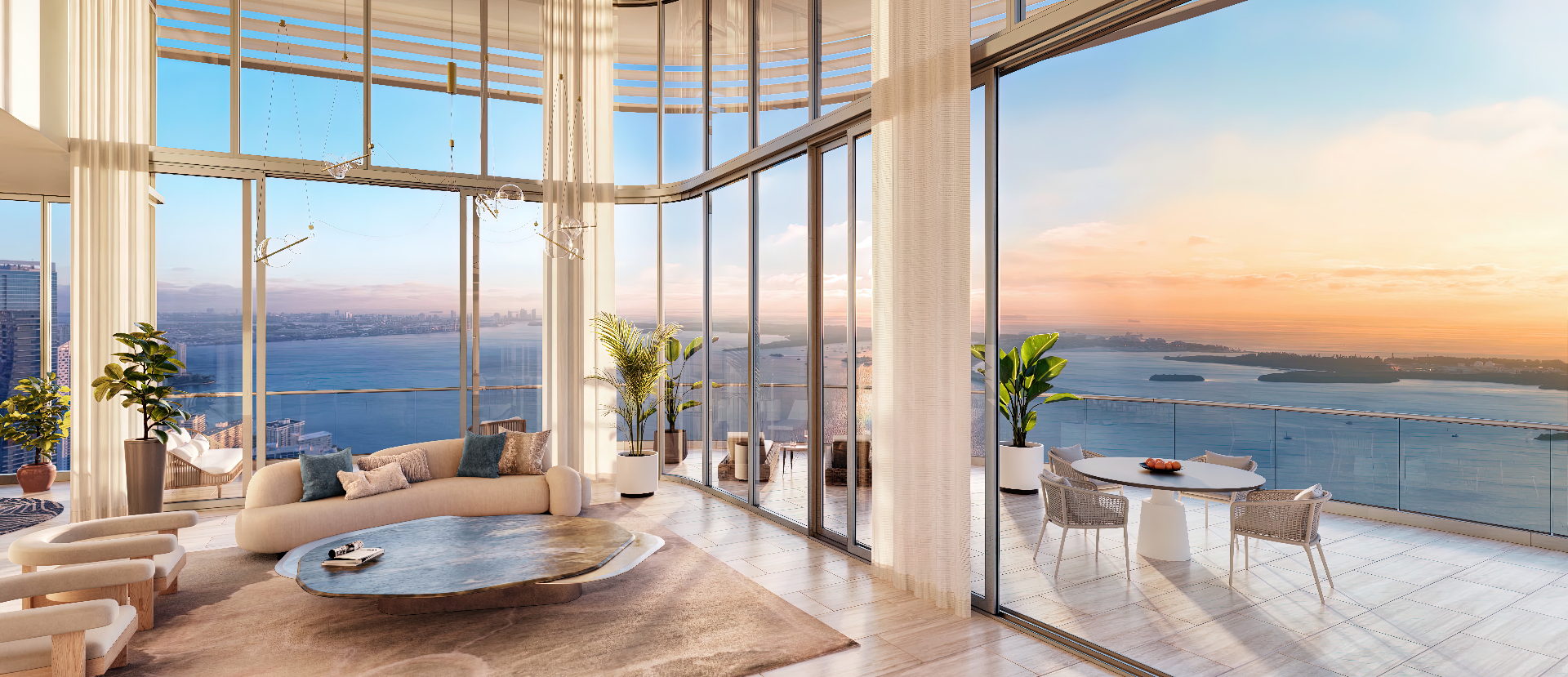
Bal Harbour: approximately $1,400–$2,000+ PSF (Rivage pre-construction). Rivage Bal Harbour — the last oceanfront development site in the municipality — is driving Bal Harbour’s PSF ceiling toward levels that have historically only existed in SoFi and Surfside. At $10M+ entry pricing and SOM architecture, Rivage is establishing a new ceiling for a submarket that was already the most price-stable of any in Miami Beach’s northern corridor.
Tier 3: Rising Submarkets ($800–$1,200 PSF)
Sunny Isles Beach pre-construction: approximately $900–$1,400 PSF. Sunny Isles Beach’s PSF range reflects the significant premium that direct oceanfront positioning commands over bay-facing or city-view units. Bentley Residences and St. Regis Sunny Isles both command the upper end ($3,000–$4,500 PSF for their best units — well above the submarket average), while the broader Sunny Isles resale market trades at approximately $900–$1,800 PSF for branded product.
Edgewater pre-construction: approximately $800–$1,100 PSF. Edgewater is 2026’s growth submarket story. Q1 2026 closed sales in Edgewater surged 120% year-over-year (44 closings vs. 20 in Q1 2025). The PSF range of $800–$1,100 for new pre-construction product positions Edgewater as the highest-velocity appreciation submarket relative to its current pricing — buying into what Miami Beach looked like before the premium was fully baked in.
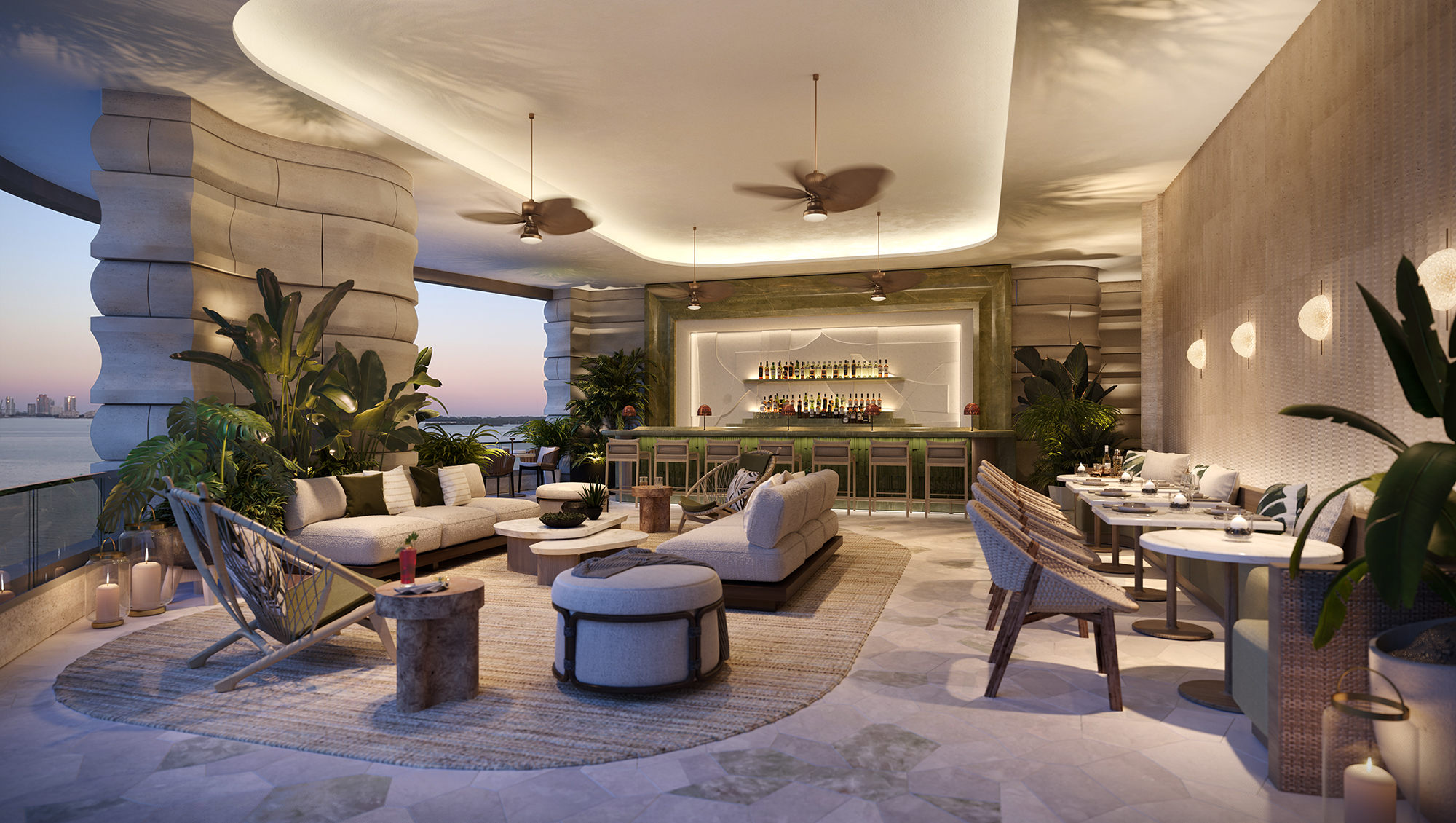
Coconut Grove/Coral Gables: approximately $1,500–$3,000 PSF (boutique). The Coconut Grove/Coral Gables combined segment posted the highest year-over-year price gain of any tracked submarket in Q1 2026 at 9.2%. Park Grove resale (OMA-designed) commands $2,000–$3,000 PSF for premium units. The Four Seasons Private Residences Coconut Grove (2028 delivery, $7M–$17M per unit) will establish new ceiling pricing that will reset the submarket’s entire comp stack upward.
Tier 4: Entry Luxury ($600–$900 PSF)
Greater Downtown Miami: approximately $718–$730 PSF. Downtown Miami remains the most affordable entry point into Miami’s luxury condo segment. The Waldorf Astoria Residences — at approximately $1M entry for lower-floor units — is in the process of resetting Downtown’s pricing ceiling in a way that is expected to pull the broader submarket’s PSF upward as the building’s 100-story scale establishes a new landmark reference point.
Wynwood new construction: approximately $850–$1,100 PSF. Wynwood’s new construction pricing has crossed the $1,000 PSF threshold for premium product despite having no waterfront premium. The 89% price appreciation that Wynwood has recorded from 2015–2024, combined with a residential population that has grown 124% in the same period, reflects a neighborhood whose lifestyle and cultural premium has proven durable across multiple market cycles.
The Key PSF Drivers: What Makes One Building Worth $500 More Per Square Foot Than Its Neighbor
Brand premium: Branded residences command 20–40% PSF premiums over non-branded comparables in equivalent buildings. The premium reflects service infrastructure costs, brand marketing, and the expectation of stronger long-term value retention.
Floor premium: PSF increases approximately $50–$200 per floor as you rise through a building. The range reflects building height, view quality improvement per floor, and market conventions at specific price tiers.
View orientation premium: Direct ocean-facing units in oceanfront buildings command 15–30% PSF premiums over equivalent bay-facing or city-facing units in the same building. At South of Fifth, bay-facing units trade at 10–20% discounts to ocean-facing.
Unit size discount: In most South Florida luxury buildings, larger units carry slightly lower PSF than smaller units in the same building. A 4-bedroom penthouse configuration at $2,000 PSF may represent better absolute value than a 1-bedroom at $2,200 PSF in the same building.
Boutique premium: Buildings with fewer than 50 units command structural PSF premiums that compound over time as resale supply stays thin. Arte (16 units) and Fisher Island’s low-turnover profile both demonstrate this dynamic.
Where PSF Is Likely Heading: The Next 24-Month Trajectory
Most likely to compress toward parity: The gap between Greater Downtown ($730 PSF) and Brickell ($950 PSF) — driven primarily by the Waldorf Astoria’s impact on Downtown’s price ceiling and the continuing relocation of financial services firms to the Brickell corridor.
Most likely to accelerate further: West Palm Beach branded pre-construction, driven by the combined delivery of Mandarin Oriental, Ritz-Carlton, and Banyan Tree creating new comp benchmarks. Also Edgewater, where the 120% sales volume surge in Q1 2026 is the leading indicator of PSF repricing.
Most likely to maintain a structural ceiling premium: Fisher Island (controlled access, cannot expand supply), South of Fifth (geographic containment, no development sites), and Surfside (three Pritzker Prize architects now defining the submarket’s architectural identity — Piano, Meier, Chipperfield nearby).
Need details on these residences?
Our advisory team can share current information on the projects referenced in this guide.
Speak With an Advisor →