The Condo Buyout Wave: What South Florida’s Next Generation of Development Looks Like

South Florida’s luxury new development market is running out of prime vacant land. The response from its most active developers is a strategy that will reshape entire island communities over the next decade: buying out existing condominium buildings, demolishing them, and replacing them with a new generation of ultra-luxury branded towers.
This is not speculation. It is already happening, and the transaction values involved are significant.
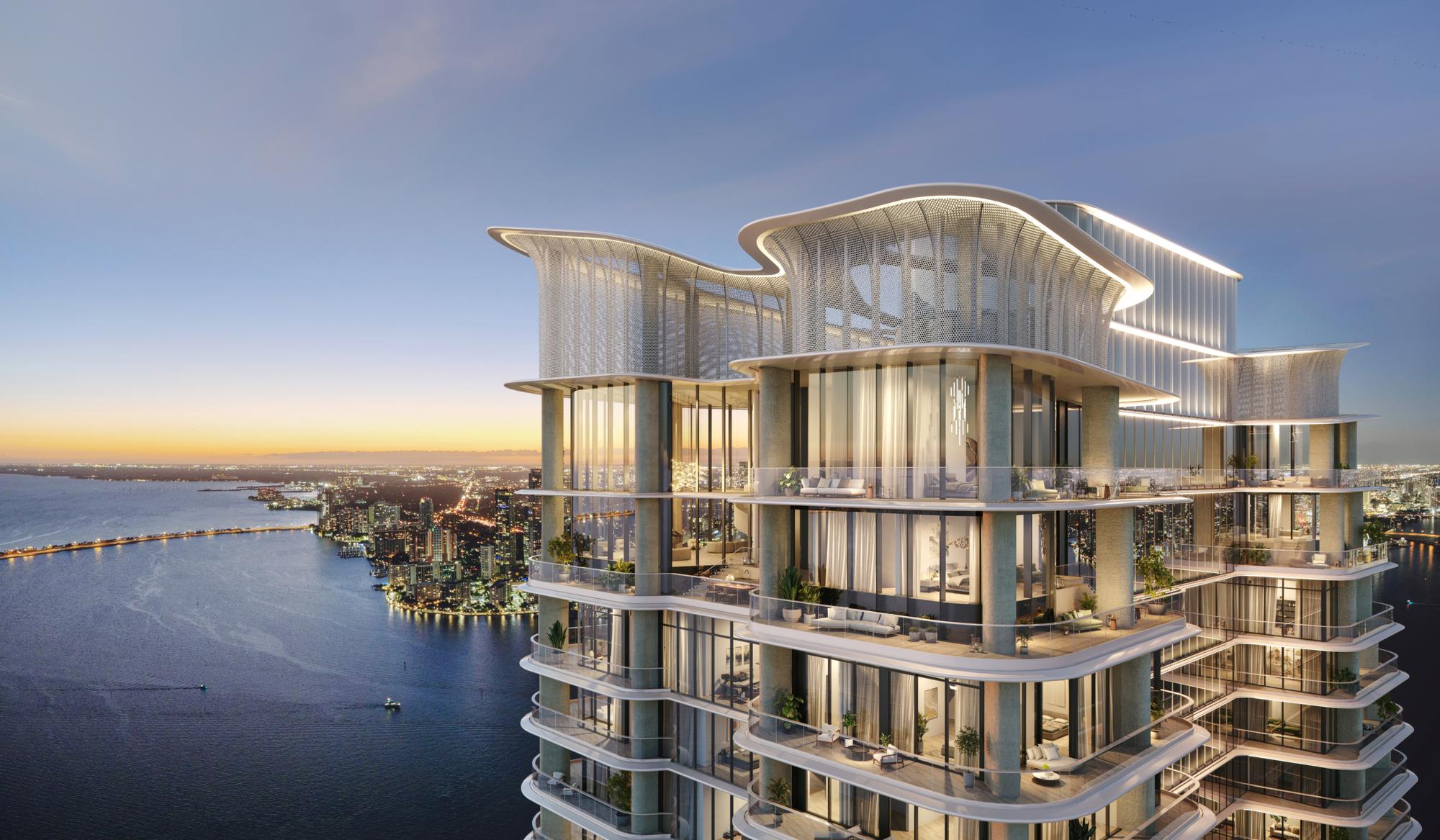
What a Condo Buyout Is
Under Florida law, a condominium can be terminated if 80 percent of unit owners vote in favor — or in some circumstances 75 percent with court approval. Once a supermajority approves termination, the remaining owners can be bought out at a court-determined fair market value. Developers use this mechanism to acquire entire buildings in locations where vacant land is no longer available at viable prices.
The process is slower and more complex than a traditional land acquisition, but for buildings in neighborhoods like Brickell Key, Sunny Isles Beach, or Miami Beach — where oceanfront or bayfront land simply does not exist in meaningful quantities — it is the primary remaining path to new ultra-luxury development.
The Transactions Defining the Trend
In 2024, Related Group, Dezer Development, and BH Group completed a $132 million buyout of an oceanfront condominium complex in Sunny Isles Beach. The building was acquired in its entirety and will be redeveloped as a new luxury tower. The per-unit value of approximately $1M per unit represented a significant premium to owners of what had been a mid-tier building.

In April 2026, The Real Deal reported that Related Group and Terra Group are in active negotiations to acquire the St. Louis building at 800 Claughton Island Drive on Brickell Key — a 134-unit building adjacent to Swire Properties’ Mandarin Oriental development site. Sources indicated a valuation of approximately $1.5M per unit, or roughly $200 million for the building. If completed, this would be the first condo redevelopment on Brickell Key since the island’s original development decades ago.
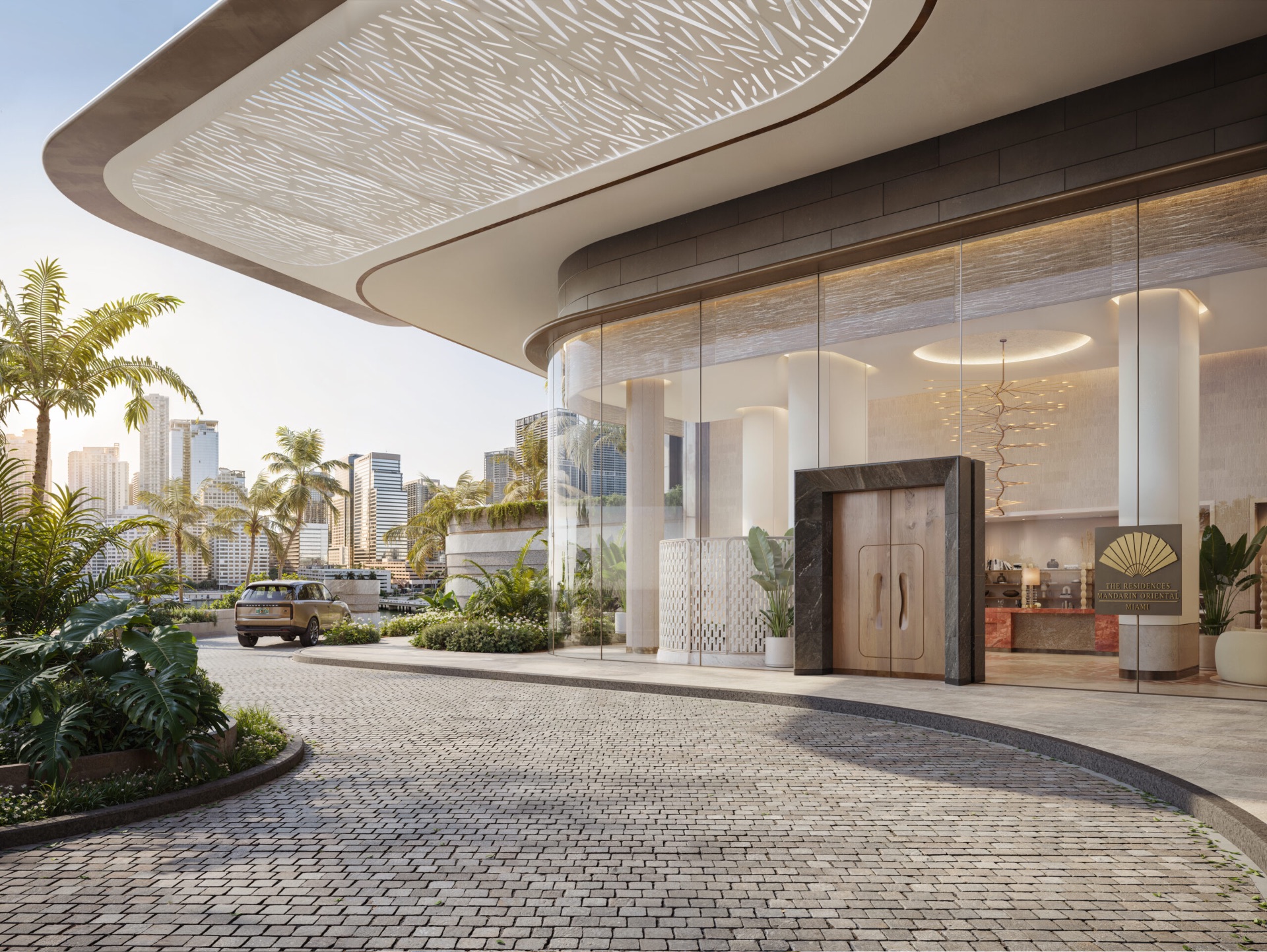
Meanwhile, Swire Properties itself imploded the former Mandarin Oriental Hotel on Brickell Key in April 2026 to clear the site for its two-tower ultra-luxury residential project — illustrating how even relatively recent buildings are now being removed to make way for the next generation of product.
What This Means for New Development Buyers
For buyers purchasing in new developments on Brickell Key, Sunny Isles Beach, or other prime waterfront locations, the buyout wave is a relevant medium-term signal. The neighborhoods surrounding today’s new developments are likely to see aging 1990s and 2000s buildings gradually replaced by ultra-luxury product over the next 10 to 20 years. This tends to support values in newly delivered buildings in those neighborhoods over the long term, as the overall quality of the residential fabric rises.
Buyers should not overweight this as a near-term investment thesis — real estate cycles are long and individual project outcomes depend on many factors beyond neighborhood composition. But it is relevant context when evaluating why developers like Related, Dezer, and Swire are continuing to invest heavily in locations like Brickell Key and Sunny Isles Beach rather than moving to cheaper greenfield sites.

What This Means for Existing Condo Owners
For owners of existing buildings in prime South Florida locations, particularly those built before 2000, the buyout landscape is increasingly relevant. Buildings facing mandatory structural inspections under Florida’s condo safety law, combined with rising insurance costs and aging infrastructure, may become more receptive to buyout offers than they were a decade ago. Owners who receive a buyout approach should consult a real estate attorney before engaging — the negotiation dynamics in a buyout are different from a standard resale and owner protections under Florida law are specific.
This article is editorial in nature and does not constitute legal advice. Buyers and owners should consult a qualified Florida real estate attorney regarding specific transactions.
Need details on these residences?
Our advisory team can share current information on the projects referenced in this guide.
Speak With an Advisor →