Rivage Bal Harbour vs. Four Seasons Residences at The Surf Club: The North Shore Showdown
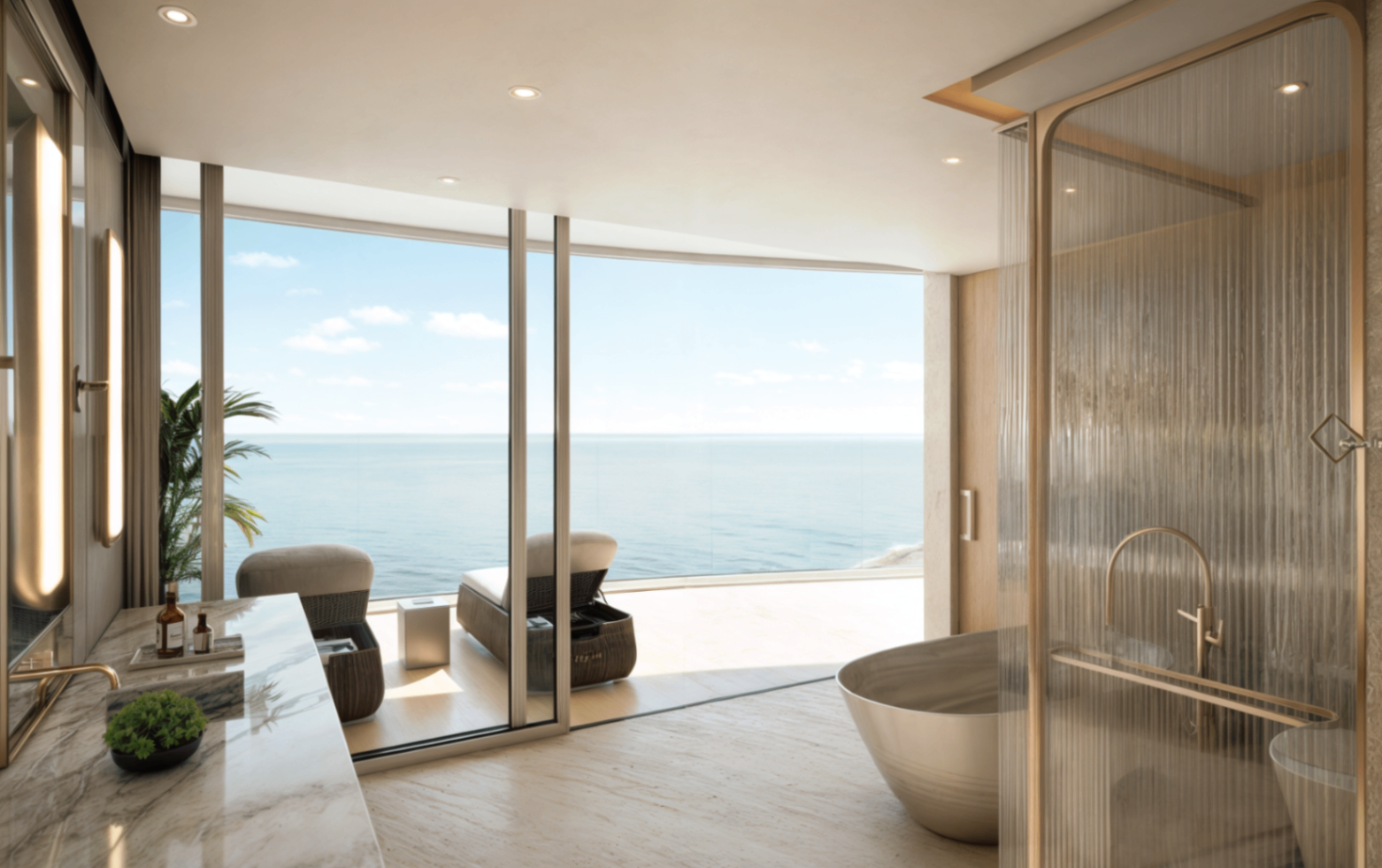
On Miami Beach’s northern shoreline — the stretch of Atlantic coast running from Surfside through Bal Harbour — two buildings define the absolute ceiling of the ultra-luxury residential market with different architectural philosophies, different brand associations, and different ownership communities. Rivage Bal Harbour and Four Seasons Residences at The Surf Club are the buildings serious collectors of real estate compare first when considering this corridor. Understanding what distinguishes them is essential for any buyer evaluating this market.
Four Seasons Residences at The Surf Club: The Established Standard
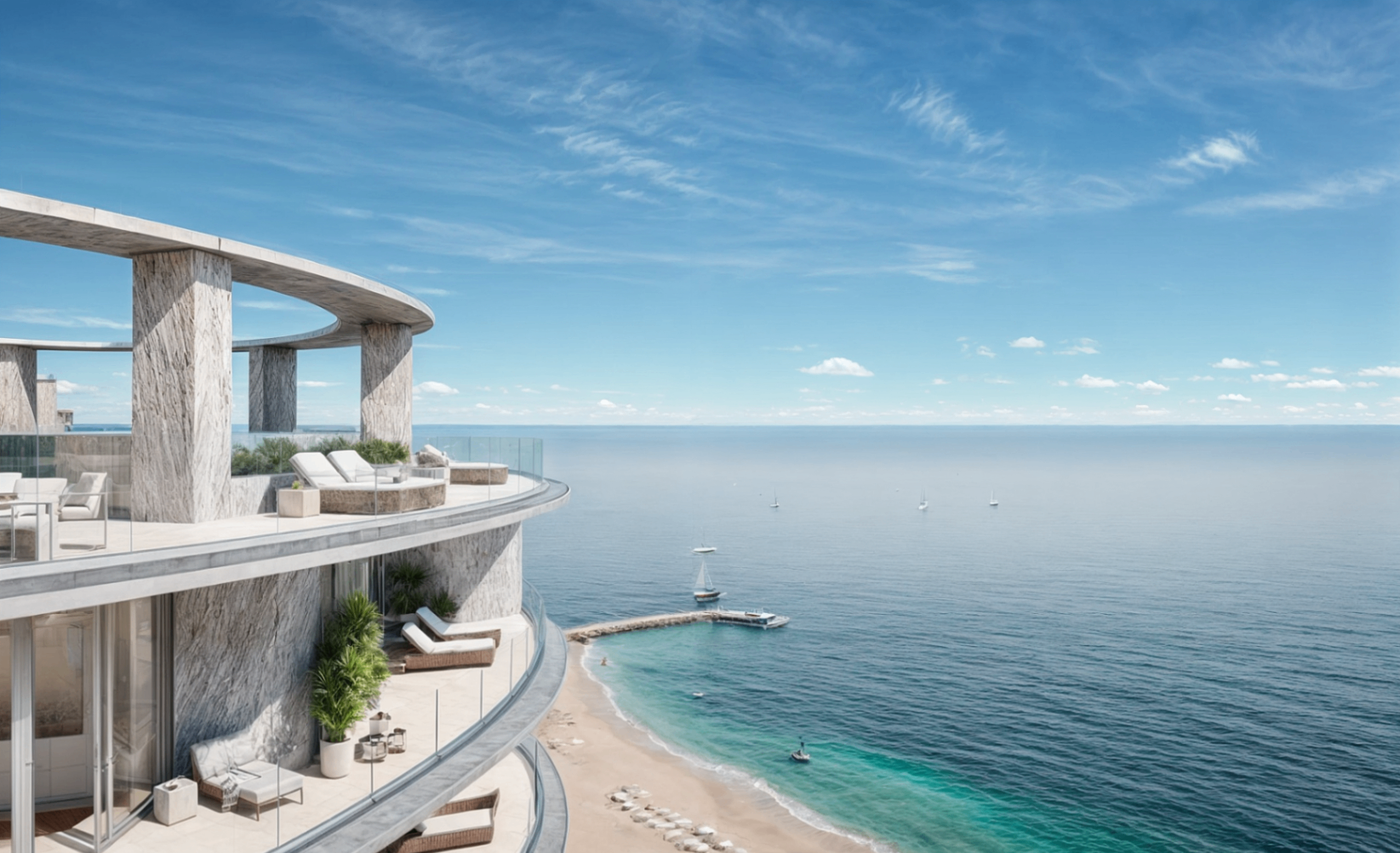
Four Seasons Residences at The Surf Club in Surfside delivered in 2017 and has spent seven years establishing itself as the most architecturally significant and culturally resonant residential address on Miami’s northern shoreline. The building was designed by Richard Meier — the Pritzker Prize-winning architect whose white modernist canon includes the Getty Center in Los Angeles, the Barcelona Museum of Contemporary Art, and the Jubilee Church in Rome — and the design is unmistakably Meier: horizontal white planes, studied use of natural light, the geometric rigor that has characterized his work for 50 years.
The Surf Club itself — the historic private club founded in 1930 that anchored the Miami Beach social scene for decades, hosting Frank Sinatra, Winston Churchill, and the Kennedy family — provides the project’s cultural backstory. Developer Related Companies preserved and restored the original 1930 Schultze & Weaver-designed clubhouse as the project’s centerpiece, creating a hospitality complex that includes the Four Seasons Hotel, two Thomas Keller restaurants, and private club facilities alongside the residential towers.
This layering of architectural legacy (Meier), cultural history (The Surf Club’s 90-year social narrative), culinary prestige (Thomas Keller), and Four Seasons service creates a residential product of unusual depth that purely new-construction buildings cannot replicate.
Pricing: Four Seasons Residences at The Surf Club resale pricing ranges from approximately $3,000–$5,500+ PSF depending on floor, orientation, and unit type. The building has held its value with exceptional consistency through multiple market cycles.
Rivage Bal Harbour: The New Standard
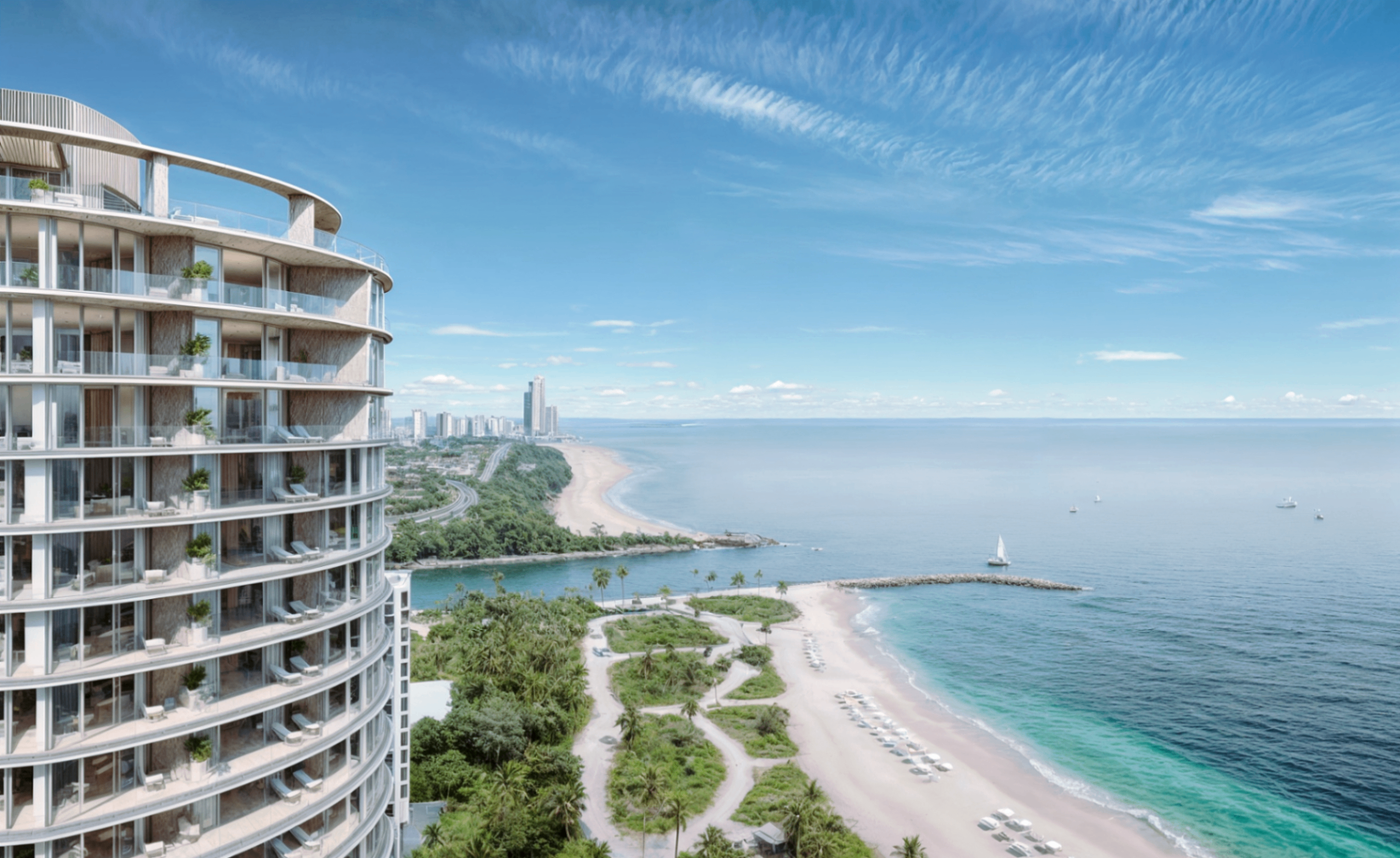
Rivage Bal Harbour is the beachfront development site in Bal Harbour — a fact that the building’s developer, Related Group, has centered in its marketing because it is simply true and its implications are permanent. Bal Harbour is a small municipality of intense luxury density: Bal Harbour Shops (one of the world’s highest-grossing luxury retail destinations per square foot) and a tightly controlled residential character that has produced one of the most supply-constrained luxury real estate markets in Florida.
When the final beachfront site delivers as Rivage, the supply equation for Bal Harbour oceanfront is permanently closed. There will be no more new oceanfront development in the municipality. This is a structural value argument that requires no market prediction or trend analysis — it is a function of geography.
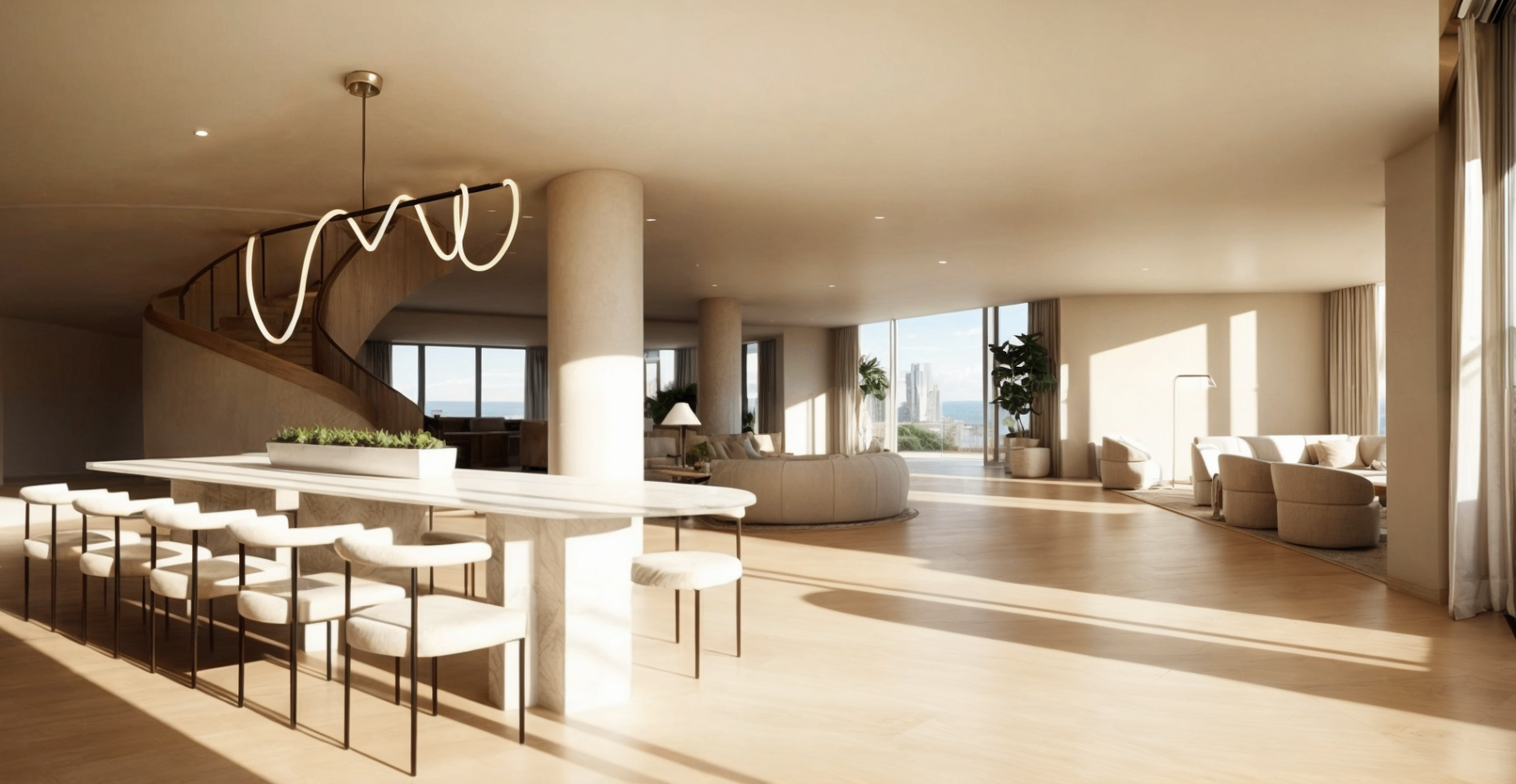
Rivage was designed by Skidmore, Owings & Merrill (SOM) — the global architecture and engineering firm whose portfolio includes the Burj Khalifa in Dubai, One World Trade Center in New York, and the John Hancock Center in Chicago. SOM’s involvement represents a different architectural ambition than Meier’s approach at The Surf Club: where Meier worked in an established personal idiom refined over 50 years, SOM approached the Rivage commission as a site-specific design problem, producing a building form driven by the last Bal Harbour oceanfront site’s specific position, orientation, and relationship to the Atlantic.
Interiors are by Rottet Studio — the Los Angeles and New York-based firm led by Lauren Rottet, one of America’s most respected luxury residential and hospitality interior designers.
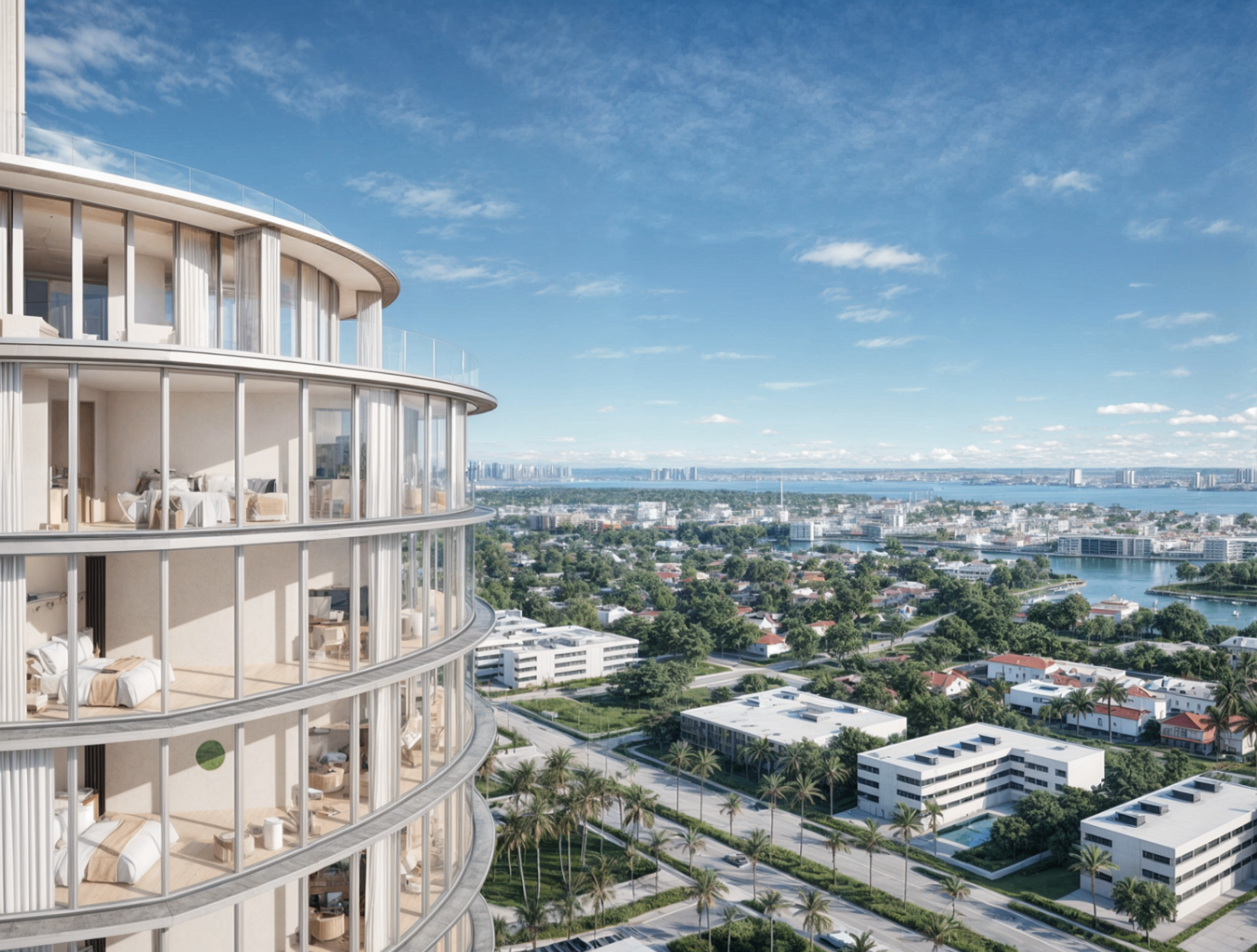
Pricing: Rivage Bal Harbour starts at approximately $10 million, making it one of the most expensive new development buildings in all of Florida on a per-unit entry basis. Penthouses and large-format residences are priced from $40 million to $75 million.
The Comparison: Architecture, Brand, Price, and Community
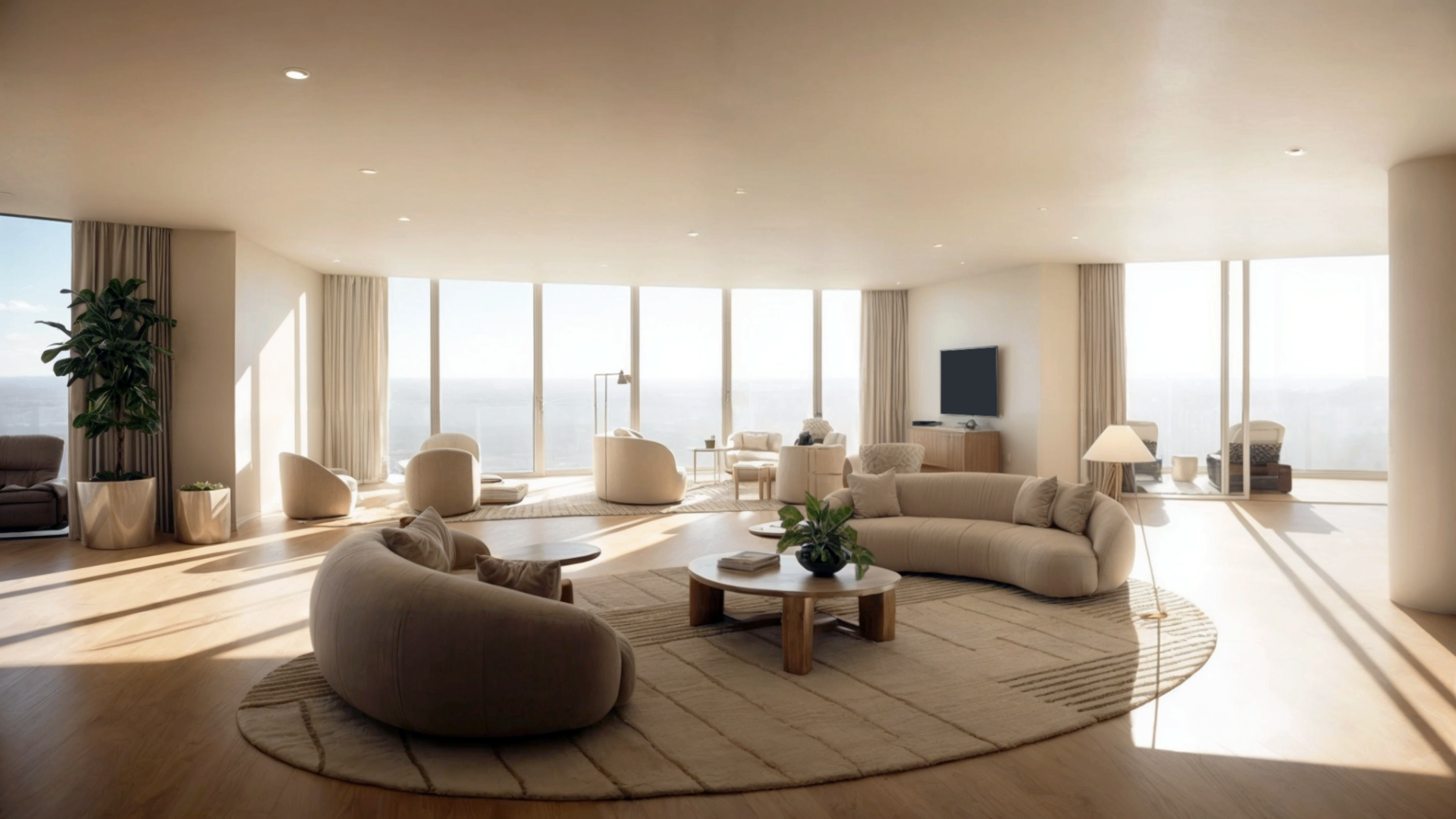
Architecture: SOM (Rivage) vs. Meier (Surf Club). Both are globally recognized firms; SOM is larger and more technically ambitious; Meier’s is more personally distinctive and art-historically significant. Architecture enthusiasts will debate these forever; both buildings are genuinely exceptional.
Brand: Four Seasons (Surf Club) vs. no hospitality brand (Rivage). The Four Seasons service infrastructure at The Surf Club is a meaningful daily amenity; Rivage’s Related Group management will deliver luxury residential service without a hotel brand overlay. Buyers who prioritize brand recognition choose The Surf Club; buyers who prioritize pure residential exclusivity without hotel guests or hotel traffic may prefer Rivage’s standalone character.
Price: Rivage is significantly more expensive — $10M+ entry vs. The Surf Club’s $3M+ resale entry. The premium reflects Rivage’s status as the final beachfront site in Bal Harbour, its ultra-boutique unit count, and its SOM architecture.
Community: The Surf Club has a known, established ownership community after seven years of occupancy. Rivage’s community is being formed now — the first owners will set the building’s social character.
Need details on these residences?
Our advisory team can share current information on the projects referenced in this guide.
Speak With an Advisor →