Miami vs West Palm Beach: Which South Florida Market Is Right for Luxury Buyers?
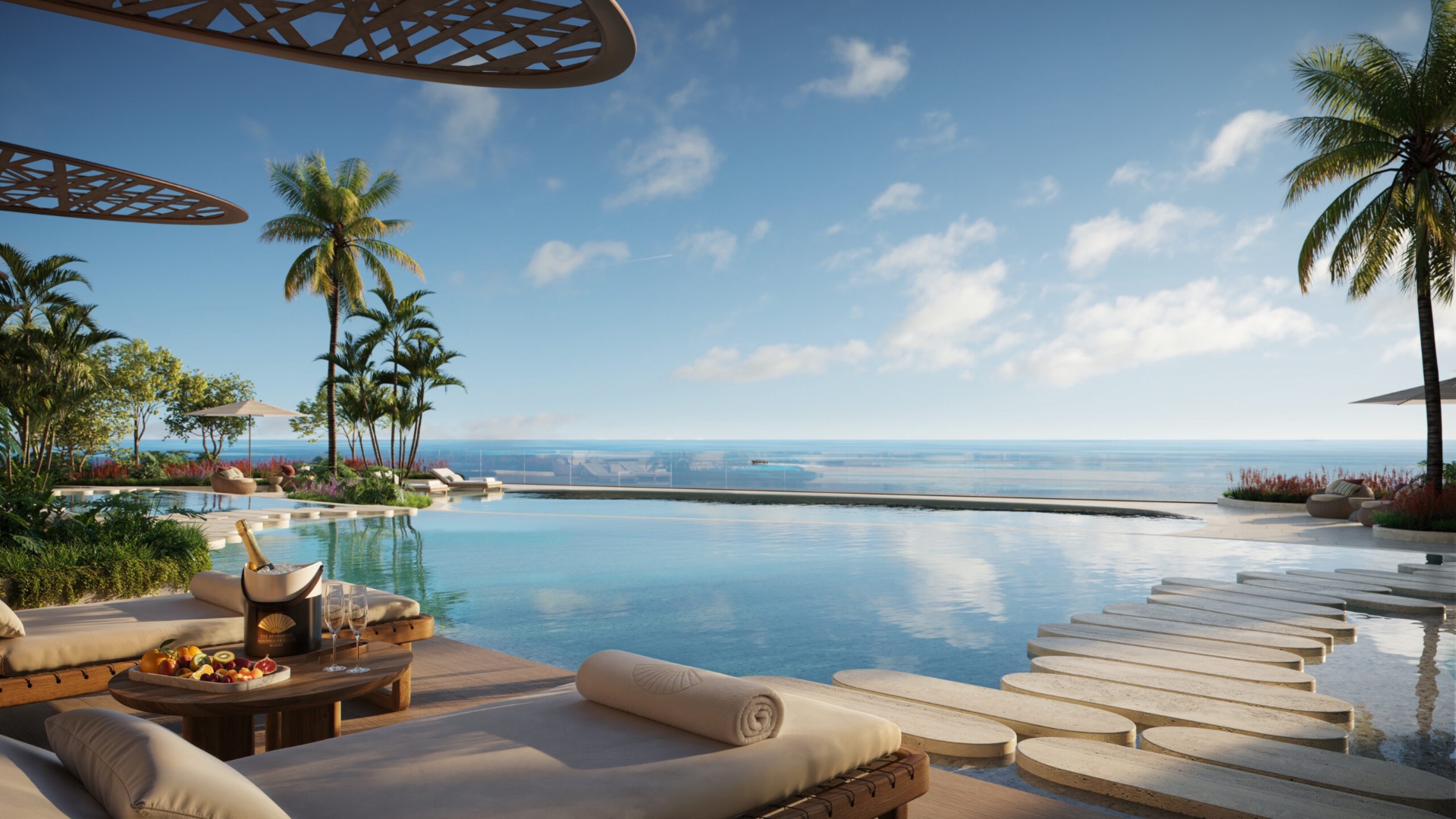
Miami and West Palm Beach are both active luxury new development markets in South Florida, and both have projects from St. Regis, Mandarin Oriental, and Ritz-Carlton in their respective pipelines. But they deliver fundamentally different living experiences, and the buyer profile that fits one does not automatically fit the other.
This comparison covers the key dimensions that matter for buyers evaluating both markets: price, lifestyle, developer activity, brand availability, and the practical differences in daily life.
Price Per Square Foot
Miami’s luxury new development market operates at $1,500 to $6,300 per square foot depending on the building, floor, and view. The $6,300 PSF figure is the record set by Mandarin Oriental Miami penthouse sales in 2026 — the general luxury tier in Brickell and Miami Beach runs $1,500 to $3,500 PSF for non-penthouse residences.
West Palm Beach operates at a different price point. Branded luxury new construction in WPB runs approximately $800 to $2,000 PSF. The Mandarin Oriental West Palm Beach and Ritz-Carlton West Palm Beach are positioned at the top of the market. Mr. C Residences and Banyan Tree offer entry-level branded product from $1.4M and $1.8M respectively. For buyers whose budget in Miami would secure a mid-floor two-bedroom, the same budget in West Palm Beach can reach a larger residence with a stronger view.
Lifestyle Differences
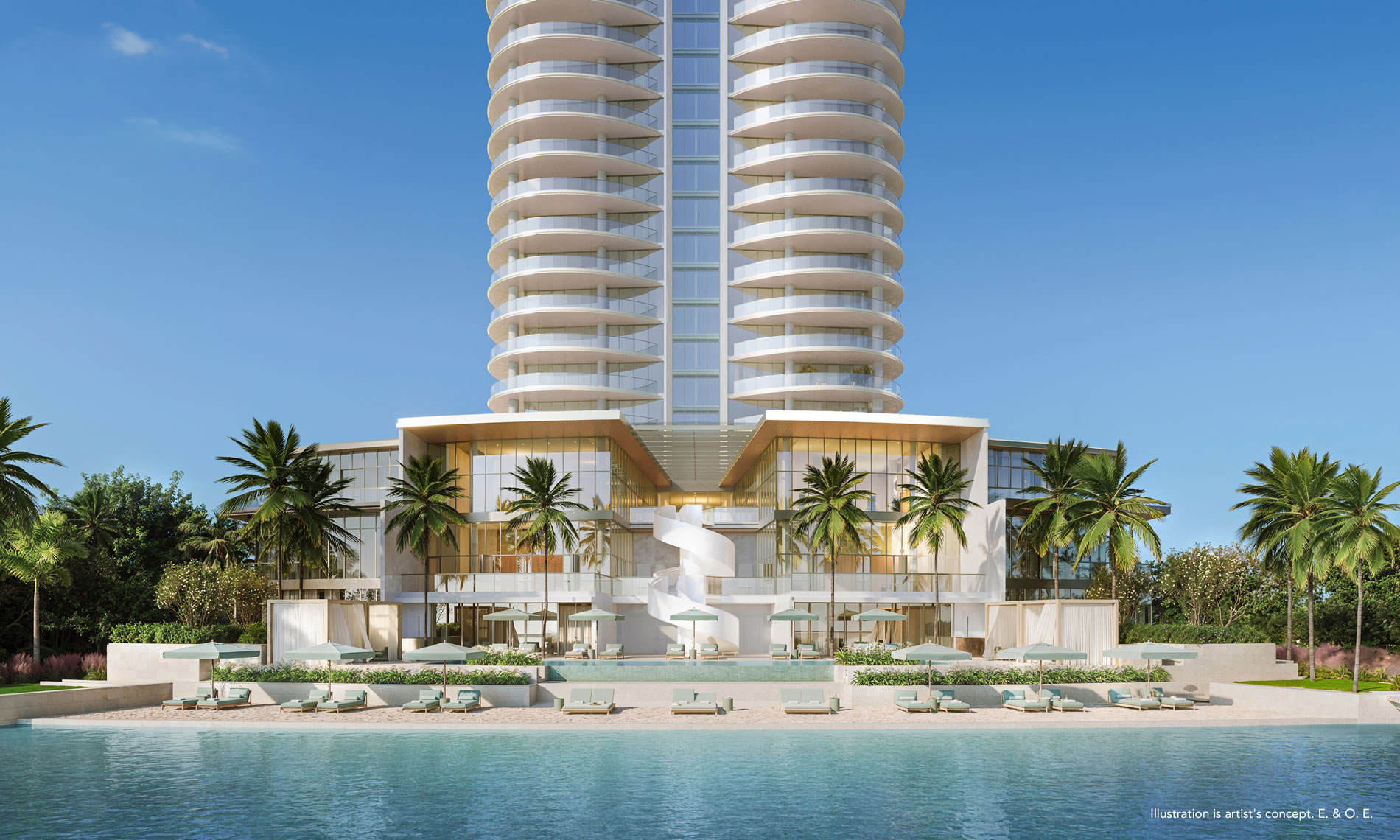
Miami is a 24-hour city with everything that implies: international energy, constant activity, one of the most vibrant restaurant and cultural scenes in the Western Hemisphere, and a density and pace that suits buyers who want to be immersed in an urban environment. Brickell functions as a walkable financial district with hotel-quality residential buildings rising above it. Coconut Grove provides a slower, more neighborhood-scale alternative within 10 minutes.
West Palm Beach is a quieter city with a genuinely different character. The proximity to Palm Beach — the historic barrier island of Flagler-era estates, the Worth Avenue shopping corridor, and one of the most active philanthropy and social calendars in the United States — creates an upper-tier cultural infrastructure that is distinct from Miami’s. The Kravis Center, the Norton Museum, the Breakers Palm Beach, and the winter social season give West Palm Beach access to a kind of formal luxury culture that Miami does not replicate.
Ask About Available Residences at Miami-Dade → · Ask About Available Residences at West Palm Beach →
For buyers who want to be near the action, Miami. For buyers who want proximity to old-money Palm Beach culture with the convenience of a modern luxury condo tower, West Palm Beach.
Developer Activity
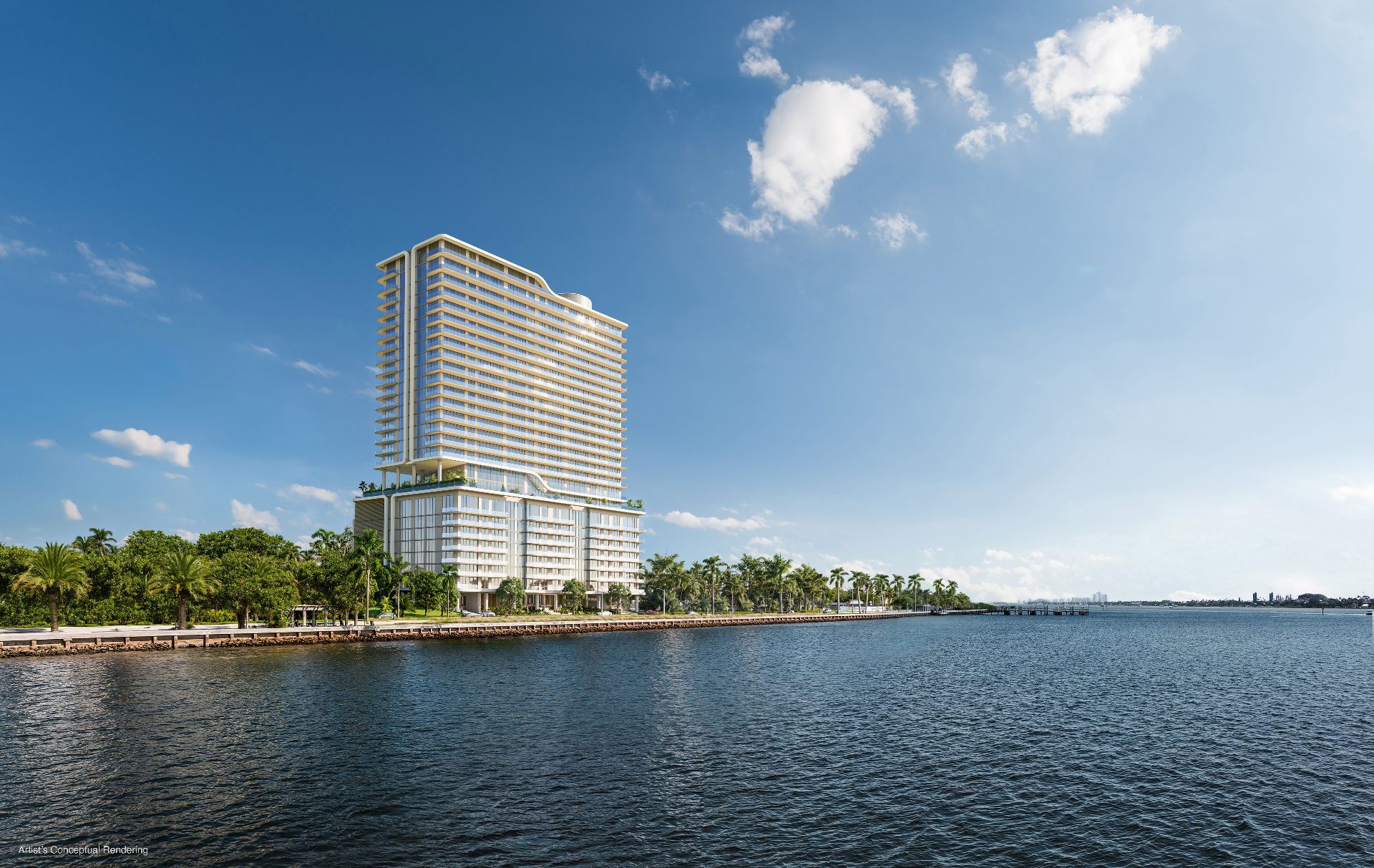
Miami has the more diverse and concentrated developer pipeline. Related Group, Swire Properties, Terra Group, Dezer Development, Fortune International, and Integra Investments are all active simultaneously. West Palm Beach has attracted Related Group (Ritz-Carlton WPB), Terra Group, and boutique developers including Kolter Urban (Maison d’Or at 3705 S. Flagler). The scale of development in WPB is smaller, which means less competing supply on delivery.
Corporate Migration Factor
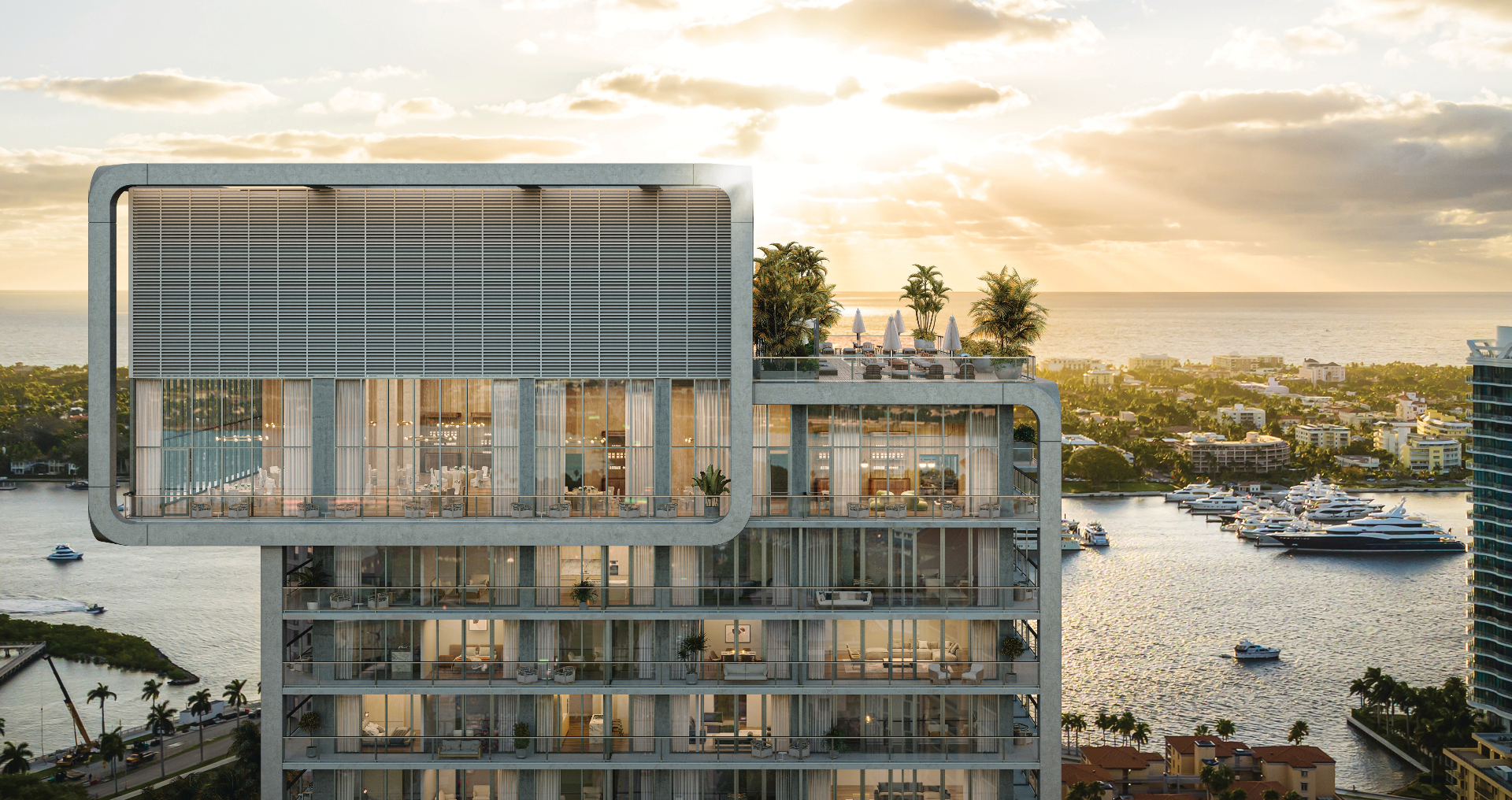
West Palm Beach has been the primary beneficiary of the corporate migration from the Northeast that accelerated after 2020. Hedge funds, private equity firms, family offices, and financial services firms that relocated from New York and Connecticut brought their employees — and their housing demand — with them. This has driven a sustained demand for luxury residential product that the market had not historically experienced. For buyers who are themselves part of this migration or who are buying ahead of it, West Palm Beach’s trajectory over the next decade is relevant context.
Tax, Insurance, and Carrying Costs
Both markets operate under Florida’s zero state income tax. Insurance costs are broadly similar across South Florida, though new construction in both markets benefits from modern construction standards and impact windows that keep rates lower than comparable older buildings. HOA fees in branded buildings are comparable across both markets at the same brand tier.
The Bottom Line
Miami suits buyers who want urban density, the largest selection of branded projects, international energy, and the most active new development pipeline. West Palm Beach suits buyers who want a quieter pace, proximity to Palm Beach culture, more space for the money, and a market with strong corporate migration tailwinds. Neither is objectively superior — the right answer depends entirely on how you want to live.
Pricing, availability, and delivery timelines are subject to change and should be verified with the development team.
Comparing Miami-Dade and West Palm Beach?
Tell us which fits your priorities and our advisory team will follow up with current information — no assumption made about which one you prefer.
Ask About Available Residences at Miami-Dade →Ask About Available Residences at West Palm Beach →