The Foreign Buyer’s Guide to South Florida New Developments
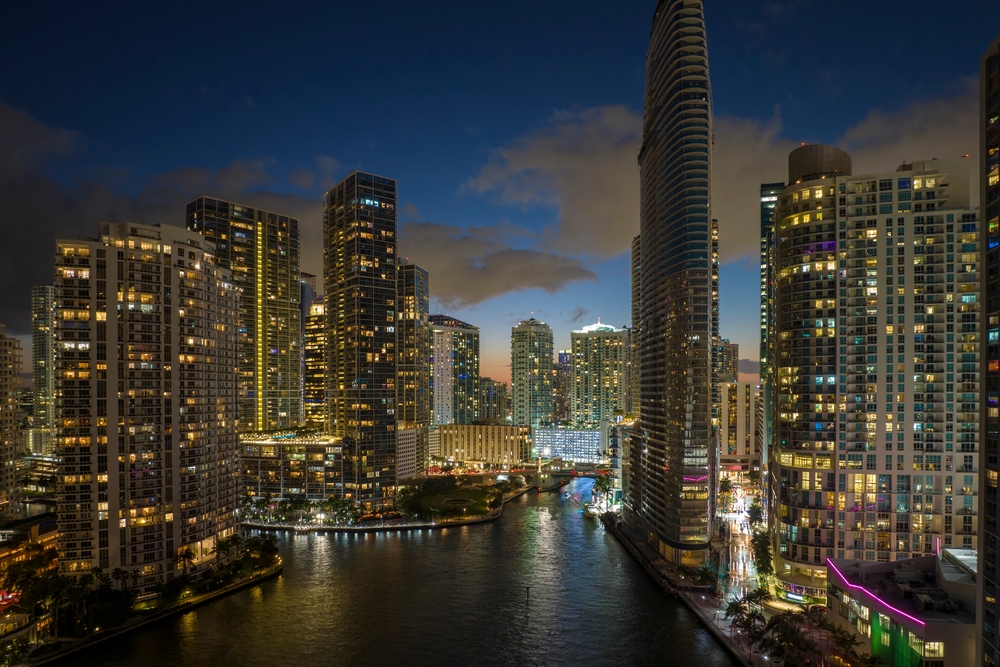
South Florida’s luxury new development market is one of the most internationally accessible real estate markets in the world. Buyers from the United Kingdom, Brazil, Argentina, Colombia, Mexico, Canada, Venezuela, the UAE, and Israel have been purchasing condominiums in Miami, Sunny Isles Beach, and West Palm Beach for decades — and the current branded residence pipeline has intensified that global demand. Understanding how the process works, what costs to expect, and which legal and tax structures to use is essential before signing a purchase contract.
Who Is Buying South Florida New Developments From Overseas?
The buyer composition varies significantly by neighborhood and building. Sunny Isles Beach has historically attracted the highest concentration of Russian, Venezuelan, and Israeli buyers, earning the informal nickname “Little Moscow” in earlier cycles. Brickell draws heavily from Brazil, Argentina, Colombia, and other Latin American markets, as well as increasing numbers of buyers from the Middle East and Europe. Miami Beach appeals broadly to European buyers — particularly from the UK, France, and Germany — who are drawn to the cultural programming, Art Basel, and the neighborhood’s global lifestyle positioning. West Palm Beach is emerging as a primary destination for Northeastern U.S. buyers establishing Florida residency, but international interest is growing as branded projects like Mandarin Oriental and Banyan Tree attract European and Middle Eastern buyers who know those hospitality brands from their home markets.
Can Foreign Nationals Buy Real Estate in Florida?
Yes. Florida imposes no citizenship or residency restrictions on real estate purchases by foreign nationals. A non-U.S. citizen can purchase, own, and sell Florida property freely. There are no FIRPTA exemptions for buyers — only for sellers — and the purchase process is essentially identical to that of a U.S. citizen, with the primary differences occurring at the financing and tax reporting stages.
The one significant restriction worth noting: the Foreign Investment in Real Property Tax Act (FIRPTA) requires that when a foreign national sells U.S. real estate, the buyer must withhold 15% of the gross sales price and remit it to the IRS as a prepayment toward any capital gains tax liability. This is a seller-side obligation, not a buyer-side one, but foreign buyers should understand it as it affects their future exit planning.
Additionally, Florida passed legislation in 2023 (SB 264) restricting property purchases by citizens of specific countries — China, Russia, Iran, North Korea, Cuba, Venezuela, and Syria — within 10 miles of military installations or critical infrastructure. Most South Florida luxury residential developments are not within the restricted zones, but buyers from those countries should confirm specific project eligibility with legal counsel before executing a purchase contract.
How to Finance a South Florida Condo as a Foreign National
Foreign national financing is available in South Florida from both U.S. domestic lenders and international banks, though terms differ substantially from those offered to U.S. citizens.
Down payment requirements: Most foreign national loan programs require a minimum 30–40% down payment, compared to 5–20% for conventional U.S. buyer financing. Some private banks and international lenders require 50% down for non-resident buyers.
Documentation: Lenders typically require a passport, proof of income (two years of tax returns or financial statements from the home country), a bank reference letter, and evidence of the source of down payment funds. Anti-money laundering compliance documentation has become increasingly rigorous since 2020 and is non-negotiable at reputable institutions.
Lender options: City National Bank (now Valley National), BCI (Chile), Itaú Private Bank, Safra Bank, and several international private banks all have robust foreign national mortgage programs in South Florida. Interest rates for foreign national loans typically run 0.25–1.0% above comparable U.S. citizen loan rates.
Cash purchases: A significant portion of South Florida new development purchases — particularly at the luxury tier above $3 million — are all-cash. Cash purchases simplify the closing process substantially and remove the lender’s underwriting timeline from the equation.
The Purchase Process: Step by Step for International Buyers
Step 1 — Reserve and execute the purchase contract. New development purchases begin with a reservation agreement and deposit — typically 10% of the purchase price — upon signing the purchase and sale agreement. The developer provides a Condominium Document Package (the “condo docs”) which the buyer has a statutory review period to examine before the contract becomes binding.
Step 2 — Additional deposits during construction. Most South Florida new development contracts require additional deposits at construction milestones — typically 10–20% at groundbreaking, 10–20% at structure completion, with the remaining balance due at closing. Buyers should ensure their capital is accessible and convertible to USD at each milestone without currency conversion delays.
Step 3 — Foreign bank wire and FINCEN compliance. All deposits and the closing balance must be wired from a verifiable bank account in the buyer’s name. Developers and title companies are required to report cash transactions and verify the source of funds under FinCEN geographic targeting orders (GTOs) that apply to high-value real estate purchases in Miami-Dade, Broward, and Palm Beach counties.
Step 4 — Closing. Closing typically occurs within 30–60 days of the building receiving a Certificate of Occupancy. Foreign buyers can close remotely via a Power of Attorney executed before a notary in their home country, though the POA document must typically be apostilled and translated if not in English.
Tax Considerations for Foreign Buyers
Property tax: All Florida real estate owners — regardless of citizenship — pay property tax annually. In Miami-Dade County, the effective property tax rate on luxury condominiums typically runs 1.8–2.2% of assessed value. The Homestead Exemption (which reduces assessed value by $50,000 and caps annual assessment increases at 3%) is only available to Florida residents who use the property as their primary residence.
ITIN: Foreign nationals who own U.S. real estate should obtain an Individual Taxpayer Identification Number (ITIN) from the IRS for tax reporting purposes. Rental income from U.S. real estate is taxable in the United States regardless of the owner’s country of residence.
Estate planning: Foreign nationals who own U.S. real estate are subject to U.S. estate tax on the value of U.S. assets above $60,000 (compared to the $13.6 million exemption for U.S. citizens). This makes holding U.S. real estate in a properly structured LLC, foreign corporation, or trust critically important for international buyers from an estate planning perspective. Buyers should engage a U.S. tax attorney experienced in international estate planning before closing.
FATCA: The Foreign Account Tax Compliance Act requires U.S. financial institutions to report accounts held by foreign nationals. Buyers should discuss FATCA implications with their home country financial advisors, particularly if they are citizens of countries with tax information sharing agreements with the United States.
The Best South Florida Markets for International Buyers in 2026
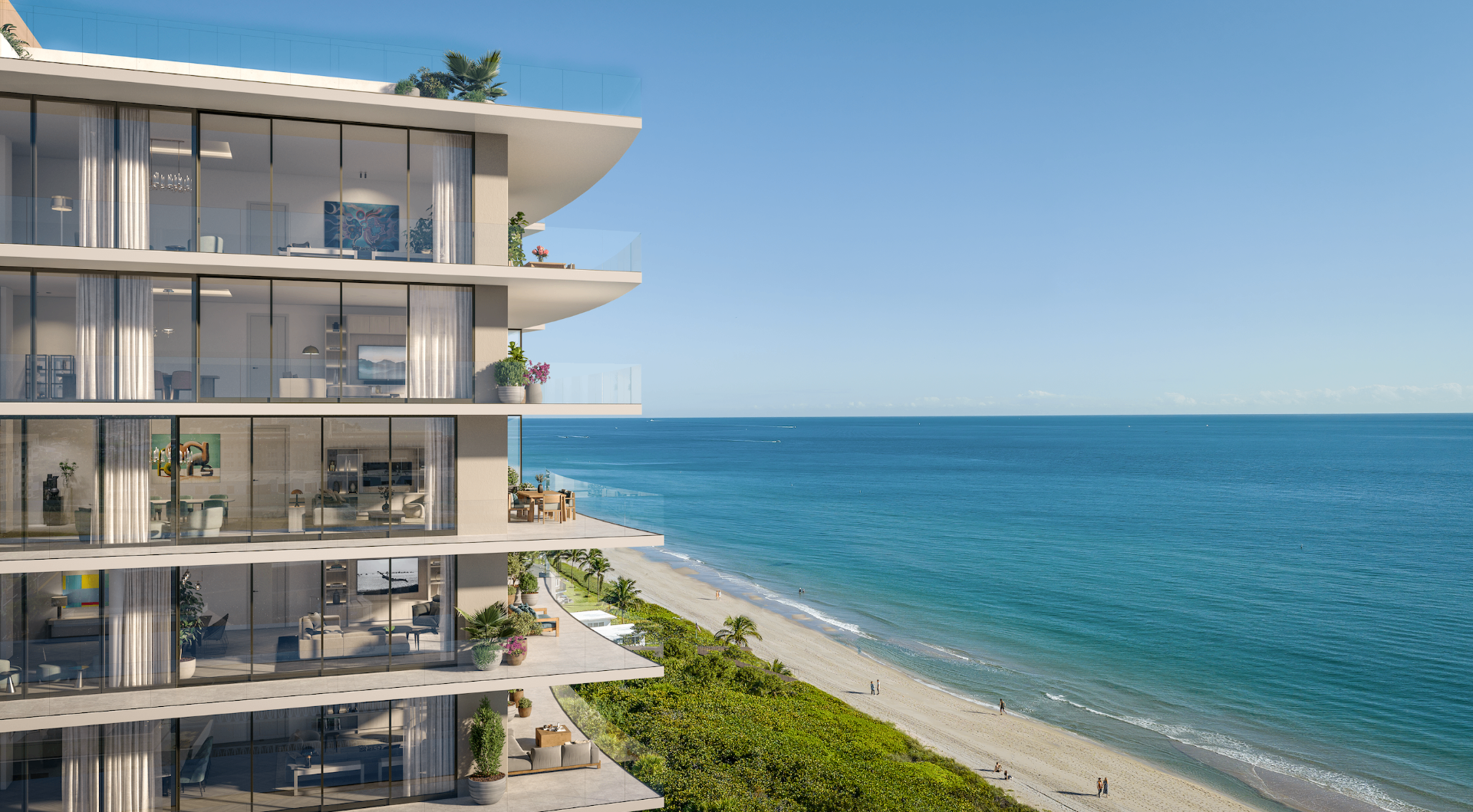
Sunny Isles Beach remains the most internationally established market — deep resale liquidity, high concentration of foreign ownership, strong established service ecosystem for non-resident owners, and the highest density of branded oceanfront towers in South Florida. Bentley Residences and St. Regis Residences Sunny Isles are the most anticipated current projects.
Brickell/Miami offers the strongest rental demand fundamentals for buyers who want income-generating potential alongside lifestyle use. The urban environment, proximity to the financial district, and global-city positioning attract the broadest international buyer pool.
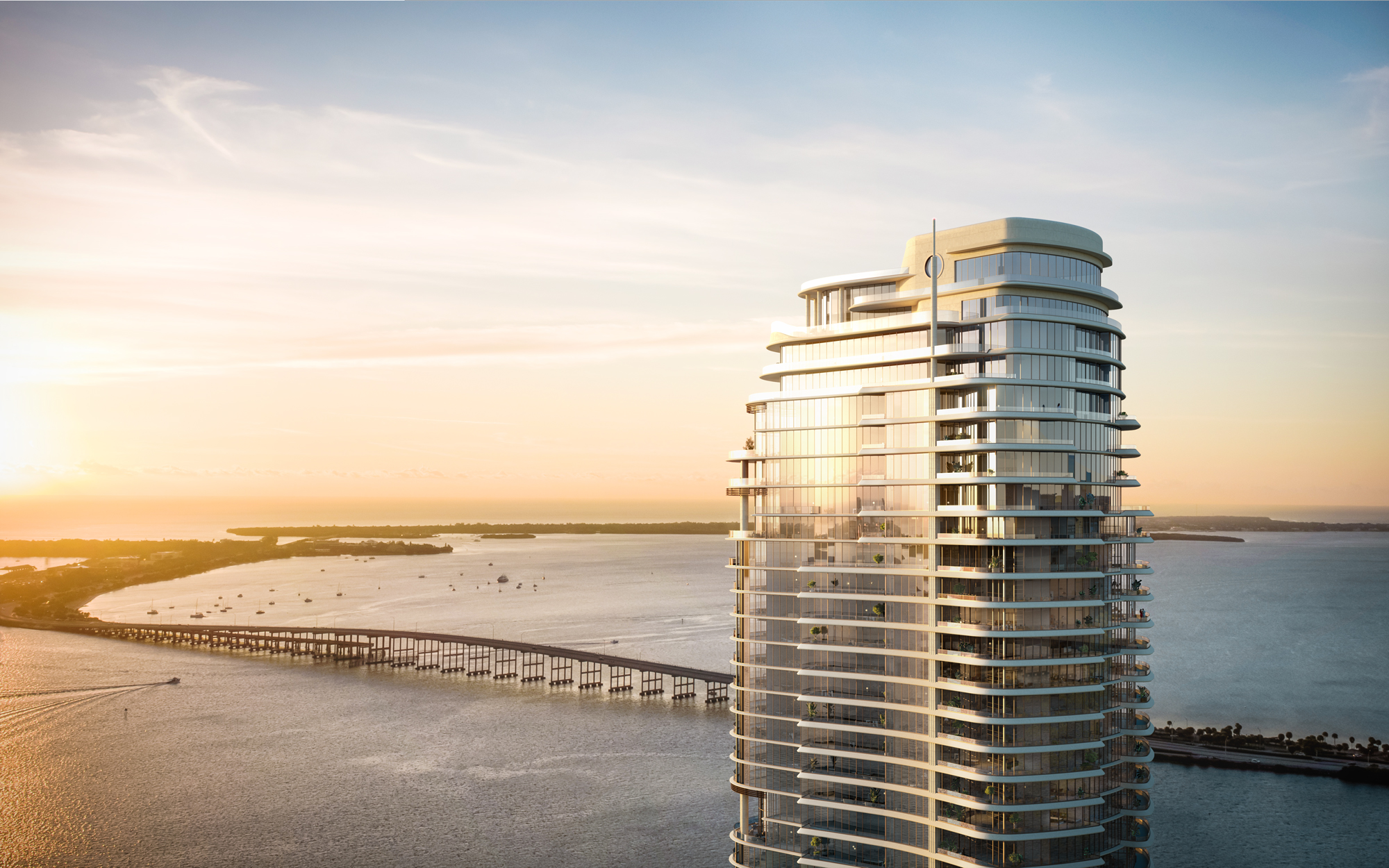
West Palm Beach is the emerging market with the highest upside for international buyers entering in the current cycle. Pricing remains significantly below comparable branded product in Miami; the city’s cultural and infrastructure investment is accelerating; and the Mandarin Oriental, Banyan Tree, and Ritz-Carlton projects are already familiar brand names to European and Middle Eastern buyers.
Need details on these residences?
Our advisory team can share current information on the projects referenced in this guide.
Speak With an Advisor →