The Lock-and-Leave Buyer’s Guide to South Florida: Which Buildings Actually Deliver
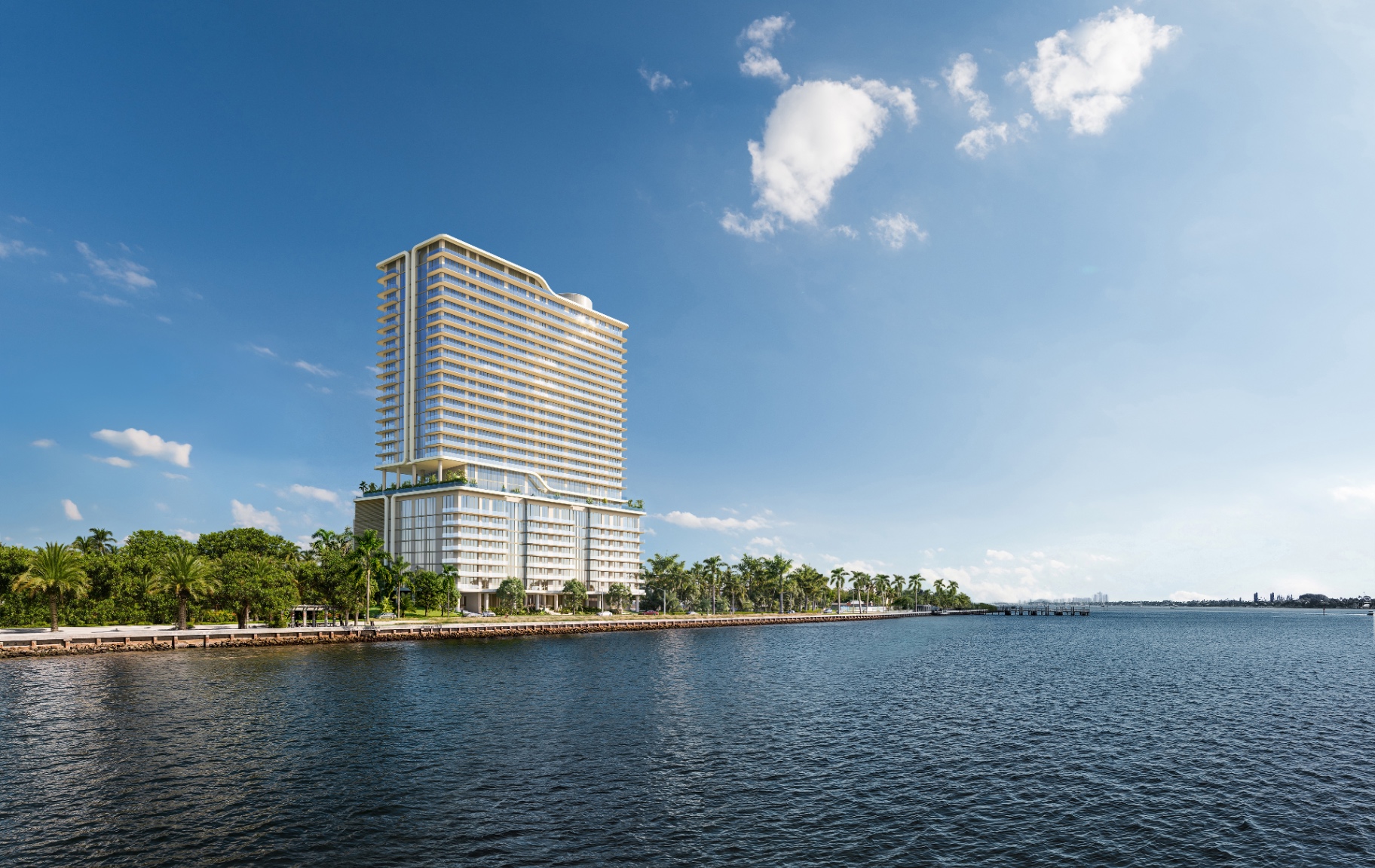
“Lock-and-leave” is the most frequently used phrase in South Florida second-home luxury marketing — and the most frequently misrepresented. Every building with a concierge desk claims to be lock-and-leave ready. Very few actually deliver the operational experience that allows a buyer to close the door in February and return in December to find everything exactly as they left it.
The lock-and-leave buyer — typically a second-home purchaser who will spend 30–90 days per year in residence and needs the building to manage itself completely during their absence — has more demanding operational requirements than a full-time resident. When you are present, service failures are immediately visible and correctable. When you are absent for months, they accumulate invisibly.
What Lock-and-Leave Actually Requires
Unit management during absence: The operational foundation of a genuine lock-and-leave experience is the building’s ability to monitor and maintain your specific unit while you are away — not just the common areas. This means: HVAC system monitoring (South Florida’s humidity will produce mold in an unventilated, air-conditioning-off unit within weeks); plumbing inspection (water leak detection and response before a minor issue becomes a $200,000 claim); visual inspection on a regular schedule; and package and mail management.
Most buildings do not offer this as a standard service. Buildings that do typically charge for it as an optional service package above the base HOA. Buyers should ask specifically: does the building offer a unit monitoring and maintenance program? What does it include? What does it cost?
Security and access management: A lock-and-leave buyer frequently needs to grant building access to visitors (family members coming for a stay), service providers (interior designers, move-in assistance, housekeeping), and building management staff — without being physically present to coordinate. Buildings with sophisticated building access systems — keycard management, digital guest access, camera monitoring, visitor management logs — enable this. Buildings without these systems require the owner to be present or to physically hand keys to a local property manager.
Rapid response to emergencies: When a water heater fails at 2 AM in February while the owner is in New York, the building management team must be able to identify the problem, access the unit, mitigate the damage, and notify the owner — all without requiring the owner’s immediate local presence. This requires 24-hour on-site building maintenance capability and clear emergency access protocols. Most buildings have this capability in theory; the quality of the response depends on staffing levels and the competence of the on-site team.
Hassle-free arrival experience: The lock-and-leave buyer’s arrival experience — stepping off a plane from New York or London, entering the building, and finding everything working, clean, and ready — is the moment of truth. The unit should be at the right temperature. The pantry should be stocked if a grocery delivery was arranged. The valet should know to expect a specific car. None of this happens without building systems and staff that treat the owner’s arrival as a managed event rather than a random occurrence.
The Buildings That Actually Work for Lock-and-Leave
Top tier — genuine lock-and-leave capability:
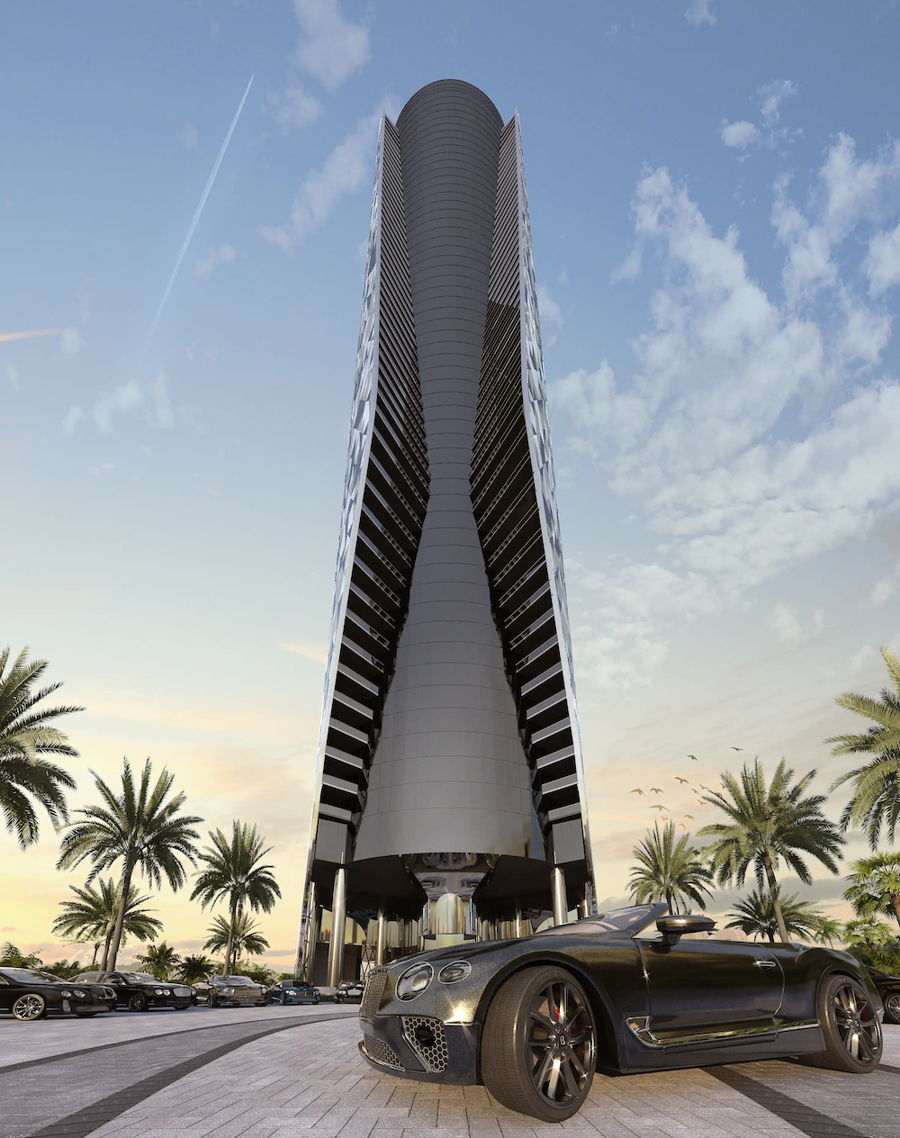
Sunny Isles Beach branded towers (Bentley Residences, The St. Regis Residences, Sunny Isles Beach): Sunny Isles Beach has the highest concentration of non-resident owners of any South Florida submarket. The buildings have evolved to serve this community: unit monitoring programs, concierge-managed arrival protocols, grocery pre-stocking, HVAC system monitoring, and rapid emergency response are standard expectations rather than premium upgrades.

Four Seasons Private Residences Coconut Grove and Surfside: Four Seasons’ global residential philosophy explicitly designs for the second-home owner who is not in residence most of the year. The brand’s residential management protocols include unit monitoring, arrival protocols, and the full Four Seasons service infrastructure functioning whether the owner is present or not.
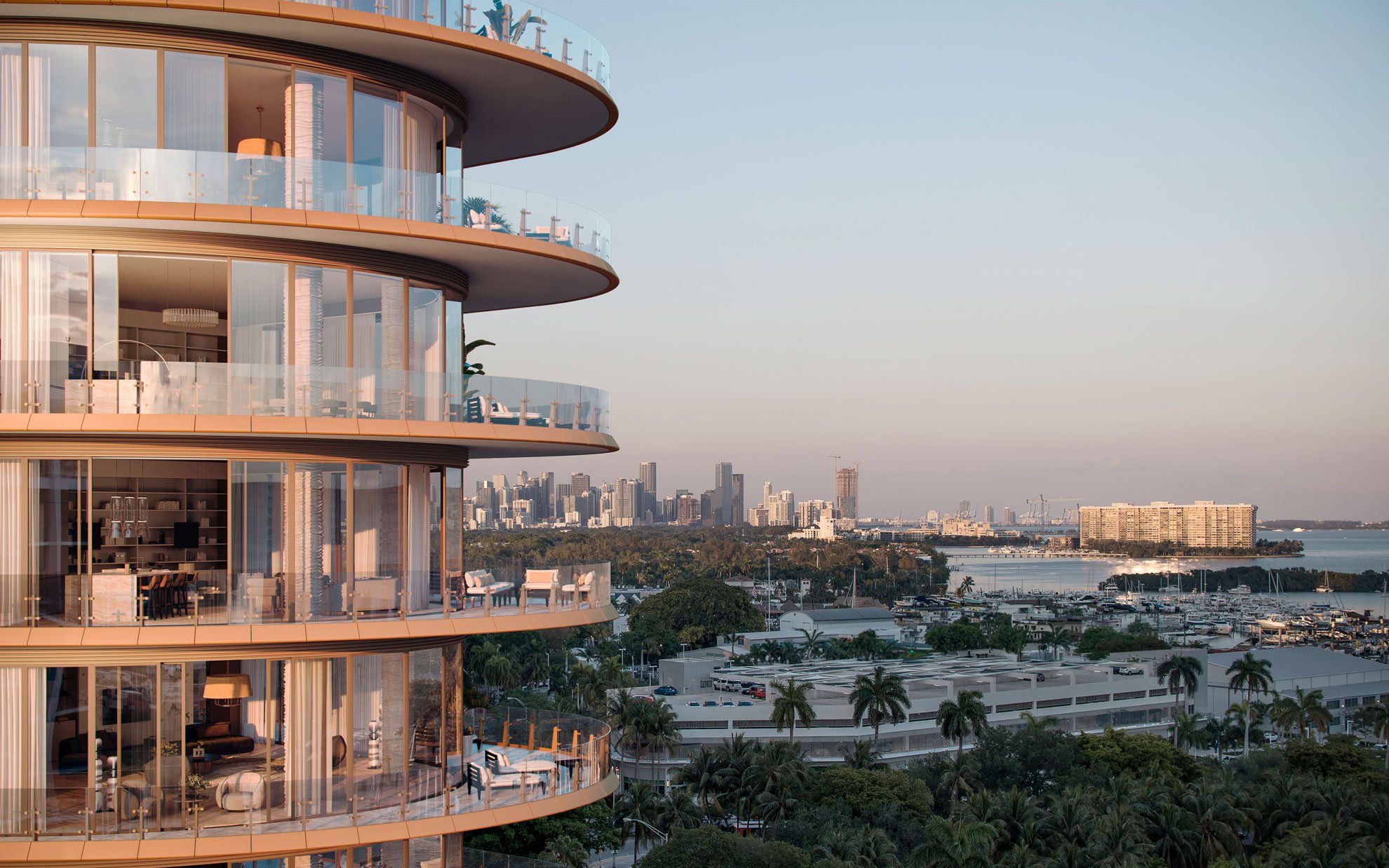
Ritz-Carlton Residences West Palm Beach: The Ritz-Carlton’s operational philosophy — anticipatory service, proactive management, pride in resolution — translates directly into the lock-and-leave context. The building’s West Palm Beach Intracoastal positioning attracts a high proportion of seasonal owners who are not full-time residents.
Middle tier — competent but with gaps: Non-branded buildings with professional property management can provide adequate unit monitoring and arrival coordination if the owner engages a local property manager in addition to the building’s own services. More manual coordination required; fewer built-in protocols.
Bottom tier — lock-and-leave in name only: Older non-branded buildings with minimal concierge coverage and no unit monitoring program. The owner is effectively managing the unit remotely through multiple vendors. Not a genuine lock-and-leave product regardless of marketing claims.
The Most Common Lock-and-Leave Disappointments
HVAC monitoring: The most common issue in absent South Florida luxury units is air conditioning failure combined with high humidity — a combination that produces mold growth within 2–3 weeks. Many buildings do not proactively monitor unit HVAC systems; they respond to alarms after the fact.
Water leak detection: Water intrusion from plumbing failures, roof penetration, or HVAC condensate is the most expensive unit damage category in South Florida luxury buildings. Buildings with smart water leak sensors in every unit and building management access to real-time leak alerts are meaningfully superior to buildings that depend on a neighbor reporting water coming through their ceiling.
Guest access management: The most frequent operational friction for lock-and-leave buyers is coordinating building access for guests, family members, and service providers without being physically present. Buildings that have not invested in digital access management systems — or whose staff is inflexible about access protocols — create friction that undermines the freedom the second-home model is supposed to provide.