The Fouquet’s Patisserie and What Parisian Hospitality Culture Means in a Miami Residence
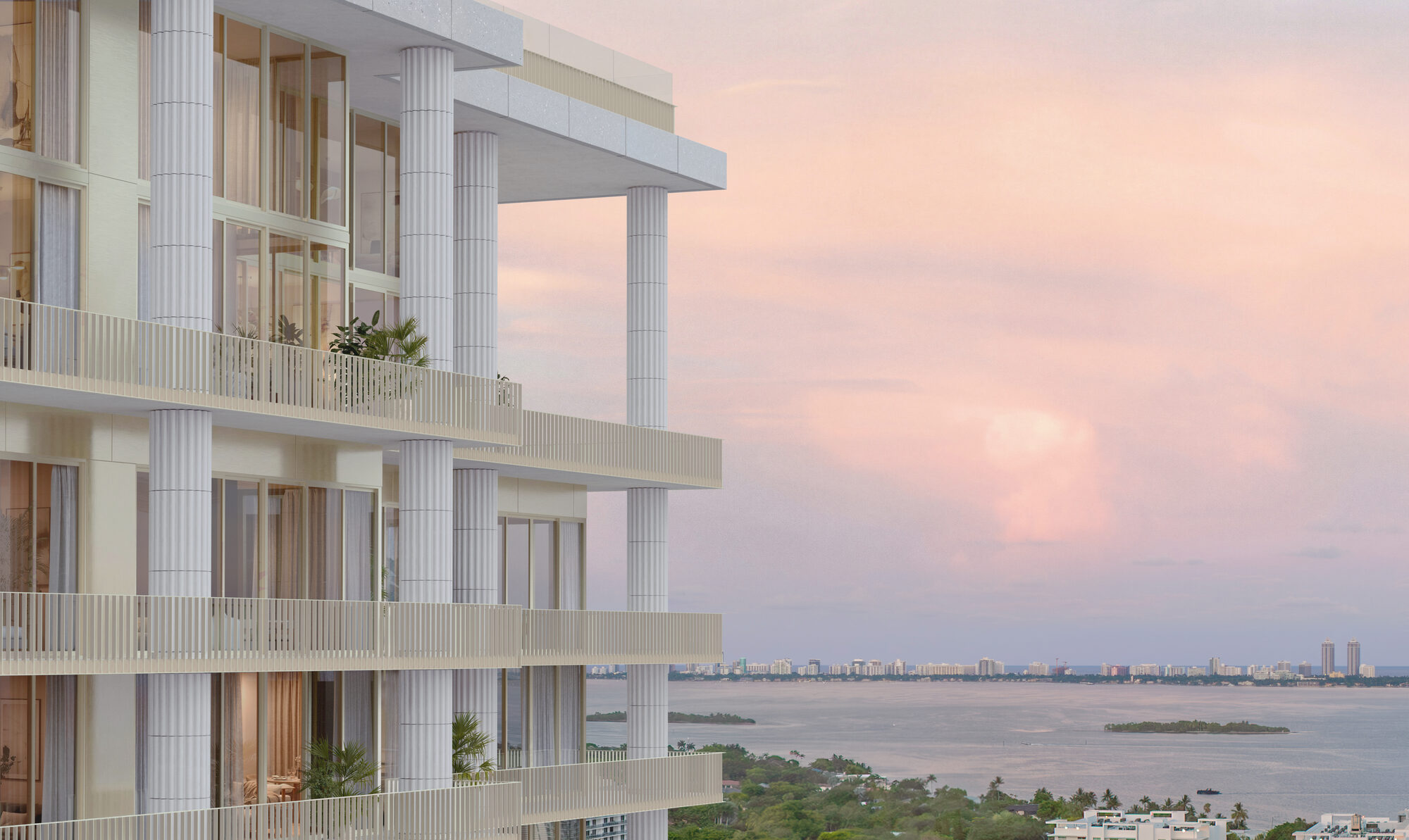
There is a detail in the Fouquet’s Hotel & Residences Miami Design District’s amenity program that appears in the building’s specification among a list of other amenities — “two restaurants, one bar, and a patisserie” — and that reads, at first, as simply a fourth food and beverage outlet. It is not. The patisserie is the detail that most precisely communicates what it means when a hospitality brand has 125 years of identity rather than 10.
No other building in Florida has a patisserie. No other building in South Florida’s new development pipeline has a patisserie. No other building in the United States that combines private residential ownership with a hospitality brand has the specific cultural identity that makes a patisserie not an add-on but an expression of the brand’s fundamental character.
What a Patisserie Is and Why It Matters
A patisserie is a French bakery and pastry shop — producing croissants, pain au chocolat, tarts, macarons, éclairs, financiers, madeleines, and the other pastry formats that have been refined by French pastry culture since the 18th century. It opens in the morning, closes by early afternoon, and serves the specific social function that the French have organized their morning culture around for generations: the ritual of the good pastry and the good coffee in the early hours.
In Paris, a great neighborhood patisserie is among the most important pieces of local infrastructure. The Parisian who knows their baker, who can specify which croissant is best on a given morning, and who has a preferred table in the patisserie’s small café corner is participating in a social institution that American residential culture has no equivalent for.
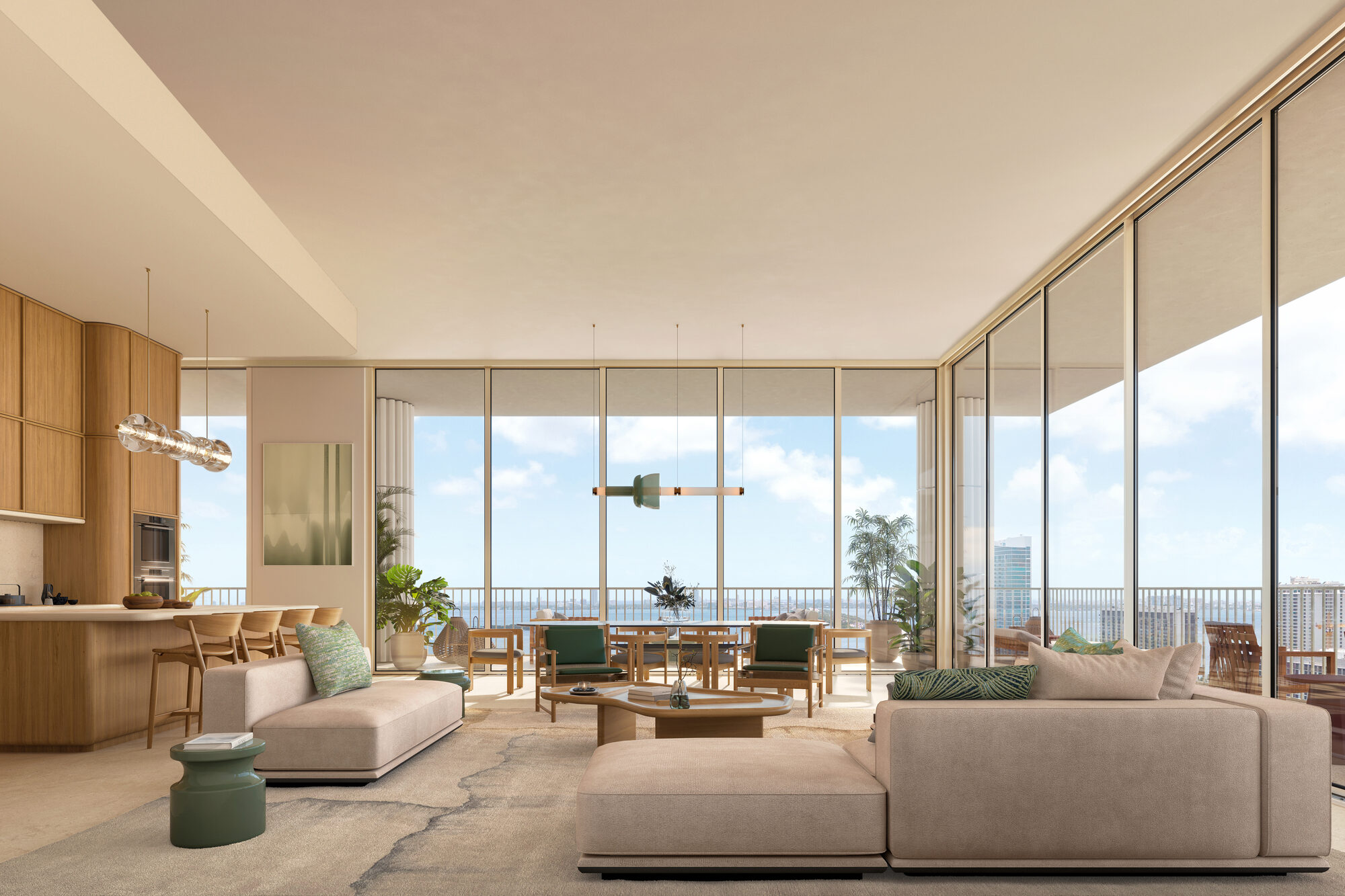
The Fouquet’s patisserie at the Miami Design District will be the first genuine expression of this institution in a South Florida residential context. For the building’s residents, walking downstairs to the patisserie at 8 AM on a Sunday for a croissant au beurre and a properly made café crème before returning upstairs is not a hotel amenity — it is a Parisian morning routine.
The Fouquet’s Identity: 125 Years on the Champs-Élysées
The Fouquet’s brasserie has operated at 99 Avenue des Champs-Élysées since 1899 — through two world wars, through the Nazi occupation (the building was used as a German military café during the occupation, an episode that remains part of the institution’s complicated history), through the postwar years when the brasserie became the center of French film culture, through the Goncourt prize dinners that have been held there since 1951, and through every phase of Paris’s cultural life for 125 years.
Fouquet's Hotel & Residences Miami Design District
Request current residence availability, pricing, floor plans, deposit structure and delivery updates from our advisory team.
Request Pricing & Floor Plans →The institution was classified as a French historic monument in 1988 — meaning it cannot be altered or demolished, that its facade and interior are protected by the French state, and that it joins the Eiffel Tower, Notre Dame, and the Palais du Louvre in the category of buildings whose character is considered part of France’s national heritage.
This is the identity that Groupe Barrière — the French luxury hospitality group that owns Fouquet’s — is bringing to the Miami Design District. Not a restaurant inspired by Paris. Not a design that references French culture. An institution that has been continuously operating on the world’s most famous boulevard for 125 years, whose physical space is protected by the French government, and whose social function has been documented by nearly every significant figure in 20th-century French cultural life.
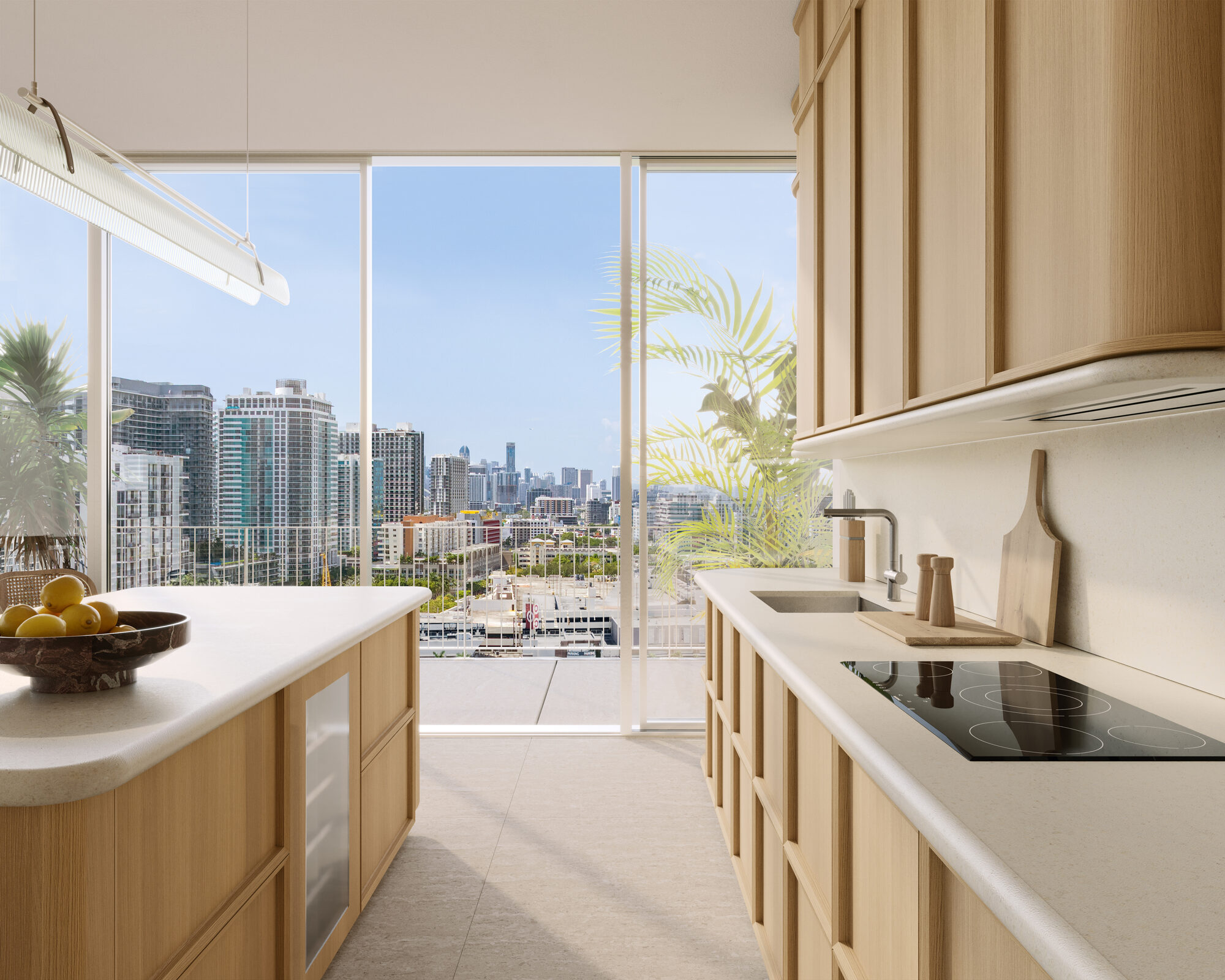
What This Means for Design District Residents
The Fouquet’s hospitality identity reshapes the Design District residential experience in specific ways:
Morning culture: The patisserie creates a reason to come downstairs early — not for the gym, not for the pool, but for the social ritual of a morning pastry. The Design District is not a neighborhood known for early-morning street life; the Fouquet’s patisserie gives the building’s residents an anchor for that ritual in a way that the neighborhood’s luxury retail and gallery context does not provide.
Dining without obligation: The combination of two restaurants and a bar means that Fouquet’s residents have dining options for every occasion — from the casual lunch at the bar to the dinner brasserie service — without the formality that a single fine dining option would impose. The brasserie format specifically is designed for daily use, not special occasions. In Paris, Fouquet’s is a restaurant that Parisians eat at regularly, not one they reserve for anniversaries.
A building whose social identity is older than Miami: Every other branded residential building in South Florida’s pipeline draws its identity from brands that are decades old — Four Seasons (1961), Ritz-Carlton (1983 as Marriott International brand), Mandarin Oriental (1963 Hong Kong flagship). Fouquet’s was established in 1899, when Miami was two years old. The building’s hospitality identity is older than the city it occupies.
The Design District as Context
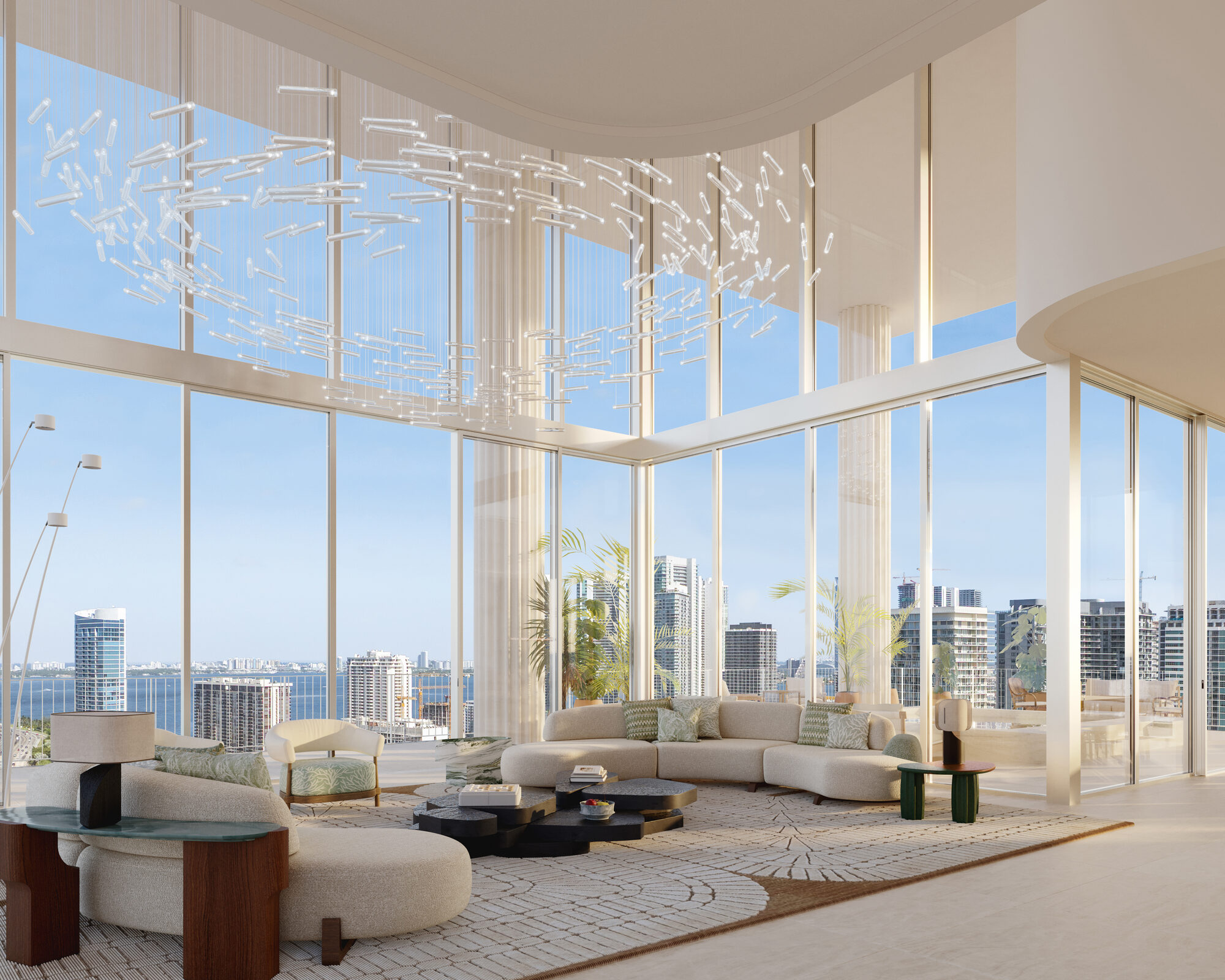
The Miami Design District’s concentration of luxury retail and cultural programming — 130+ luxury brand flagships, the Institute of Contemporary Art Miami, gallery programming adjacent to Art Basel — creates a cultural neighborhood that the Fouquet’s identity complements specifically rather than generically. The world’s most historically significant Parisian brasserie belongs on the world’s most significant luxury retail street in the Western Hemisphere. The alignment is cultural rather than accidental.
For residents of Fouquet’s, this means living at the intersection of the Design District’s contemporary cultural programming and the Fouquet’s brand’s 125-year cultural heritage — an address that is simultaneously at the center of what luxury means in Miami in 2026 and connected to what luxury has meant in Paris for 125 years.
The RDAI Connection: When Fouquet’s and Hermès Share a Design Studio
The fact that RDAI — the design studio that has created every Hermès retail environment globally for approximately 50 years — is designing Fouquet’s Miami Design District is not coincidental. Both Fouquet’s and Hermès occupy specific positions in French luxury culture: both are institutions of great age (Hermès was founded in 1837; Fouquet’s in 1899), both are associated with the specific French luxury philosophy that values craft and heritage over fashion and novelty, and both are considered by serious luxury consumers to represent the authentic French luxury tradition more genuinely than the branded luxury industry’s more recent creations.
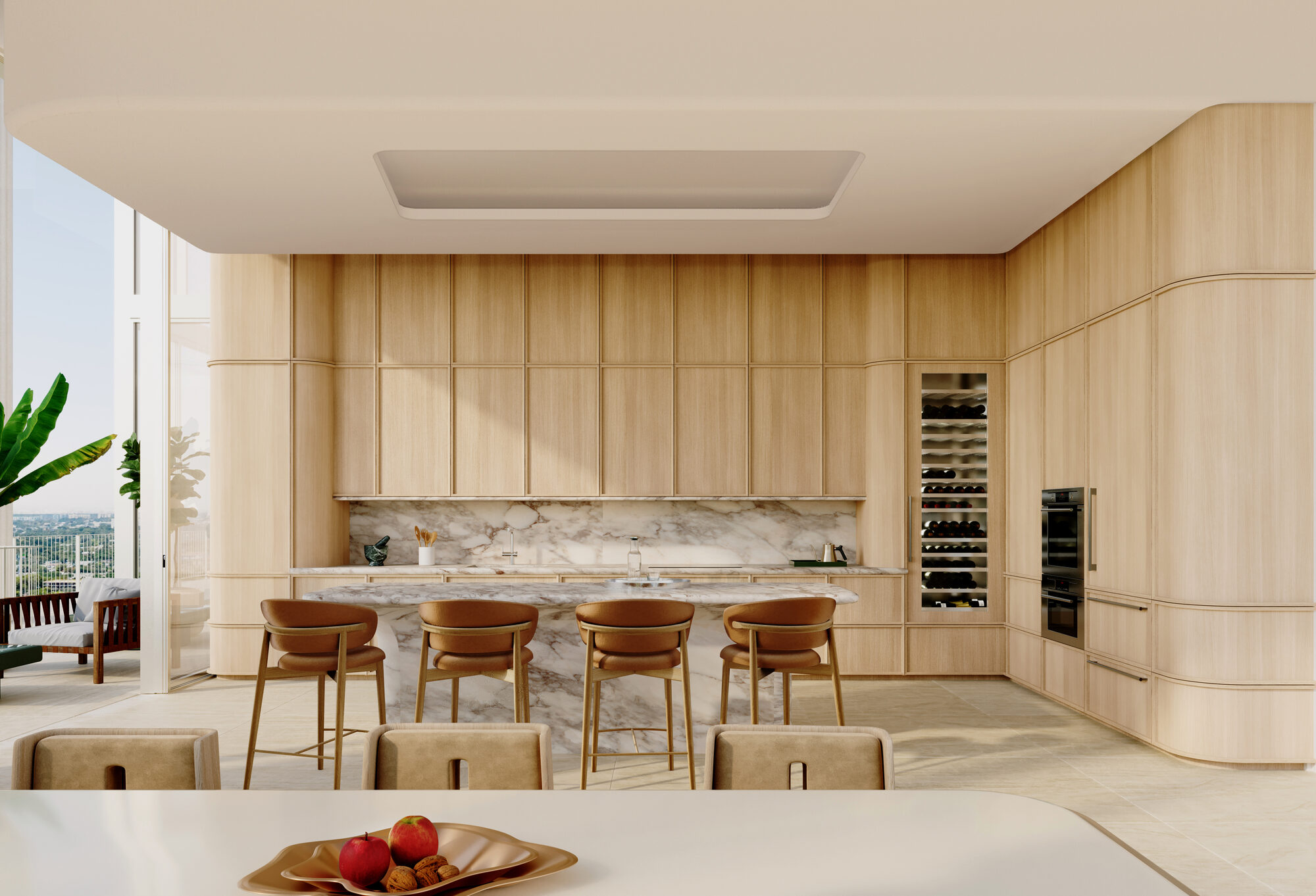
RDAI’s involvement at Fouquet’s brings the same material philosophy that has made Hermès stores globally recognizable — the warm tones, the quality leather and metal applications, the specific proportion ratios that produce rooms of material warmth rather than material spectacle — to a residential context where those qualities are experienced daily rather than occasionally.
Considering Fouquet's Hotel & Residences Miami Design District?
Our advisory team can share current information on Fouquet's Hotel & Residences Miami Design District — pricing, floor plans, and delivery-timeline updates as they are released.
Request Information on Fouquet's Hotel & Residences Miami Design District →