The Brazilian Buyer’s Guide to South Florida Luxury New Developments
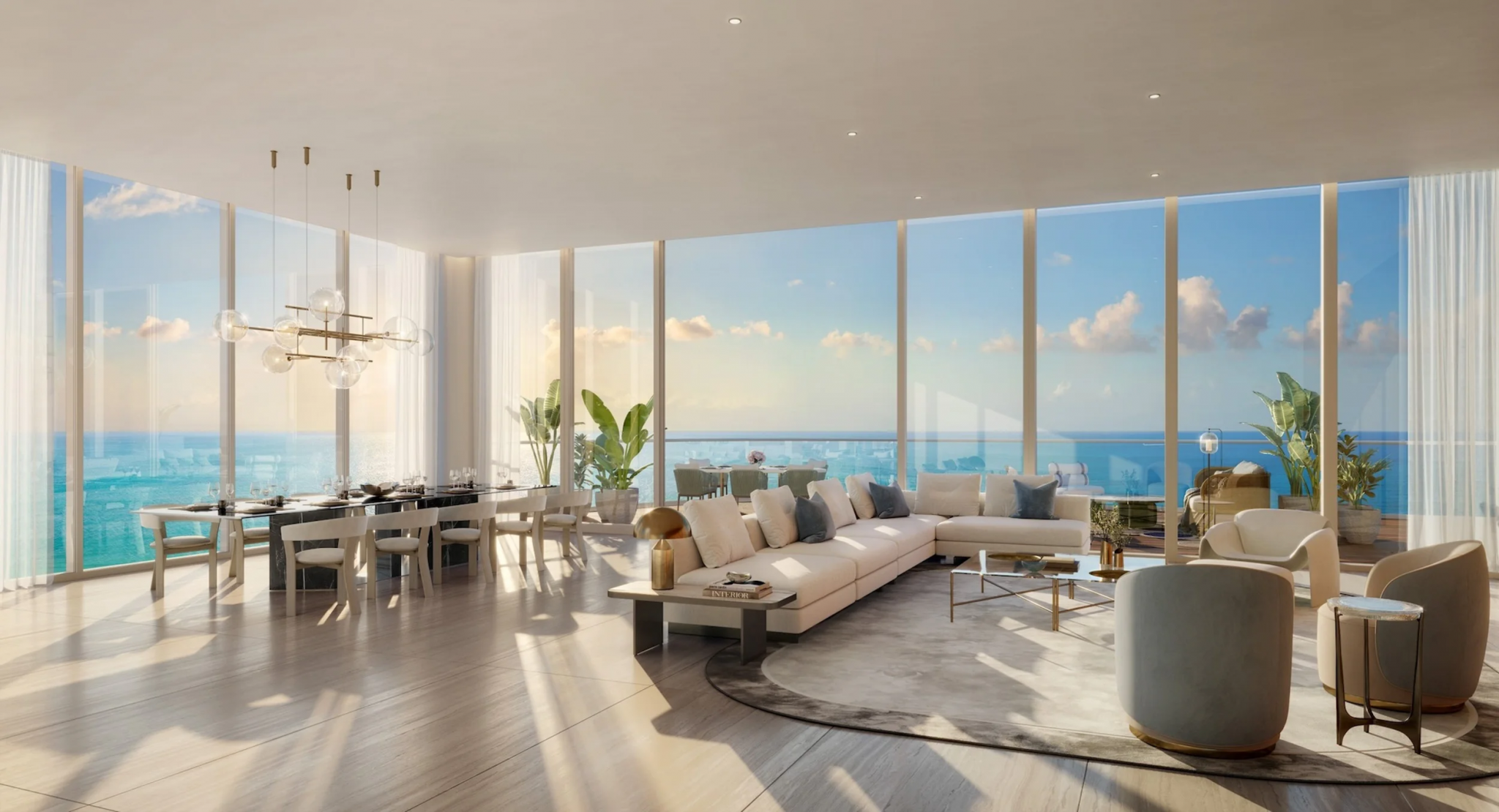
Brazilian buyers have been the single largest international buyer group in South Florida’s luxury new development market for most of the past decade — driving pre-construction sales in Sunny Isles, Brickell, and Bal Harbour at a pace that has shaped the buildings, the neighborhoods, and the market’s international character. Understanding who these buyers are, what motivates them, and where they concentrate is essential to understanding South Florida’s luxury new development market.
Why Brazilian Buyers Come to South Florida
Currency hedge: Brazil’s real and its inflation history create a persistent motivation for Brazilian wealth to hold assets denominated in or convertible to USD. South Florida real estate — priced in USD, in one of the world’s most liquid real estate markets — provides the currency hedge that Brazilian buyers have historically sought in offshore assets.
Political and social stability insurance: Brazilian political cycles produce periodic uncertainty that motivates wealth transfer to stable jurisdictions. The US legal system’s property protections, the Florida homestead exemption’s specific asset protection provisions, and the overall stability of the US political environment are genuine motivations for Brazilian wealth preservation in South Florida.
Educational proximity: South Florida’s proximity to major US universities (University of Miami, University of Florida, Florida International University, FAU) and its private school ecosystem makes it the preferred US base for Brazilian families with children pursuing US education. The purchase of a South Florida luxury condo is frequently made in conjunction with a child’s enrollment in a Miami-area university — the parent buys to provide a home base during the child’s education and continues to use the property afterward.
Lifestyle familiarity: South Florida’s Latin cultural character — the Portuguese-language community in Miami, the Brazilian social infrastructure, and the warm climate that mirrors Brazil’s coastal cities — makes South Florida the most culturally familiar US destination for Brazilian buyers. The social friction of relocation is lower than in New York or Los Angeles.
Where Brazilian Buyers Concentrate in South Florida
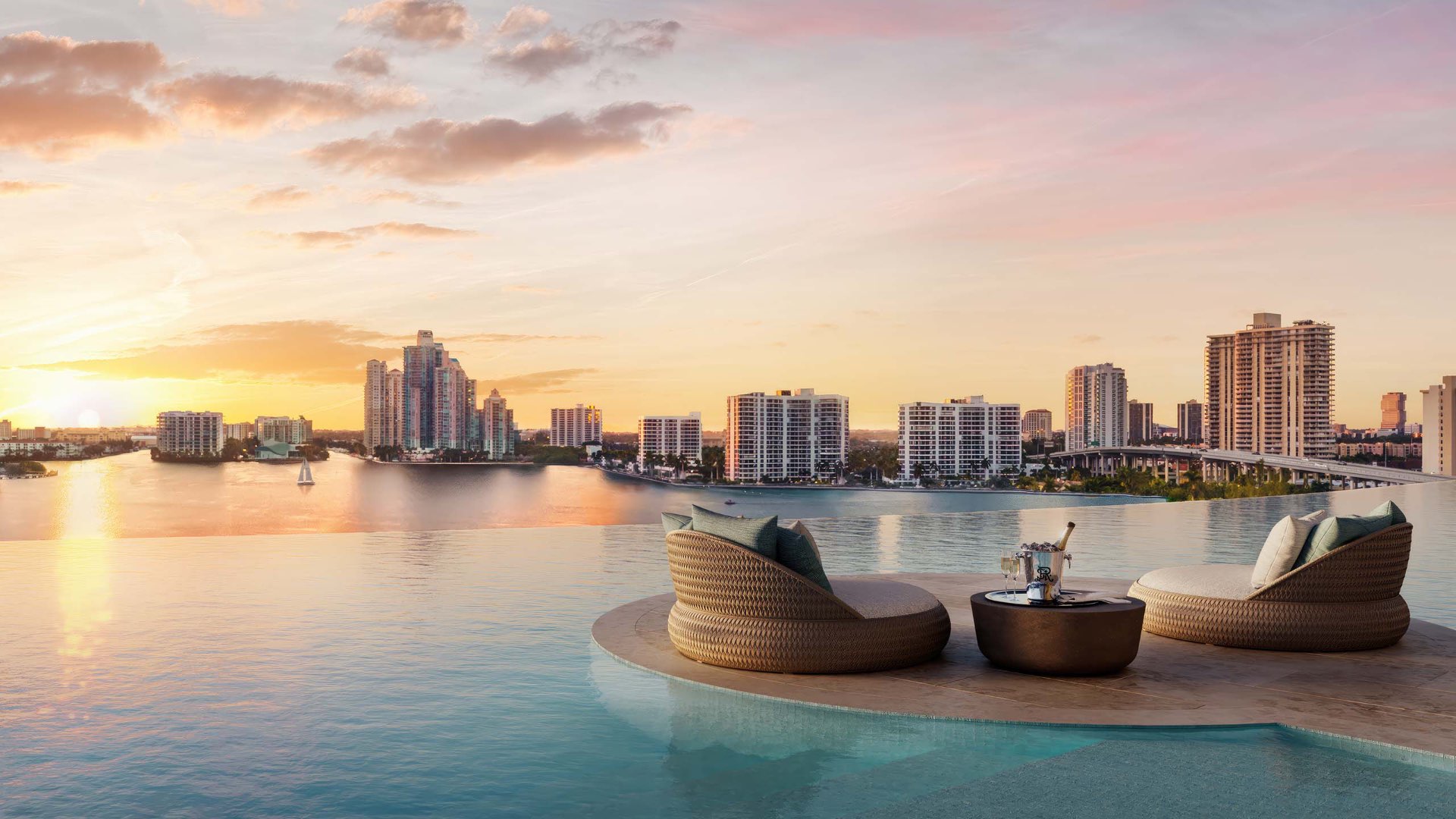
Sunny Isles Beach: The neighborhood with the highest Brazilian buyer concentration in South Florida — driven by pre-construction PSF accessibility ($900–$1,400 PSF, significantly below Miami Beach’s $1,500–$2,500), the existing Brazilian community in the buildings, the oceanfront setting, and the brand portfolio (St. Regis, Bentley, Porsche Design Tower, Armani Casa) that appeals to Brazilian buyers’ preference for globally recognized luxury brands.
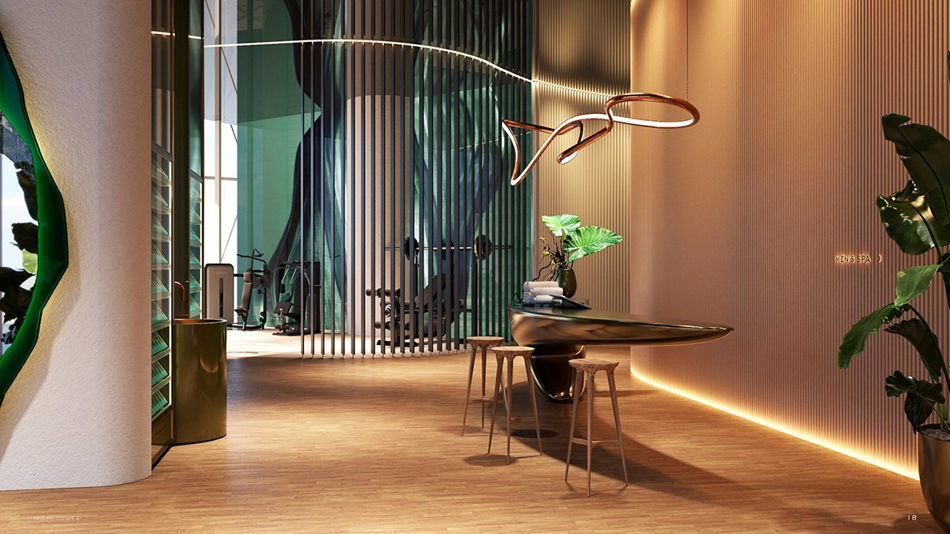
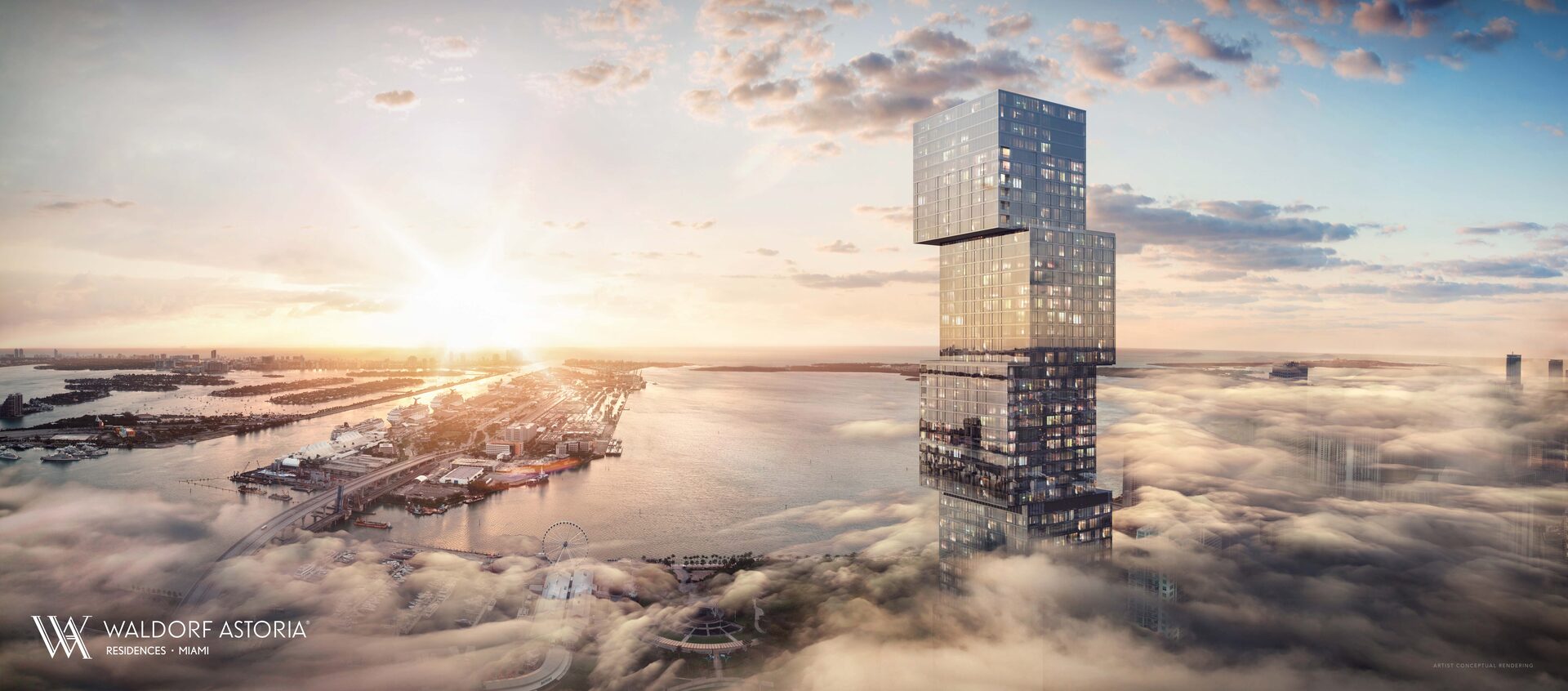
Brickell: The financial district’s combination of branded residential buildings (Cipriani, Waldorf Astoria, the broader Brickell luxury tower stock) and the proximity to Brazil’s financial industry’s Miami presence — several major Brazilian banks have Miami offices in Brickell — makes it a natural address for the Brazilian financial professional.
Bal Harbour: The established Venezuelan and Colombian community in Bal Harbour has created a social environment that is comfortable for Brazilian buyers, and the Bal Harbour Shops’ luxury retail concentration (Chanel, Hermès, Louis Vuitton) mirrors the shopping destinations that Brazilian luxury buyers frequent in São Paulo.
Design District: The Fouquet’s and Jean-Georges residential developments are attracting the younger, more design-literate Brazilian buyer who values the neighborhood’s cultural programming and its Art Basel alignment.
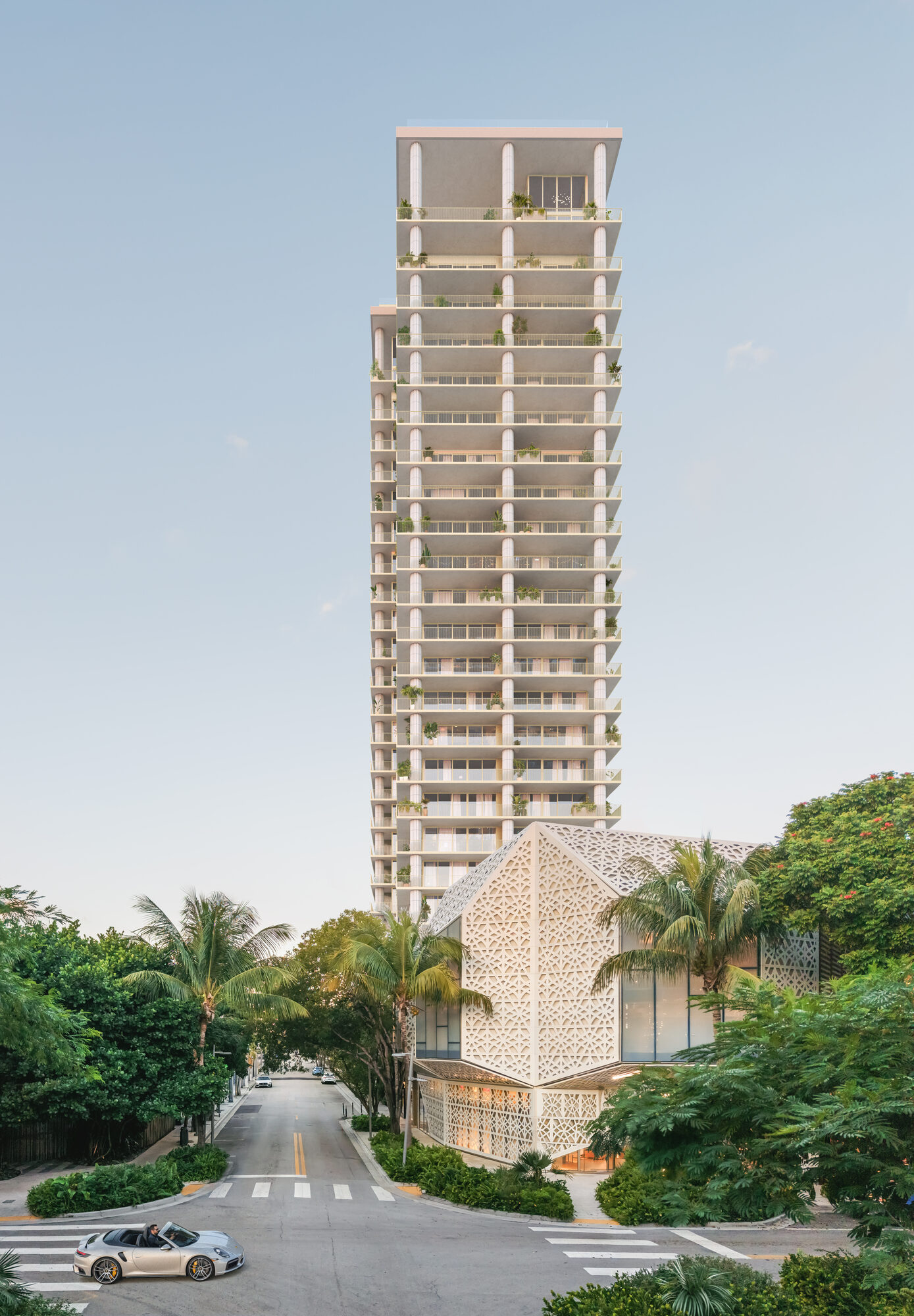
The Brazilian Buyer’s Building Preferences
Globally recognized brands: Brazilian buyers specifically prefer buildings associated with globally recognized brands — Four Seasons, Ritz-Carlton, Waldorf Astoria, St. Regis, Mandarin Oriental — whose quality is legible to family and social peers in Brazil without requiring explanation. The brand serves as a social communication about the quality of the purchase that a lesser-known building cannot provide.
Italian connection: Buildings with Italian design pedigree — Cipriani (Italian hospitality heritage), Arte (Antonio Citterio), Missoni Baia (Italian fashion brand) — appeal to the Brazilian buyer whose luxury taste is heavily influenced by Italian design culture. Brazil’s own luxury residential market is disproportionately Italian-influenced; the buildings that connect to that influence are specifically appealing.
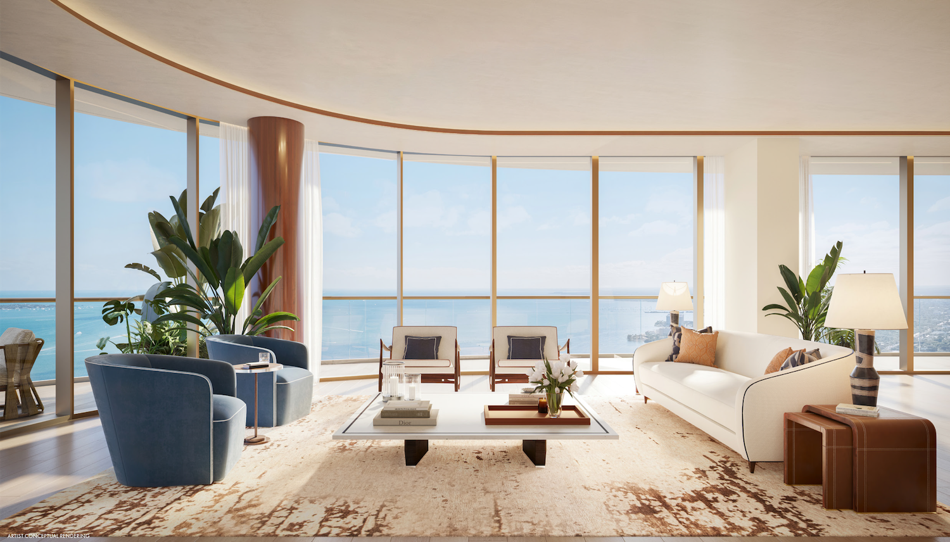
Pre-construction preference: Brazilian buyers are disproportionately represented in pre-construction sales — consistent with a buyer demographic that has experience with Brazil’s well-developed off-plan real estate market and that is comfortable with the pre-construction timeline.
The Due Diligence Process for Brazilian Buyers
FinCEN compliance: Foreign buyers investing more than $300,000 in US residential real estate in Miami-Dade, Broward, and Palm Beach Counties trigger FinCEN’s Geographic Targeting Orders (GTOs), which require title companies to collect and report beneficial ownership information. Brazilian buyers should work with an attorney familiar with GTO compliance before completing a South Florida purchase.
Brazilian tax considerations: Receita Federal (Brazil’s federal tax authority) requires reporting of offshore assets. Brazilian buyers should confirm their reporting obligations with a Brazilian tax attorney before completing a purchase, and should ensure that the purchase structure is consistent with their Brazilian tax reporting requirements.
Currency transfer: Moving large amounts from Brazil to the US for a real estate purchase involves Banco Central do Brasil compliance for outbound currency transfers. Large transfers ($1M+) require documentation of the funds’ source and purpose. An experienced international wire transfer attorney should be involved in planning the transaction.
Need details on these residences?
Our advisory team can share current information on the projects referenced in this guide.
Speak With an Advisor →