Boutique vs. Mega-Development: The Defining South Florida Luxury Condo Question in 2026
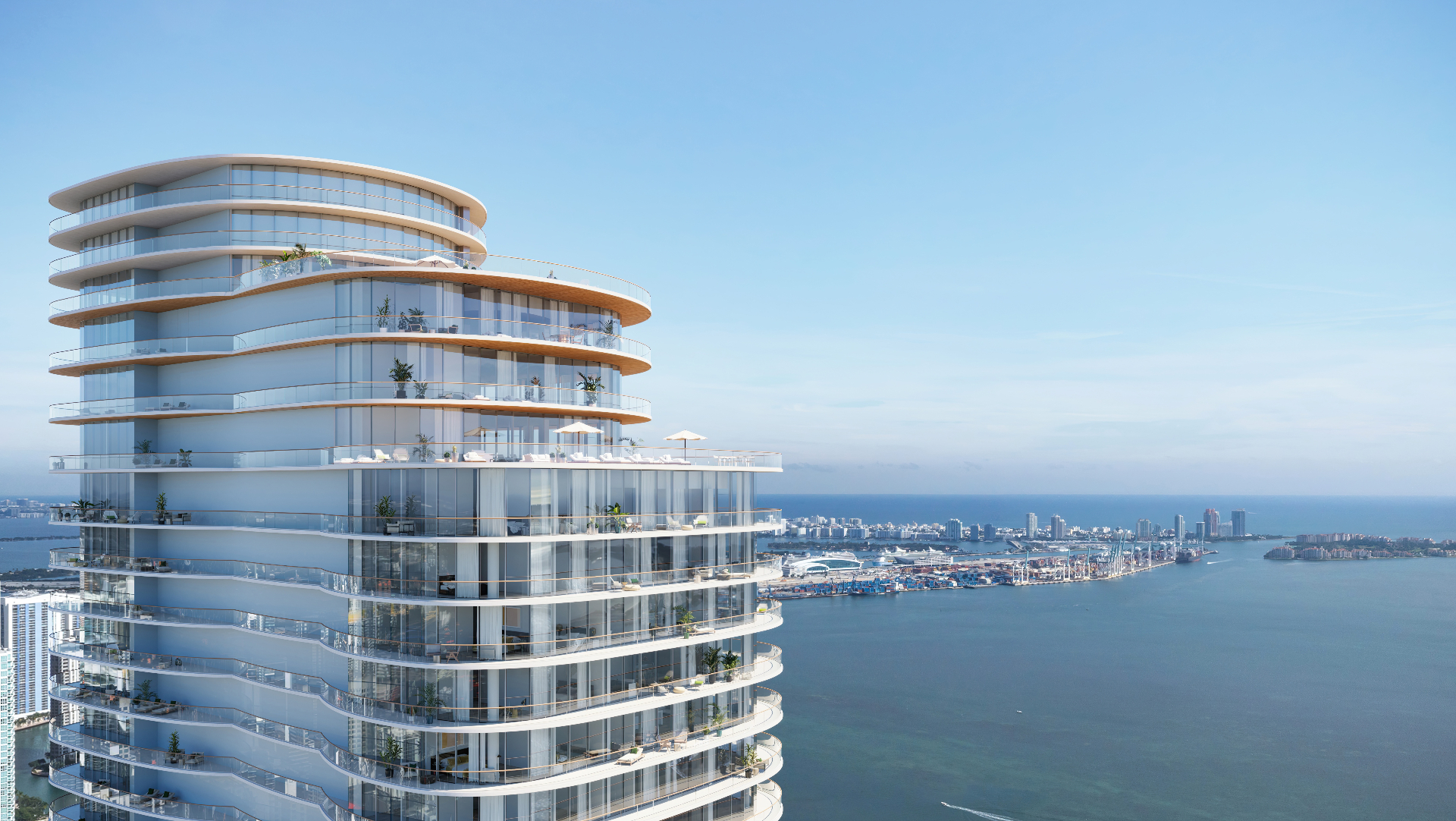
South Florida’s luxury new development market in 2026 offers two genuinely distinct product categories that serve different buyer profiles, lifestyle priorities, and investment theses. The choice between them is not primarily about which building has better amenities — it is about what kind of community you want to live in, what kind of service model you want to depend on, and what exit story you will be able to tell the next buyer.
The distinction the market has settled on as shorthand: boutique buildings (typically under 100 units, often 15–70 residences) versus mega-developments (typically 200–500+ units, campus-scale amenity programs, deeper HOA governance infrastructure).
The Data: How Boutique Buildings Have Performed
South Florida’s resale market provides the most reliable evidence for evaluating how each category has performed over time. The pattern is consistent:
Arte by Antonio Citterio, Surfside (16 units, 2021 delivery):
- Pre-construction entry PSF: approximately $2,500–$3,000
- Current resale PSF: reportedly above $5,000 for premium units
- Appreciation: approximately 65–100% from pre-construction to resale peak
Eighty Seven Park, Miami Beach (70 units, 2019 delivery):
- Delivered at approximately $2,000–$2,500 PSF
- Current resale PSF: $3,000–$4,000+ for premium units
- Appreciation: approximately 40–60% since delivery
Porsche Design Tower, Sunny Isles (132 units, 2017 delivery):
- Delivered at approximately $1,500–$2,000 PSF
- Current resale PSF: $2,800–$3,800+
- Appreciation: approximately 65–90% since delivery
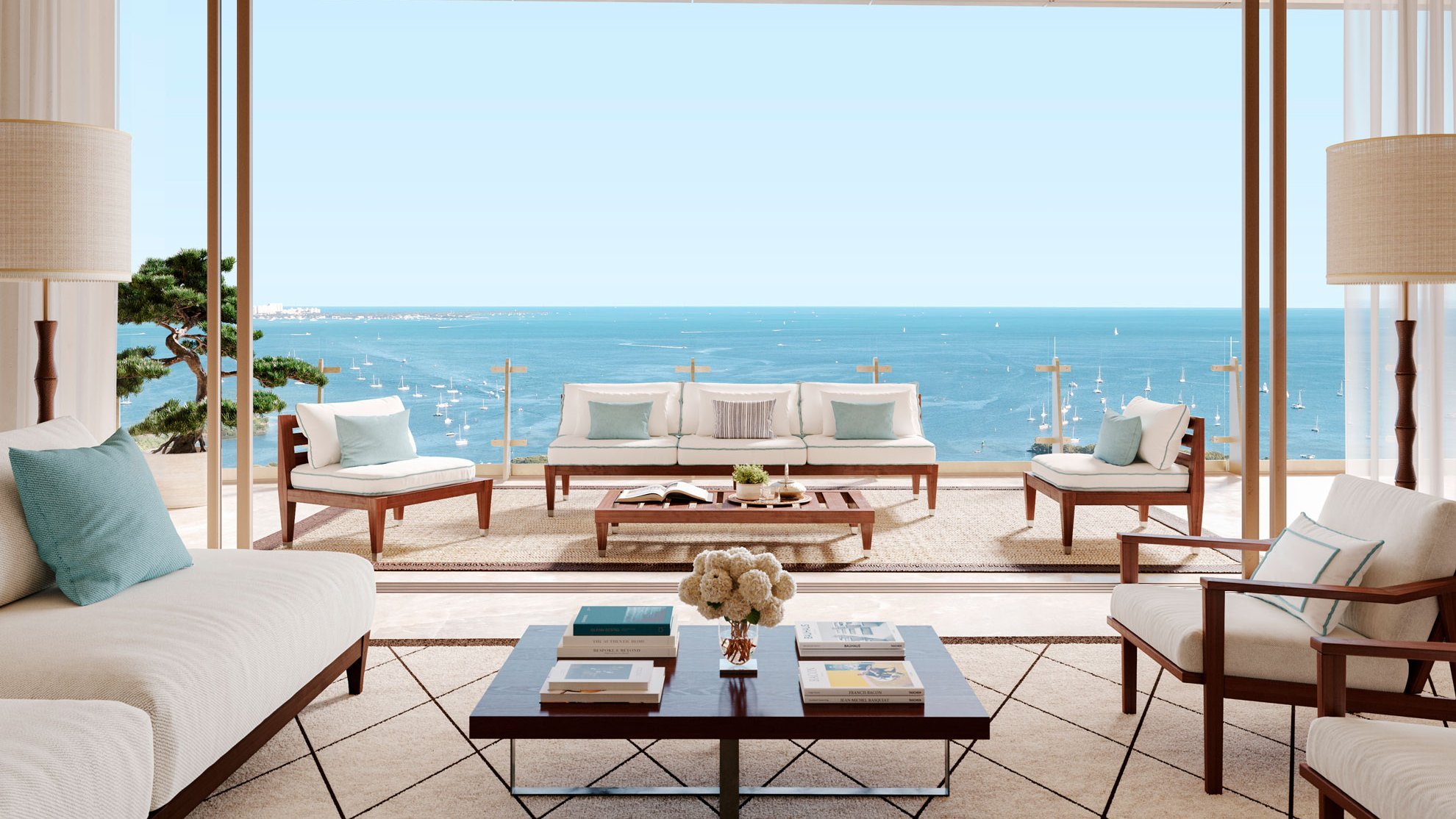
Compare to large-format non-branded buildings delivered in the same periods: Most have appreciated at 20–40% from delivery — meaningful, but well below the boutique buildings’ trajectory. The boutique premium in South Florida is empirically real and consistently documented.
Why Boutique Buildings Outperform on Appreciation
Three structural mechanisms drive boutique building appreciation:
Resale scarcity: In a 16-unit building like Arte, 2–3 units come to market per year in a typical cycle. When a buyer wants to purchase in Arte, there are 2–3 units to choose from — not 40. This scarcity concentrates pricing leverage in the seller’s favor and produces higher closing PSF than a comparable building where 30 units might be available simultaneously.
Community quality concentration: A 16-unit building’s community of owners is small enough to be genuinely self-selecting. The social dynamics of knowing your 15 neighbors produce different HOA governance behavior than a 400-unit building where many owners have never met. Boutique buildings with owner-occupied communities consistently outperform investor-heavy large buildings on maintenance quality and governance.
Irreplaceable authorship: The buildings with the strongest boutique appreciation — Arte, Eighty Seven Park, Porsche Design Tower — all have a single irreplaceable feature (Citterio’s 100% full-floor residences, Renzo Piano’s architecture, the Dezervator sky garage) that cannot be replicated in any competing building. This irreplaceability is a permanent scarcity premium that no new supply can dissolve.
The Case for Mega-Developments: What Boutique Buildings Cannot Offer
The boutique premium is real, but it comes with genuine trade-offs that are not always visible in the appreciation data:
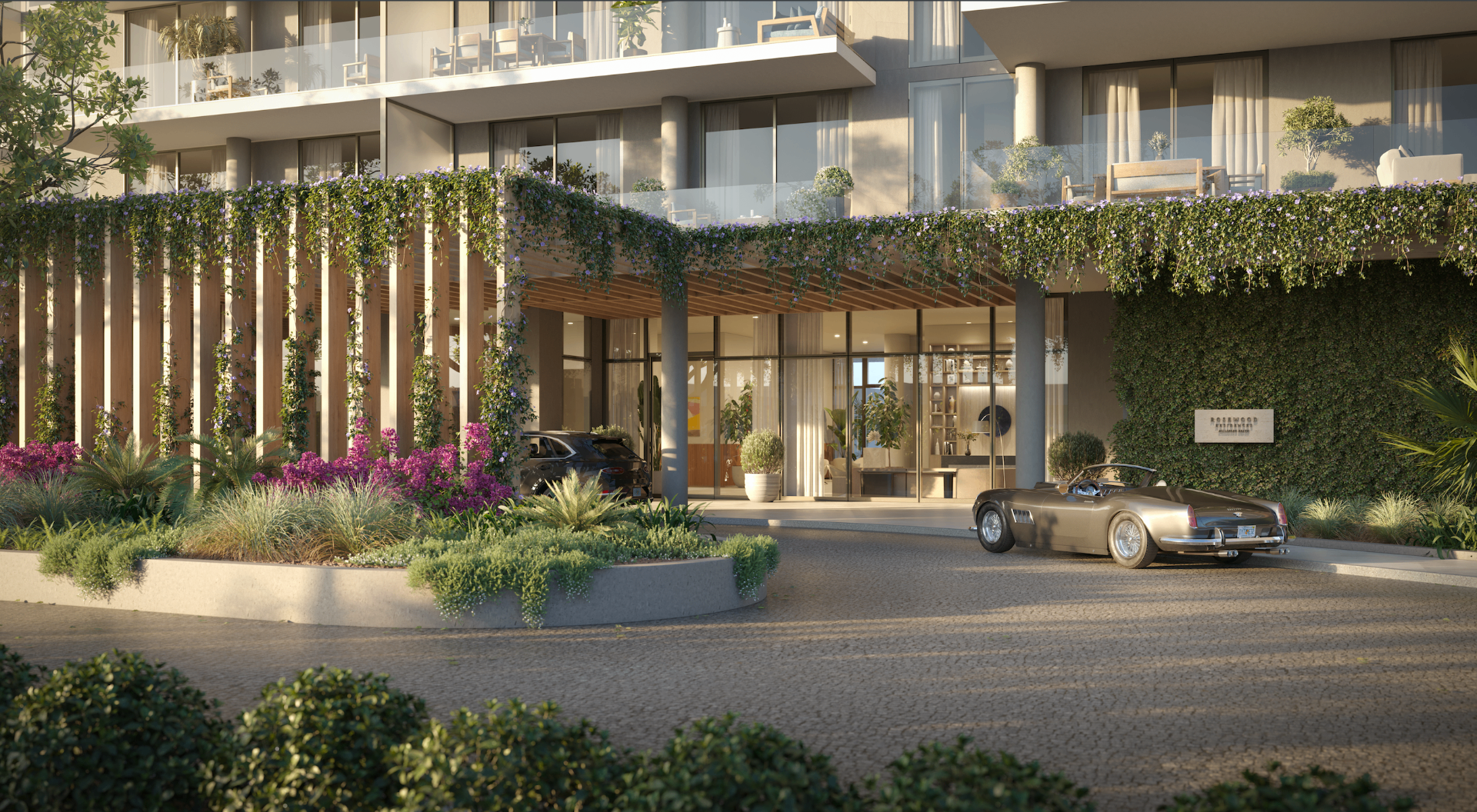
Amenity depth: A 400-unit development like Cipriani Residences Miami can support a full-service restaurant, a spa with multiple treatment rooms, a Pilates studio, a business center, multiple pool configurations, and a children’s programming team — and fund all of this through an HOA base that, when divided by 400 units, is more affordable per unit than the same infrastructure spread across 50 units. The most comprehensive amenity programs in South Florida are in large buildings, not boutique ones, precisely because the math works at scale.
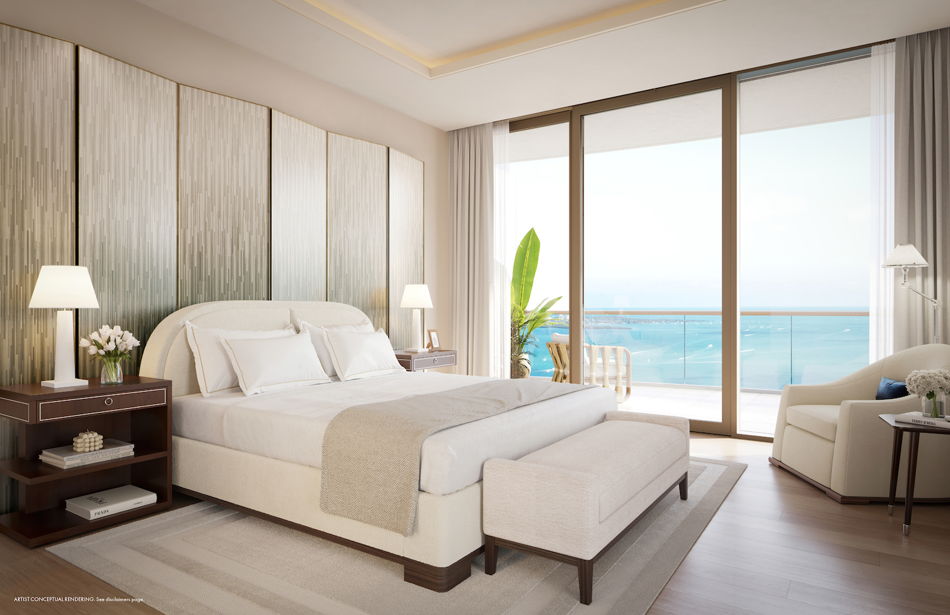
Governance depth: A 400-unit building has the HOA resources to hire professional management, maintain legal counsel, fund reserves adequately, and navigate governance challenges without disproportionate burden on any individual owner. Small buildings are more exposed to governance dysfunction when a small number of difficult owners create disproportionate friction.
Liquidity: Ironically, the scarcity that supports boutique buildings’ PSF premium can become a constraint at the moment of sale. A buyer for a $15M Arte unit is a very specific buyer — globally mobile, architecturally aware, $15M+ liquidity. A buyer for a $5M Cipriani unit is a much broader pool. In a market downturn, boutique building owners may wait longer for their specific buyer.
Brand infrastructure: The largest branded buildings in South Florida — Cipriani (397 units), St. Regis Sunny Isles (194 units), Ritz-Carlton Palm Beach Gardens — maintain their brand infrastructure at a staffing and programming depth that requires scale. A 50-unit building cannot operate a full Cipriani restaurant; a 50-unit building cannot staff a full Ritz-Carlton lifestyle team at the ratio those brands require. The best brand-hospitality integration in South Florida exists in mid-to-large buildings, not in the most boutique ones.
Which Profile Fits Which Buyer
Boutique building buyer profile:
- Privacy and community control are primary values
- Willing to accept fewer amenities in exchange for a more intimate living environment
- Investment-oriented — the boutique PSF premium and scarcity dynamics are part of the purchase logic
- Design-motivated — the most boutique buildings are typically the most architecturally significant
- Long time horizon — boutique building liquidity requires patience at the moment of sale
Mega-development buyer profile:
- Amenity depth is a primary value — the building is expected to function as a complete lifestyle environment
- Brand service infrastructure is important — the hospitality company’s service model is part of what is being purchased
- Community scale is comfortable or even preferred — a larger community provides more social flexibility
- Flexibility on exit — a larger buyer pool at resale provides more exit options if circumstances change
- Professional or family-oriented lifestyle that benefits from comprehensive programming (fitness, children’s activities, dining, events)
The 2026 Opportunity: Boutique With Brand DNA
The most compelling emerging category in South Florida’s 2026 new development pipeline is boutique-with-brand — buildings that combine a low unit count (under 100 residences) with a globally recognized brand’s service infrastructure. Examples:
- Aman Residences Miami Beach: Approximately 35–50 residences (consistent with Aman’s hotel scale philosophy), Aman’s globally recognized service standards
- Shore Club Private Collection: 49 residences, South Beach oceanfront, private club service model
- Four Seasons Private Residences Coconut Grove: 70 residences, standalone Four Seasons residential (no hotel), full Four Seasons service
These projects offer the scarcity and community quality of boutique buildings with the service depth and brand recognition that the best large-format buildings provide. They represent the category where the boutique appreciation premium and the brand service premium are expected to combine — and where the current pre-construction entry pricing, relative to the post-delivery comps that comparable boutique-branded buildings have established, suggests the strongest appreciation runway in the entire current pipeline.