Why Wellness Is Becoming the New Luxury Amenity in South Florida
Wellness residences in Miami have moved from a niche category to the defining feature of the region’s luxury new-development market. Buyers who once compared marble lobbies and rooftop pools are now comparing longevity centers, branded wellness clubs, and biophilic architecture. This guide explains what wellness branded residences actually deliver, how the leading South Florida projects compare, and what buyers should evaluate before requesting pricing, floor plans, or a private preview.
The four projects most often shortlisted by HL Real Estate Group’s clients — THE WELL Coconut Grove, 619 Brickell, Four Seasons Private Residences Coconut Grove, and Rosewood Residences Hillsboro Beach — each take a distinct approach to wellness. Pricing, amenities, and delivery timelines reflect developer materials and are subject to change; buyers should verify directly with the development team.
Why Wellness Residences Miami Buyers Prioritize This Category
For decades, the South Florida luxury condo formula was predictable: ocean views, valet, a fitness room, a pool deck. That formula is being rewritten. The most discerning buyers — the ones HL Real Estate Group works with daily — now evaluate developments through a different lens. They want to know how a building will support how they sleep, how they move, what they breathe, and how they age.
This shift shows up in three measurable ways across Miami wellness condos and the broader South Florida market.
From amenity floor to wellness floor
A traditional luxury building dedicates one floor to amenities. A wellness-led building rethinks the entire stack. According to its fact sheet, THE WELL Coconut Grove dedicates a 13,000-square-foot Wellness Club and a 40,000-square-foot rooftop wellness oasis to residents. 619 in Brickell, designed by Foster + Partners, integrates a Longevity Center alongside the Nobu Spa across multiple floors, with planned offerings that include a hyperbaric chamber, cryotherapy, and IV therapy per the developer’s materials.
Square footage devoted to wellness is now a useful proxy for how seriously a building treats it.
From features to systems
Wellness amenities in luxury condos are no longer a list of perks — they are coordinated systems. At 619, the developer’s brochure describes circadian lighting, medical-grade HEPA air filtration, and ozone-enhanced whole-home water as planned residence features. At THE WELL Coconut Grove, primary bedroom closets are designed with built-in red-light therapy, and select residences include flex spaces for in-home meditation, training, or massage, per the fact sheet.
Specifications are subject to change; buyers should verify final features with each development team.
From hotel brand to wellness brand
Hotel-branded residences pioneered the idea that a name on the door could guarantee a service standard. Wellness branded residences extend that logic to health and longevity. THE WELL is the clearest example in Miami — a wellness brand operating the residential club itself, rather than a hotel brand adding a spa.
The Four Wellness Models Redefining Miami Luxury
Each shortlisted project takes a distinct approach. Understanding the model helps buyers match a residence to their lifestyle.
Wellness as the organizing principle: THE WELL Coconut Grove
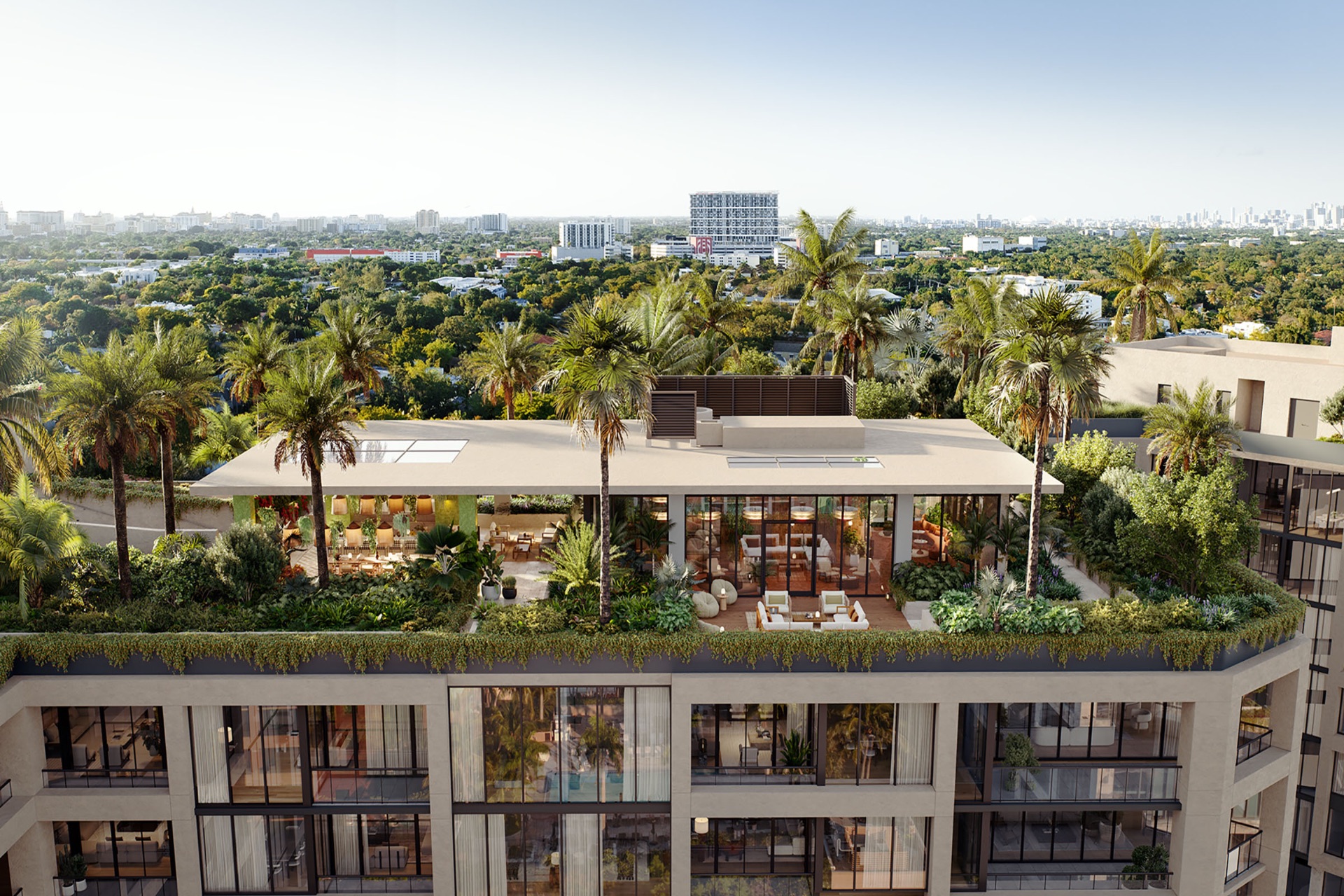
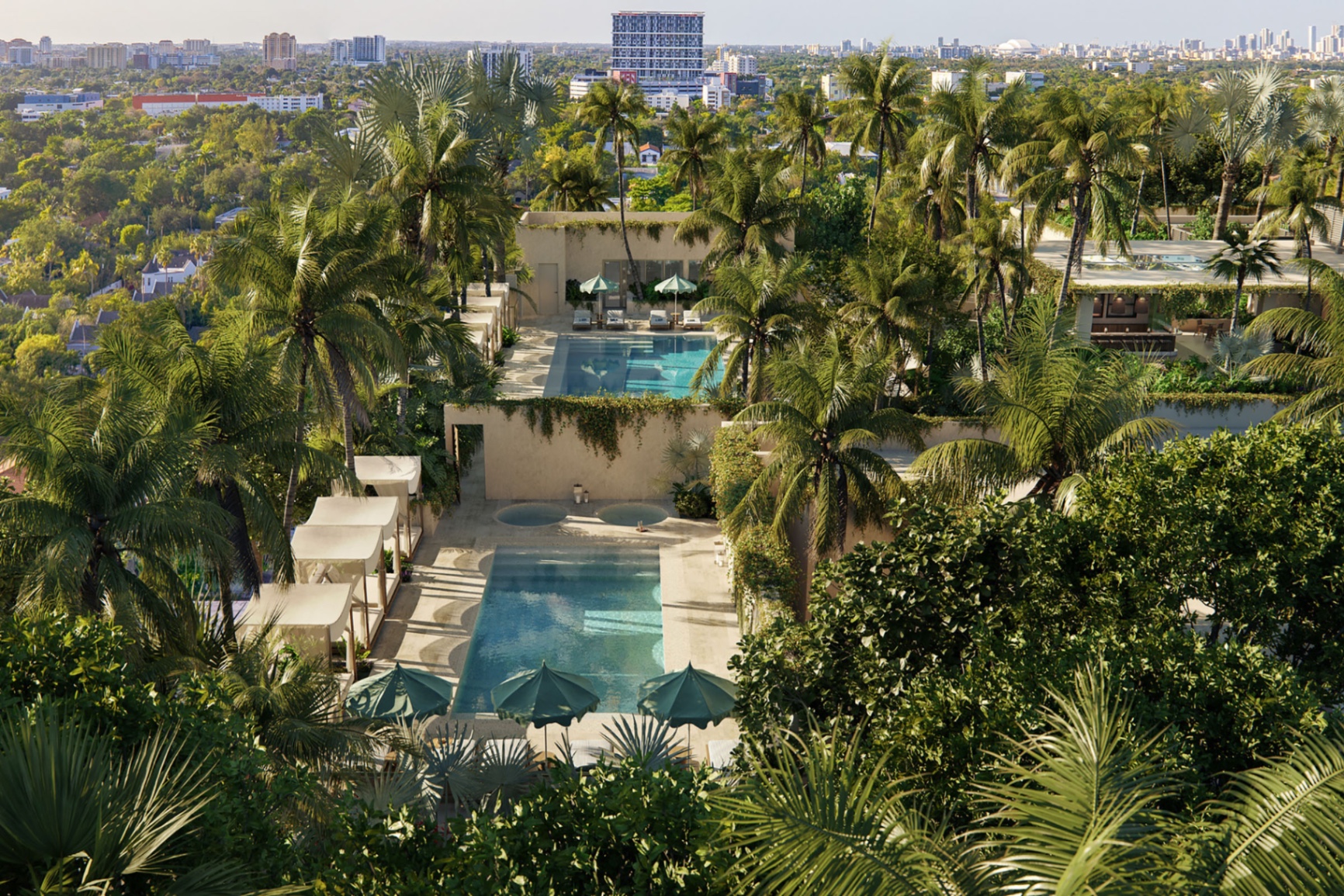
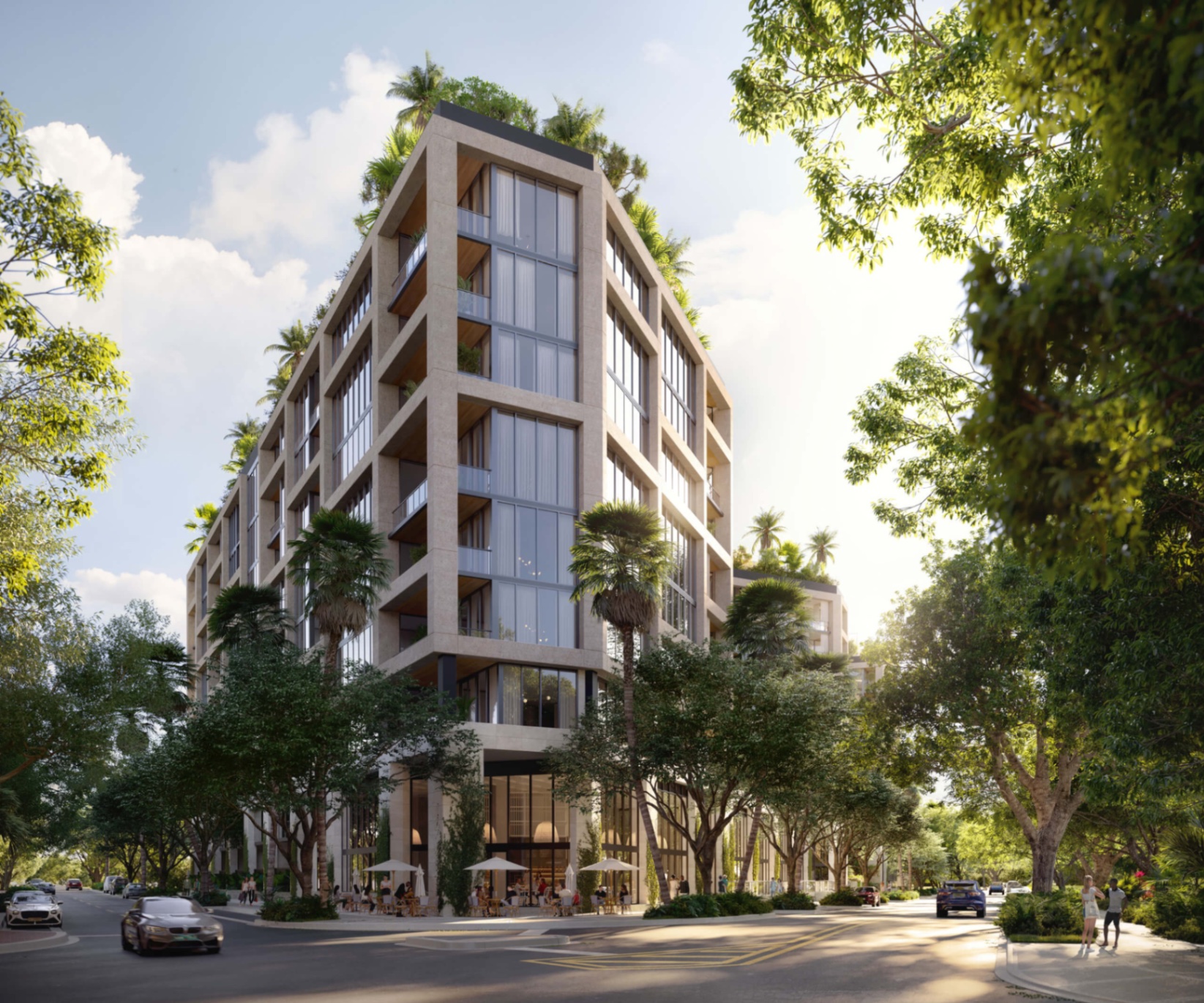
THE WELL Coconut Grove is the most fully integrated wellness residence currently in the Miami pipeline. Developed by Terra in partnership with THE WELL, the 194-residence, 8-story building at 2835 Tigertail Avenue is anchored by THE WELL Wellness Club.
According to the developer’s fact sheet, planned amenities include a communal bathhouse with steam, sauna, cold plunge, and caldarium; a Crystal Cave relaxation lounge; a hyperbaric chamber; a Vitality Lounge for self-service treatments and IV therapy; an EMS training studio; and on-site functional medicine and longevity practitioners. Resident perks listed in the fact sheet include a bi-annual health coaching session, an annual whole-person assessment, and access to THE WELL Locker, a stocked collection of recovery devices for resident use.
Architecture is by Arquitectonica with interiors by Meyer Davis. The building is being designed to Florida Green Building Silver Certification standards. Learn more on the project page: THE WELL Coconut Grove.
Wellness as longevity science: 619 Brickell
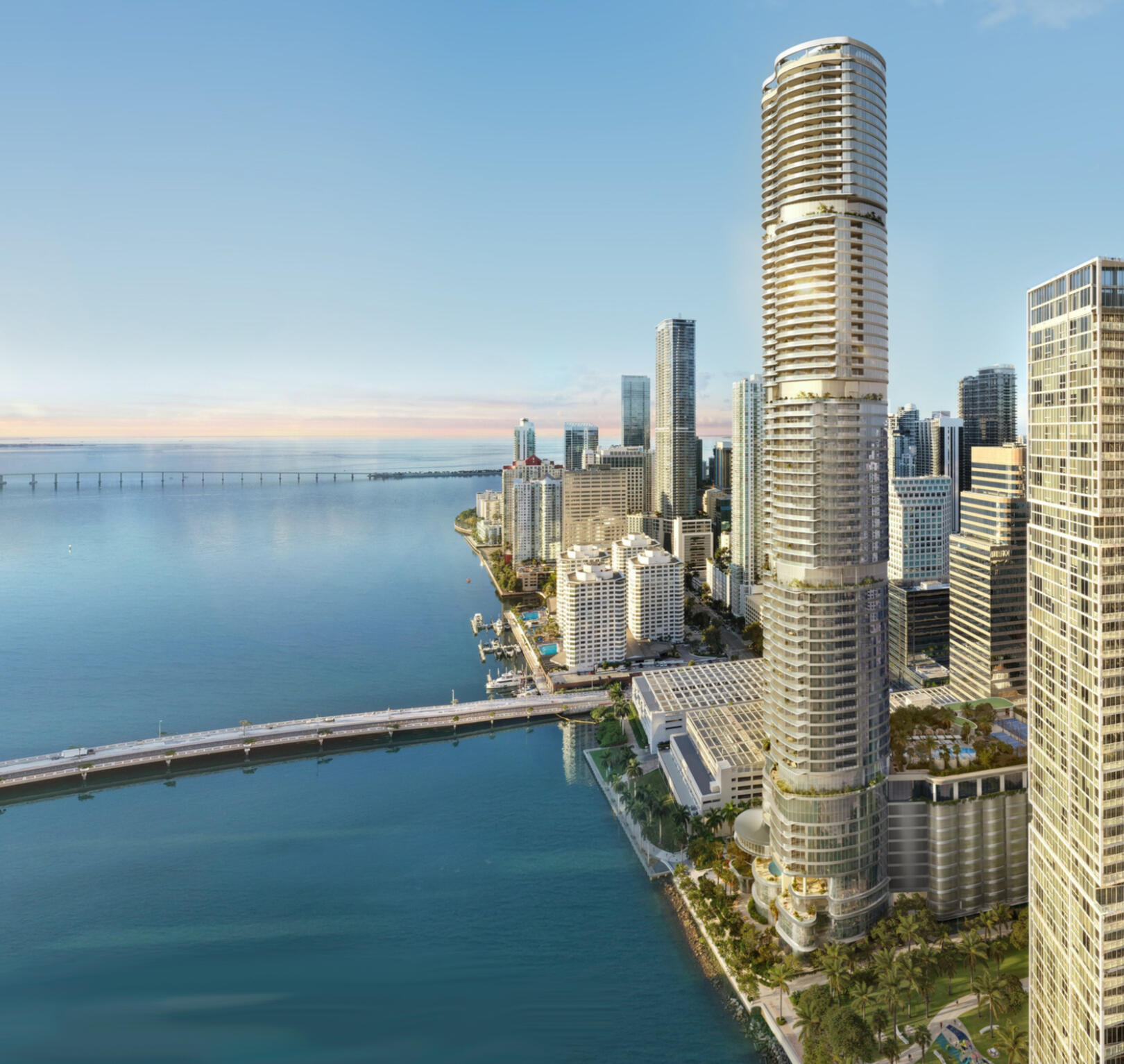
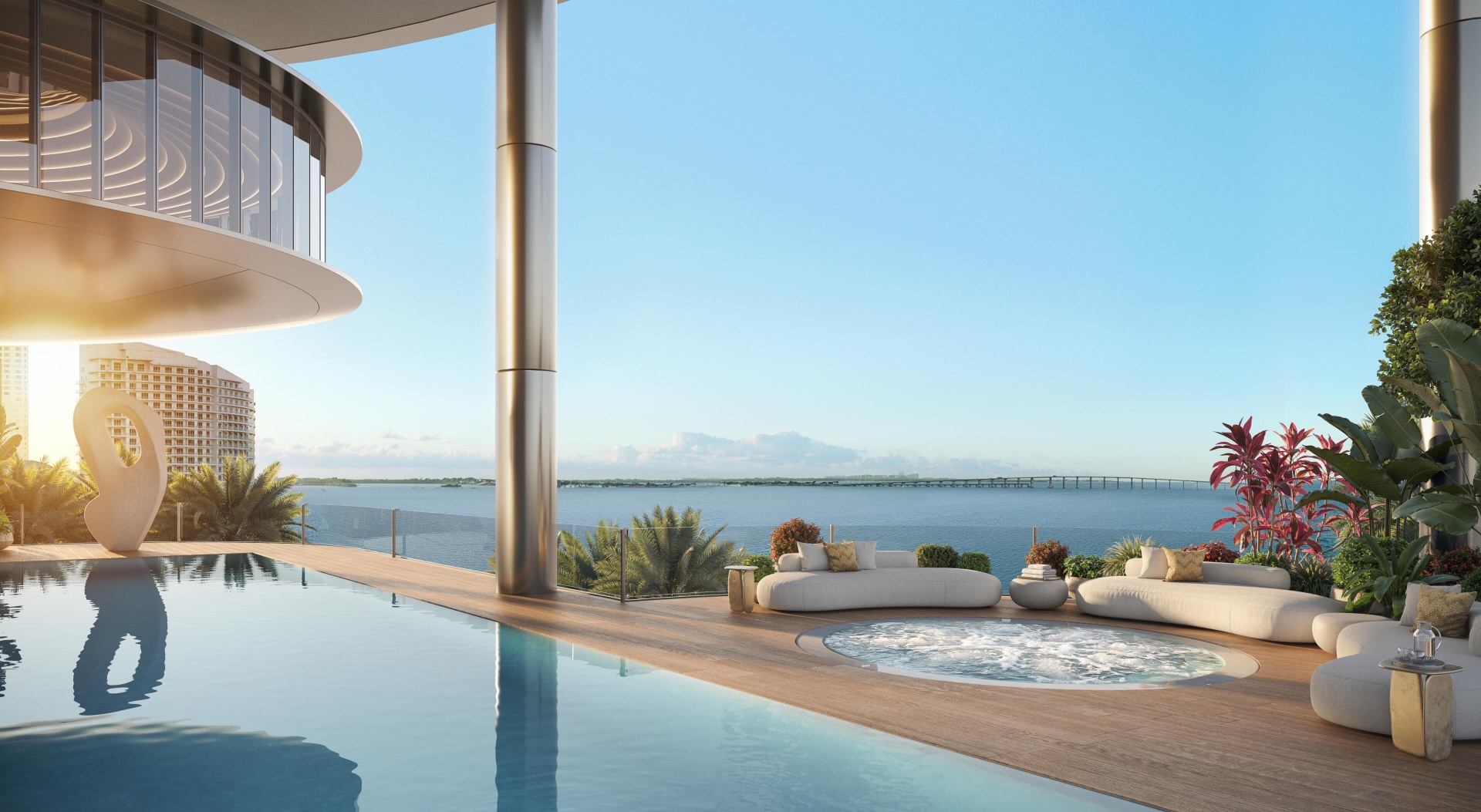
619, Foster + Partners’ Brickell waterfront tower in collaboration with Nobu, takes the most clinical approach. Its planned amenity program, per the developer’s materials, includes a Longevity Center alongside a full Nobu Spa, with offerings such as a hyperbaric chamber, cryotherapy chamber, hammam, ozone treatments, infrared therapy, Pulse PEMF, and a Neuro-Reset healing pod.
Residences are planned with circadian lighting, medical-grade HEPA air filtration, ozone-enhanced whole-home water, and low-EMF interiors per the brochure. Released pricing starts at approximately $2,815,000 according to the developer; buyers should verify current pricing and specifications with the sales team. Learn more on the project page: 619 Brickell.
Wellness as five-star concierge service: Four Seasons Coconut Grove
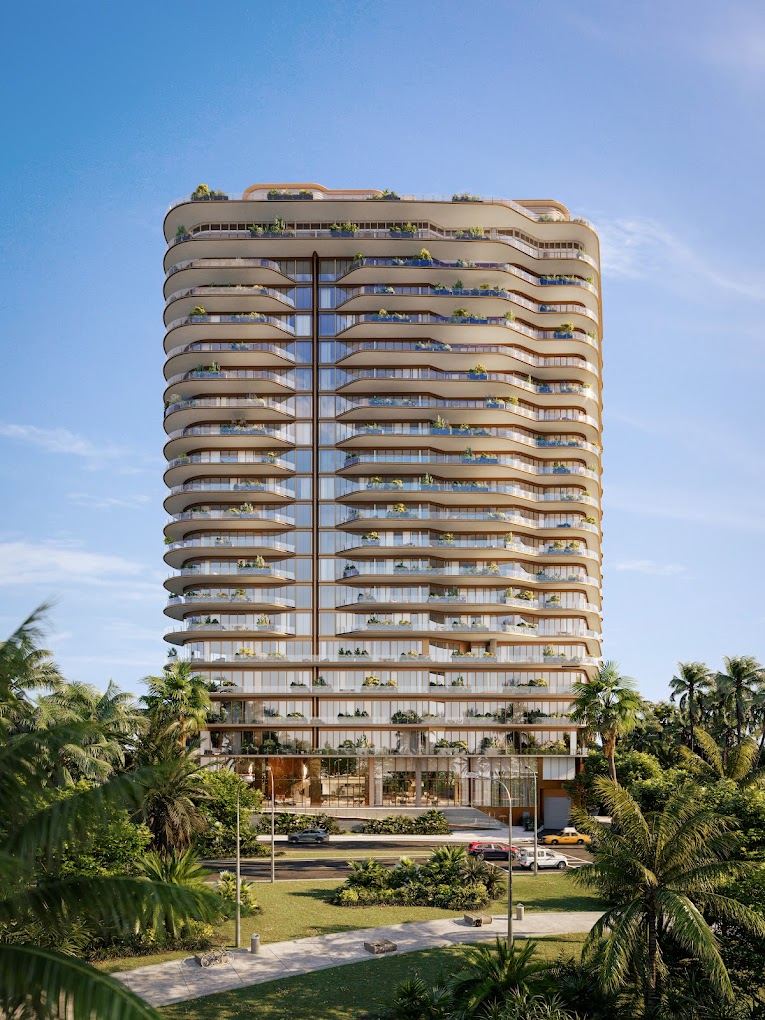
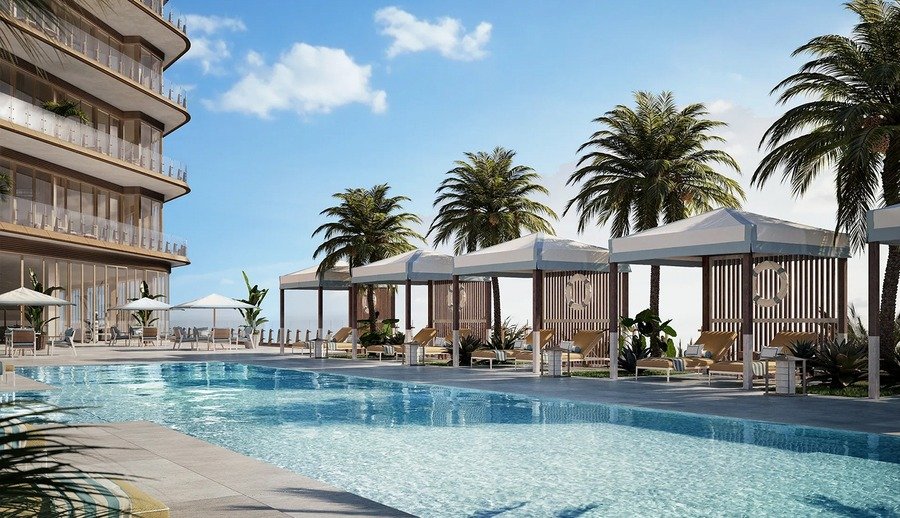
Four Seasons Private Residences Coconut Grove reflects the classic five-star approach. The 70-unit, 20-story waterfront tower — developed by CMC Group and Fort Partners — pairs a state-of-the-art gym and yoga room, a spa with treatment rooms and water experiences, and à la carte wellness programs and personal trainers with full Four Seasons service. Residences are priced from $7 million to $17 million per the fact sheet, and all are waterfront. Architecture is by Revuelta Architecture International, with interiors by Michele Bönan and landscape design by Peter Wirtz.
The fact sheet notes a Surf Club Private Membership offered with initiation fee and first-year dues waived, subject to Surf Club Private approval — a detail buyers should confirm directly with the development team.
Wellness as a coastal retreat: Rosewood Residences Hillsboro Beach
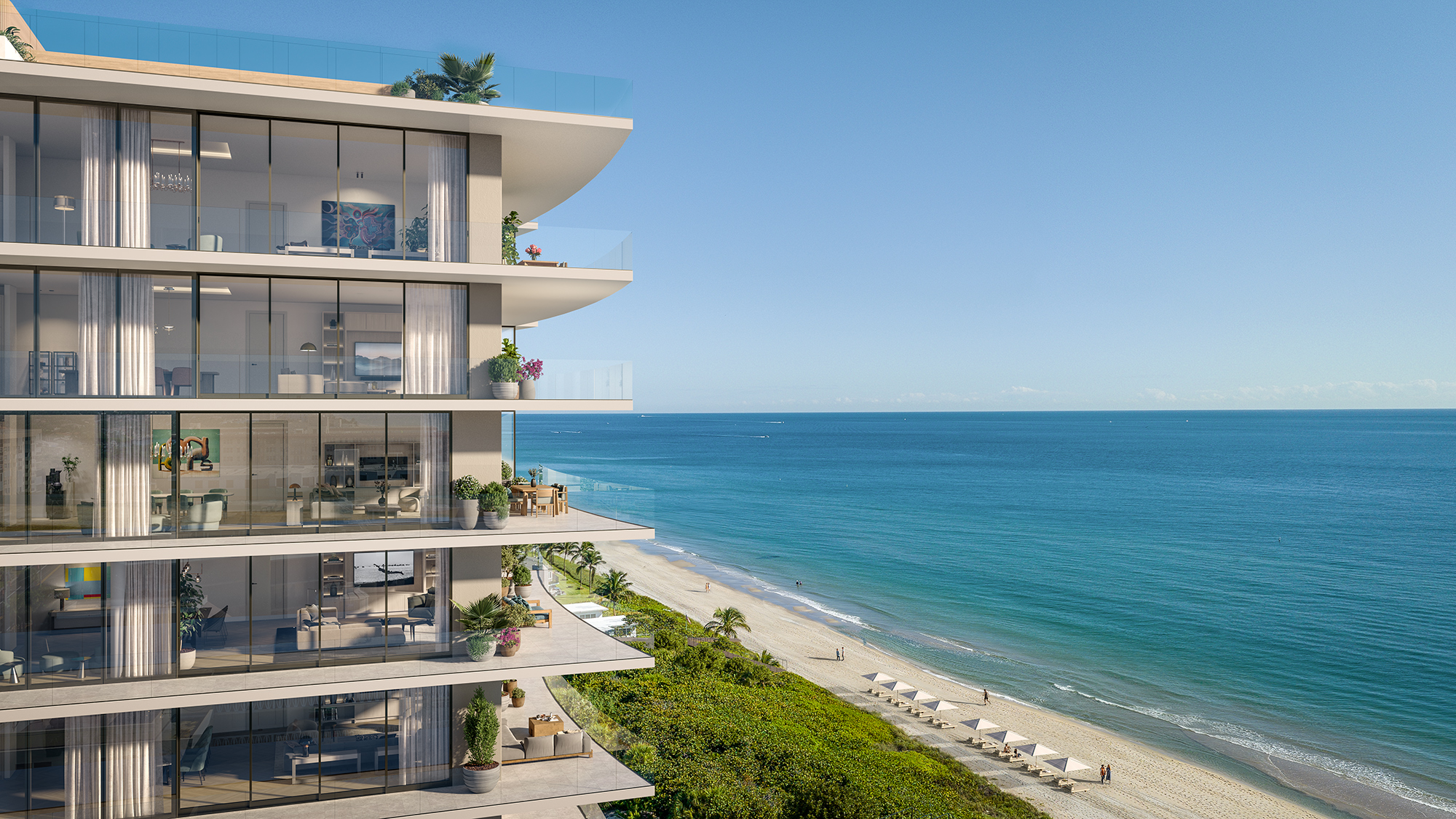
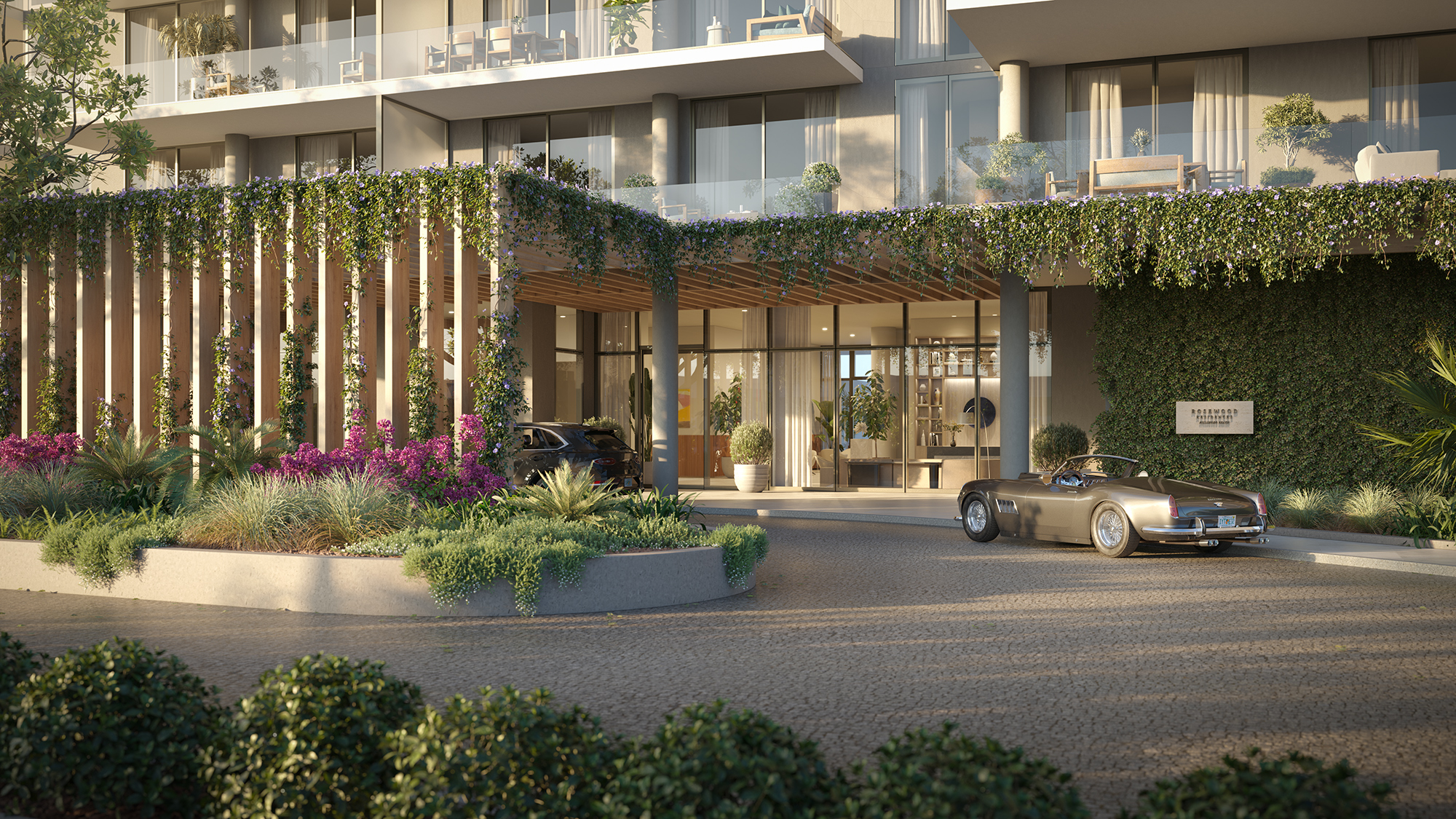
Rosewood Residences Hillsboro Beach brings a resort-wellness model to Broward County. Developed by The Related Group and Dezer Development at 1180 Hillsboro Mile, the project’s two buildings sit on 605 linear feet of beachfront and 600 linear feet of intracoastal frontage, with 92 residences total. Planned amenities include his and hers spas with saunas, hammam, hydro pools, and cold plunges; two state-of-the-art fitness centers; indoor and outdoor oceanfront yoga; and the Rosewood Reserve loyalty program for owners. Architecture is by Arquitectonica, with interiors by Studio Piet Boon.
What Buyers Should Compare Before Requesting a Brochure
Before requesting brochures and pricing on Miami wellness condos, buyers should compare ten variables side by side. HL Real Estate Group can assemble this comparison for any shortlist.
The first is starting price and price per square foot — a wellness club adds real cost, and buyers should weigh whether the program justifies the premium. The second is floor plans and ceiling heights, since wellness-oriented residences often emphasize natural light, glass walls, and flex spaces. Developer track record and architect pedigree matter more than ever; brands lend their names, but developers deliver. Brand affiliation should be examined carefully — buyers should ask whether the wellness or hotel partner operates the amenities or simply licenses its name.
Delivery timeline and deposit structure vary widely; some Miami projects require 20% at contract and additional deposits at groundbreaking and top-off. Views, orientation, and waterfront frontage affect both lifestyle and resale. Service model — concierge, valet, in-residence dining, in-home wellness — should be specified in writing. Rental policy is critical for buyers considering second-home use; some buildings restrict short-term rentals entirely. Finally, resale considerations depend on supply, brand longevity, and submarket trajectory; buyers should consult their own legal, tax, and financial advisors before committing.
All pricing, plans, and amenities described here are subject to change, and buyers should verify with the development team.
Need details on these residences?
Our advisory team can share current information on the projects referenced in this guide.
Speak With an Advisor →