The Perigon Miami Beach: OMA’s First Oceanfront Tower Comes to Mid-Beach
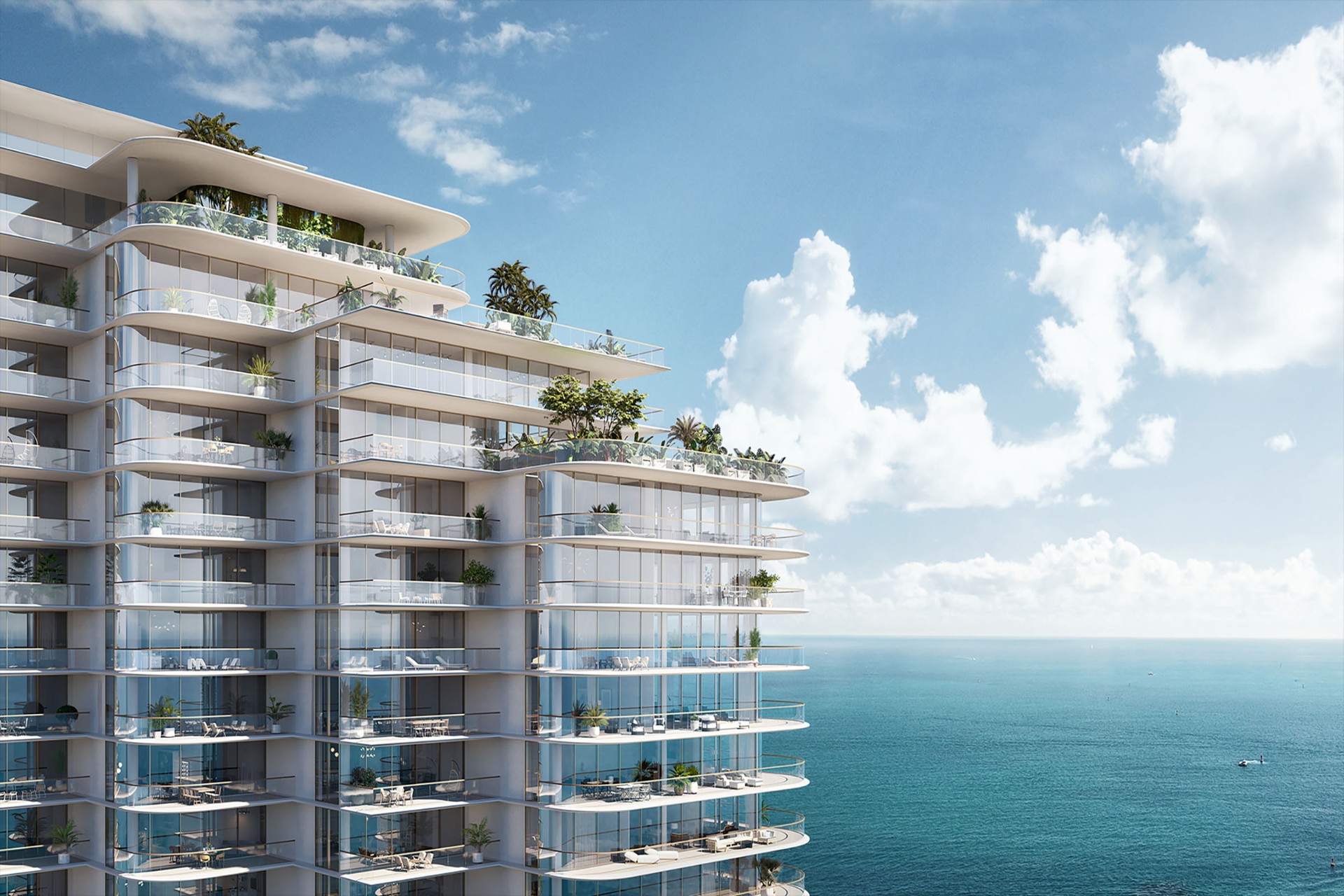
There is a specific kind of luxury residential building that the architecture world considers genuinely significant and the real estate market has historically undervalued: the building where a world-class architect has been given genuine creative latitude on a site of irreplaceable scarcity. The Perigon Miami Beach is exactly that building — and the buyers who understand what OMA’s oceanfront commission means are moving on it accordingly.
The Architecture: OMA’s First Miami Beach Oceanfront Tower
OMA — the Office for Metropolitan Architecture led by Rem Koolhaas — is one of the world’s most influential and intellectually rigorous architecture firms. Founded in 1975, the firm’s portfolio spans cultural institutions (the Seattle Central Library, the Garage Museum of Contemporary Art in Moscow, the CCTV headquarters in Beijing), master plans (the reinvention of the Hermitage Museum campus in St. Petersburg), and luxury residential towers (Park Grove in Coconut Grove, with Terra Group) that consistently generate international architectural press coverage.
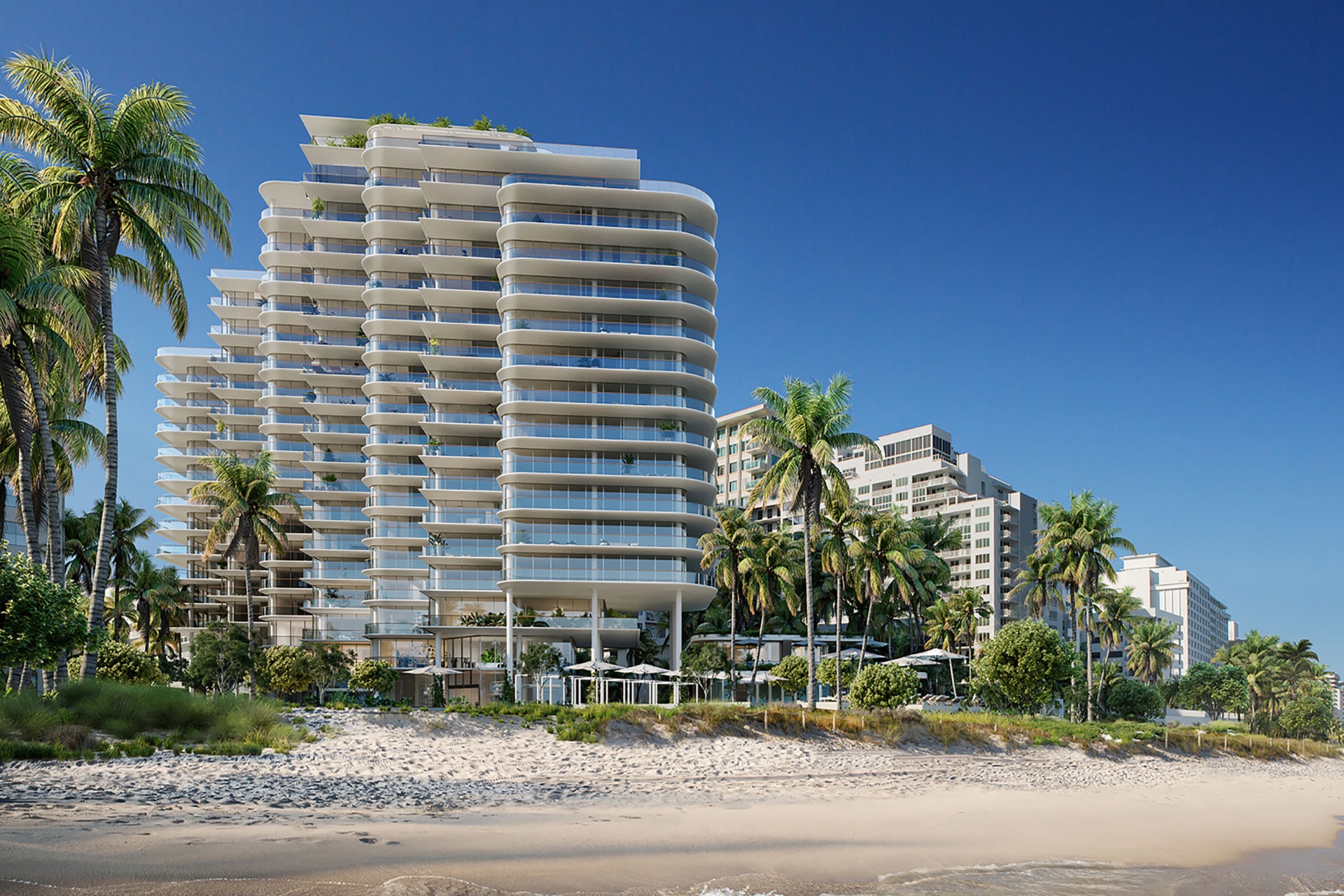
The Perigon is OMA’s first tower directly on the Miami Beach oceanfront — a site type that the firm has not previously engaged in South Florida, and one that demands a fundamentally different design approach than the bay-facing Coconut Grove site of Park Grove. Where Park Grove’s twisted towers were driven by bay view optimization and grove canopy respect, The Perigon must negotiate the Atlantic Ocean’s scale, the beachfront public realm, and the visual pressure of a building seen from both the ocean side and the city side simultaneously.
OMA’s response to this challenge — the specific architectural gestures that define The Perigon’s form — reflects the firm’s characteristic preference for building organization that serves multiple purposes simultaneously rather than producing a single maximized view tower. The result is a building that the international architecture community will study and reference; the result is also a building that produces genuinely exceptional residential spaces for its owners.
The Interiors: Tara Bernerd & Partners
Tara Bernerd is one of London’s most celebrated interior designers, known for luxury hospitality and residential projects that achieve a specific quality of timelessness — spaces that do not read as products of a particular design trend but feel as considered in ten years as they do on delivery day. Her portfolio includes the Thompson Hotels brand, Sixty Hotels, and private residential commissions for clients across the United Kingdom, Europe, and the United States.
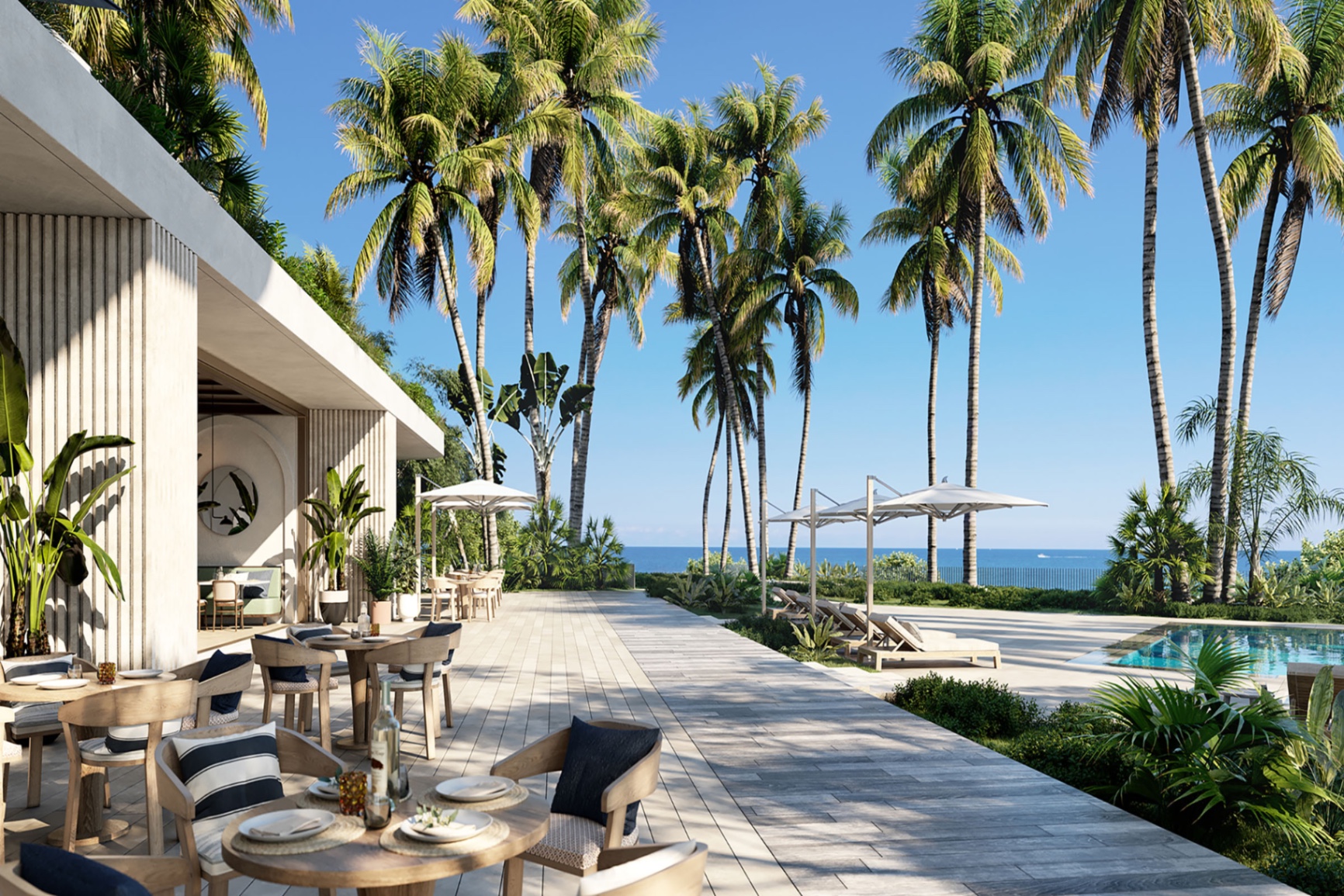
At The Perigon, Bernerd’s interiors work in dialogue with OMA’s architecture rather than in competition with it — a collaboration that requires a level of restraint and spatial intelligence that not all interior designers can bring to a commission of this scale. The material palette is expected to reflect Bernerd’s signature warmth: natural stone, warm woods, textiles with genuine tactile quality, and lighting that treats the interior as a series of curated experiences rather than a uniformly illuminated floor plate.
The Building: Scale, Unit Count, and Positioning
The Perigon is deliberately boutique. In a Miami Beach landscape dominated by large-format towers with hundreds of units — buildings where the amenity floor is as important as the residential floors because the unit count can support it — The Perigon’s low unit count is a strategic positioning decision as much as an architectural one.
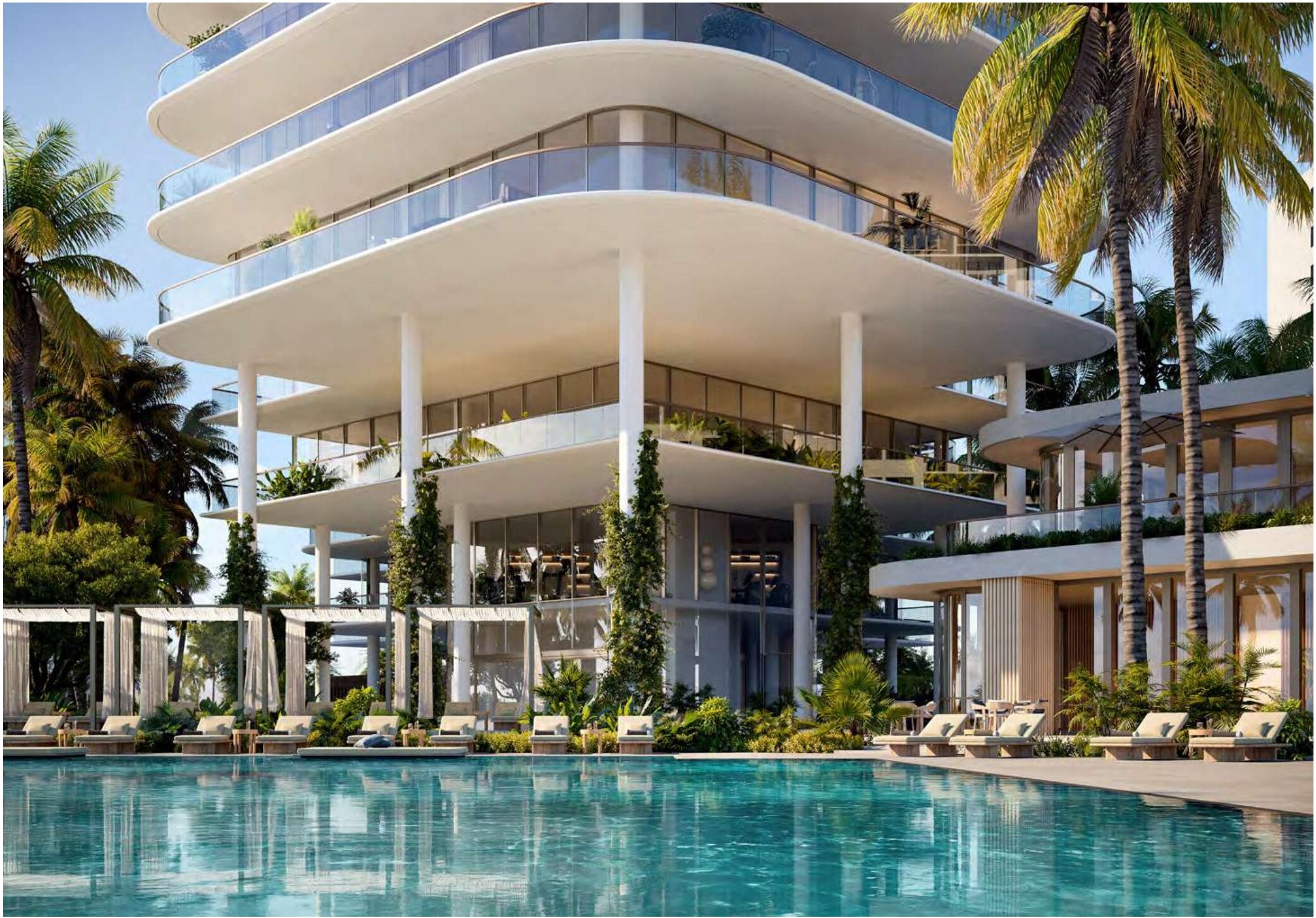
Fewer units means larger floorplates. Larger floorplates mean better proportioned spaces. Fewer owners means a more exclusive ownership community. And fewer units on an oceanfront site means that every residence can have a meaningful relationship with the Atlantic — no interior or courtyard units, no compromised views.
Pricing at The Perigon starts above $5 million, with premium units and penthouses considerably higher. The combination of OMA architecture, Tara Bernerd interiors, oceanfront scarcity, and boutique scale justifies a significant premium over comparable Mid-Beach non-branded inventory.
Mid-Beach: The Right Neighborhood at the Right Moment
The Perigon’s location on Miami Beach’s Mid-Beach corridor — roughly between 40th and 63rd Streets — positions it in a neighborhood that is undergoing a quality upgrade comparable to what South of Fifth experienced in the early 2010s. Mid-Beach has historically occupied an awkward middle ground between the hotel density of Collins Avenue’s Art Deco district to the south and the ultra-luxury Bal Harbour to the north. The arrival of The Perigon, following Eighty Seven Park’s delivery by Renzo Piano Building Workshop, is establishing Mid-Beach as a destination for buyers who want genuine architectural merit alongside Miami Beach’s oceanfront lifestyle.
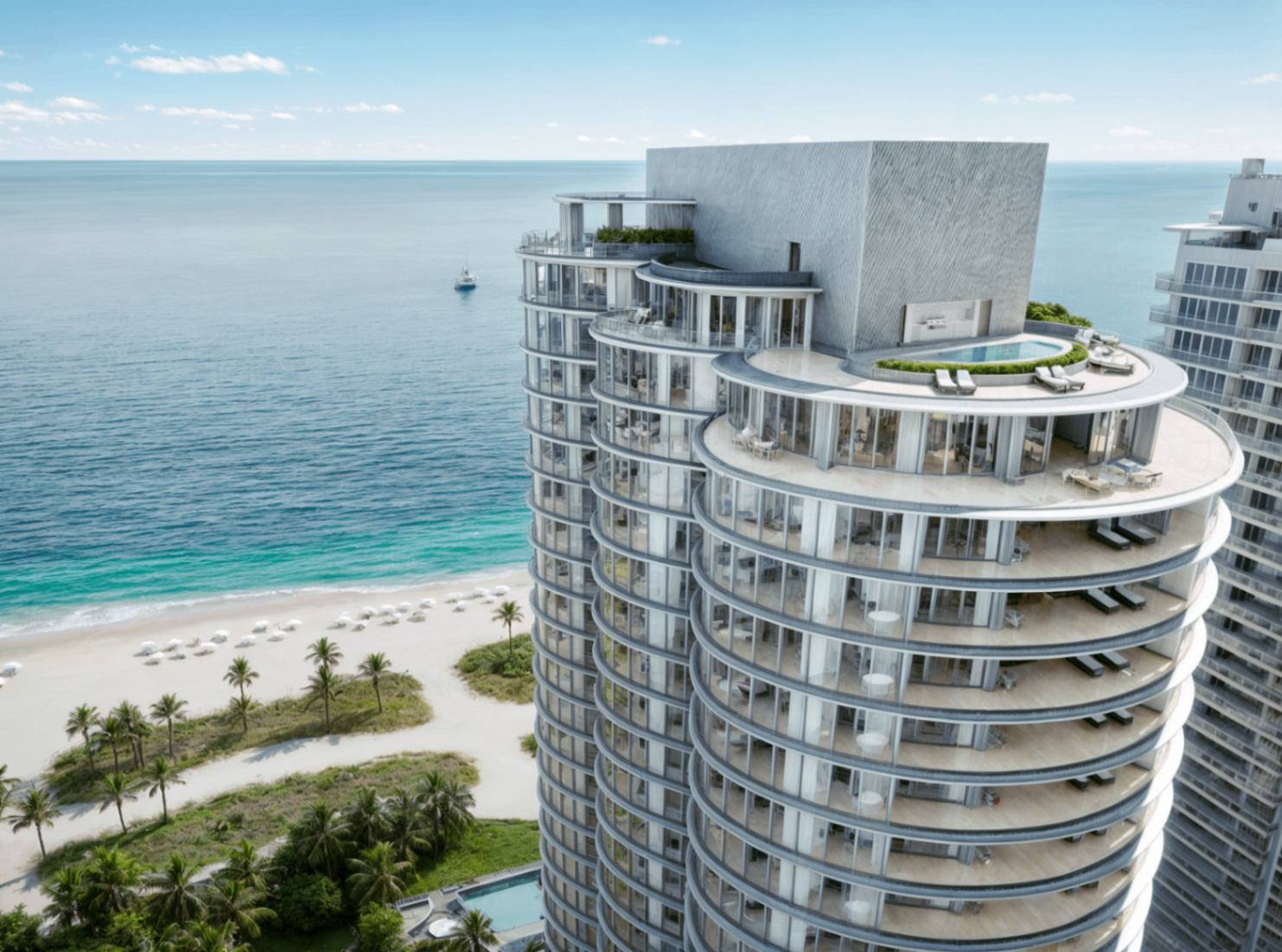
The Surf Club — Four Seasons Residences at the Surf Club, designed by Richard Meier — occupies the transition zone between Mid-Beach and Surfside and has been the most prominent architectural statement on this stretch of coastline since its 2017 delivery. The Perigon’s arrival extends the architectural merit corridor southward into Mid-Beach proper.
The Mast Capital Factor
Mast Capital’s decision to develop The Perigon as a boutique ultra-luxury building — rather than maximizing the site’s development potential with a larger tower — reflects the same development philosophy that distinguishes the firm across its portfolio. Camilo Miguel Jr. has consistently chosen depth over volume: fewer projects, higher quality, more selective positioning. The Perigon’s unit count, OMA commission, and Tara Bernerd interiors are all choices that prioritize the building’s long-term value and architectural legacy over short-term sales velocity.
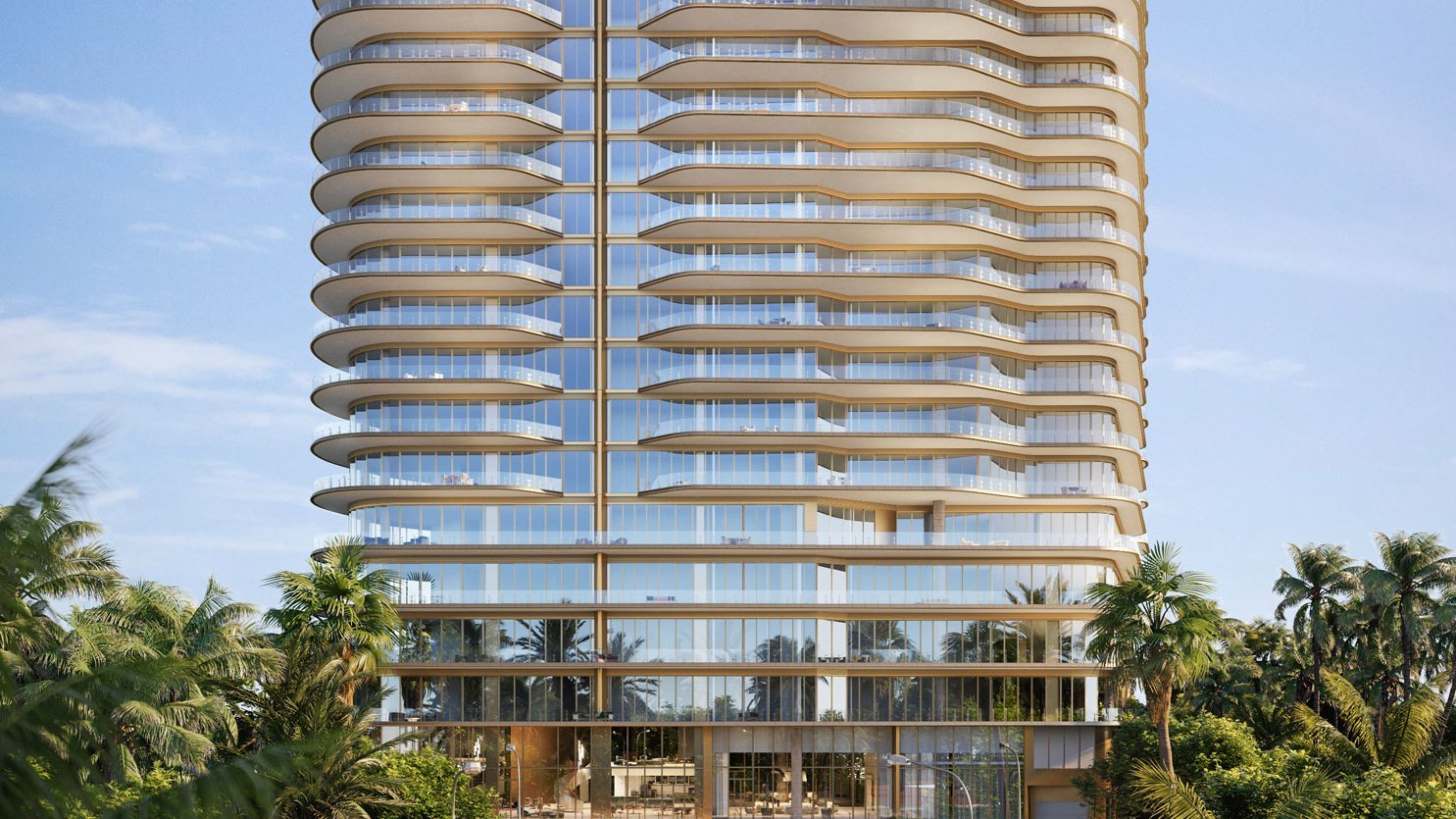
This approach has been validated at comparable boutique luxury buildings across the Miami Beach market. Eighty Seven Park — 70 units, Renzo Piano, direct park and ocean frontage — has held its value with exceptional consistency through multiple market cycles, demonstrating that buyers of ultra-luxury boutique buildings are among the most committed and least distressed sellers in the market.