Staff-to-Resident Ratios: The Hidden Quality Signal in South Florida Luxury Buildings
There is one number that predicts the quality of daily life in a South Florida luxury branded residence better than any other metric — better than the amenity list, the brand name, the price per square foot, or the architectural authorship. That number is the staff-to-resident ratio: the count of dedicated service personnel per owned residential unit, across all shifts, 365 days per year.
This metric is almost never published in developer marketing materials. It is almost never asked about by buyers during the purchase process. And it is the single most reliable predictor of the gap between what a building’s marketing promises and what a resident actually experiences on a quiet Tuesday in February.
Why Staff-to-Resident Ratio Is the Right Metric
The difference between a building that “has a concierge” and a building where you are genuinely known and anticipated by the service team is primarily a function of staffing density.
A building with 100 units and 10 total service staff — covering three 8-hour shifts, 365 days — has approximately 3–4 staff on duty at any given time. With 60–70% occupancy, each staff member manages 15–20 simultaneous resident relationships. Service is reactive but cannot be anticipatory.
A building with 100 units and 50 total service staff — the ratio that the best hotel-branded residences approach — has 15–17 staff on duty at any given time. Each staff member manages 4–5 active resident relationships. At this density, the service team knows each resident’s preferences, can anticipate needs before they are expressed, and can maintain the kind of personal relationship that makes “full service” feel genuine rather than transactional.

Typical Staff-to-Resident Ratios by Building Tier
Five-star hotel: 2–4 staff per guest room. Hotel operations maintain the highest staff densities because guests pay daily rates that fund that staffing level directly. The Four Seasons globally averages approximately 2.5 employees per room across its portfolio.
Ritz-Carlton, Four Seasons, Mandarin Oriental branded residences: 0.5–1 staff per residence. The top hospitality brands operating standalone residential buildings in South Florida mandate contractual staffing minimums as a condition of the branding agreement. At a 100-unit building, this means 50–100 total staff — 15–30 per shift — sufficient for genuinely anticipatory service.
Premium branded residences (St. Regis, Cipriani, Aman): 0.3–0.7 staff per residence. Buildings where the brand has designed the service model but the building operates primarily as a residential condominium rather than an active hotel.
Non-branded luxury condominiums: 0.1–0.3 staff per residence. Even a high-quality, well-managed one cannot justify the staffing costs that branded buildings absorb through brand fees and operational standards. Service is professional and responsive but fundamentally reactive.
Standard condominium: 0.05–0.1 staff per residence. A building manager, maintenance staff, and perhaps a lobby attendant. No pretense of hospitality-grade experience.
How to Find the Ratio for a Building You Are Evaluating
For new development: ask the sales team for the building’s operational staffing plan — total headcount by department, shift schedule, and the resulting ratio per unit. Legitimate branded buildings with genuine service commitments will have this document; buildings that cannot produce it are signaling that the staffing has not been planned with the specificity that real service delivery requires.
For completed buildings: review the annual HOA budget — specifically the personnel line items. Staff costs in a well-run luxury building are 40–60% of total operating budget. Dividing total staff cost by average annual compensation (roughly $60–$80K all-in for service staff in South Florida) gives a rough headcount estimate that you can then ratio against total unit count.
Talk to residents: the most direct source of information about actual service quality is current residents. Building management cannot control what owners tell prospective buyers in conversation; resident feedback is the most reliable ground truth available.
The Insurance Actuaries Know This Number
One of the most revealing external validations of staff-to-resident ratio as a quality signal comes from the insurance industry. Insurance actuaries who underwrite property and liability policies for luxury condominiums have noted a consistent pattern: buildings with higher staff-to-resident ratios — particularly buildings operated by recognized hospitality brands — experience fewer claims, better maintenance outcomes, and lower long-term liability exposure than comparable non-branded buildings.
The reason is mechanical rather than brand-related: buildings with adequate staffing inspect, repair, and maintain common areas and building systems more consistently than understaffed buildings. The correlation between staffing density and building quality outcomes is direct and measurable — and it is why insurers increasingly factor operational staffing into their underwriting assessments of luxury residential buildings.
What the Best Buildings in South Florida’s Current Pipeline Are Planning
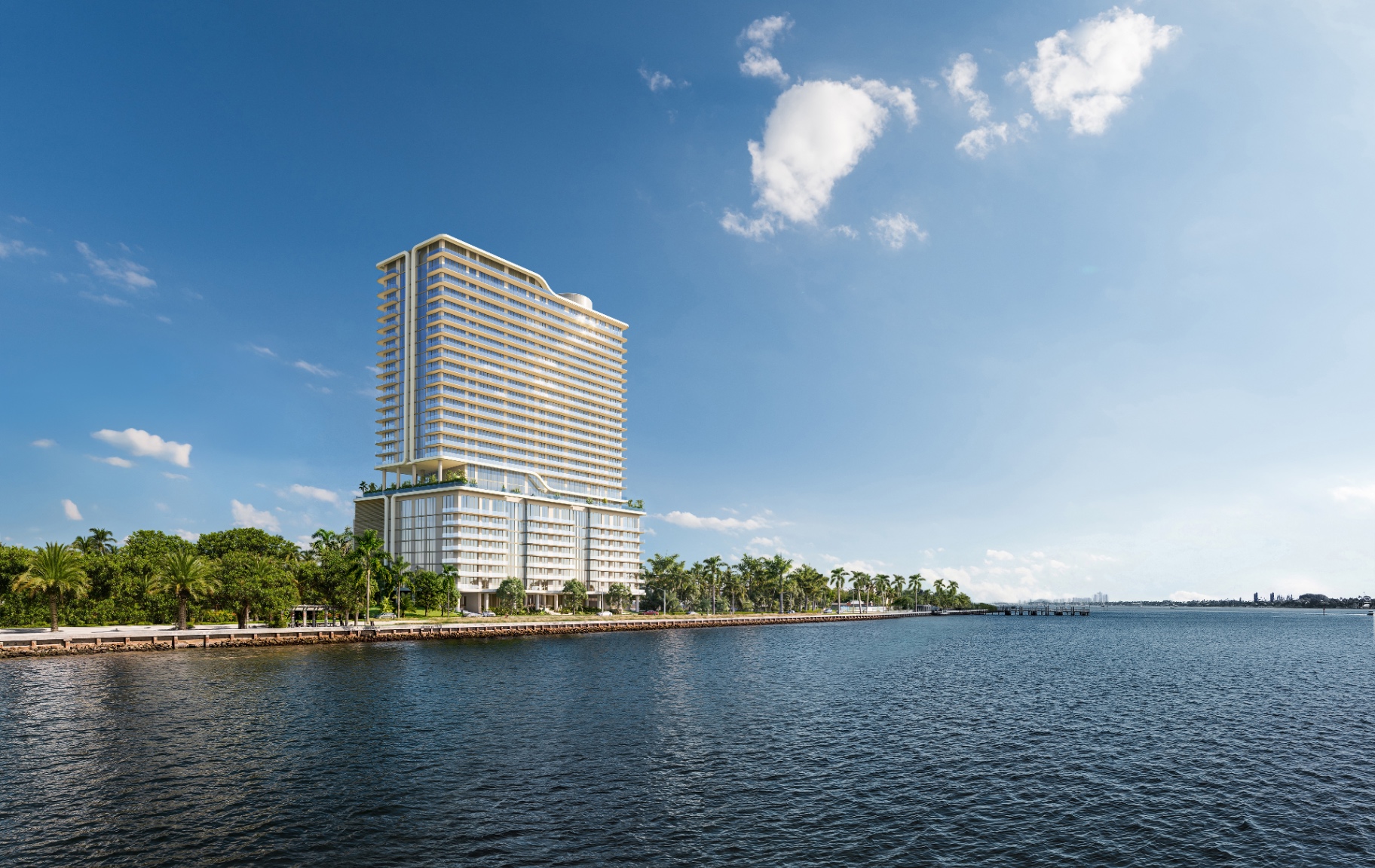
Four Seasons Private Residences Coconut Grove (70 units, 2028 delivery): CMC Group and Fort Partners have committed to Four Seasons operational standards — which include specific staffing minimums as a condition of the brand agreement. A 70-unit Four Seasons residential building is expected to staff at approximately 0.8–1 staff per residence, consistent with the brand’s global residential service model.
Ritz-Carlton Residences West Palm Beach: Operated by Related Group with Ritz-Carlton brand standards. The Ritz-Carlton’s residential service philosophy — which is distinct from but informed by its hotel operation — targets staffing levels that produce the butler service and lifestyle concierge capabilities the brand promises.
Aman Residences Miami Beach: Aman’s global operating philosophy of near-zero transient guests (hotels cap at 30–40 rooms) and extremely high staff-to-guest ratios (Aman resorts typically run 3:1 or higher) will translate to the Miami Beach residential context in a service density that is genuinely exceptional.
For frequently asked questions on staff-to-resident ratios and how they affect resale value, see the Luxury Real Estate Investing Q&A hub.
Need details on these residences?
Our advisory team can share current information on the projects referenced in this guide.
Speak With an Advisor →