The South Florida New-Development Buyer’s Checklist
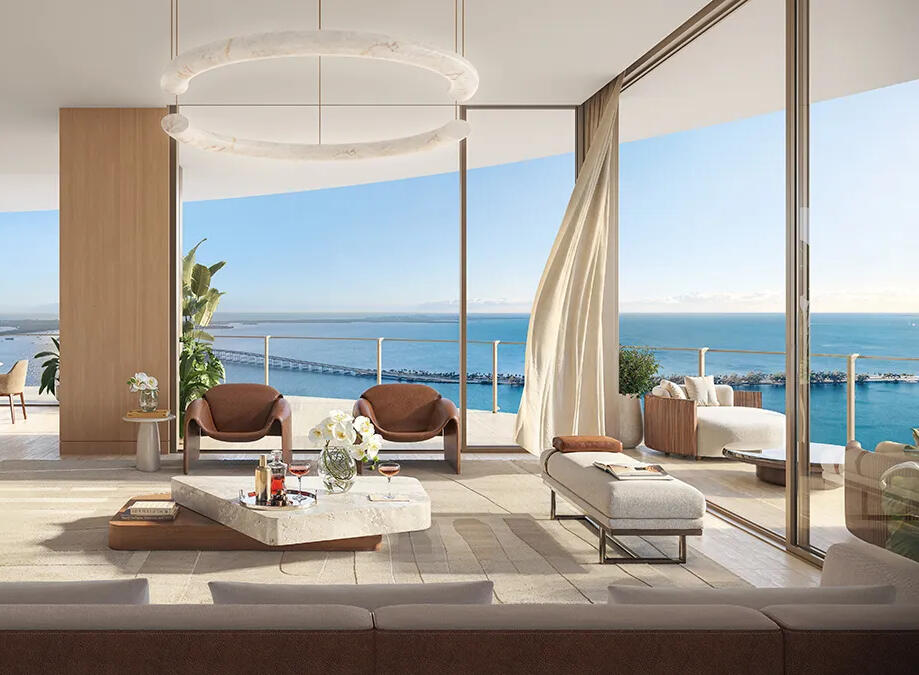
The South Florida new-development buyer’s checklist covers seven verification steps before reserving or signing: vet the development team, confirm the project’s construction stage, review the residence on paper rather than in the sales gallery, compare branded residences carefully, read the contract and deposit schedule, understand why pricing and availability change, and engage representation early. Pricing, availability, deposit schedules, timelines, and amenities are subject to change and should be verified directly with the development team. HL Real Estate Group, the team behind Haute Living’s South Florida new-development coverage, helps buyers request current pricing, floor plans, brochures, and private preview information across Miami, Fort Lauderdale, West Palm Beach, Palm Beach Gardens, and Hillsboro Beach.
Why This Checklist Matters
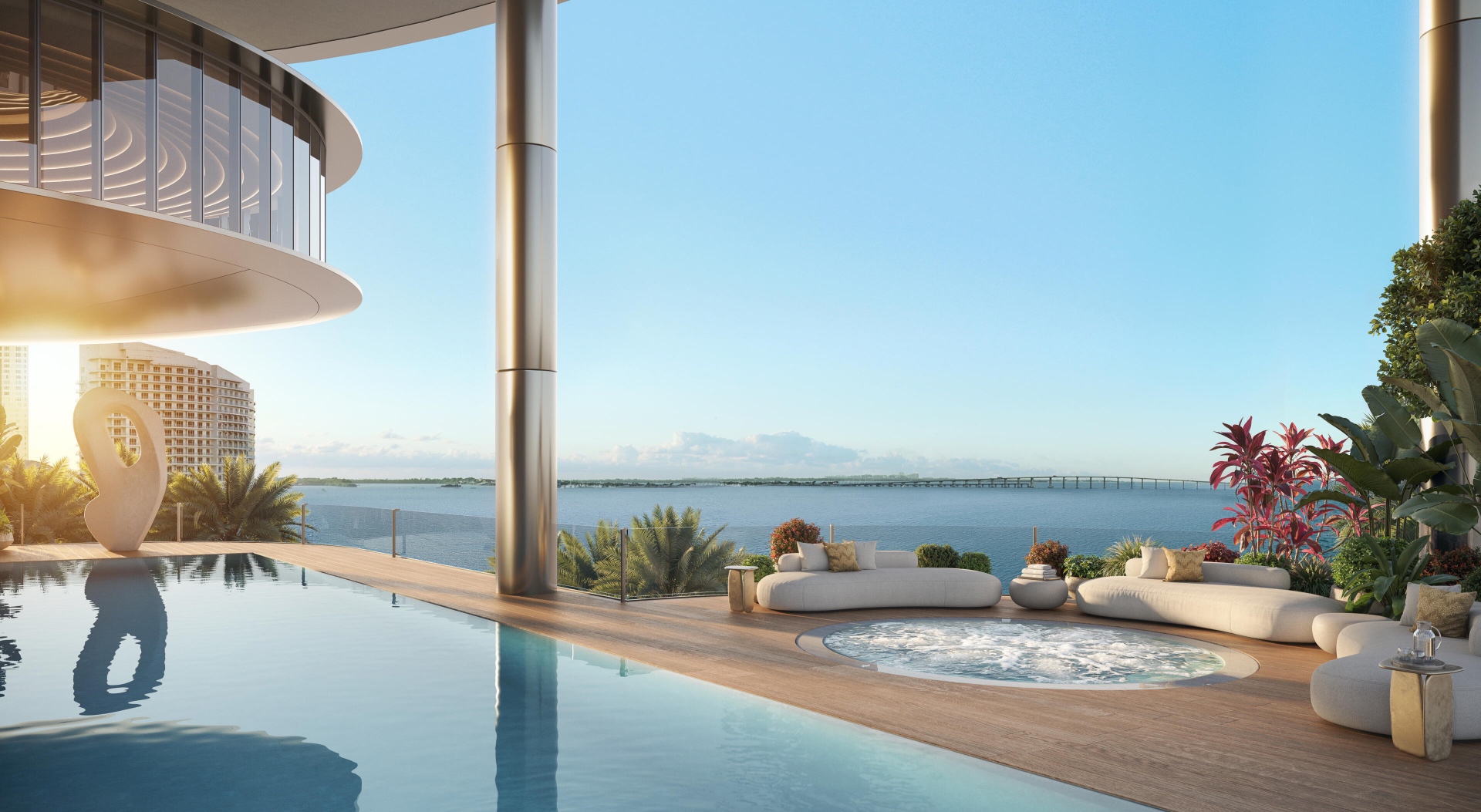
South Florida’s new-development pipeline has matured into one of the most concentrated luxury markets in the country. Across Miami, Fort Lauderdale, West Palm Beach, Palm Beach Gardens, and Hillsboro Beach, branded residences, waterfront towers, and design-led pre-construction projects are reshaping how high-net-worth buyers consider home ownership in Florida.
For buyers entering this market — whether relocating, diversifying a portfolio, or upgrading within the region — the decision is rarely about a single building. It is about understanding the development team, the contract structure, the deposit schedule, and how the residence will live three, five, and ten years after closing.
This South Florida new-development buyer checklist is the framework HL Real Estate Group uses with buyers researching new construction and pre-construction. It is designed to sharpen the questions buyers ask before they tour, reserve, or sign.
Step 1 — Vet the Development Team Before the Residence
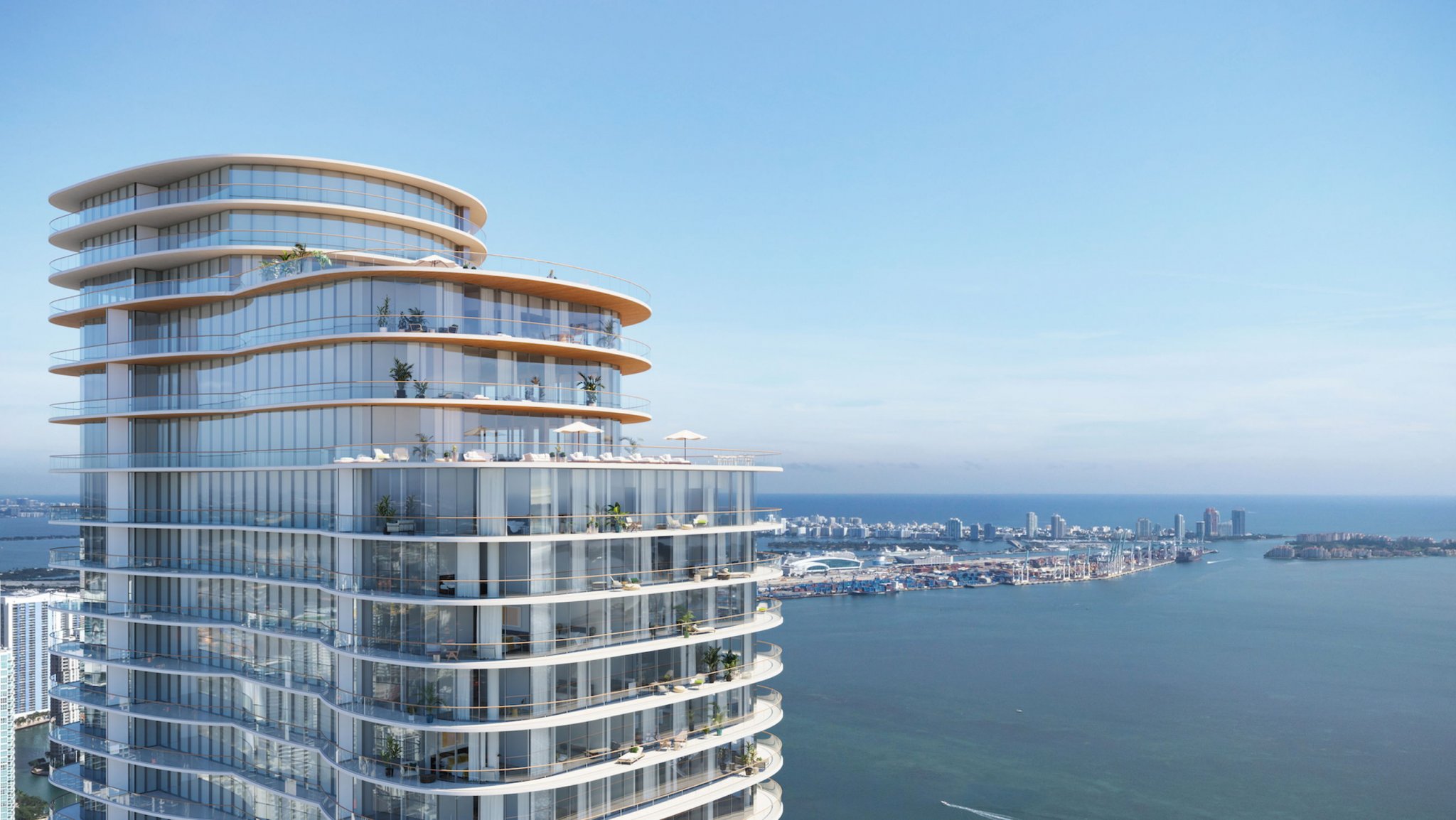
Before evaluating any individual residence, evaluate the people building it. The strongest South Florida projects are anchored by a recognized developer, a credentialed architect, an interior designer with a defined portfolio, and — in the case of branded residences — a hospitality operator whose service standards will define daily life inside the building.
What to verify
- The developer’s recent delivered projects in South Florida and how those buildings have performed post-delivery
- The architect’s residential portfolio
- The interior designer’s body of work, particularly in the same price segment
- The general contractor and projected construction timeline
- The hospitality or lifestyle brand’s residential standards, where applicable
Buyers should verify all team information directly with the development team, as projects can experience scope or team changes during the sales cycle.
Step 2 — Confirm the Project’s Stage
“New development” is an umbrella term that covers several distinct stages, each with different implications for price, customization, and timing.
| Stage | What it means | Typical buyer considerations |
|---|---|---|
| Pre-Construction | Pre-groundbreaking; sales gallery open | Earliest pricing tiers, longest timeline, deposit staged over construction |
| Under Construction | Vertical construction underway | Pricing typically adjusts upward; fewer residences remain |
| Near Completion | Tower topped off, finishes underway | Shorter timeline to closing; remaining inventory often premium-positioned |
| Sales Now Open / Limited Availability | Marketing language indicating active sales phase | Buyers should confirm exactly what is available |
When HL Real Estate Group introduces a buyer to a project, the team confirms the current stage, current inventory, and what is realistically available at the buyer’s price range and preferred exposure.
Step 3 — Review the Residence on Paper, Not in the Sales Gallery

Renderings and model residences are inspirational. The contract and floor plans define what a buyer is actually purchasing.
Floor plans and square footage
Buyers should review final floor plans rather than marketing floor plans, confirm how square footage is measured (interior, exterior, or center-of-wall), and verify ceiling heights. Terrace square footage should be reviewed separately from interior square footage.
Standard finishes and inclusions
Finish packages vary significantly between developers. Buyers should ask:
- Appliance package brand, series, and configuration
- Standard kitchen and bath finishes versus upgrade options
- Whether closet build-outs, window treatments, and motorized shades are included
- Storage and parking allocation per residence
Views, exposure, and future construction
A south-facing residence on the 30th floor today may have a different view in five years. Buyers should review surrounding zoning, planned or approved nearby developments, and any view-protected covenants. This matters along the Miami waterfront, the Fort Lauderdale Intracoastal corridor, and the rising West Palm Beach skyline.
Step 4 — Compare Branded Residences Carefully
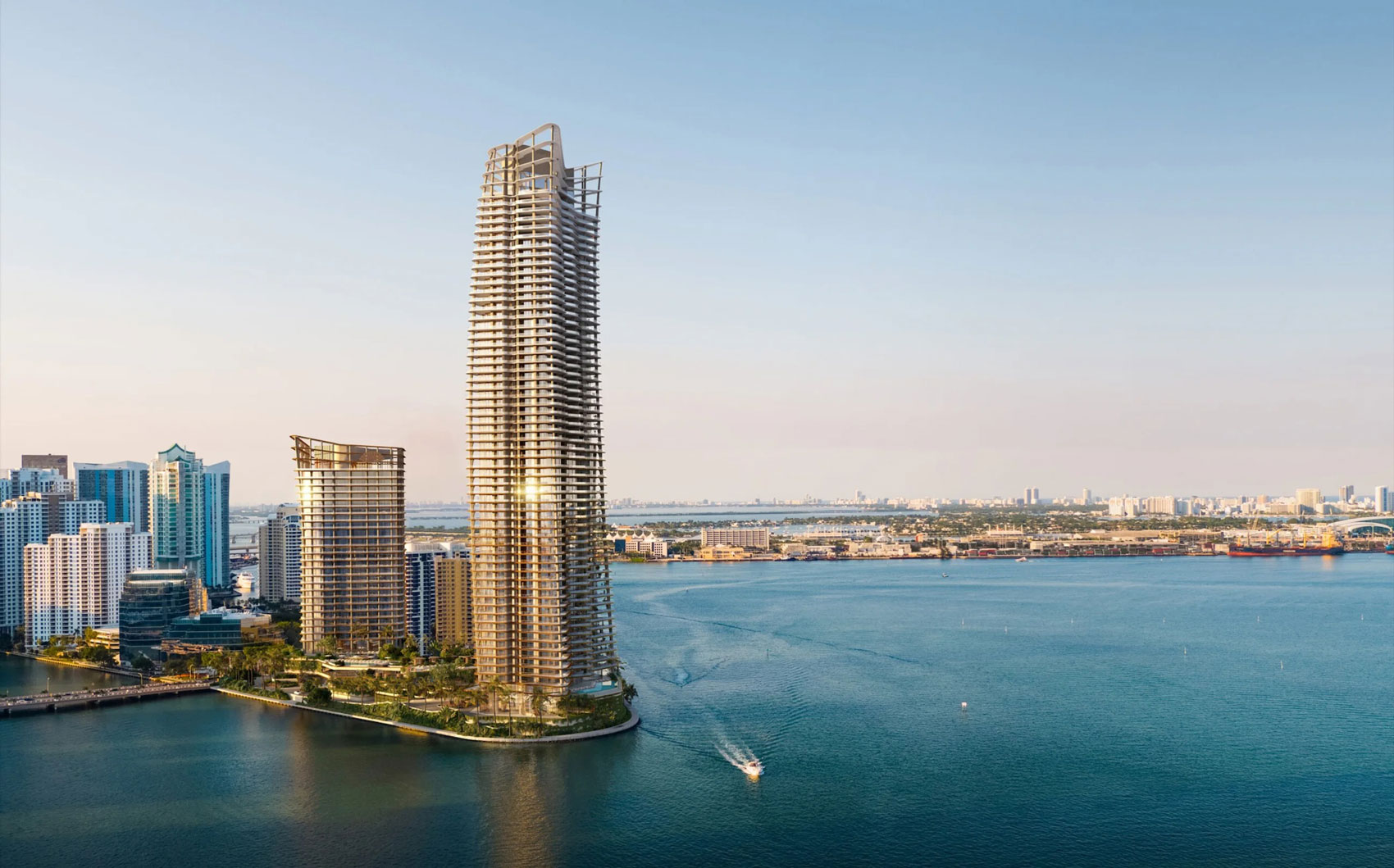
Branded residences — projects affiliated with a hospitality, fashion, or lifestyle brand — are a defining category in South Florida. The brand affiliation shapes service, design language, and resale narrative. It also shapes price.
How buyers should compare branded residences
- Brand involvement: Is the operator running the building’s hospitality program, or is the brand licensed for naming and design oversight only?
- Service program: What is included in HOA fees versus à la carte? What hours are key services staffed?
- Design standards: Are interior finishes specified by the brand or by the developer?
- Track record: How has the brand performed in other residential markets?
The South Florida pipeline currently includes projects across multiple brand categories — hospitality-led residences such as Cipriani Residences Miami and The St. Regis Residences, Miami; design- and lifestyle-led projects such as Villa Miami; resort-anchored residences such as The Residences at Mandarin Oriental, Miami; and design-driven towers such as Bentley Residences Sunny Isles Beach and 619 Brickell. Each represents a different model of brand integration, and the differences matter.
Step 5 — Read the Contract Before You Sign
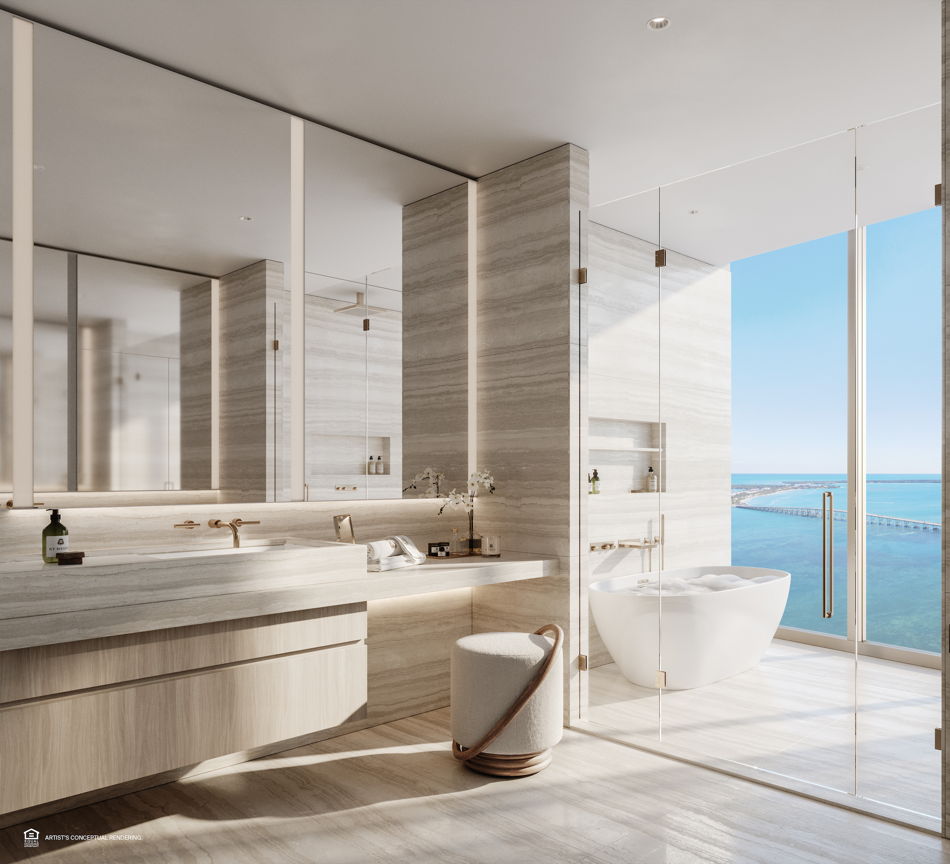
Florida pre-construction contracts are developer-friendly by default. Buyers benefit from understanding the structure before signing rather than after.
Deposit schedule
Most South Florida pre-construction projects follow a staged deposit schedule, typically beginning with an initial reservation, followed by deposits tied to contract execution, groundbreaking, and construction milestones. Exact percentages and timing vary by project and should be confirmed with the development team. Buyers should also confirm where deposits are held and under what terms.
Closing timeline and delivery dates
Anticipated completion dates are estimates, not commitments. Buyers should review contract provisions for delays, the developer’s obligations in the event of extended timelines, and how closing is structured. Most contracts allow developers a defined window beyond the projected completion date.
Rental, assignment, and resale restrictions
Branded residences often carry restrictions on short-term rentals, assignment of contracts before closing, and listing during the developer’s sell-out period. Buyers planning to use a residence seasonally, rent it, or resell early should review these provisions carefully.
HOA fees, reserves, and amenity dues
Initial HOA budgets are projections. Buyers should request the projected HOA budget, confirm which services and amenities are included, and ask how reserves are funded. Branded residences sometimes carry an additional brand or amenity fee separate from base HOA dues.
This guide is editorial and is not legal, tax, or financial advice. Buyers should engage qualified professionals to review their specific contract.
Step 6 — Understand Why Pricing and Availability Change
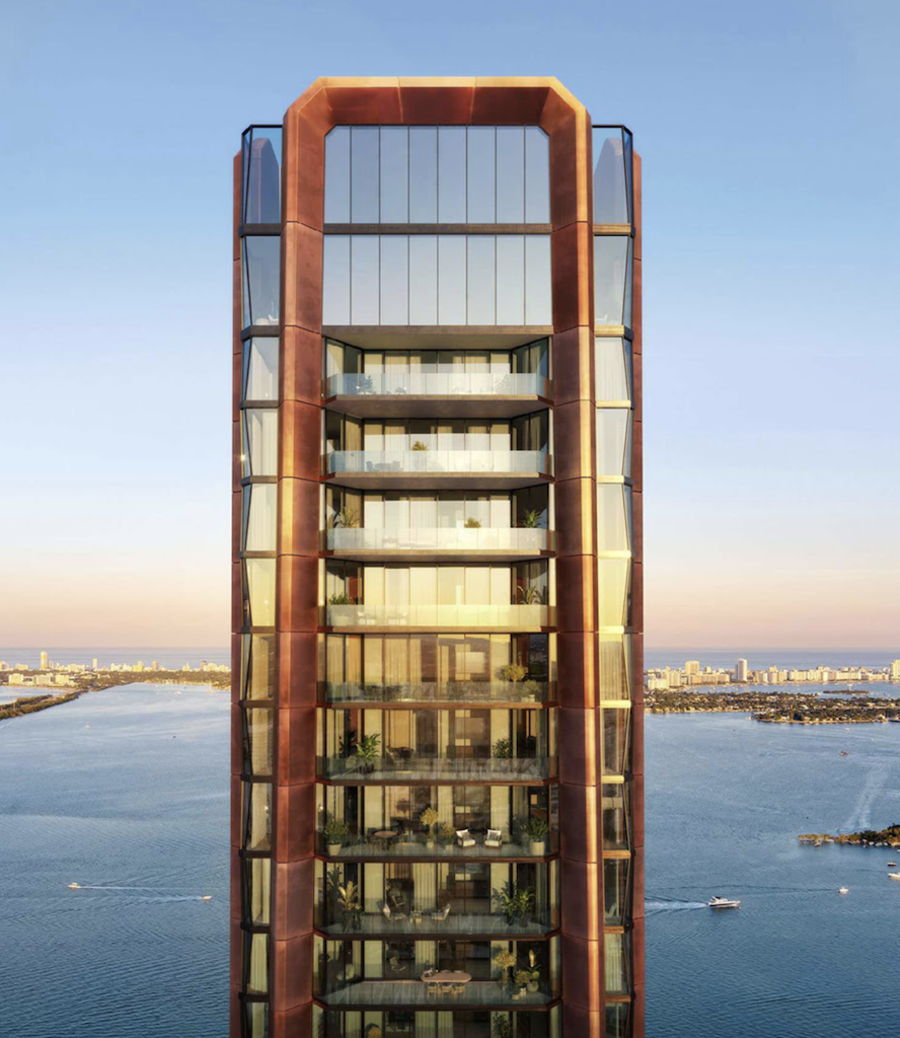
Pre-construction pricing is not static. Developers typically release inventory in phases, with pricing adjusted as construction milestones are reached, as demand absorbs inventory, and as the market shifts. Floor premiums, view premiums, and stack preferences also move with availability.
This is why HL Real Estate Group does not publish fixed pricing inside editorial coverage. Pricing, availability, deposit schedules, timelines, and amenities are subject to change and should be verified directly with the development team at the time of inquiry.
Step 7 — Engage Representation Early
Buyers benefit from representation before they tour a sales gallery and before they sign a reservation. Some incentives, residence selections, and contract terms are easier to address at first contact than later in the process.
HL Real Estate Group is the real estate team behind Haute Living’s South Florida new-development coverage. The team is backed by more than 20 years of Haute Living relationships across luxury real estate, hospitality, design, lifestyle, and media, and focuses on select developers, branded residences, waterfront towers, and projects that meet the standard of the Haute Living audience.
For buyers, that translates into:
- A curated view of projects worth considering, rather than every listing on the market
- Current pricing, floor plans, brochures, and residence availability sourced from development teams
- Side-by-side comparisons across markets and brands
- Private preview coordination at sales galleries
- Discreet introductions for buyers who prefer not to be on broad mailing lists
Complimentary. Discreet. No obligation.