South Florida Luxury Condo Rental Rules: What Investors Need to Know
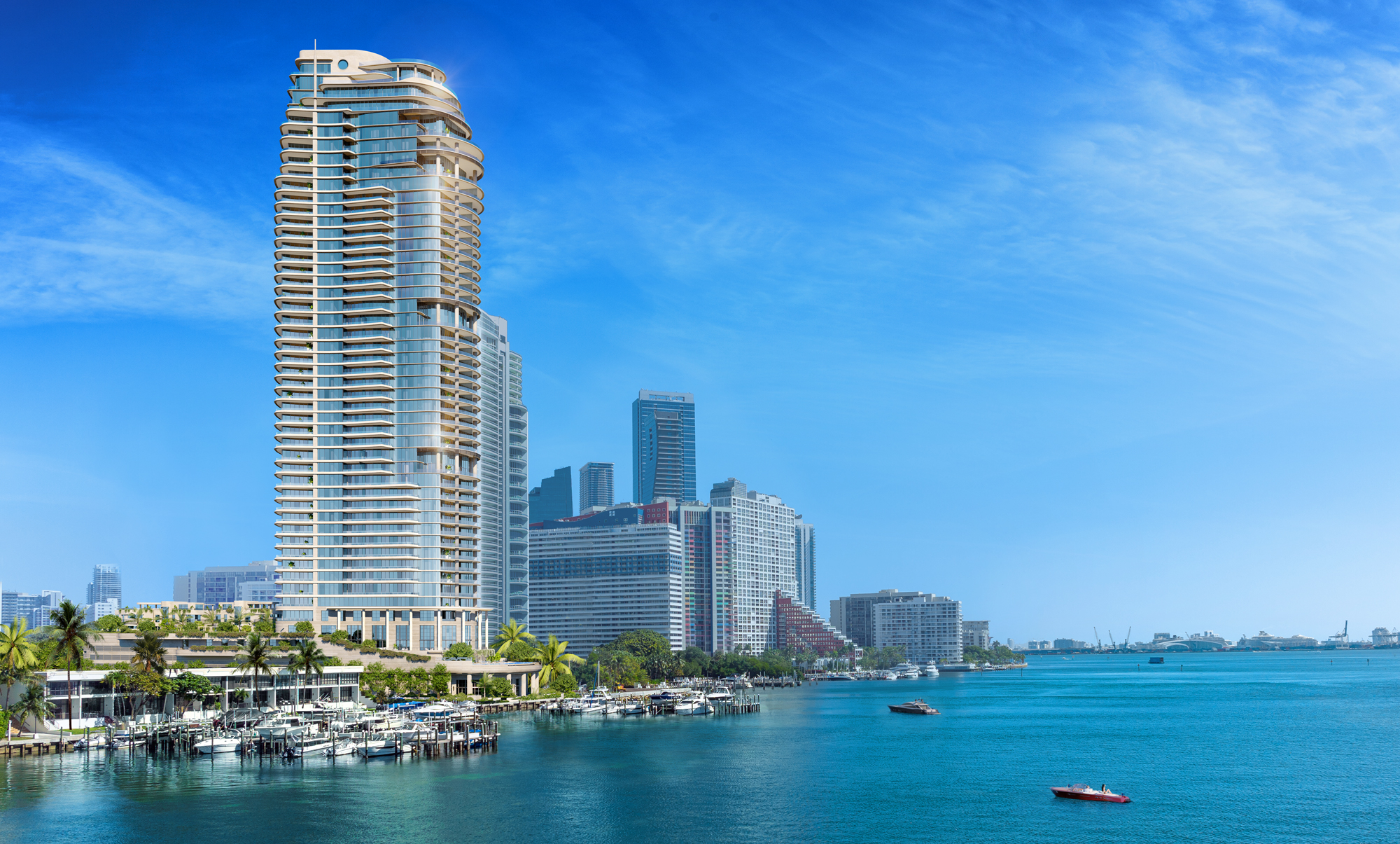
The South Florida luxury new development market is not, primarily, an investor market. The majority of branded residence buyers in Cipriani, Mandarin Oriental, Ritz-Carlton, and St. Regis buildings are purchasing for personal use — as primary residences, second homes, or lock-and-leave pied-à-terres. The hospitality brands that lend their names to these buildings are motivated by the prestige of an owner-occupied, full-service residential community, not by the rental yield optimization goals of investor buyers.
This alignment of interests produces rental restriction policies that are, in many South Florida branded buildings, significantly more restrictive than buyers with investment intentions expect. Understanding the rental policy before you sign a contract is not optional — it is the difference between a building that works for your intended use and one that doesn’t.
The Spectrum of Rental Restriction Policies
South Florida luxury condo rental policies exist on a spectrum from highly restrictive to relatively flexible. The key parameters:
Minimum lease term: The most universal restriction. Most luxury branded buildings require a minimum lease term of 6 months, 12 months, or in some cases 24 months. The practical effect is to eliminate short-term vacation rental income (Airbnb, VRBO) and restrict the building to long-term tenants. At 12-month minimums, the building functions as a conventional luxury apartment building for rental purposes.
Annual rental cap: Some buildings limit the number of times a unit can be rented per year — typically 1 or 2 rentals annually regardless of term length. This prevents an investor from turning over short-term tenants rapidly and reinforces the owner-occupant character of the building.
Owner approval of tenants: Many luxury branded buildings require the condominium association to approve tenants before lease execution — a board approval process that can take 2–4 weeks and that may include background checks, financial qualification requirements, and in-person interviews. This process reinforces community quality but adds friction to the rental process.
Investor caps: Some buildings limit the percentage of units that can be rented at any one time — typically 20–40% of total units. When the building reaches its rental cap, additional owners seeking to lease their units must wait until an existing rental terminates. In high-demand buildings, this cap can effectively prevent investor buyers from renting their units for extended periods.
Short-term rental prohibition: Virtually all South Florida luxury branded buildings explicitly prohibit short-term rentals (typically defined in declarations as less than 30 days; municipal definitions differ, as explained below). This prohibition is typically embedded in the condominium declaration — the foundational governing document — and is extremely difficult to modify once established.
How to Check Whether a Condo Allows Short-Term Rentals
"Short-term" doesn’t mean the same thing everywhere in South Florida, so start with definitions. Florida’s Department of Business and Professional Regulation (DBPR) requires a vacation rental license when a unit is rented more than three times a calendar year for less than 30 days or one calendar month, whichever is less, or is advertised as regularly rented. The City of Miami treats a unit as transient when it is rented more than three times a year for less than 30 days. The City of Miami Beach defines a short-term rental as a stay of less than six months and one day. Coral Gables bars stays of less than six months in areas zoned single-family or multifamily residential. A condominium declaration can be stricter than any of these, but never looser than the law.
STR permissions are set by each building’s condo documents and local law; confirm before you buy.
Where to look in the documents:
- The declaration’s leasing article. Look for minimum lease terms, limits on how often a unit can be leased, and any language prohibiting "transient," "hotel" or "short-term" occupancy. Also check board approval or registration requirements and any leasing fees.
- The rules and regulations. Look for guest registration, occupancy limits, and amenity, parking and move-in rules that apply to renters.
- Any rental-program or management agreement. Find out whether the building has an exclusive on-site operator, what share of revenue it keeps, and whether it limits owner stays or requires you to use its program.
- The estimated operating budget. Check whether front-desk, security and housekeeping costs reflect a building with guest turnover.
When you buy a new unit from a developer, Florida Statute 718.503 requires these documents to be delivered to you. The contract is voidable by the buyer for 15 days after you sign and receive them all, and again after any materially adverse amendment. Use that window to read the leasing provisions line by line.
Can the association change the rules later? Under Florida Statute 718.110(13), an amendment that prohibits rentals, changes the permitted rental term or limits how often a unit can be rented applies only to owners who consent to it and to owners who acquire title after it takes effect. Restrictions already in the documents when you buy still bind you, and a new restriction can bind the next buyer of your unit, which affects resale value.
A permissive declaration isn’t a license. Even where the documents allow nightly stays, the unit still needs municipal approvals, such as a Certificate of Use and Business Tax Receipt in the City of Miami or a Business Tax Receipt and Resort Tax account in Miami Beach, plus a DBPR license. Tourist taxes must also be remitted. Our Miami Short-Term Rental Condo Investor Report 2026 walks through each step. For the new buildings whose developers market short-term rentals, see The Airbnb Collection: Miami’s Short-Term-Rental-Friendly New Condos (2026).
Branded Building Rental Policies — What to Expect
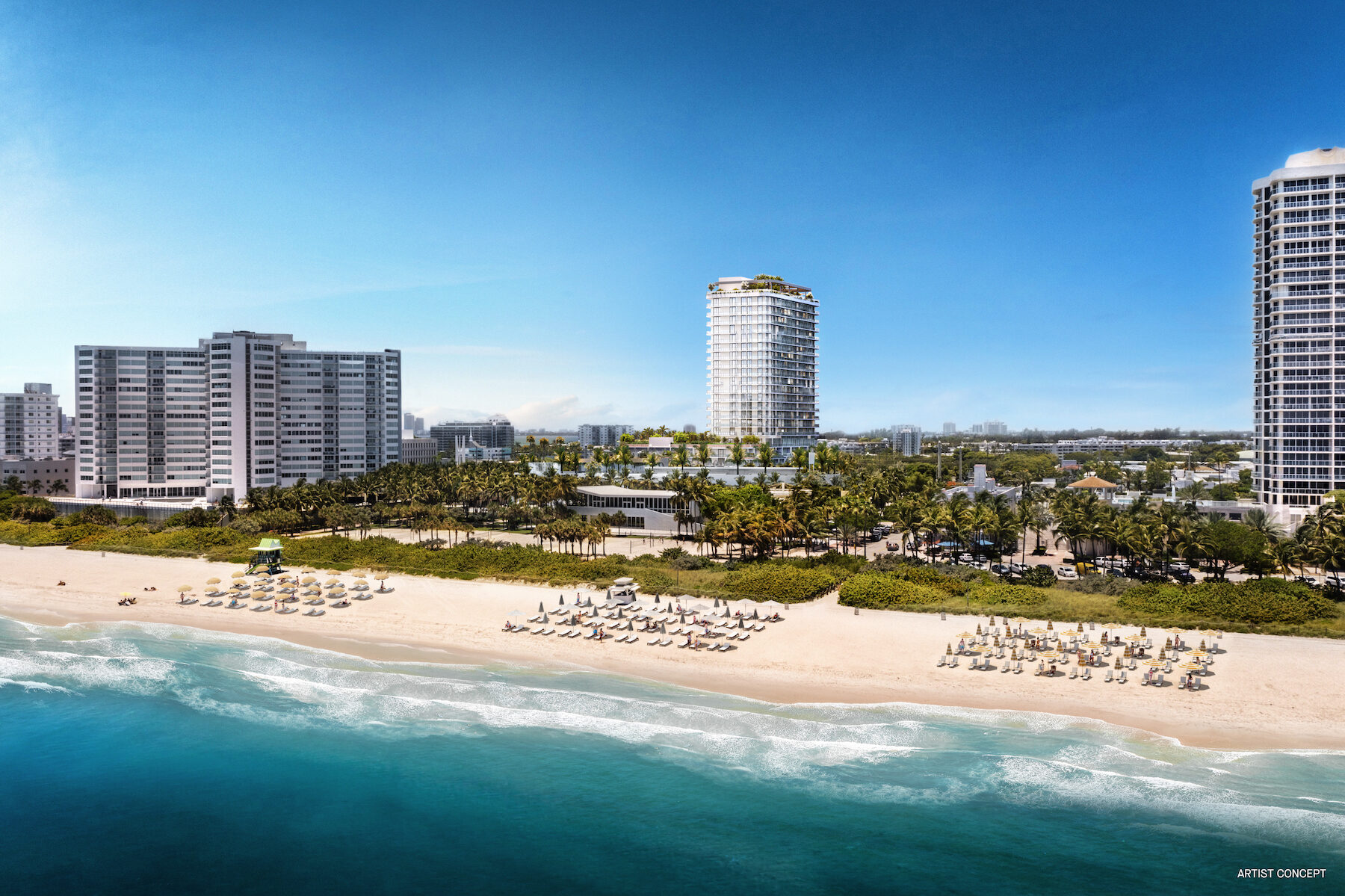
Ritz-Carlton, St. Regis, Mandarin Oriental, Four Seasons: The major hospitality-branded buildings universally enforce strict rental restrictions consistent with their brands’ positioning as owner-occupied luxury residences. Expect minimum 6–12 month lease terms, annual rental caps of 1–2 rentals per year, board approval requirements, and investor unit caps. These buildings are not designed for investment buyers seeking rental yield; they are designed for owner-occupants who may occasionally rent their unit when not in residence.
Automotive-branded buildings (Bentley, Porsche, Aston Martin): Similar to hospitality-branded buildings in their restriction profile — minimum 6–12 month terms, no short-term rentals, owner approval requirements. The Dezer buildings have historically enforced restrictions consistently.
Non-branded luxury buildings (resale market): More variable. Some older non-branded luxury buildings in Brickell and Miami Beach permit shorter minimum lease terms (90 days, 30 days in some cases) and have fewer rental caps, making them more suitable for investors seeking flexibility. These buildings typically command lower PSF pricing than branded buildings for precisely this reason.
Where the Investment Thesis Works
For buyers whose primary motivation is investment return, the South Florida luxury new development market’s most relevant products are:
Pre-construction appreciation: The most reliable “return” in South Florida luxury new development has historically been price appreciation between contract execution and closing — 15–35% in favorable market cycles. This is not rental yield; it is capital gain on pre-construction entry. The rental restrictions are irrelevant during this period because the unit is not yet delivered.
Long-term luxury rental: In markets with strong long-term rental demand — Brickell, Miami Beach — a 12-month luxury rental to a corporate or professional tenant at $15,000–$30,000+/month generates meaningful income even with restricted flexibility. The yield is lower than non-branded buildings but the tenant quality and building prestige support premium rental pricing.
Hotel program participation: A small number of South Florida luxury buildings — particularly those with active hospitality programs — offer owners an optional hotel rental pool program where the building’s management company operates the unit as a hotel room when the owner is not in residence. This structure generates short-term rental income within a legally compliant framework. Buyers interested in this structure should identify buildings that offer it explicitly — it is not universally available.
Need details on these residences?
Our advisory team can share current information on the projects referenced in this guide.
Speak With an Advisor →