The New York to Miami Relocation Guide: Which South Florida New Development Is Right for You

The migration from New York to South Florida is no longer a retirement story. It is a working-age, wealth-building, family-raising story — driven by tax savings, quality of life, and a generation of luxury infrastructure that has arrived in Miami, West Palm Beach, and Fort Lauderdale that simply did not exist a decade ago. If you’re earning $500,000 or more annually and you’ve been thinking about making the move, the financial math is straightforward: Florida’s lack of state income tax saves the average relocating New Yorker in this income bracket between $50,000 and $200,000 per year. Over ten years, that’s a second home. Or a first home in a building that would have been unimaginable in New York at the same price.

The harder question is not whether to move. It’s where, and in which building.
The Tax Case, Briefly
New York City residents at the $500K+ income level face a combined state and city income tax rate of approximately 14.8%. Florida has no state income tax and no city income tax. On a $1 million income, that differential saves approximately $148,000 per year. On a $2 million income, the annual savings exceed $250,000.
To benefit from Florida’s no-income-tax status, you must actually establish Florida domicile — not just own property there. New York State aggressively audits claimed domicile changes, particularly for high-income taxpayers, and requires evidence of genuine relocation: driver’s license change, voter registration, spending more than 183 days in Florida, changing professional registrations and banking relationships, and demonstrating that Florida is your primary home through behavioral evidence. The HL Real Estate Group concierge team regularly connects relocating clients with Florida-based tax attorneys who specialize in domicile establishment for New York residents.
Which South Florida Market Matches Which New York Lifestyle?
Upper East Side / Park Avenue → Coconut Grove or Palm Beach. If your New York life was organized around cultural institutions, the Metropolitan Museum, Central Park, private schools, and a quieter residential character than Midtown, your South Florida equivalent is Coconut Grove or Palm Beach. Coconut Grove has a canopy-shaded village quality — walkable, architecturally distinguished, with strong private school access — that reads most like the residential New York experience. Terra Group’s Park Grove development brought OMA-designed architecture to Coconut Grove; it remains the neighborhood’s most design-significant residential building.
Palm Beach island itself is a separate conversation — a highly controlled municipality with some of the most expensive real estate in Florida and a social infrastructure built over a century of Northeastern migration.
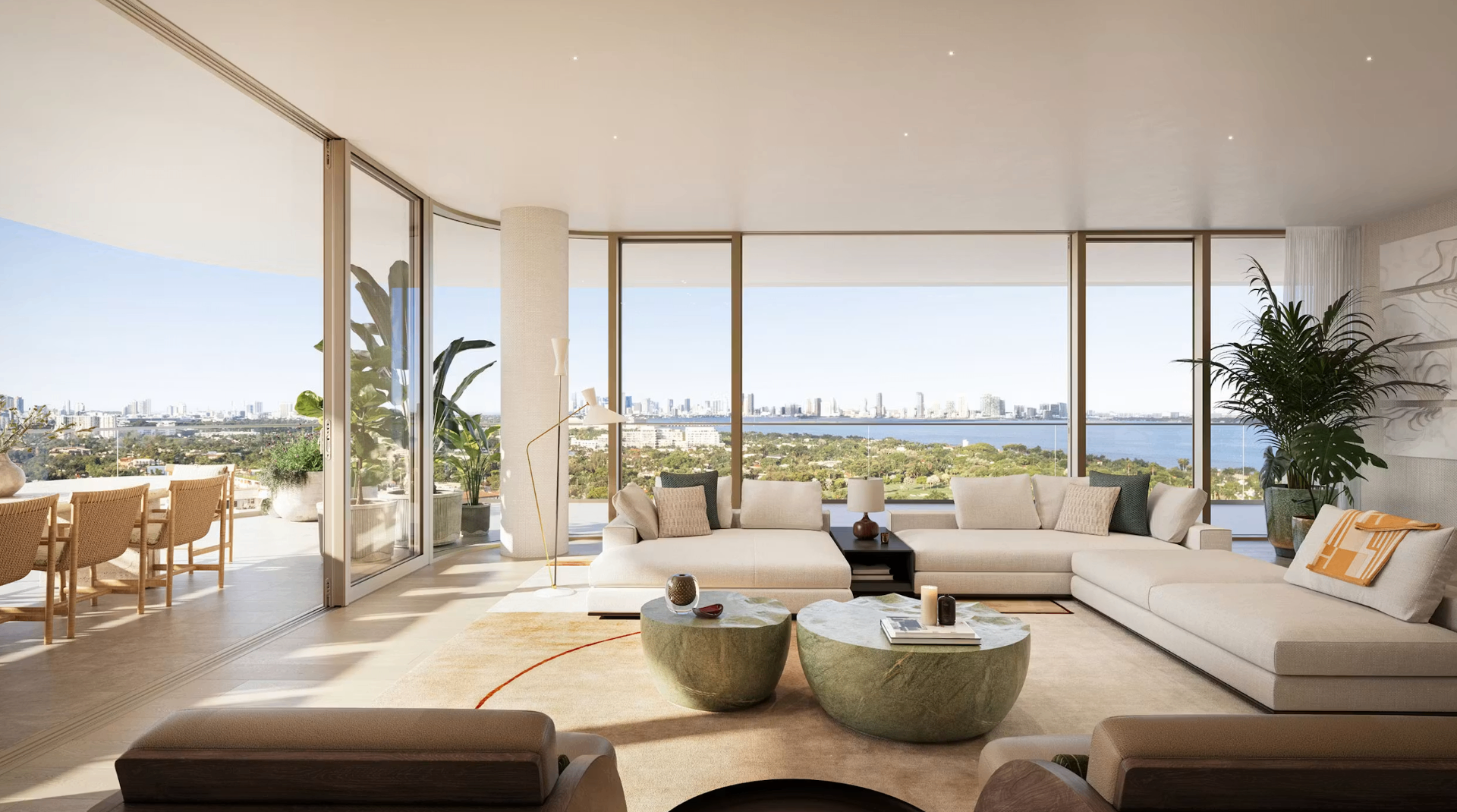
Tribeca / SoHo / West Village → Wynwood, Edgewater, or Design District. If you were in a loft, collected art, frequented galleries, and valued the creative energy of downtown Manhattan, Miami’s Wynwood / Edgewater / Design District triangle is your landing zone. The neighborhoods are younger, louder, and less formally luxurious than Coconut Grove, but they carry the cultural credibility of the Design District’s luxury retail concentration, the Institute of Contemporary Art, and Art Basel’s footprint in the city.
New residential development in Edgewater — along Biscayne Bay, just north of downtown — offers Biscayne Bay water views, proximity to Wynwood’s cultural programming, and pricing that remains more accessible than Brickell or Miami Beach.
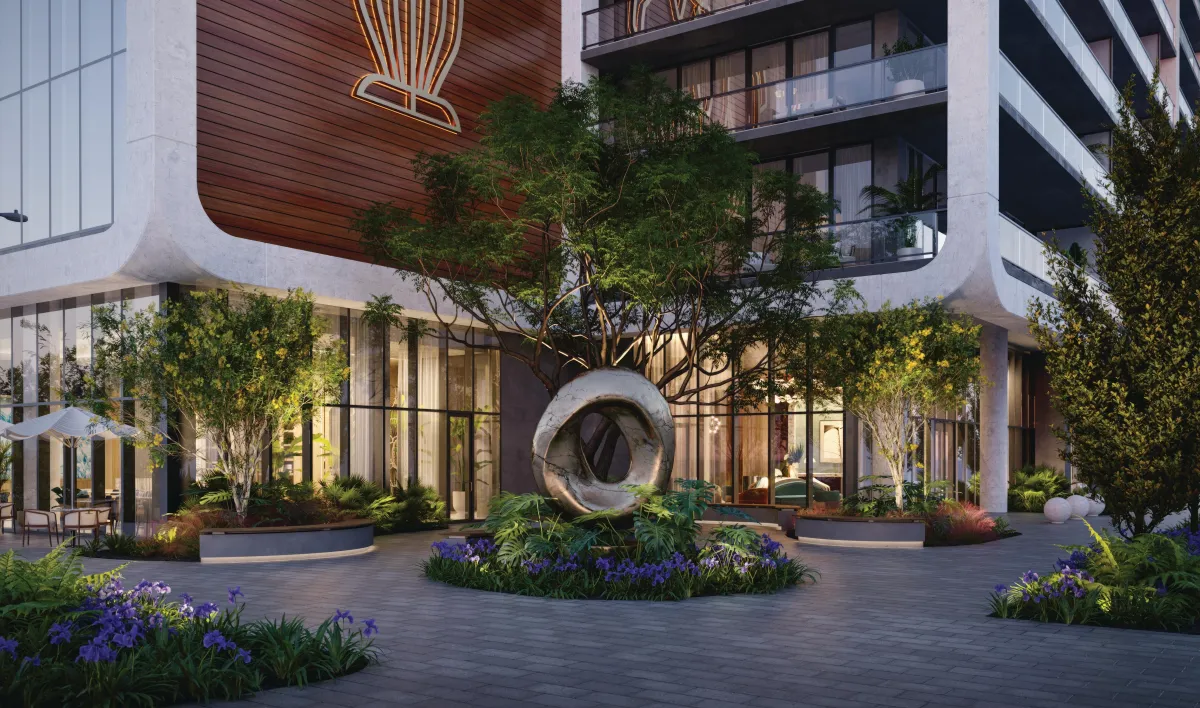
Upper West Side / Riverside → West Palm Beach. The most direct New York parallel for West Palm Beach is the Upper West Side — a neighborhood with cultural institutions (the Norton Museum is genuinely excellent), good restaurants, walkable streets, and a family-oriented character that New Yorkers find familiar. West Palm Beach has been discovered by the same demographic — families, professionals, cultural figures — who populated the Upper West Side in the 1990s and 2000s, and the Mandarin Oriental, Ritz-Carlton, and Banyan Tree developments are serving that buyer directly.
West Palm Beach also offers the Palm Beach island social infrastructure — the clubs, the charity season, the winter colony — at a residential price point significantly below what Palm Beach itself commands.

Midtown / Financial District → Brickell. Brickell is the closest South Florida equivalent to Manhattan’s financial district and Midtown — walkable to offices, restaurants, and retail, with a global-city energy and strong rental demand fundamentals. The Cipriani Residences Miami, St. Regis Residences Brickell, and Mandarin Oriental Brickell Key all target buyers who want the urban luxury experience with Florida’s tax and lifestyle advantages.
New Yorkers who relocate to Brickell often comment that the neighborhood feels the most like home — the density, the walkability, the international character, and the concentration of financial and professional services all read as familiar. Cipriani specifically is a brand that New York buyers know well from events, restaurants, and the cultural fabric of New York’s social life.
Hamptons / Weekender → Sunny Isles Beach or Miami Beach. For New Yorkers who are not yet ready to make Miami their primary residence but want a high-quality second home that works for regular visits, Sunny Isles Beach and Miami Beach offer the most established lock-and-leave infrastructure. Both markets have deep non-resident ownership bases, strong building management systems, and service models calibrated for owners who are in residence 30–90 days per year.
The Financial Analysis: Buying vs. Waiting
The buyers who are most advantageously positioned in South Florida’s new development market right now are those who enter pre-construction during the development period and benefit from both appreciation during the construction cycle and the tax savings that begin at closing. The typical South Florida new development appreciates 15–35% between contract execution (often 3–5 years pre-delivery) and closing — which means buyers who signed contracts in 2021 on 2026-delivery buildings are closing into meaningful unrealized gains.
For New Yorkers considering a move in 2026–2027, the most relevant question is whether near-completion 2026 inventory or the 2027–2028 pre-construction wave offers the better entry. Near-completion inventory limits construction risk and accelerates the tax benefit timeline; pre-construction 2027–2028 inventory may offer more pricing upside but requires a longer holding period.
Need details on these residences?
Our advisory team can share current information on the projects referenced in this guide.
Speak With an Advisor →