The Buildings Where You Can Eat Without Leaving: South Florida’s Best In-Building Restaurant Experiences
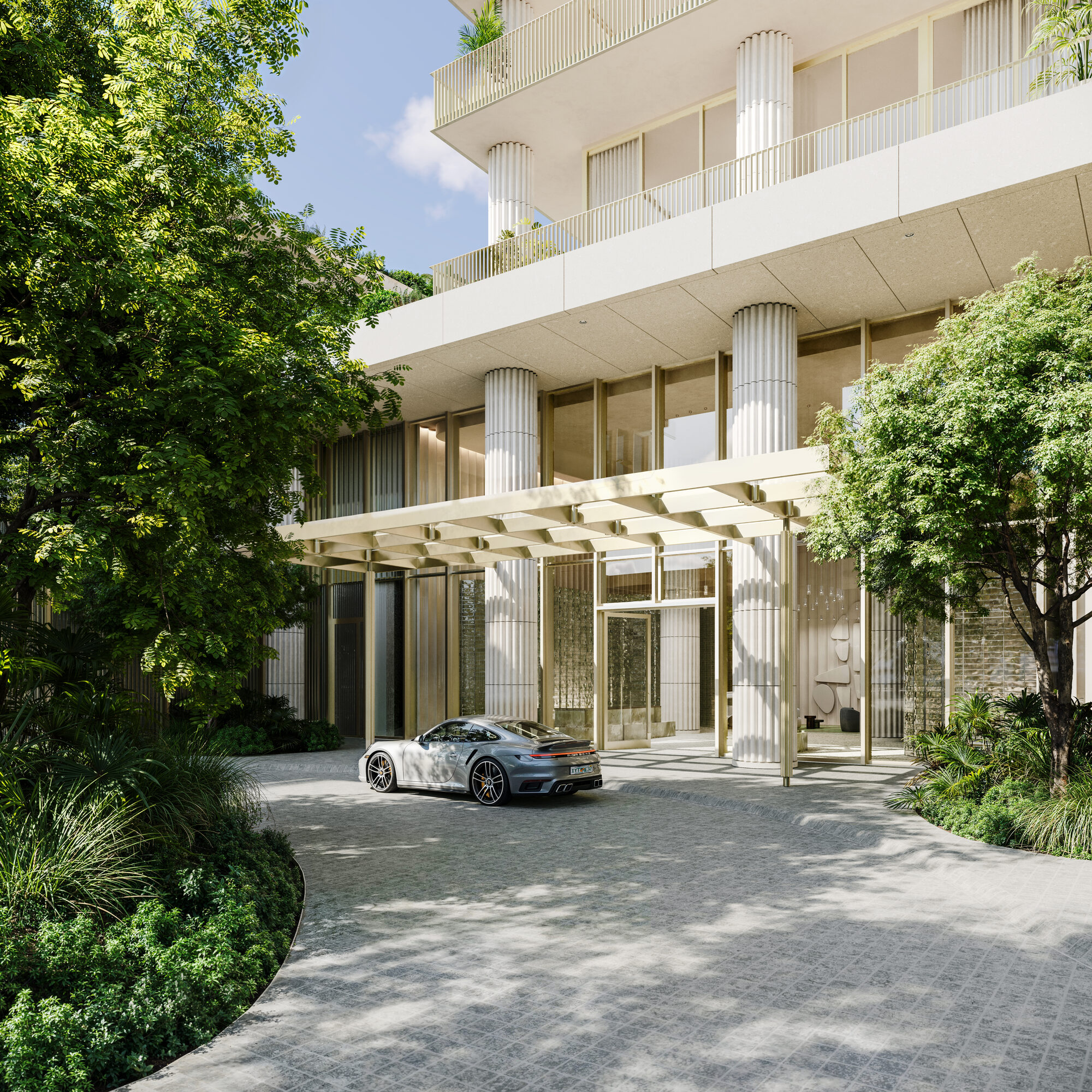
There is a specific quality of life that residents of buildings with genuinely good in-building restaurants describe — the ease of coming downstairs for dinner without the car, the weather, the reservation anxiety, or the management of an evening’s logistics. It is not the same as ordering room service. It is being part of a building where the restaurant is good enough that you would choose it against the city’s competition.
The buildings below have achieved this. Each has an in-building food and beverage program whose quality is not a resident perk but a genuine hospitality offering — one that competes with the neighborhoods’ best rather than simply being available.
Fouquet’s Hotel & Residences Miami Design District — The Most Historically Significant F&B Program in South Florida New Development
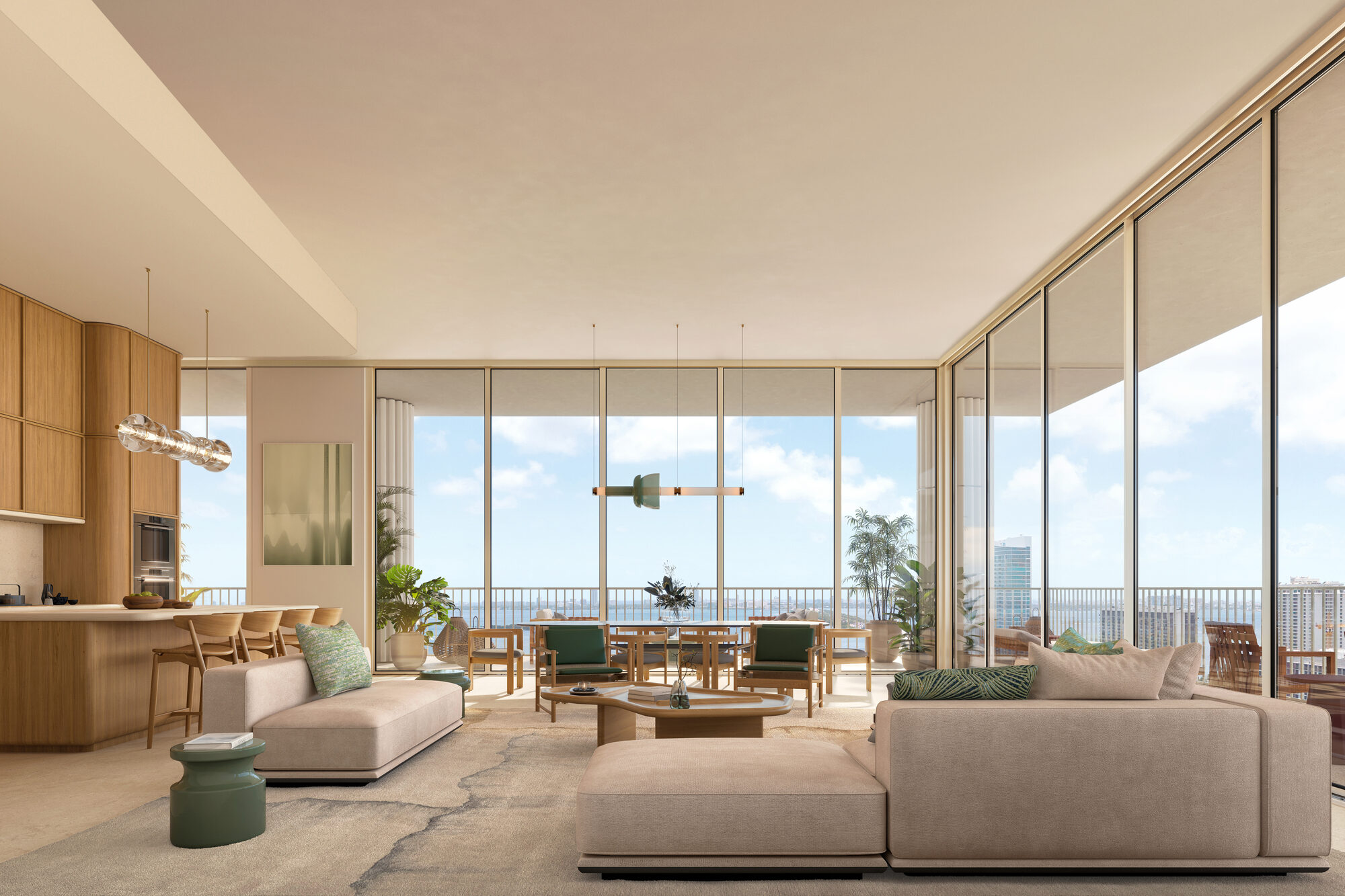
No building in South Florida’s active new development pipeline has a food and beverage identity as historically specific as Fouquet’s Miami Design District. The Fouquet’s brand — which has operated its brasserie at 99 Avenue des Champs-Élysées since 1899 and has been a French historic monument since 1988 — is one of the most culturally loaded restaurant brands in the world. César award winners hold their celebration dinners there. Heads of state have eaten there. The brasserie’s guest book contains 125 years of French cultural history.
The Miami Design District implementation brings this identity to a building that contains two restaurants, one bar, and a patisserie — each component of the F&B program reflecting a different dimension of the Fouquet’s Paris experience:
The brasserie restaurant: The anchor of the Fouquet’s identity — the French brasserie format that has defined the brand since 1899. The combination of substantial French cooking (the bistro tradition of well-executed classics rather than experimental cuisine), a formal but unstuffy service culture, and the social energy of a room where people come to be seen eating well.
The second restaurant: A distinct culinary concept within the building — complementing the brasserie with a different cuisine or format that gives residents variety without leaving the building.
The bar: The Fouquet’s bar culture — which in Paris is one of the most celebrated in the city — brings the aperitif and cocktail tradition of a grande brasserie to Miami’s Design District rooftop.
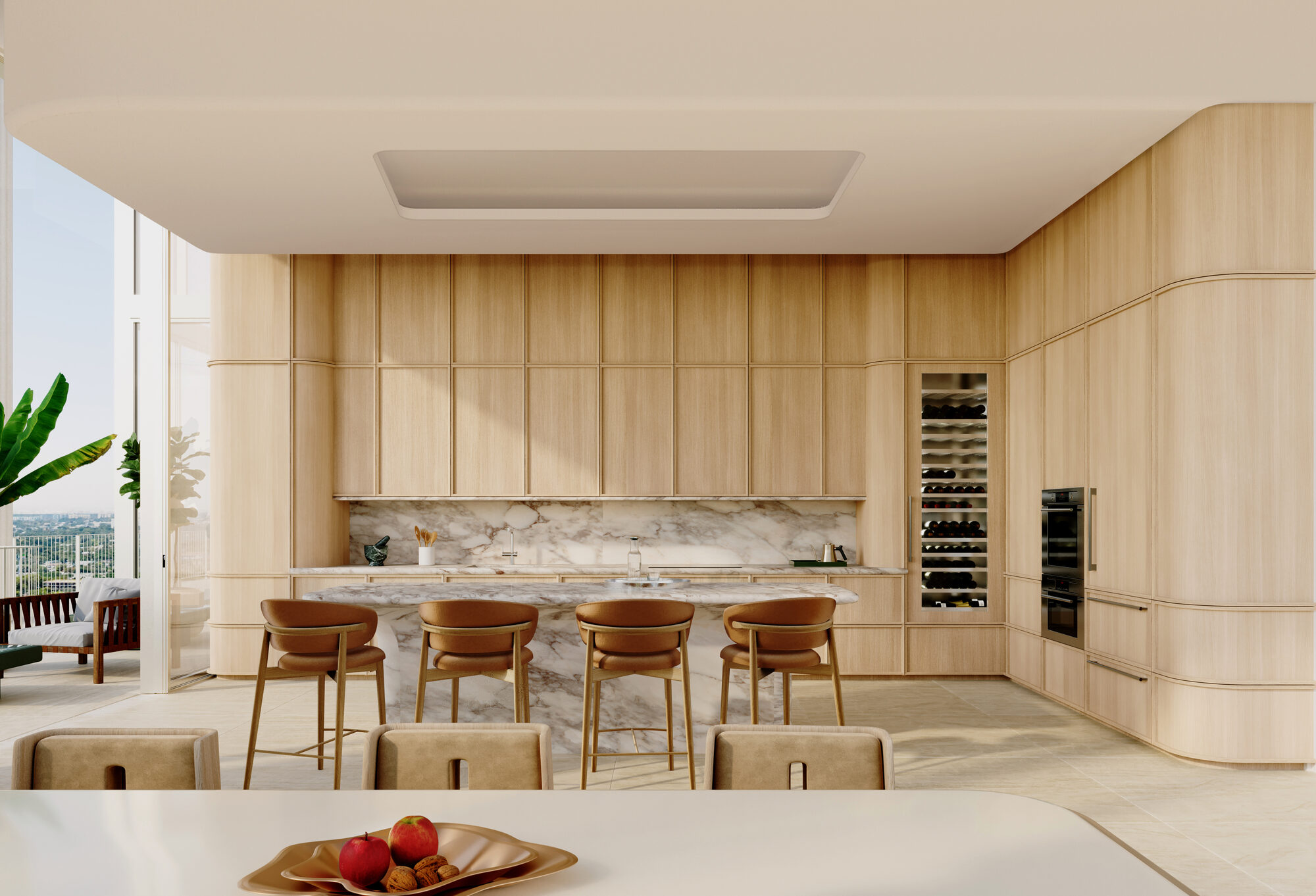
The patisserie: The detail that no other building in Florida has. A genuine French patisserie — morning croissants, afternoon pastry, the daily bread and dessert culture of Paris — is the in-building amenity that most specifically communicates what it means to live in a building with 125 years of French hospitality identity. The resident who walks downstairs at 8 AM for a croissant and an espresso in their own building’s patisserie is experiencing something genuinely unavailable elsewhere in South Florida.
Cipriani Residences Miami — The Italian Social Theater
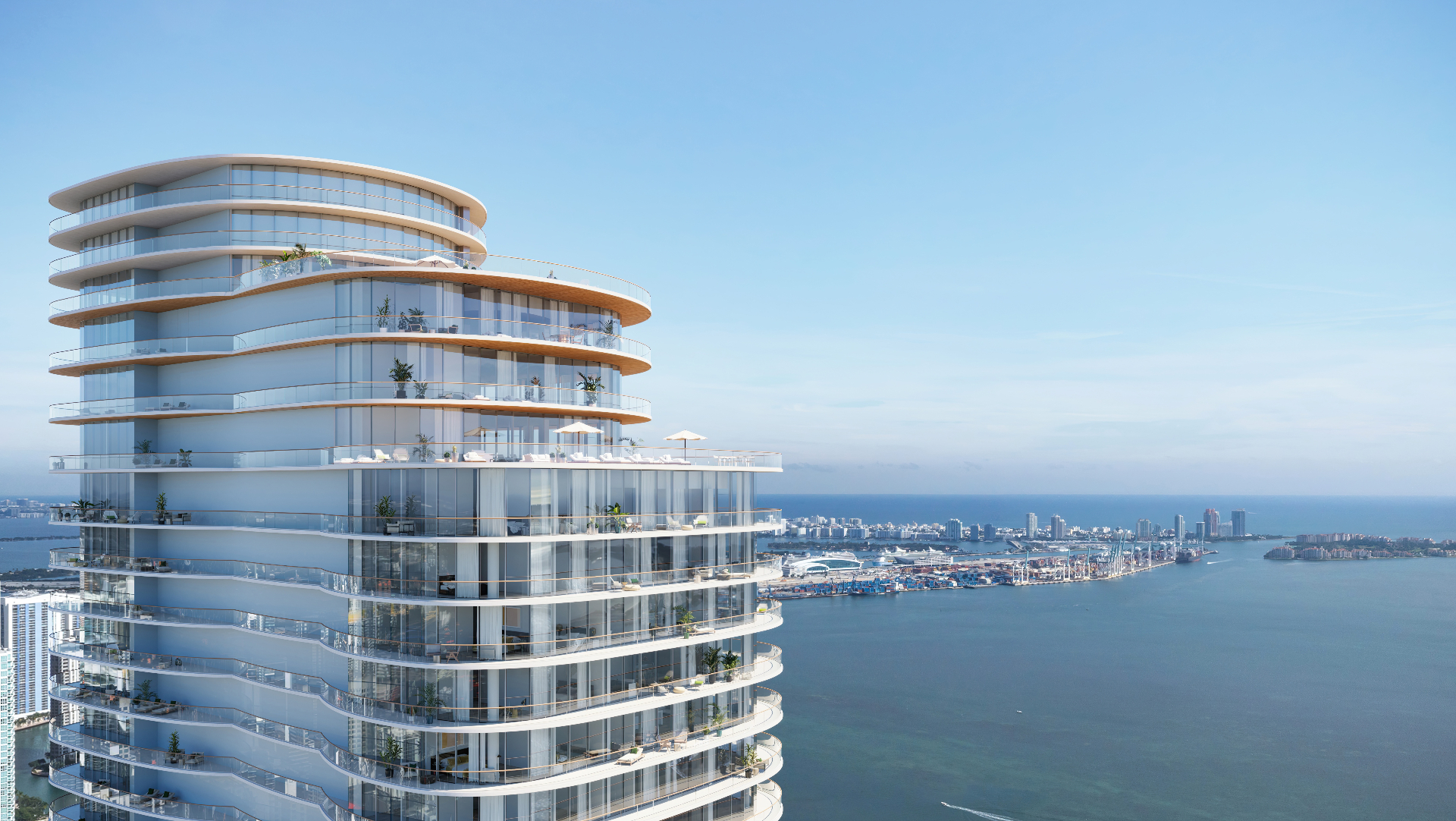
The Cipriani family’s hospitality history begins at Harry’s Bar in Venice (1931) — the restaurant that invented the Bellini cocktail, that Ernest Hemingway frequented, and that holds UNESCO recognition as an Italian cultural monument. The Cipriani brand that evolved from that origin now operates in New York, London, Abu Dhabi, and multiple other global locations, and its dining culture is specifically Italian in a way that has nothing to do with pasta and everything to do with the Italian understanding of hospitality as social theater.
Cipriani Residences Miami’s food and beverage program is the building’s social heart — the restaurant where residents come for Sunday lunch with family, where deal meetings happen over Bellinis at the bar, and where the building’s Italian-inflected social culture reproduces itself daily. The Cipriani menu — Venetian in its origins, adapted for each location’s context — is organized around the pleasure of eating well with other people: generous portions, well-executed classics, the specific Italian generosity that makes guests feel honored by the scale and quality of what they are served.
For buyers considering Cipriani Residences, the building’s F&B identity is not separable from the building’s social identity. You are not buying a condo that has a restaurant; you are buying into a social environment where the restaurant is the organizing principle of community life.
Four Seasons Private Residences Coconut Grove — In-Residence Dining Without a Hotel Guest in Sight
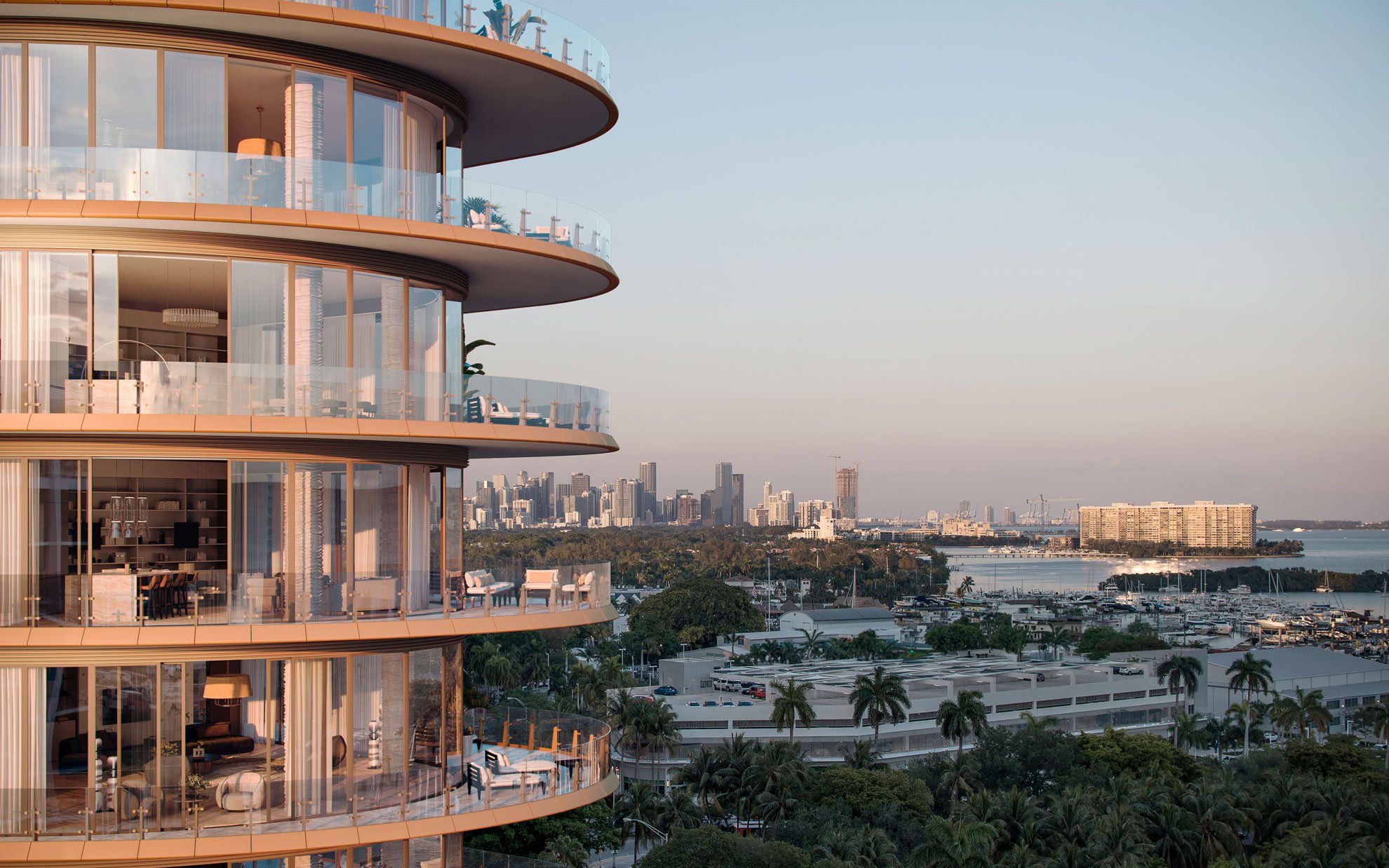
Four Seasons Private Residences Coconut Grove’s in-residence dining service — part of the Four Seasons standalone residential model — delivers a culinary experience that most buildings cannot offer regardless of their amenity claims: a Four Seasons-trained culinary team preparing food in your residence, with the coordination handled by your building’s lifestyle manager, for a dinner party at your table.
This is not room service. In-residence dining at the Four Seasons level involves advance menu consultation (the chef discusses the dinner’s occasion, dietary considerations, and the guest composition), kitchen preparation in the building’s culinary infrastructure, and tableside service in your home. The experience is a private dinner party with Four Seasons-quality hospitality, occurring in your own space.
The building’s F&B infrastructure — designed to support this service for all 70 residences — provides a culinary depth that the absence of hotel guests makes consistently available rather than depleted by hotel dining demand.
The Surf Club — Thomas Keller at Your Doorstep
Four Seasons Residences at The Surf Club in Surfside is the building that comes closest to having one of the world’s best restaurants as a direct building amenity: Thomas Keller’s restaurant at The Surf Club — operated by the chef of The French Laundry and Per Se, two of the most recognized fine dining establishments in the United States — is located within the building’s historic 1930s social club facility.
Keller’s restaurant at The Surf Club brings three-Michelin-star culinary pedigree to the most immediate adjacency of any private residence in South Florida. For residents of Four Seasons at The Surf Club, dinner at Thomas Keller’s restaurant is dinner downstairs — no car, no reservation competition, no transportation.
Jean-Georges Residences Miami Design District — Jean-Georges’ Culinary Architecture
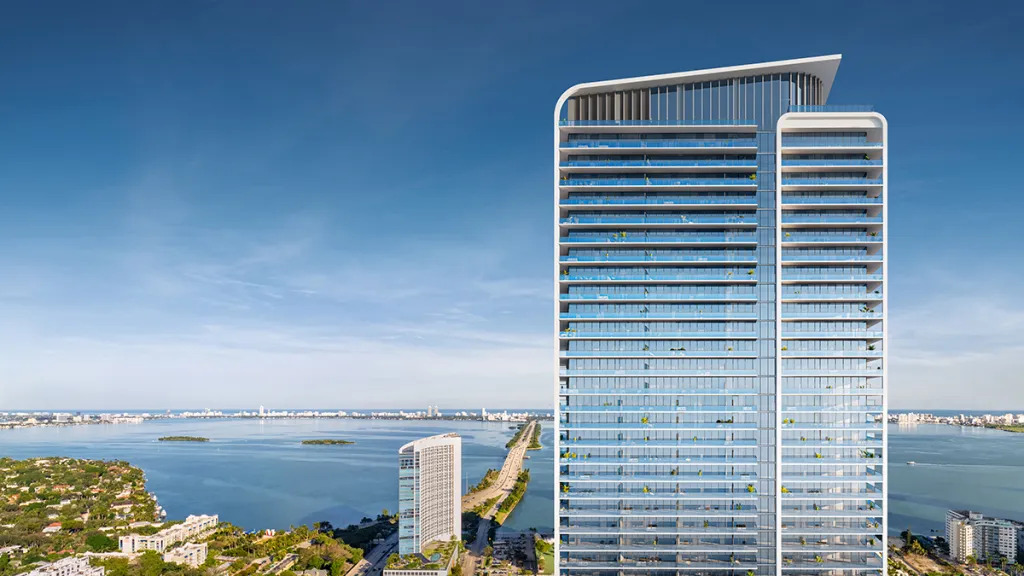
Jean-Georges Vongerichten’s culinary empire — which spans JoJo, Jean-Georges, ABC Kitchen, and dozens of international locations — is one of the most recognized in American fine dining. The Jean-Georges Design District restaurant is the building’s culinary anchor, and for residents, it provides the same access that Thomas Keller provides at The Surf Club: the option to eat at a world-class restaurant without leaving your building.
Jean-Georges’ specific culinary approach — French technique with Asian ingredient vocabulary, seasonal produce emphasis, and the specific lightness that has defined his cooking since his early collaboration with Louis Outhier — produces a dining experience that is genuinely excellent rather than merely famous. For Design District residents, this means a building restaurant that they might choose over any of the neighborhood’s independent competition.