Sunrise or Sunset? Choosing the Right View Orientation in South Florida New Developments
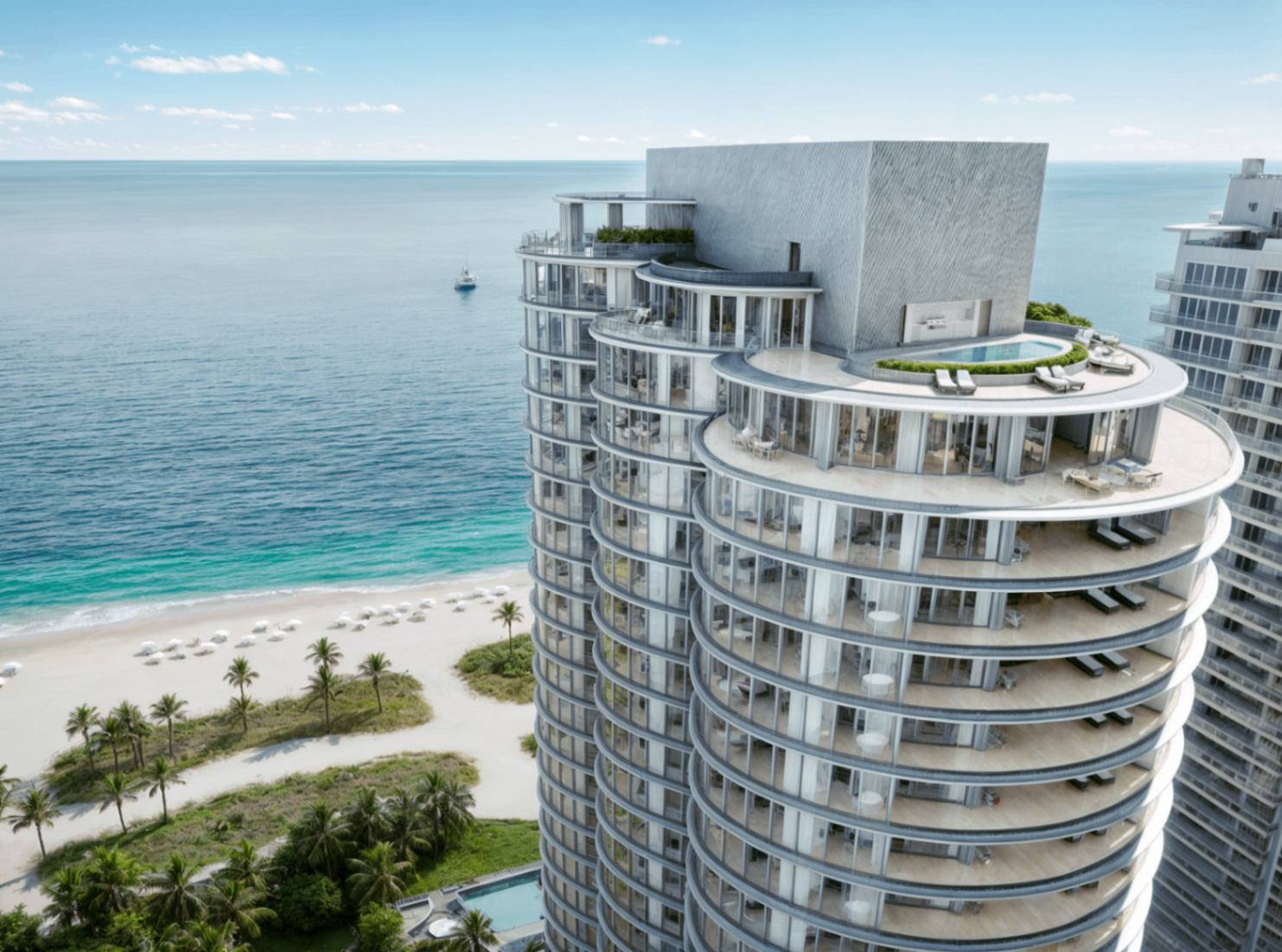
The question that South Florida real estate buyers ask less often than they should, and that matters more than most other specification decisions they make: which direction does the unit face?
In South Florida, view orientation is not merely a preference — it is a daily experience that compounds over years of residence. The buyer who chooses an east-facing ocean unit for its sunrise but works the morning hours when that light is most intense will spend their most productive time with the most dramatic natural light streaming directly into their workspace. The buyer who chooses a west-facing Intracoastal unit for its sunsets will watch the city and bay light change every evening from their terrace — and will never see the Atlantic from their home.
Neither is wrong. Both are decisions that deserve deliberate consideration rather than the default assumption that ocean view equals best view.
The Atlantic Coast: East-Facing Sunrise
Florida’s Atlantic coastline faces east, which means that every ocean-facing unit in every Miami Beach, Sunny Isles Beach, Surfside, Bal Harbour, Fort Lauderdale beach, and Palm Beach oceanfront building experiences:
Morning: Direct sun from approximately 6:30–10 AM (earlier in summer, later in winter). The ocean view at sunrise is one of the most physically striking natural experiences available from a residential building — the Atlantic changes from dark blue-black to platinum to gold in the pre-sunrise light, and the sun’s emergence from the horizon is visible in unobstructed panorama from any east-facing floor above the first few stories.
Afternoon: Relief from direct sun. The building’s east-facing units receive no direct afternoon sun; the light comes from the south and west (indirect, softer), making the afternoon hours the most comfortable for indoor occupation without glare management. East-facing terraces in the afternoon are usable without sun shade because the building’s own mass provides natural shading from the west sun.
Evening: The ocean view at dusk is the ocean view in silhouette — the water reading as dark against a sky that retains color in the west. East-facing units do not see the Florida sunset; the dramatic orange-and-purple South Florida sky happens behind the building, visible only by turning around and looking inland.
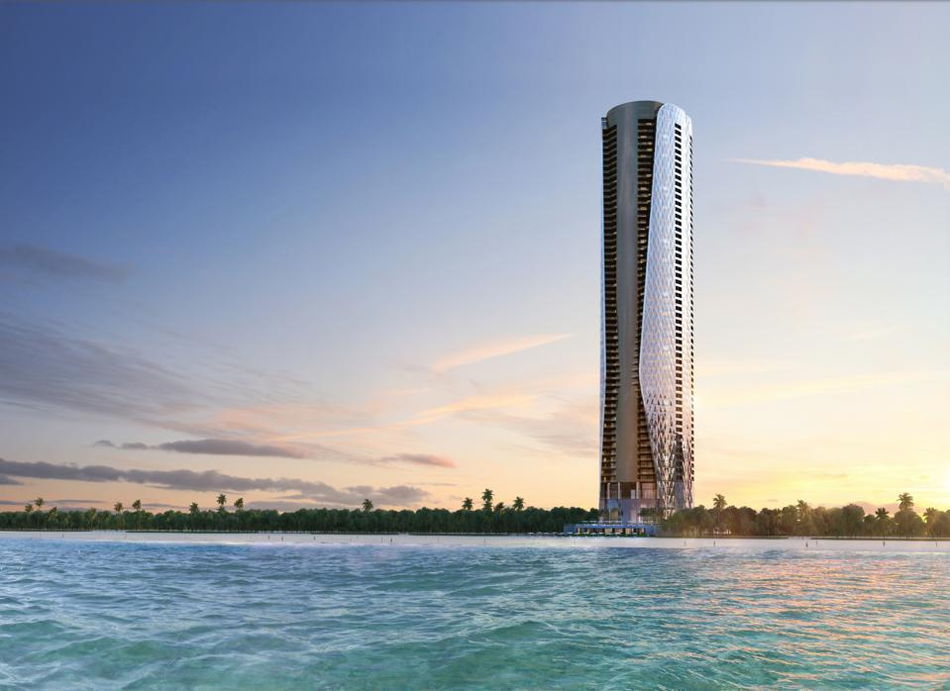
Best lifestyle fit for east-facing units: Early risers who value the sunrise experience, buyers who use their mornings actively (terrace coffee, exercise, meditation), buyers for whom the ocean view’s visual drama at sunrise is the primary emotional motivation, and buyers who entertain in the morning or midday rather than the evening.
Specific buildings with east-facing ocean views: Aman Residences Miami Beach, Eighty Seven Park, The Perigon Miami Beach, Arte Surfside, Shore Club Private Collection, Bentley Residences Sunny Isles Beach (east-facing units), The St. Regis Residences, Sunny Isles Beach (east-facing configurations), Rivage Bal Harbour.
The Intracoastal and Bay: West-Facing Sunset
The Intracoastal Waterway and Biscayne Bay face west — toward the Florida mainland, the Everglades edge, and the western sky where South Florida’s sunsets happen. Every west-facing unit in every Intracoastal-fronting or bay-fronting building experiences:
Morning: Indirect light. West-facing units receive no direct morning sun — the light is ambient, soft, and even, which is comfortable for morning work and pleasant for a bedroom that faces this direction (no sunrise alarm from the sun).
Afternoon: Direct south and west sun from approximately noon onward. West-facing terraces become increasingly sun-exposed through the afternoon, which is South Florida’s hottest and brightest period. Buildings with deep overhangs or architectural shade elements on the west facade mitigate this significantly; buildings without shade design considerations on the west side may make their west-facing terraces marginally less usable during peak afternoon hours.
Evening: This is the west-facing unit’s defining moment. South Florida’s sunsets over the Everglades and the Gulf horizon — visible from the Intracoastal and bay-facing buildings — are among the most dramatic natural spectacles in the continental United States. The combination of humidity, particulate matter, and the flat horizon geometry of the Florida landscape produces sunsets that range from gold to deep orange to purple to rose, lasting 30–45 minutes after the sun’s edge meets the horizon. From a South Flagler Drive residence facing Palm Beach island, the Intracoastal becomes a mirror for this light; from a Brickell bay-facing unit, the bay and the developing western skyline both participate.
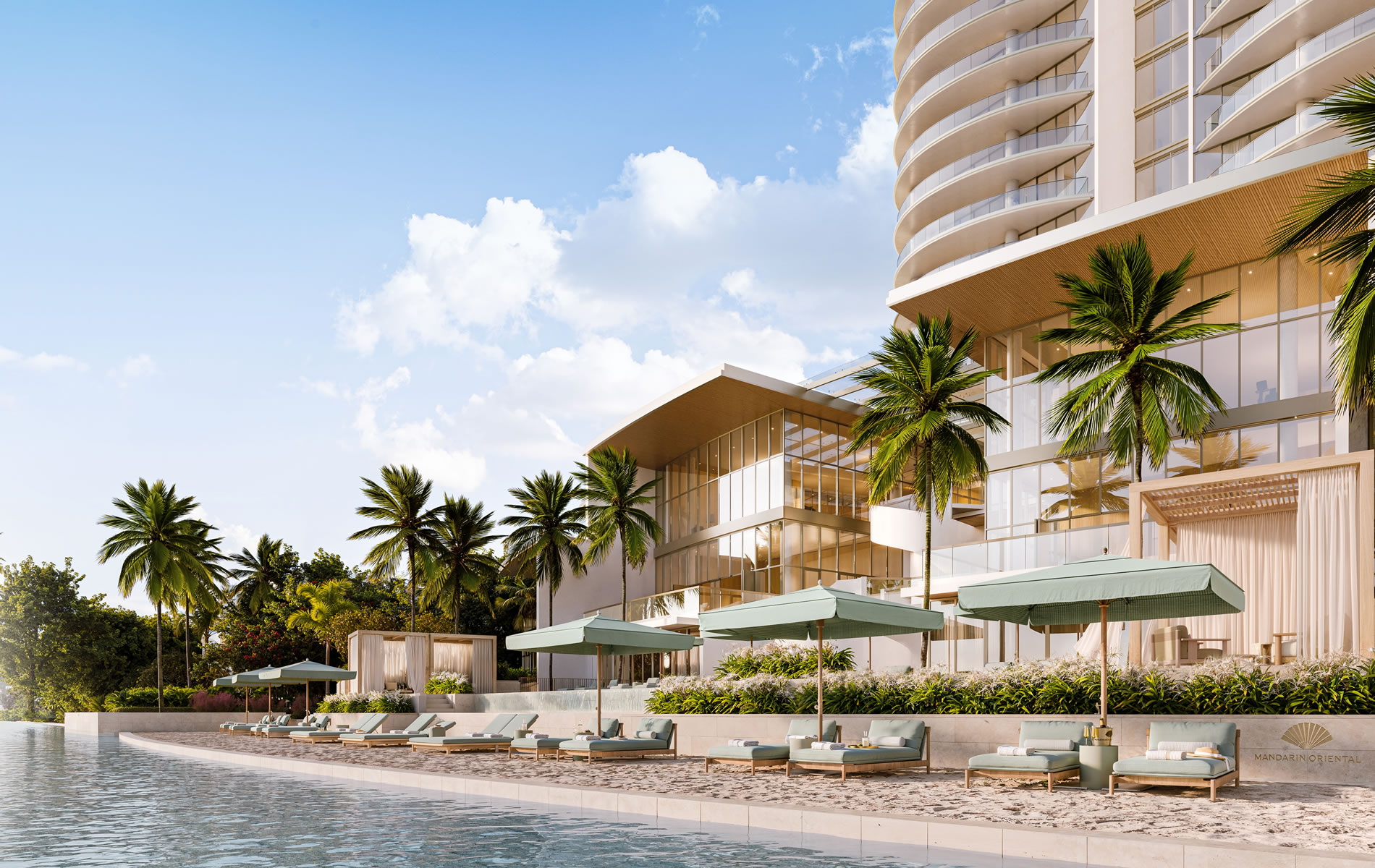
Best lifestyle fit for west-facing units: Evening entertainers (dinner parties, sunset gatherings), buyers who work during the day and want their primary outdoor living experience in the evening, buyers who value the city or bay view’s dynamic quality (traffic, boats, cityscape activity) over the ocean’s static natural horizon, and buyers in the West Palm Beach market for whom the view of Palm Beach island across the Intracoastal is the specific emotional motivation.
Specific buildings with west-facing Intracoastal/bay views: South Flagler House (facing Palm Beach island), The Residences at Mandarin Oriental, West Palm Beach (Intracoastal), Cipriani Residences Miami (Biscayne Bay-facing configurations), Villa Miami (Biscayne Bay/city).
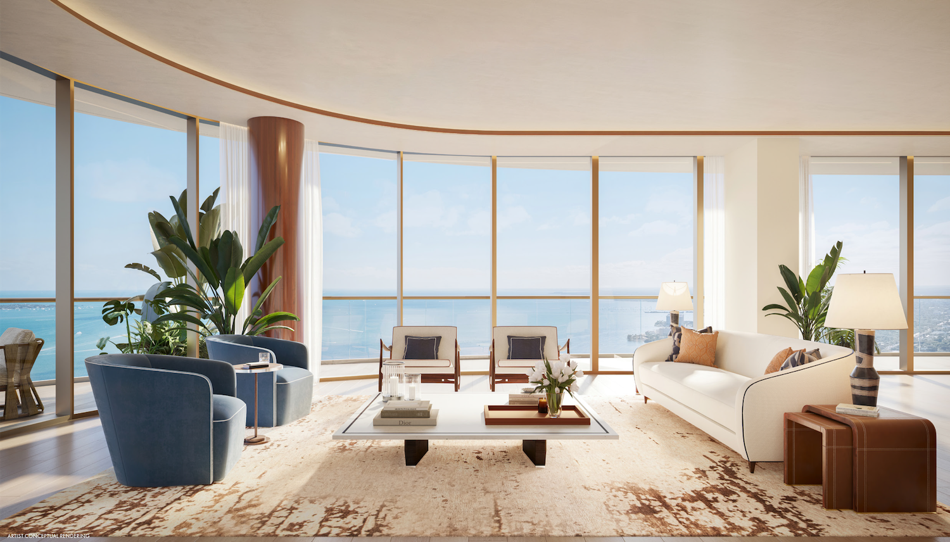
The Through-Views: South, North, and the Corner Configuration
Some South Florida luxury buildings offer views that are neither pure east nor pure west — and some offer both.
South-facing views: Miami Beach buildings with south-facing units look down the barrier island toward Government Cut and the Port Miami cruise ship channel. This view includes the city of Miami Beach’s continuous urban silhouette — towers, streets, the controlled density of the barrier island — rather than the ocean or the bay. It is not a horizon view but it is dynamic and urban in a way that the pure ocean or bay view is not. South-facing units typically receive the most even year-round light (south sun in a subtropical latitude is continuous rather than the dramatic east or west light).
Corner units: The most spatially generous view configuration available in a high-rise is the corner unit, which wraps two facade exposures and provides views in two directions simultaneously. At Sunny Isles oceanfront buildings, the corner unit might provide direct ocean views to the east and bay/city views to the west — effectively capturing both the sunrise and the sunset from a single residence. Corner units command significant PSF premiums (typically 15–25% above interior-stack units) and justify them.
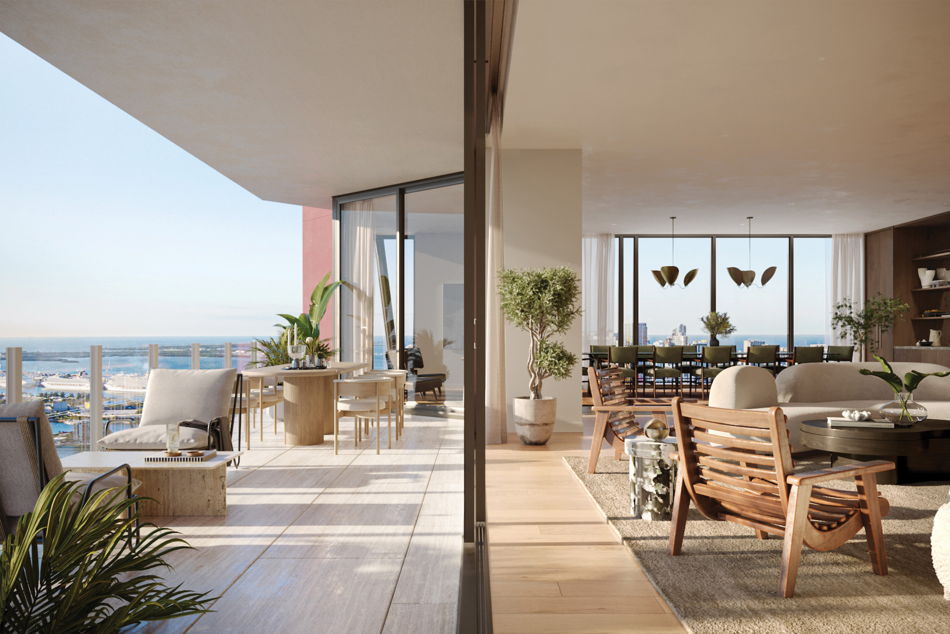
Floor-through residences: At buildings where the floor plate allows it — Arte Surfside’s full-floor residences, South Flagler House’s penthouse configurations — the floor-through residence captures all orientations simultaneously. The sunrise is visible from the east bedrooms, the sunset from the west living room or terrace, and the north and south views from the building’s corners. This is the most complete view configuration available and is typically achievable only in boutique buildings where low unit count allows full-floor occupancy.
How View Orientation Affects Property Value in Practice
The price premium for east-facing ocean views over comparable west-facing bay or city views in the same building has been studied extensively in South Florida’s resale market:
- Direct ocean-facing (east) units command 15–25% PSF premiums over west or city-facing units in oceanfront buildings.
- In Intracoastal-fronting buildings, direct Intracoastal-facing (west, looking at the water and the sunset) commands 10–20% PSF premiums over east-facing units that look toward less dramatic city or residential views.
- Corner units consistently command 15–25% premiums over the larger of the two single-exposure orientations.
- The premium for south-facing units over north-facing units (in buildings where this distinction exists) is typically 5–10%, reflecting the south’s greater year-round sun exposure.
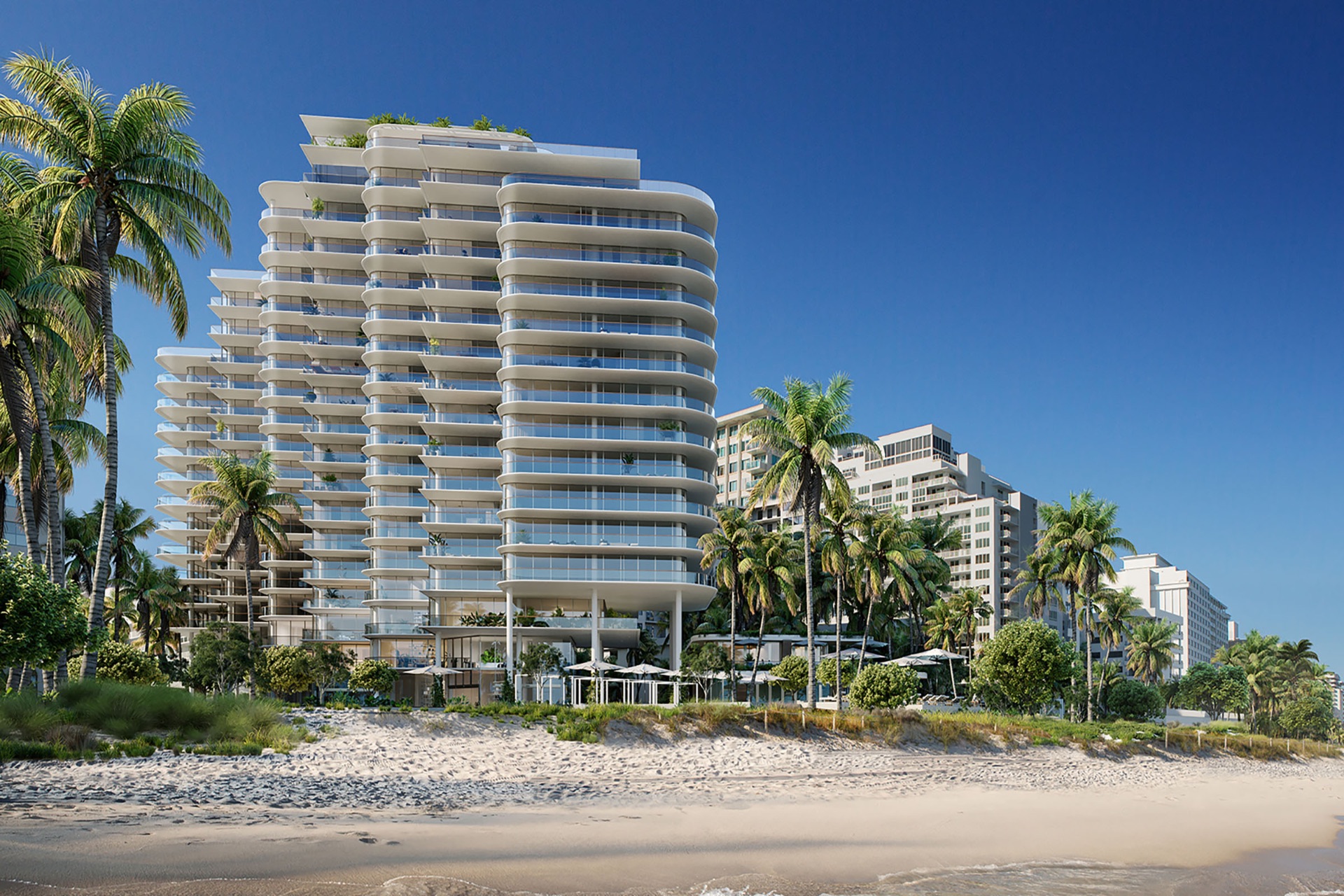
The view orientation premium is permanent — it cannot be changed by renovation, by lifestyle adjustment, or by market cycle. A west-facing unit in an oceanfront building will never see the ocean sunrise; an east-facing unit in an Intracoastal building will never see the Intracoastal sunset. The premium paid for the right orientation compounds over years of ownership.
Need details on these residences?
Our advisory team can share current information on the projects referenced in this guide.
Speak With an Advisor →