The New West Palm Beach: How Five Buildings in Three Years Transformed a City
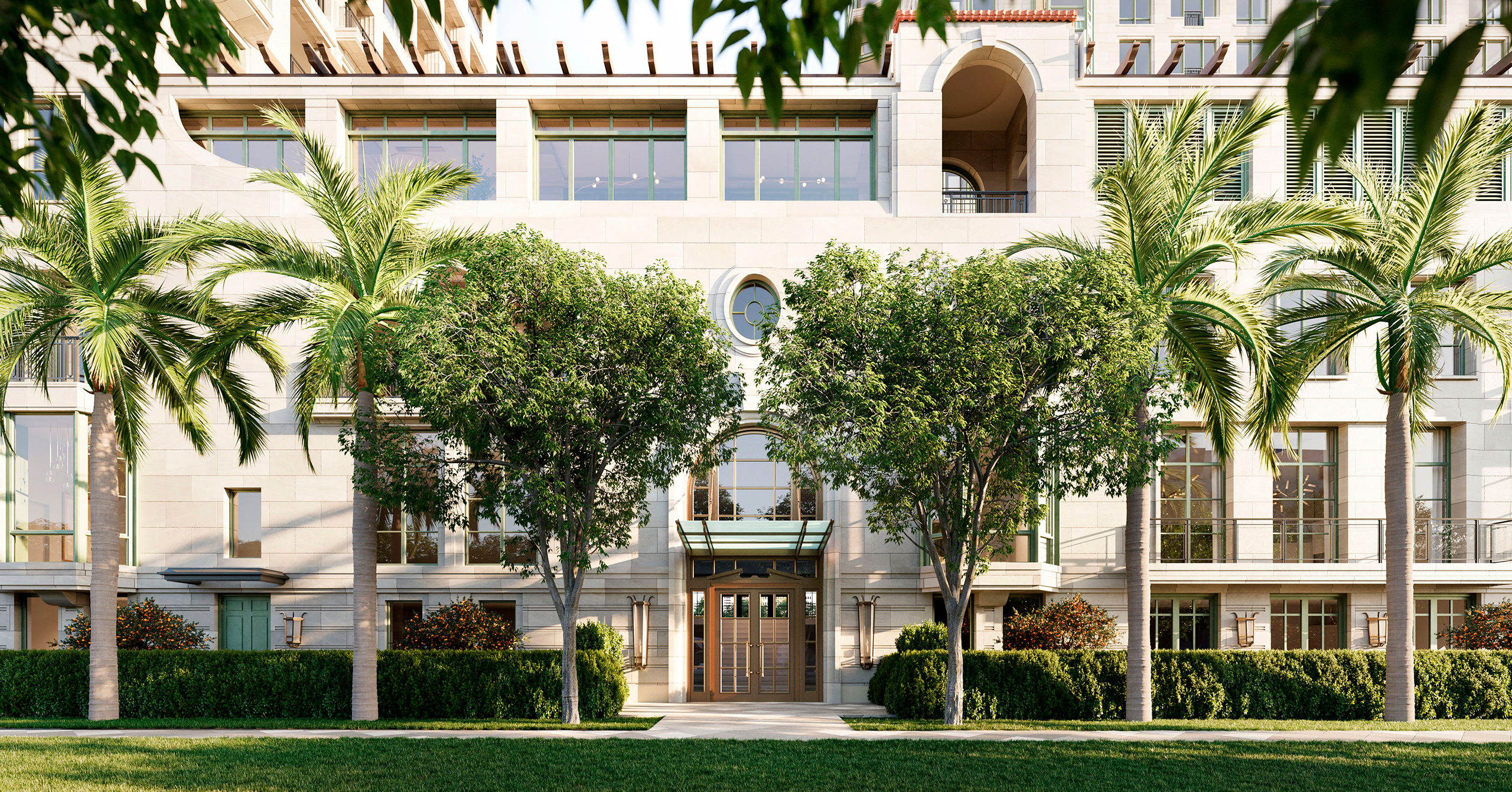
In January 2020, West Palm Beach was described — accurately — as Palm Beach Island’s more affordable neighbor. A city of approximately 110,000 people, pleasant, on the Intracoastal, with a developing urban core and a luxury residential market that was secondary in every respect to Miami.
In July 2026, West Palm Beach has appreciated 187.3% over the past decade — the most dramatic appreciation of any South Florida submarket. It has five flagship luxury new developments simultaneously in the active pipeline. It hosts the South Florida offices of Goldman Sachs, Citadel, Point72, and dozens of other financial firms that were exclusively New York five years ago. The Palm Beach social season (January–April) now attracts a year-round resident community rather than a seasonal migration.
What happened? And why in 36 months?
The Catalyst: Ken Griffin’s Citadel Relocation
In 2022, Ken Griffin announced the relocation of Citadel and Citadel Securities from Chicago to Miami, personally purchasing approximately $1 billion in South Florida real estate — including significant Palm Beach Island property and Miami residences. The announcement was a signal to the institutional capital community that Miami had reached the quality threshold that ultra-HNW buyers and family offices require for genuine primary residence consideration.
Griffin’s relocation was not alone — but it was the most publicly visible and most credibility-conferring. When the most successful hedge fund manager of his generation makes a public commitment to a market, other ultra-HNW buyers evaluate. When they follow, the professional service infrastructure (top-tier legal, tax, and financial advisory firms) establishes South Florida offices. When those firms arrive, the next tier of buyers finds the infrastructure necessary for primary residence consideration.
The self-reinforcing dynamic is now firmly established. Each arrival makes the community more complete; a more complete community attracts further arrivals.
The Five Buildings as Consequence
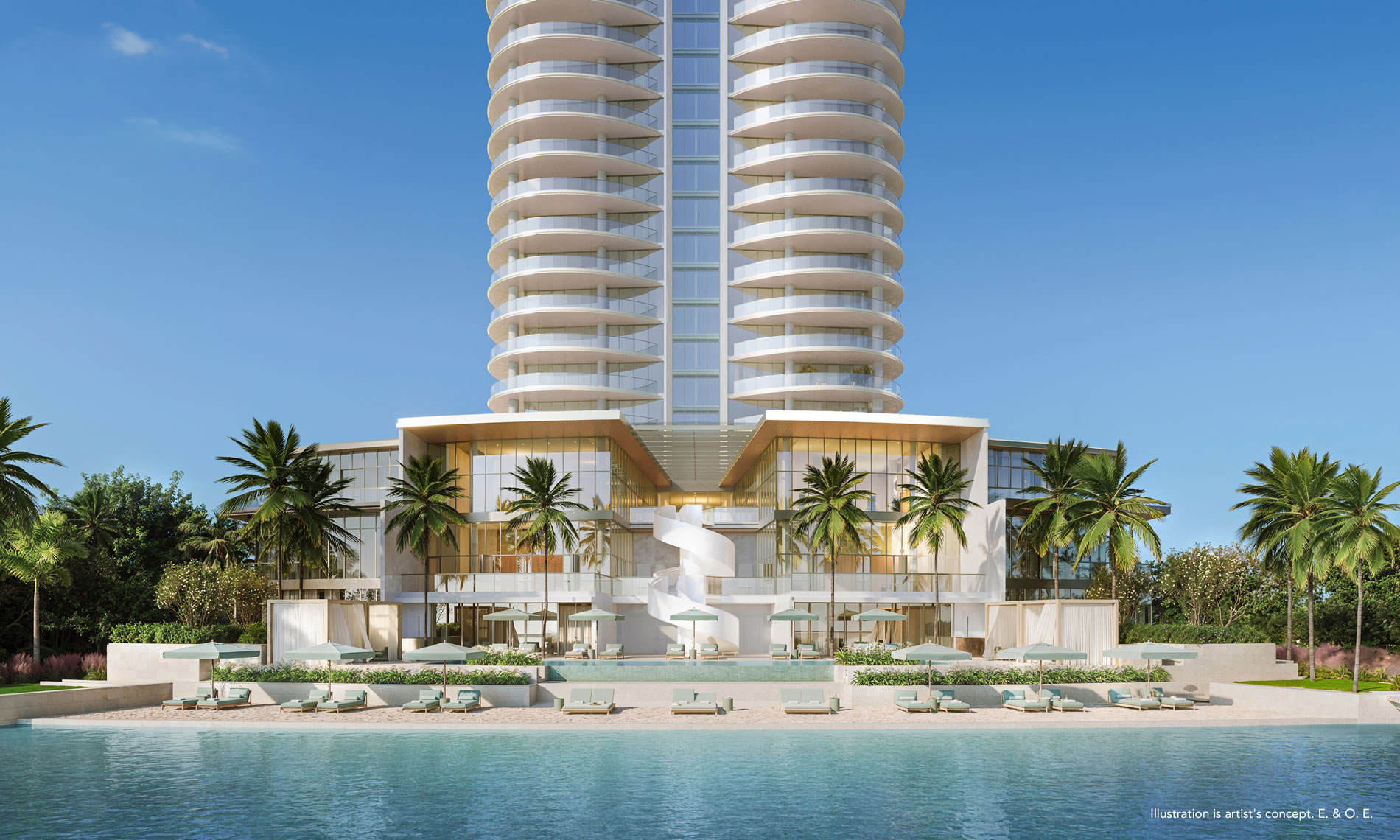
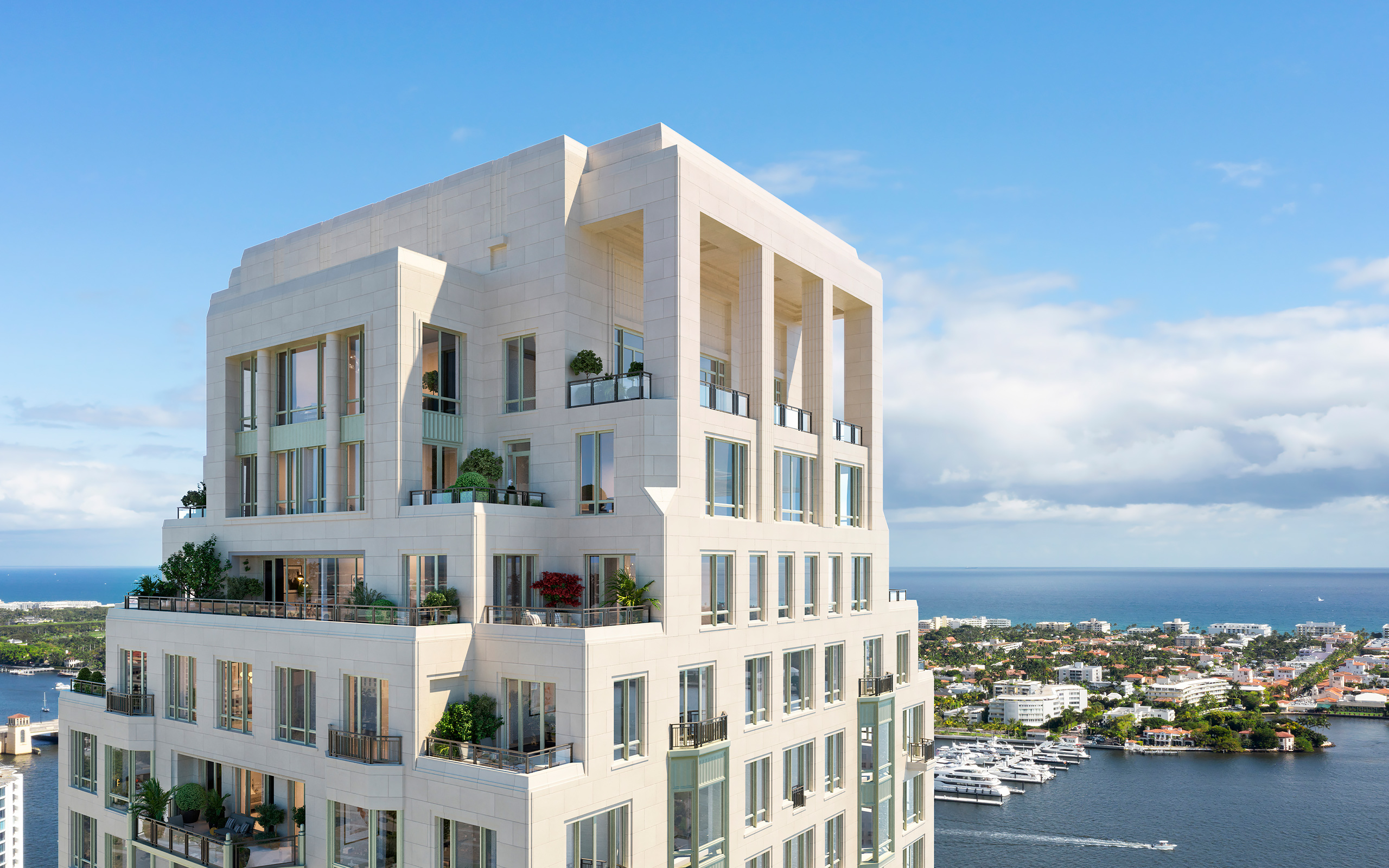
The five active WPB new developments — South Flagler House (RAMSA), Olara (Arquitectonica/Gabellini Sheppard/José Andrés), Mr. C (Terra Group/Cipriani family), Mandarin Oriental (Moshe Safdie), Banyan Tree (OMA/Yabu Pushelberg) — did not create WPB’s transformation. They are the consequence of it.
These buildings would not have been commissioned without the Wall Street South demographic that justifies the development pro forma. The developers who brought RAMSA, OMA, Foster + Partners’ WPB adjacency, Moshe Safdie, and the Cipriani family to the West Palm Beach market did so because the buyer exists and is buying. Each building’s sales velocity confirms the thesis.
The 2026 WPB Buyer Profile
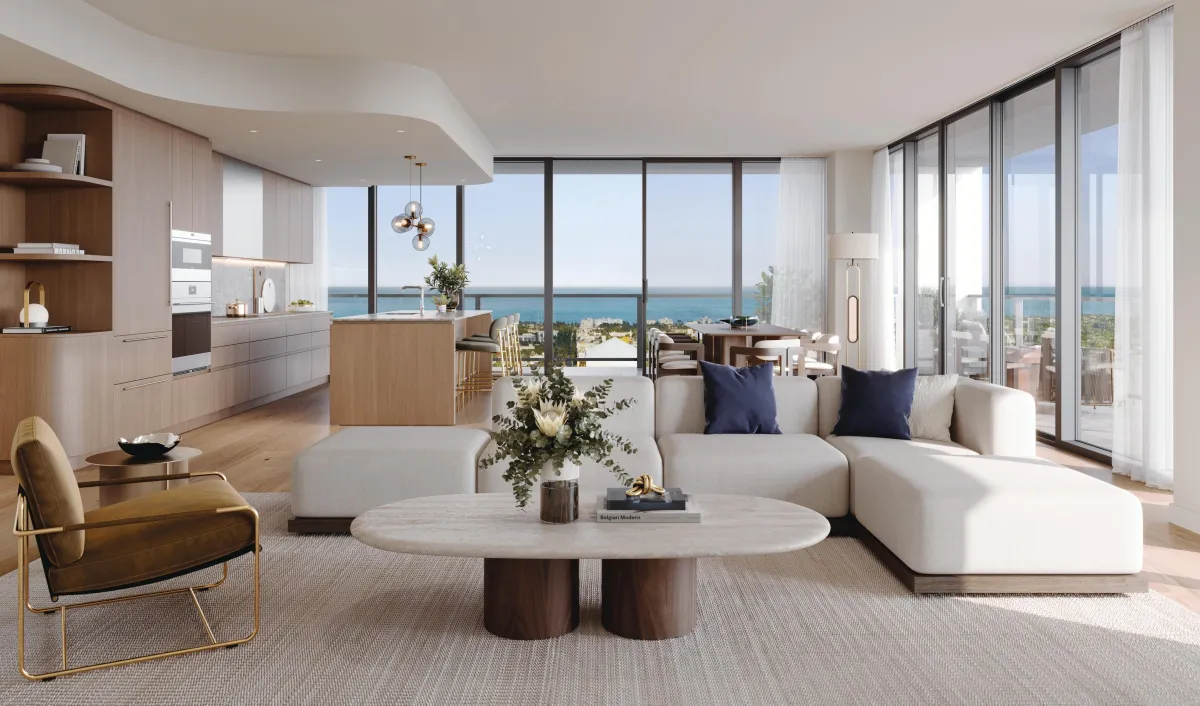
The West Palm Beach ultra-luxury buyer in 2026 is demographically specific:
Financial professional (35–55): Relocated from New York or Chicago with a Wall Street South employer, establishing Florida domicile for the state income tax saving ($650K–$1.47M+ annually at $5M–$10M income), and choosing WPB over Miami for its Palm Beach social season access and its quieter residential character.
Palm Beach family (50–70): Palm Beach Island resident (or aspirant) who finds the five active WPB developments more architecturally and amenity-rich than the Palm Beach Island alternatives, at significantly lower price points than Palm Beach’s $12.9M median SFH.
International (Brazil, Venezuela, Europe): Buyers who began their South Florida history in Miami but are discovering WPB’s appreciation trajectory and the specific Palm Beach social infrastructure as a preferred primary residence context.
What Comes Next
WPB’s pipeline beyond the current five buildings will depend on land availability along the South Flagler Drive corridor — the Intracoastal-fronting strip that produced four of the five active buildings. The corridor’s available parcels are limited; the next wave of WPB development will require either northward extension into the Northwood Village area or creative mixed-use development of existing commercial parcels.
The city’s transformation is not complete — a market that has appreciated 187% in a decade still has significant runway if the demographic drivers (Wall Street South migration, Palm Beach spillover, international buyer interest) remain structural rather than cyclical. The evidence as of mid-2026 suggests they are structural.
Need details on these residences?
Our advisory team can share current information on the projects referenced in this guide.
Speak With an Advisor →