The Retiree’s Guide to Full-Service South Florida New Developments
The luxury retiree is South Florida’s fastest-growing buyer segment — and the segment most underserved by the market’s standard marketing materials, which describe buildings as if every buyer were a 45-year-old executive planning to use the residence as a second home for weekend entertaining rather than a primary home for daily living.
The retiree’s evaluation criteria differ specifically from the younger buyer’s in ways that the market’s marketing rarely acknowledges. These differences are not about limitation — the luxury retiree is making the most deliberate and financially consequential residential decision of their life. Understanding the criteria that matter for this buyer is the foundation of making the right decision.
The Criteria That Change After 65
Medical proximity: For the buyer who is managing chronic conditions, who has reached the age where specialist relationships matter, or who has a spouse whose health requires ongoing management, the proximity of South Florida’s major health systems is a primary location criterion rather than a convenience.
The major systems: Cleveland Clinic Florida (Weston, 35 minutes from Miami; Palm Beach Gardens, 25 minutes from WPB), Jupiter Medical Center (Jupiter, 20 minutes from Palm Beach), Baptist Health South Florida (multiple campuses across Miami-Dade), and the University of Miami Health System (multiple Miami locations). Buyers who specifically need access to cardiac surgery, oncology, or other specialty care should map their building’s distance to the appropriate center before purchase.
Building elevator reliability: In a building where the elevator is the only route between the parking level and the residence, elevator reliability is a genuine safety consideration rather than a convenience matter. Ask specifically: how many elevators serve the residential floors? What is the backup plan when an elevator is under maintenance? What is the average repair response time? Buildings with single-elevator shafts serving a large number of floors create meaningful access risk when that elevator is out of service.
Guest suite availability: The luxury retiree frequently hosts family for extended visits — children, grandchildren, and family members who may stay for weeks rather than days. A building with a well-appointed guest suite (available to residents for a nominal nightly fee) allows the retiree to purchase a right-sized primary residence (perhaps a two-bedroom rather than a four-bedroom) while accommodating extended family visits without requiring a permanently underutilized bedroom.
Social programming appropriate to the resident demographic: A building whose social programming calendar is organized around the interests of a 45-year-old professional (networking events, athletic programming oriented toward high-intensity exercise, social events organized around nightlife) will not satisfy a 70-year-old retiree whose social interests are oriented toward cultural programming, garden clubs, charitable activities, and the slower social pace of established community. Ask who the building’s current residents are and what the building’s social programming calendar actually looks like.
Service staff continuity: For the primary-residence retiree, the relationship with building staff — the concierge who has known them for five years, the housekeeper who understands their specific preferences, the building manager who has watched their usage patterns and anticipates their needs — is one of the most valuable aspects of branded residence living. Buildings with high staff turnover undermine this relationship. Ask specifically about staff retention rates and the building management team’s average tenure.
HOA governance stability: The retiree who purchases a primary residence is purchasing a long-term relationship with the building’s HOA governance structure. HOA boards that are riven by conflict, that face underfunded reserves, or that are considering major assessments for deferred maintenance create an unstable residential environment that affects daily quality of life. Request the past three years of board meeting minutes, the reserve study, and the current reserve funding percentage before closing.
The Buildings Best Suited to the Luxury Retiree

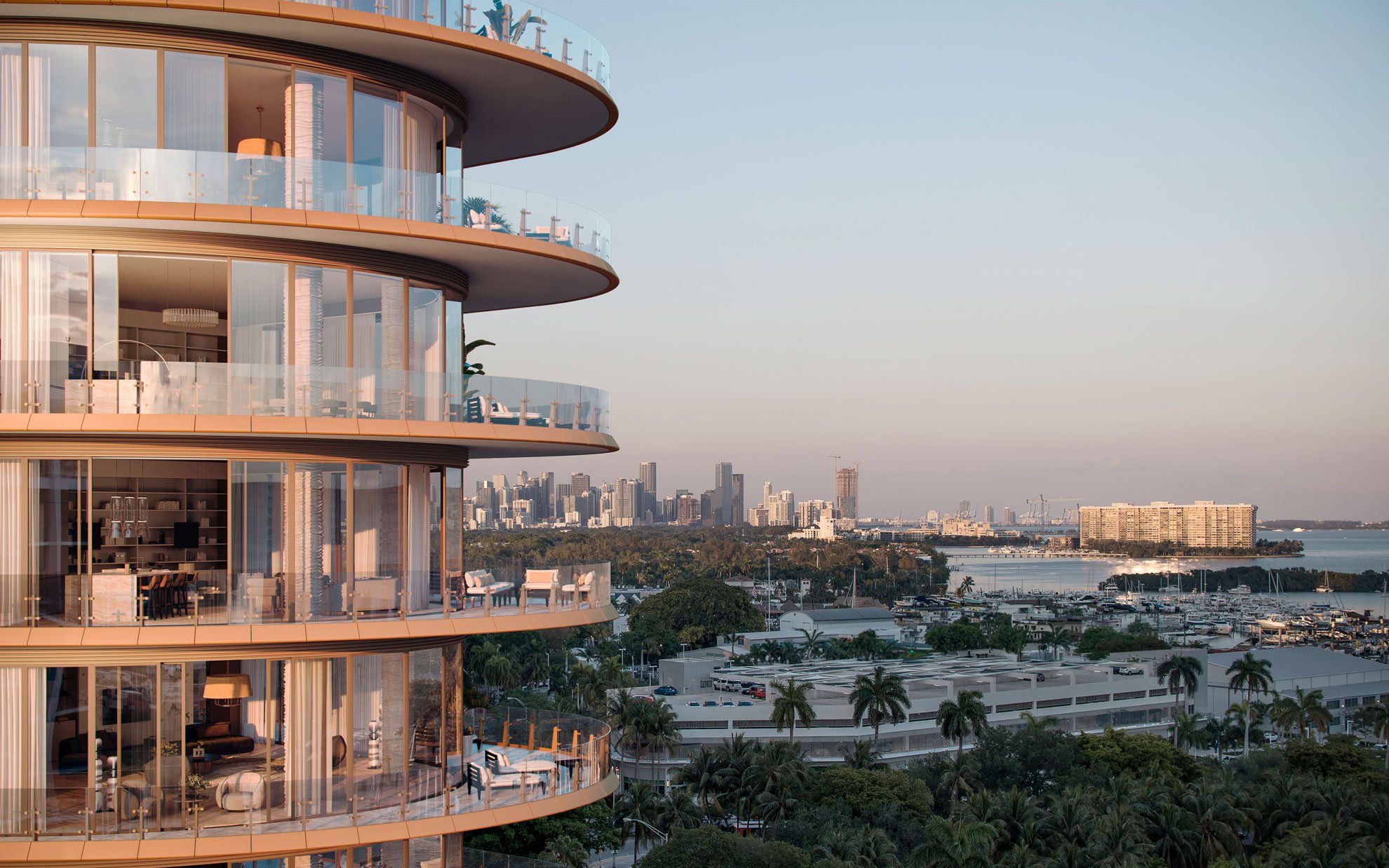
Four Seasons Private Residences Coconut Grove: The standalone model (no hotel guests, all service exclusively for 70 owners) produces the service continuity and relationship depth that the long-term retiree values most. The building’s smaller scale (70 residences) creates the community intimacy of a members club. Coconut Grove’s neighborhood character — mature, walkable, with the most established community identity in Miami — provides the specific environmental quality that the retiree’s daily life benefits from most.
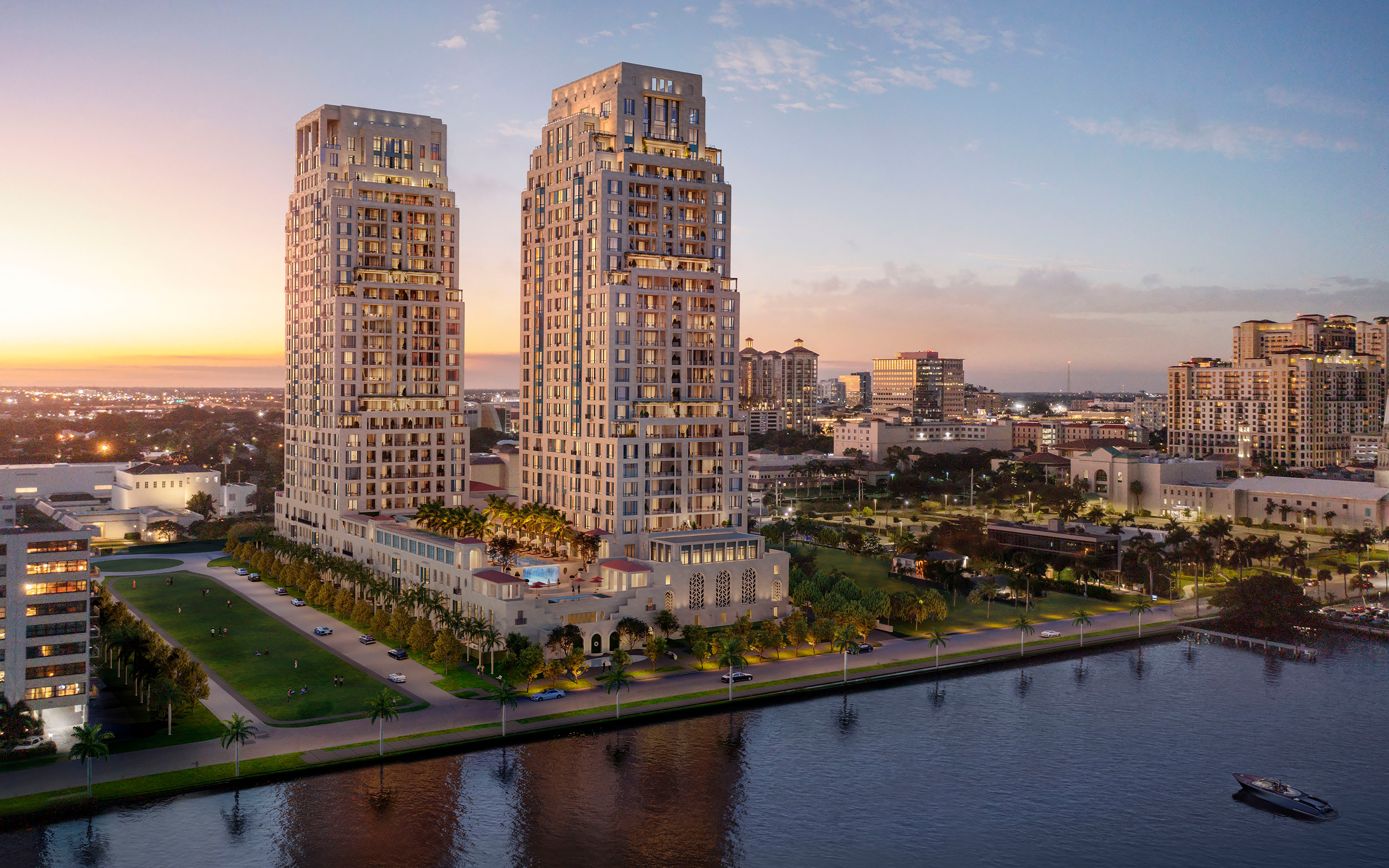
South Flagler House West Palm Beach: The West Palm Beach location provides the Palm Beach social season access (January–April polo, charity circuit, cultural programming) that many luxury retirees prioritize as their primary social calendar. The Cleveland Clinic Florida Palm Beach Gardens campus is approximately 20 minutes from South Flagler House. The RAMSA architectural quality and the floor plan generosity provide a daily living environment that rewards decades of primary residence rather than deteriorating with it.
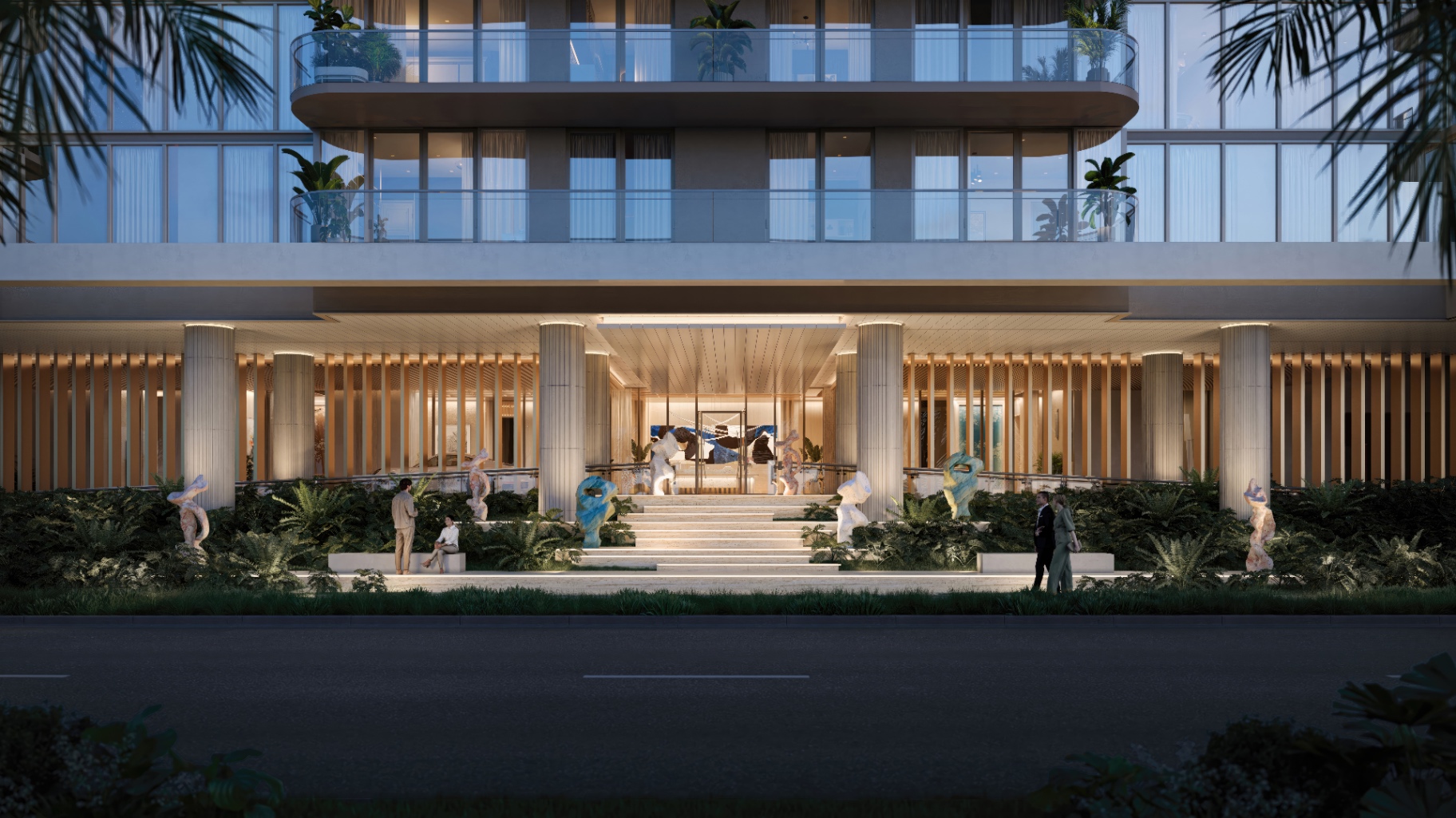
Ritz-Carlton Residences West Palm Beach: The established Ritz-Carlton service standard — particularly the brand’s track record with older guests who have long relationships with the Ritz-Carlton brand — produces a service culture that serves the retiree’s specific needs. Palm Beach International Airport’s proximity provides easy connectivity for family visits.
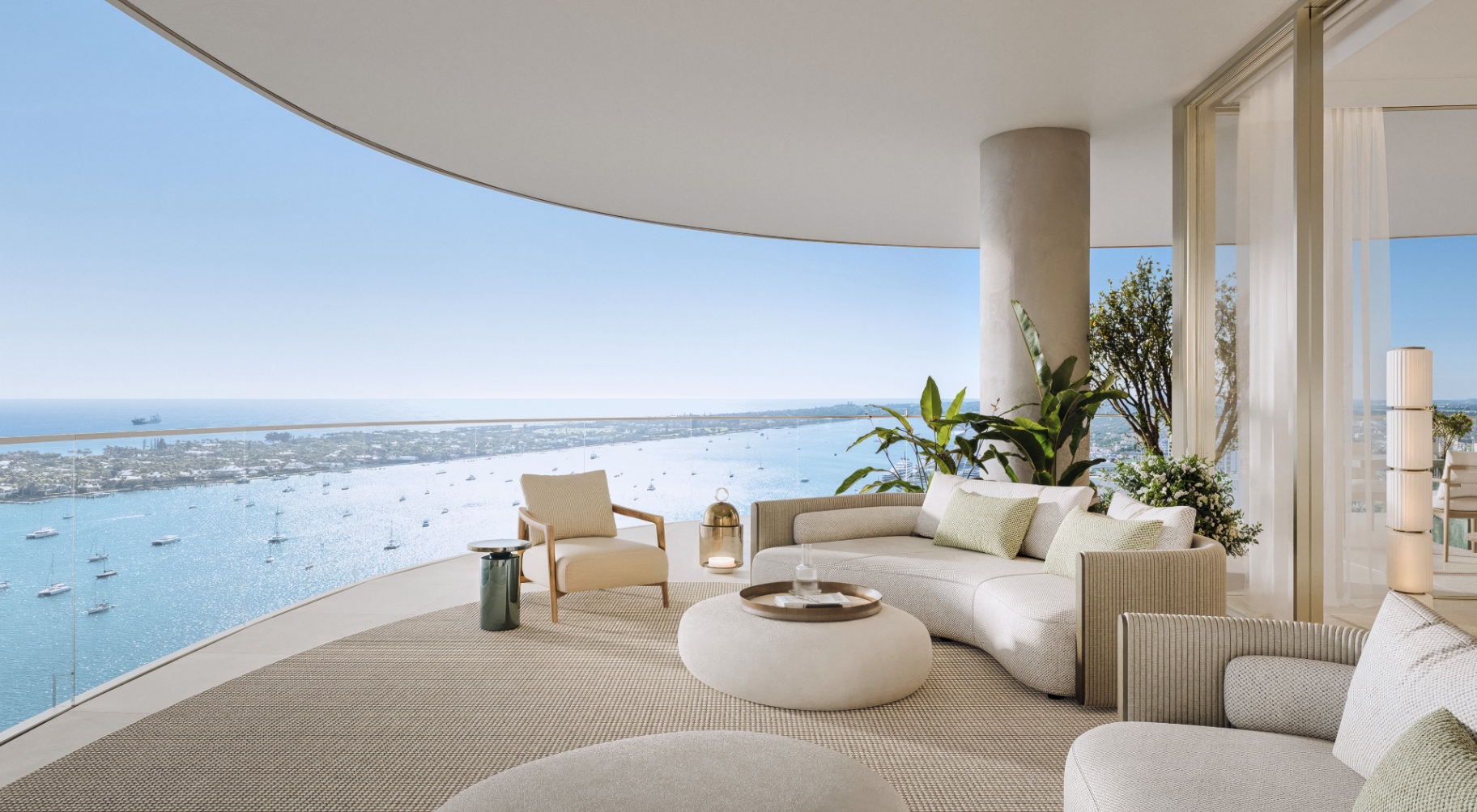
Mandarin Oriental Residences West Palm Beach: The brand’s wellness philosophy and spa depth provides ongoing programming that is specifically appropriate for the health-conscious retiree — and the Moshe Safdie architecture’s emphasis on natural light and biophilic design elements produces a daily living environment that research consistently associates with improved wellbeing.
Need details on these residences?
Our advisory team can share current information on the projects referenced in this guide.
Speak With an Advisor →