Miami Design District New Developments: A Buyer’s Market Guide
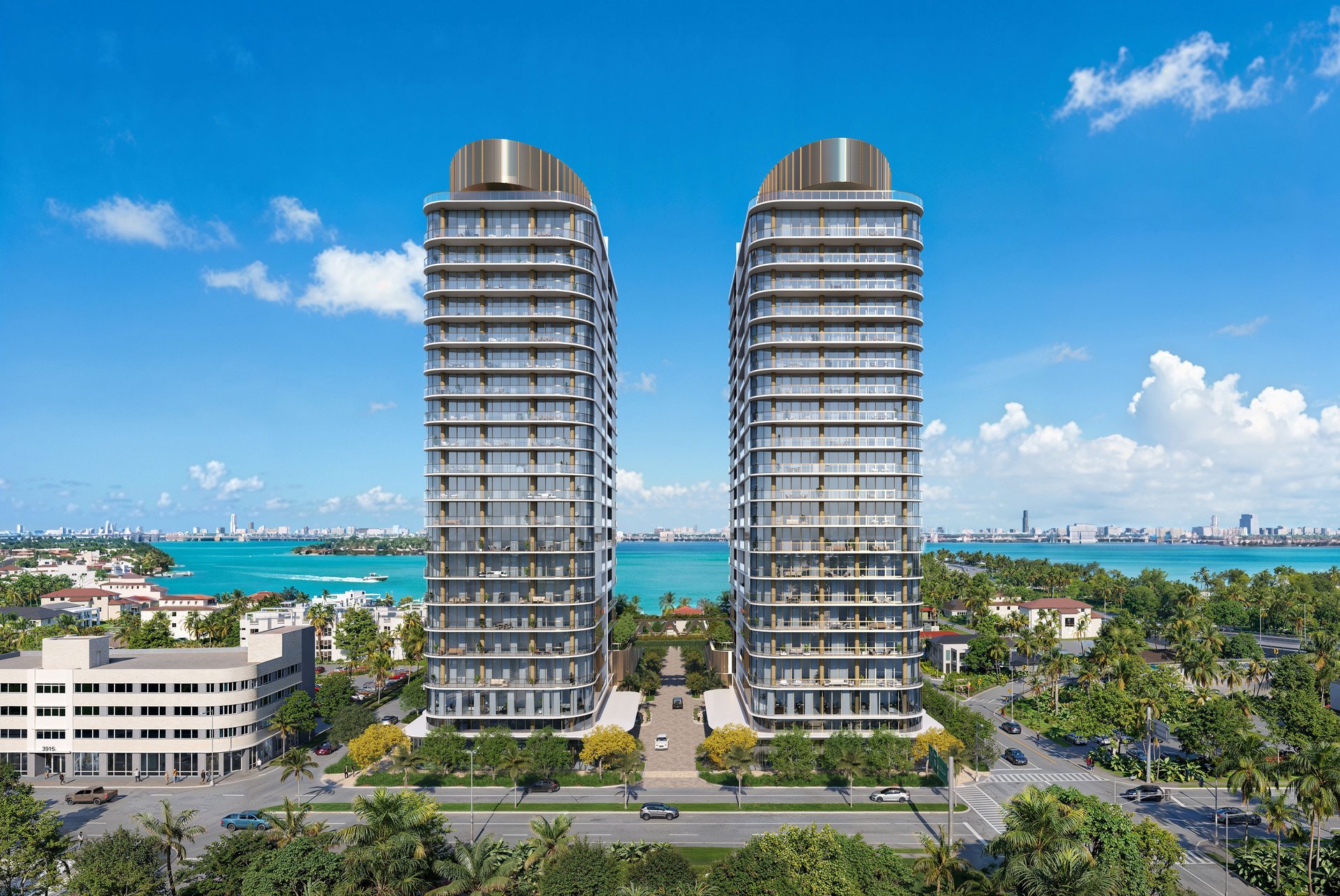
Miami Design District new developments are introducing branded, hospitality-grade condominium living to a neighborhood long defined by flagship retail, museums, and chef-driven restaurants. Two projects anchor the shift: Kempinski Residences Miami Design District, set within the district across two towers, and Jean-Georges Miami Tropic Residences, a 49-story culinary-led tower immediately adjacent via a dedicated crosswalk. Together they signal a new category of walkable, design-led luxury living in Miami.
Why the Design District Is Becoming a Residential Address

For nearly two decades, the Miami Design District has been defined by what visitors do there: shop the flagships of Hermès, Dior, and Louis Vuitton; tour the Institute of Contemporary Art; and dine at chef-driven restaurants that anchor each block. What it has not been, until recently, is a place to live full-time.
That is changing. A new generation of vertical, branded Miami Design District new developments is bringing long-term residents into the neighborhood — buyers who want to walk to dinner, gallery openings, and global flagships rather than drive to them. The pivot mirrors patterns visible in mature cultural districts elsewhere: once retail, dining, and art reach critical mass, residential capital follows.
For buyers tracking Design District luxury condos, the shift creates a narrow but distinctive opportunity: residences in a neighborhood with limited developable land, established cultural infrastructure, and a clear identity separate from Brickell, Edgewater, or South Beach.
What Defines a Design District Residence
A few attributes recur across projects positioning themselves within or adjacent to the Design District:
- Branded service. Hotel-grade hospitality is the operating model, whether through a named hotel brand or a chef-led culinary partnership. Buyers should expect concierge, valet, and curated programming as a baseline rather than a premium.
- Architecturally distinct towers. Unlike beachfront Miami, where towers face the ocean in parallel lines, Design District residences sit within a denser, urban context. Expect bolder forms, terrace-driven floor plates, and views combining skyline, Biscayne Bay, and the neighborhood’s own creative low-rise architecture.
- Walkability as amenity. The Design District’s compact footprint means residents move between home, gallery, dining, and retail on foot — a rarity in greater Miami and a meaningful differentiator from car-dependent submarkets.
Two Projects Defining the Category
Kempinski Residences Miami Design District
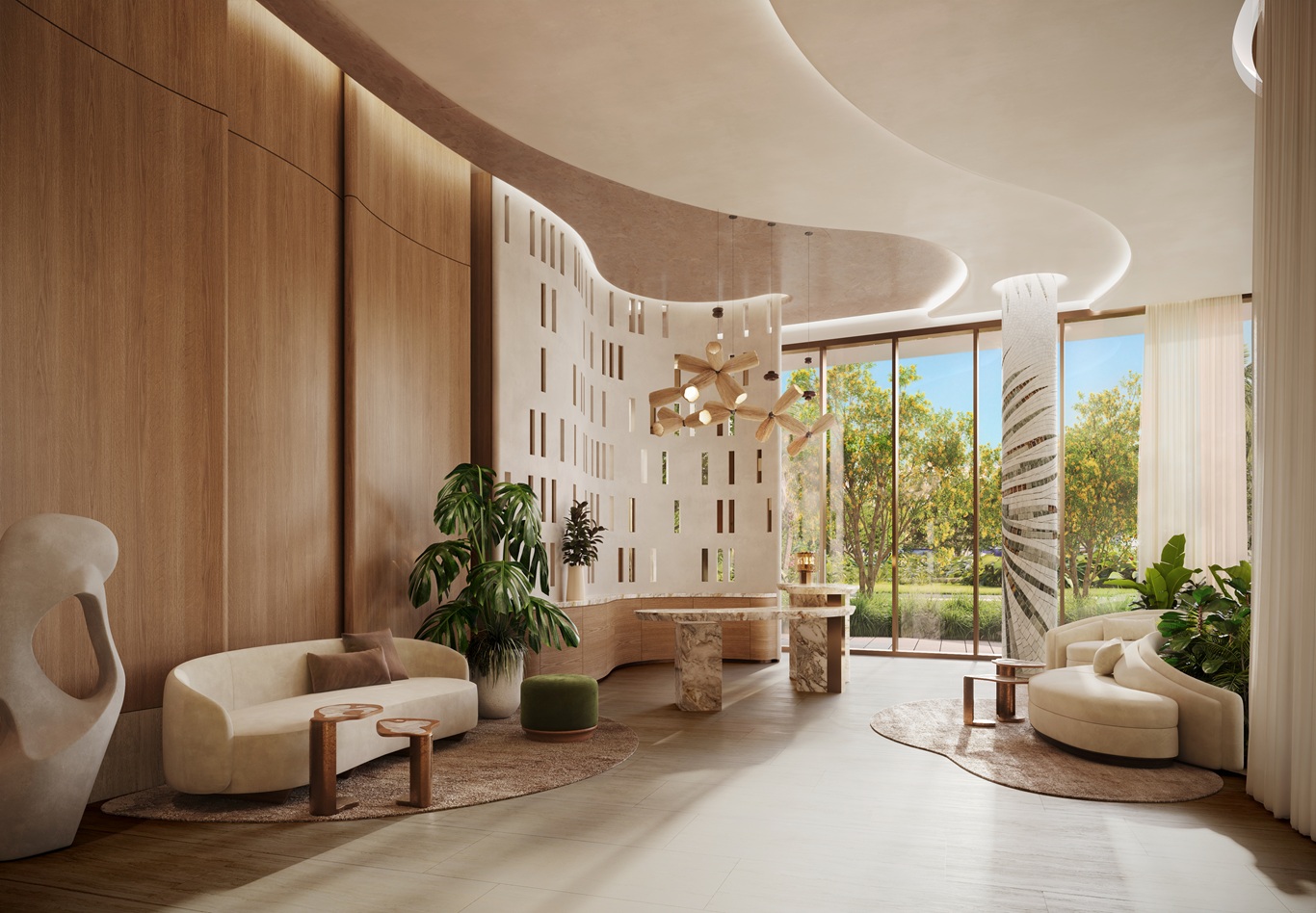
The arrival of Kempinski Miami Design District brings one of Europe’s most established luxury hotel brands to the neighborhood. The project comprises two towers with 132 private residences, six townhomes, and 17 guest suites reserved exclusively for residents’ use. Expansive terraces are designed to open onto Biscayne Bay and skyline views, with interiors emphasizing refined materials and contemporary lines.
The Kempinski service culture — discreet, anticipatory, hospitality-led — is the central proposition. For buyers who value European-style residential service and a globally recognized luxury name, Kempinski represents a distinct alternative to the American and Asian hospitality brands that dominate Miami’s branded-residence market. Pricing, developer details, completion timeline, and floor-plan specifics should be confirmed directly with the development team.
Jean-Georges Miami Tropic Residences
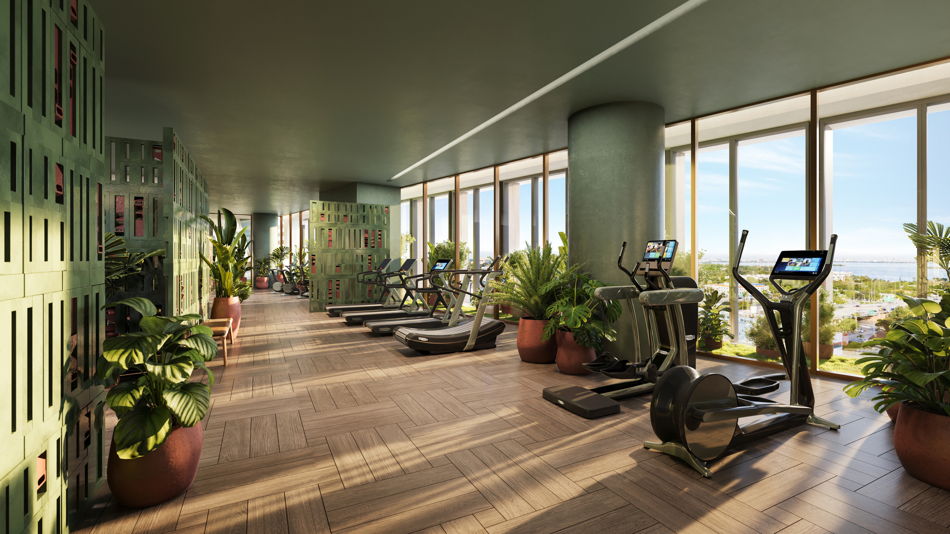
Immediately east of the Design District, connected by a dedicated crosswalk, Jean Georges Miami Tropic Residences takes a different approach: a single 49-story tower of 329 residences anchored by one of the most recognizable names in global hospitality. Developed by Terra and Lion Development Group, with architecture by Arquitectonica and interiors by Yabu Pushelberg, the building integrates Jean-Georges culinary programming throughout — including in-residence dining, a pool-level private restaurant, and ground-floor abc kitchens, the chef’s inaugural Miami concept.
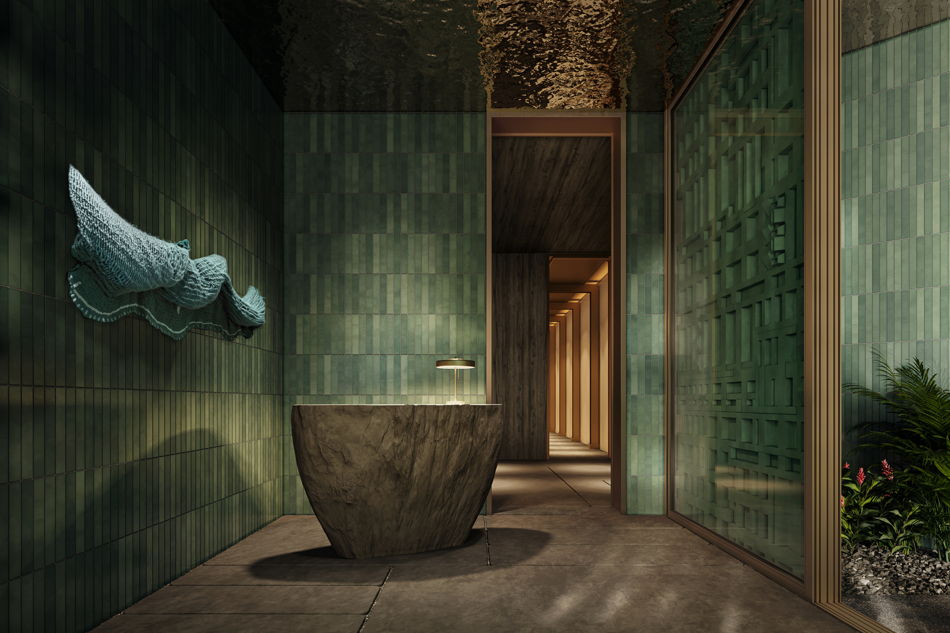
Residences begin on the 9th floor and range from 852 to 2,892 square feet. Pricing has been published from $1,114,000 to $5,739,000, with completion targeted for 2028. Amenities span a Level 7 wellness floor (steam, infrared sauna, hot and cold plunge), a Level 8 resort pool deck, and a Level 49 rooftop pool with sky bar and dining room, plus a podcast studio, private cinema, and business lounge. Buyers should verify current pricing and availability with the development team.
How the Two Compare
| Consideration | Kempinski Residences | Jean-Georges Miami Tropic |
|---|---|---|
| Configuration | Two towers, 132 residences + 6 townhomes + 17 guest suites | Single 49-story tower, 329 residences |
| Service model | Kempinski hotel-brand hospitality | Chef-led culinary partnership |
| Location | Within Design District | Adjacent, connected by crosswalk |
| Views | Biscayne Bay and skyline | Downtown, ocean, and bay vantages |
| Status | Verify with sales team | Pricing published; 2028 completion |
What Buyers Should Compare Before Reserving
Before signing a reservation agreement on any Design District luxury condo, buyers should systematically evaluate:
- Pricing and price-per-square-foot. Headline prices typically reflect the lowest-available residence. Request the full price sheet and the average price per square foot across the line you are considering.
- Floor plans and ceiling heights. Terrace depth, ceiling height, and column placement vary between projects. Request actual unit plans rather than marketing renderings.
- Developer track record. Look at delivered projects, not announced ones. For newer entrants, ask which past projects have closed and how they performed against original delivery schedules.
- Brand structure. Branded residences vary widely. Some are fully hotel-operated; some are licensing arrangements where the brand lends its name but day-to-day operations are managed separately. Buyers should verify the exact service structure with the development team.
- Delivery timeline and deposit structure. South Florida pre-construction typically involves staged deposits at contract, groundbreaking, and additional construction milestones. Confirm the schedule and how deposits are held in escrow.
- Views. “Bay views” can mean direct, partial, or filtered. Confirm sightlines from the specific floor and stack under consideration, and ask about future development that could affect them.
- Service model. Concierge hours, valet structure, included versus à-la-carte services, and resident-only access to hotel amenities all materially affect daily experience.
- Rental policy. Some branded residences restrict short-term rentals; others permit them through the hotel’s rental program. This matters for buyers planning to use a residence part-time.
- Resale considerations. Branded residences have historically commanded resale premiums in established markets, though past performance does not predict future outcomes. Buyers should consult independent legal, tax, and financial advisors before purchasing.
Miami Design District New Developments FAQ
What new developments are planned in the Miami Design District?
Two projects anchor the shift. Kempinski Residences Miami Design District sits within the district across two towers. Jean-Georges Miami Tropic Residences is a 49-story culinary-led tower immediately adjacent, connected by a dedicated crosswalk. Confirm current pricing and availability with HL Real Estate Group.
How do Kempinski Residences and Jean-Georges Miami Tropic compare?
Kempinski plans two towers with 132 residences, six townhomes and 17 resident guest suites under hotel-brand hospitality. Jean-Georges is a single 49-story tower of 329 residences with a chef-led culinary partnership. Location, service model and views differ; compare both on the same document set.
What is published pricing for Jean-Georges Miami Tropic Residences?
The Design District guide states published pricing from $1,114,000 to $5,739,000, with completion targeted for 2028. Residences begin on the 9th floor and range from 852 to 2,892 square feet. Confirm current pricing and availability with HL Real Estate Group before reserving.
Why are buyers looking at Design District luxury condos?
The neighborhood has long been defined by flagship retail, museums and chef-driven restaurants, with limited developable land. New branded towers add walkable, design-led residences next to that cultural base. Buyers should weigh branded service, terrace-driven floor plates and walkability against Brickell, Edgewater or South Beach.
Need details on these residences?
Our advisory team can share current information on the projects referenced in this guide.
Speak With an Advisor →