Hurricane Readiness in New South Florida Condos: The Building Systems to Ask About
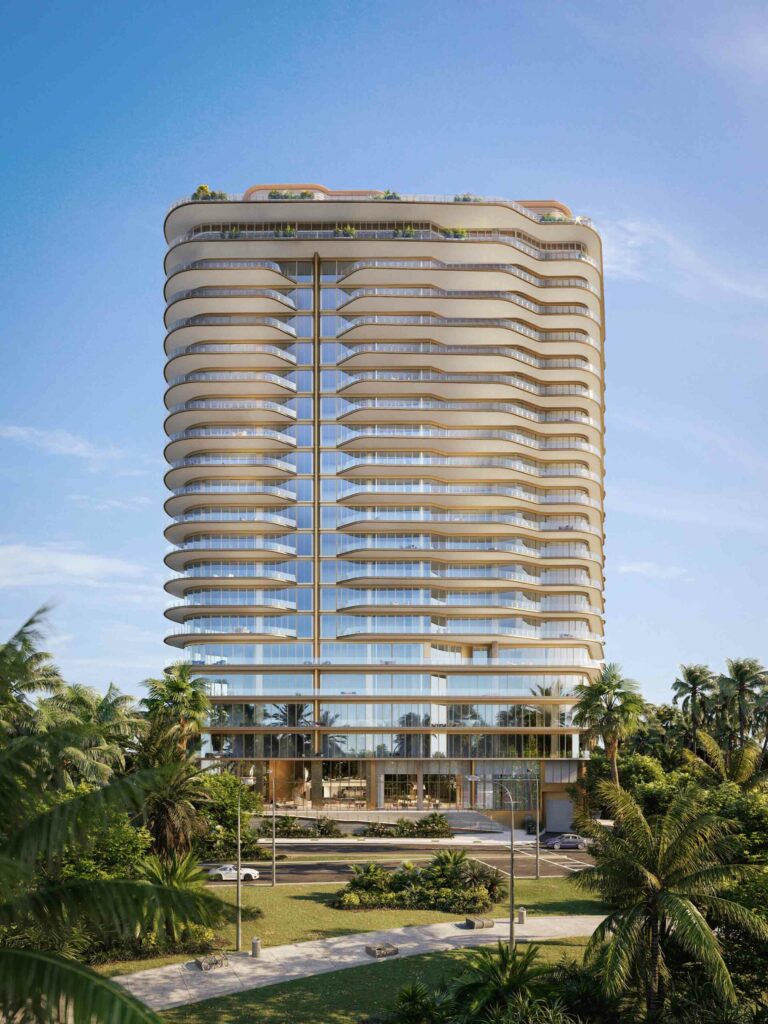
The building systems that decide how a new South Florida condo tower rides out a hurricane, and the questions to ask before you sign. This is not an insurance guide.
Hurricane season shapes how South Florida towers are designed, built and run. For a buyer in a new development, the useful questions aren’t about insurance premiums. They’re about the building itself: the wind loads it was engineered for, the glass and doors in your residence, what the emergency generator actually powers, and what the association does when a storm is forecast. This guide walks through those building systems, explains the code and statute rules behind them, and lists the documents to request. For coverage and premiums, see our separate Florida property insurance guide for 2026.
Wind design: the High-Velocity Hurricane Zone
Every new building in Florida is designed under the Florida Building Code, but Miami-Dade and Broward counties sit inside a stricter category the code calls the High-Velocity Hurricane Zone, or HVHZ. Section 1620 of the code sets the HVHZ wind loads, with design wind speeds by county and by risk category. Under Section 1620.2 of the 2023 Florida Building Code, 8th Edition, Risk Category II buildings, the category that covers most residential towers, are designed for a 3-second-gust wind speed of 175 mph in Miami-Dade County and 170 mph in Broward County. Higher risk categories carry higher speeds.
Palm Beach County isn’t in the HVHZ. New towers there are still designed to the code’s statewide wind provisions, which use wind-speed maps rather than a single county figure. That difference matters when you compare a residence in Brickell or Fort Lauderdale with one in West Palm Beach or Palm Beach Gardens: the rules for testing and approving windows and doors aren’t the same.
What to ask: the risk category the structural engineer used, and the design wind speed shown on the permit drawings for the building.
Windows, doors and product approval
In a high-rise residence, glass is most of the exterior wall, so the window and door system is the hurricane feature you live with every day. In Miami-Dade County, exterior doors, windows, shutters and roofing materials require county product approval, issued as a Notice of Acceptance, or NOA, by the county’s Product Control Section. An NOA identifies the manufacturer and the product, states that it was designed to comply with the Florida Building Code including the HVHZ, and carries an expiration date. The county’s product-testing guidance says impact-resistant and non-impact glazed products need separate NOAs. Outside Miami-Dade, the statewide Florida Product Approval system serves a similar purpose.
Developers seldom put product-approval detail in marketing materials, so ask for it directly.
What to ask: whether every exterior opening in your residence uses impact-rated glazing, the product approval or NOA numbers for the window wall and terrace doors, and the design pressure rating for your floor and exposure. Corner and upper-floor residences can carry higher design pressures than a mid-floor unit, so ask for the figure for your exact line.
Emergency power: what the generator actually runs
“Emergency generator” can mean very different things. In one building it may run only fire alarms, emergency lighting and one elevator. In another it may also run domestic water pumps, garage exhaust and select amenity spaces. When marketing materials describe backup power for “common areas,” read that as a limit, not a promise.
In a tower, the difference shows up fast. Without water pumps, upper floors can lose water pressure. Without elevator power, a 40th-floor residence becomes a long walk. Without power to the garage, cars may be stuck behind closed gates.
What to ask: a written list of the loads the generator serves, including how many elevators and which ones, whether domestic water pumps are included, the fuel source and on-site fuel capacity, the expected runtime at full load, where the generator and main electrical rooms sit relative to flood levels, and whether there is a connection for a portable generator if the permanent unit fails.
Water, garages and building elevation
Wind is only half of the risk. Storm surge and heavy rain test a building’s lowest levels: garages, electrical and mechanical rooms, elevator pits and lobbies. Some new buildings raise critical equipment above flood levels, or install deployable flood barriers at garage ramps and lobby doors. Those choices are worth confirming on the drawings rather than in conversation.
What to ask: the finished floor elevation of the lobby and garage entry, where switchgear and generators are located, whether flood barriers are provided and who deploys them, and how elevators are protected or recalled if water enters the building. Flood zones and elevation will get their own guide in this series.
Storm protocols and building staff
Systems only help if someone runs them. Ask how the building prepares when a hurricane watch or warning is issued: who secures terrace furniture and planters, whether the association requires owners to clear terraces, when elevators are taken out of service in high winds, and how residents are told about water or power interruptions. Service levels differ widely from building to building.
If you plan to be away during the season, ask whether staff will check on your residence, close shades or move furniture on request, and whether there’s a charge for it.
The rules on hurricane protection in condominiums
Florida’s condominium statute speaks directly to hurricane protection. Under section 718.113(5) of the Florida Statutes, the board of every residential and mixed-use condominium must adopt hurricane protection specifications for each building it operates, and those specifications must comply with the applicable building code. With approval from a majority of the voting interests, the board may install, or require owners to install, hurricane protection that meets or exceeds the code. A board can’t refuse an owner’s request to install protection that conforms to its adopted specifications, though it can require the owner to follow the building’s unified exterior appearance.
The same section addresses cost when protection has to come off. Unless the declaration says otherwise, an owner isn’t responsible for the cost of removing or reinstalling hurricane protection, including exterior windows and doors, when that’s needed for the association’s own maintenance or repair work.
Section 718.113(1) adds a link to the developer’s handover. After turnover, the association must perform the maintenance the developer identified under section 718.301(4)(p) and (q) until it gets new maintenance protocols from a licensed engineer, architect or credentialed reserve professional. For new-building buyers, that makes the developer’s maintenance protocols for windows, roofing, generators and pumps a document worth requesting. Our guides to reserves and inspections for new condo buyers and Florida’s condo safety law cover the reserve and inspection side.
A document checklist for hurricane readiness
Before you sign, or during your contract review period, ask for:
- The window and door product approvals or NOA numbers, with design pressure ratings for your residence.
- The generator load list, fuel capacity and expected runtime.
- Drawings or a summary showing lobby, garage and electrical room elevations, and any flood barriers.
- The association’s adopted hurricane protection specifications, or the developer’s draft if the association hasn’t been formed.
- The building’s hurricane preparation procedures for staff and owners.
- The developer’s maintenance protocols for the building envelope, roof, generator and pumps.
For the rest of the document list, see our due diligence checklist.
FAQ: Hurricane readiness in new South Florida condos
What is the High-Velocity Hurricane Zone?
It’s a designation in the Florida Building Code covering Miami-Dade and Broward counties. Buildings there follow stricter wind-load rules. Under Section 1620.2 of the 2023 code, Risk Category II buildings, which include most residential towers, are designed for 175 mph in Miami-Dade and 170 mph in Broward on a 3-second gust. Palm Beach County isn’t included.
How can I check whether my residence has impact-rated windows?
Ask the developer for the product approval or Miami-Dade Notice of Acceptance numbers for the window wall and terrace doors in your residence, along with their design pressure ratings. NOAs identify the manufacturer and product and carry an expiration date. Impact and non-impact glazed products need separate approvals, so the number tells you which you’re getting.
Does a condo generator keep my residence powered during a hurricane?
Often not entirely. Many tower generators are planned around life-safety systems and selected common equipment rather than every residence. Ask for a written list of what the generator powers, including how many elevators and whether domestic water pumps are covered, plus its fuel source, on-site fuel capacity and expected runtime, before you rely on it.
Can my condo association require hurricane shutters or impact windows?
Under section 718.113(5) of the Florida Statutes, the board must adopt hurricane protection specifications that comply with the building code. With approval from a majority of voting interests, it may install protection or require owners to install it. In a new building built with impact glazing, ask how the adopted specifications treat future replacements.