EV Charging in Florida Condos
Rights, approval and costs
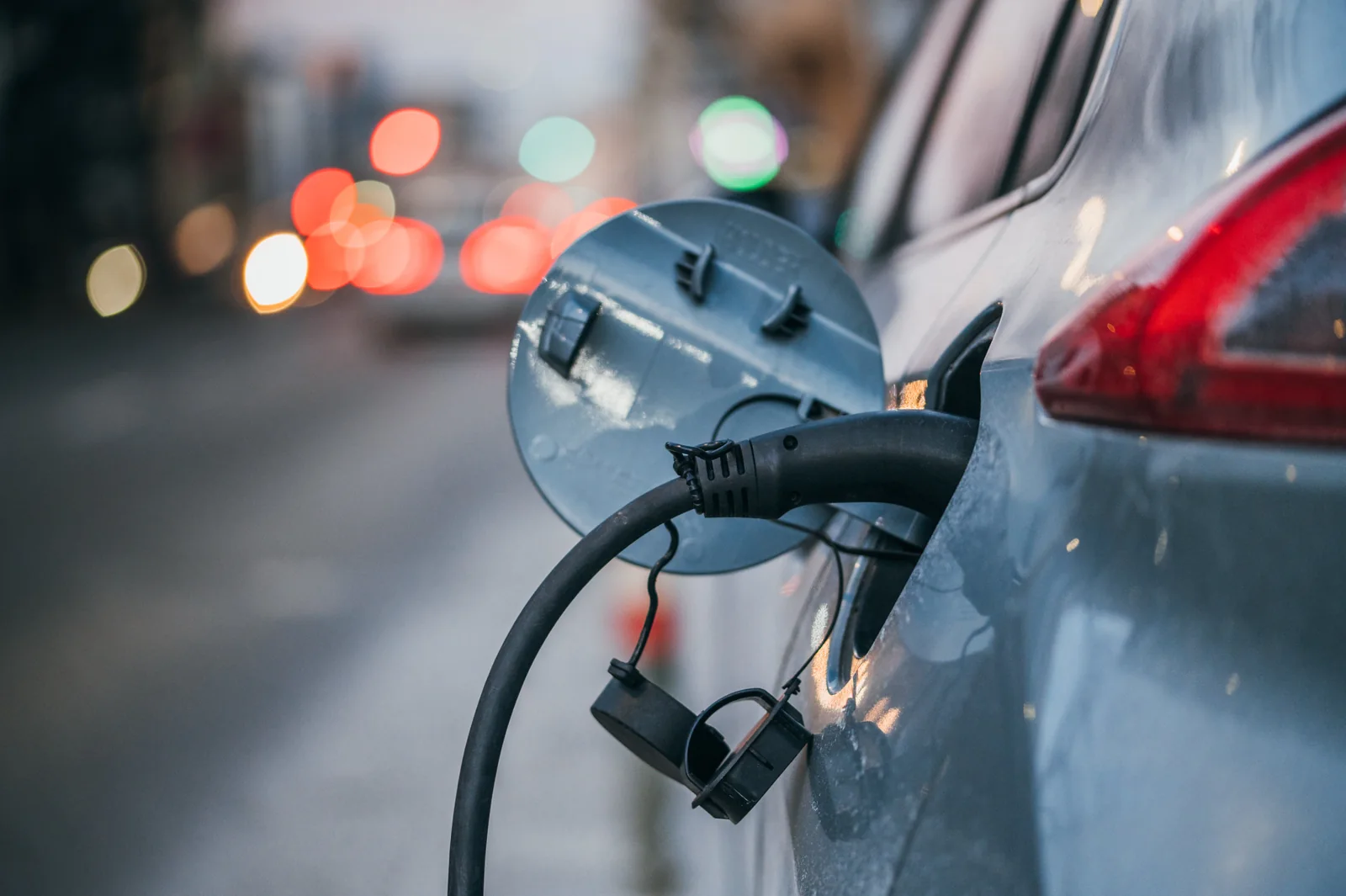
Florida condominium law protects a unit owner’s ability to install EV charging within a limited common element or exclusively designated parking area, subject to statutory conditions. The owner bears installation and ongoing responsibilities, while associations may impose qualified safety, architectural and insurance requirements. Shared association charging follows a separate provision and need not be free.
A charging symbol in a condominium brochure can mean several things: a shared station, parking wired for a future installation, or equipment serving an individual owner. Those are different arrangements, with different access and payment questions.
The starting point is Florida Statutes 718.113(8)–(9), checked against the official 2026 text on November 7, 2026. This guide addresses condominiums governed by that statute. It is general information, not individualized legal advice; ask condominium counsel to assess your parking rights and installation proposal.
First distinguish individual and shared charging
Subsection (8) addresses an owner-installed station within the boundaries of the owner’s limited common element or exclusively designated parking area. Subsection (9) permits the association board to make available, install or operate stations on common elements or association property and establish charges or payment methods for users.
A shared station is not automatically a personal charger, and a marketed charging amenity is not proof of free electricity. Conversely, a building’s lack of a shared program does not itself settle an owner’s ability to pursue an installation under subsection (8).
On smaller screens, scroll the comparison table horizontally.
| Question | Owner-installed station: subsection (8) | Association station: subsection (9) |
|---|---|---|
| Where does the provision apply? | Within the owner’s limited common element or exclusively designated parking area | Common elements or association property |
| Who controls the process? | Owner installation subject to statutory conditions and permitted association requirements | Board may make available, install or operate stations |
| How is electricity handled? | Separate or embedded metering; payable by the installing owner or successor | Board may establish charges and payment methods |
| Who bears responsibilities? | Owner bears installation, operation, maintenance, repair and specified insurance costs; removal responsibility also applies | Review the board’s operating, payment and access arrangements |
| Is a station necessarily included or free? | No | No |
Source: official 2026 Florida Statutes, section 718.113(8)–(9), reviewed November 7, 2026.
The parking protection is qualified, not permission for any garage
Under subsection (8)(a), the declaration, restrictive covenants and board may not prohibit an eligible installation within the specified parking boundaries. That is meaningful protection, but it is subject to the rest of subsection (8).
Start with the recorded declaration, parking assignment and any applicable plan. A space you use through valet or an informal arrangement is not, without more, proof that it is your limited common element or exclusively designated parking area. Resolve that question before ordering equipment.
The installation may not cause irreparable damage to the condominium property. Applicable federal, state and local laws and regulations still govern installation, maintenance and removal. Subsection (8)(i) supplies an implied easement across common elements for installation and power supply, including necessary equipment, subject to the subsection’s requirements. That is not an unrestricted right to run wiring anywhere by any method.
What the association may require
Subsection (8)(h) permits bona fide safety requirements consistent with building codes or recognized safety standards. It also permits reasonable architectural standards for dimensions, placement and external appearance, but those standards may not prohibit the installation or substantially increase its cost.
The association may require a licensed and registered firm familiar with the installation or removal and the equipment’s core requirements. Independently, applicable permitting and licensing requirements still apply. It may also require insurance documentation and reimbursement of an attributable premium increase as specified in the statute.
Submit a documented proposal rather than treating the non-prohibition language as permission to begin work without coordination. Ask the association to identify its application process and requirements in writing, and have counsel address any disputed condition.
Metering, insurance and the continuing bill
Electricity must be separately metered or measured by an embedded meter and paid by the installing owner or successor under subsection (8)(c). Determine how readings reach the billing party, who administers the account and what happens when the home changes hands.
Subsection (8)(e) places installation, operation, maintenance and repair costs on the installing owner, including hazard and liability insurance. If the owner or successor no longer needs the station, subsection (8)(f) assigns removal cost to that person. The association may enforce those specified costs under section 718.116.
Two insurance provisions deserve calendar entries. If required under subsection (8)(h)4, the owner must provide a certificate naming the association as an additional insured for related claims on the owner’s policy within 14 days after receiving the association’s installation approval or notice to provide the certificate. Under subsection (8)(h)5, the association may require reimbursement of the actual attributable increase in its premium within 14 days after receiving the association’s insurance premium invoice. These are separate statutory triggers, not a general approval deadline. The statute does not set a general 14-day period for the board to approve a charging application.
A document-first approval and responsibility checklist
- Parking: obtain the recorded designation or assignment establishing the relevant space and boundaries.
- Technical proposal: document equipment, electrical supply, circuit route, load assessment, metering and applicable permits.
- Association review: obtain the written safety and architectural requirements and the application procedure.
- Installer: verify legally required licensing and permits regardless of the association’s process; the association may also require the licensed and registered firm described in subsection (8)(h)3.
- Electricity: establish separate or embedded measurement, the payer and the billing method.
- Insurance: confirm hazard/liability coverage, additional-insured documentation and attributable premium reimbursement.
- Maintenance: record responsibility for service, repairs, operation and removal.
- Successors: document what a future purchaser needs to know about the equipment, metering and continuing obligations.
Obtain a residence-specific installation proposal and insurance information rather than estimating from another garage. Electrical routing, available infrastructure and the approved scope determine the practical work involved. No universal installation price follows from the statutory right.
For new-development buyers: ask what “EV-ready” actually buys
Before treating charging as a purchase feature, ask whether the description means conduit, an electrical connection, installed equipment or access to shared stations. Request the specification, parking allocation, anticipated payment method and responsibility for a later personal installation.
The buyer guides hub and pre-construction FAQ frame those purchase questions. The HOA guide and per-square-foot ownership-cost discussion help separate shared budgets from personal expenses. For the distinction between a marketed technology feature and a documented specification, see the smart-home technology article.
Frequently asked questions
Can a Florida condominium prohibit my EV charger?
Section 718.113(8)(a) protects installation within the boundaries of an owner’s limited common element or exclusively designated parking area, subject to the subsection’s conditions. It is not unconditional permission for any location or installation.
Does the protection apply to any parking space I use?
Not automatically. Confirm that the space meets the statutory limited-common-element or exclusively designated parking description. Valet use or an informal arrangement alone does not establish that status.
Who pays for electricity?
For an owner installation under subsection (8), electricity must be separately metered or measured by an embedded meter and payable by the installing owner or successor. Shared association charging may have board-established charges and payment methods under subsection (9).
Who pays installation, repairs and removal?
Subsection (8) assigns installation, operation, maintenance and repair costs, including hazard and liability insurance, to the installing owner. An owner or successor who no longer needs the station is responsible for removal cost.
What safety or design conditions may the association impose?
The association may require bona fide safety standards consistent with codes or recognized standards and reasonable architectural standards. The architectural standards may not prohibit installation or substantially increase its cost. Other permitted requirements include a qualified licensed and registered firm and specified insurance provisions.
What are the insurance deadlines?
If required, subsection (8)(h)4 provides 14 days after receiving the association’s installation approval or notice to supply a certificate naming the association as an additional insured on the owner’s policy for related claims. Subsection (8)(h)5 permits reimbursement of the actual attributable premium increase within 14 days after receiving the association’s insurance premium invoice.
Can the association offer shared charging?
Yes. Subsection (9) permits the board to make available, install or operate stations on common elements or association property and set user charges or payment methods. Installation, repair or maintenance under that subsection is not a material alteration or substantial addition for this section.
Does the law guarantee a free charger or a fixed installation price?
No. The statute allocates responsibilities and permits charges in the described arrangements. Obtain a site-specific proposal, metering plan and insurance information. This guide is general information, not legal advice.