Dezer Development: The Architect of Sunny Isles Beach
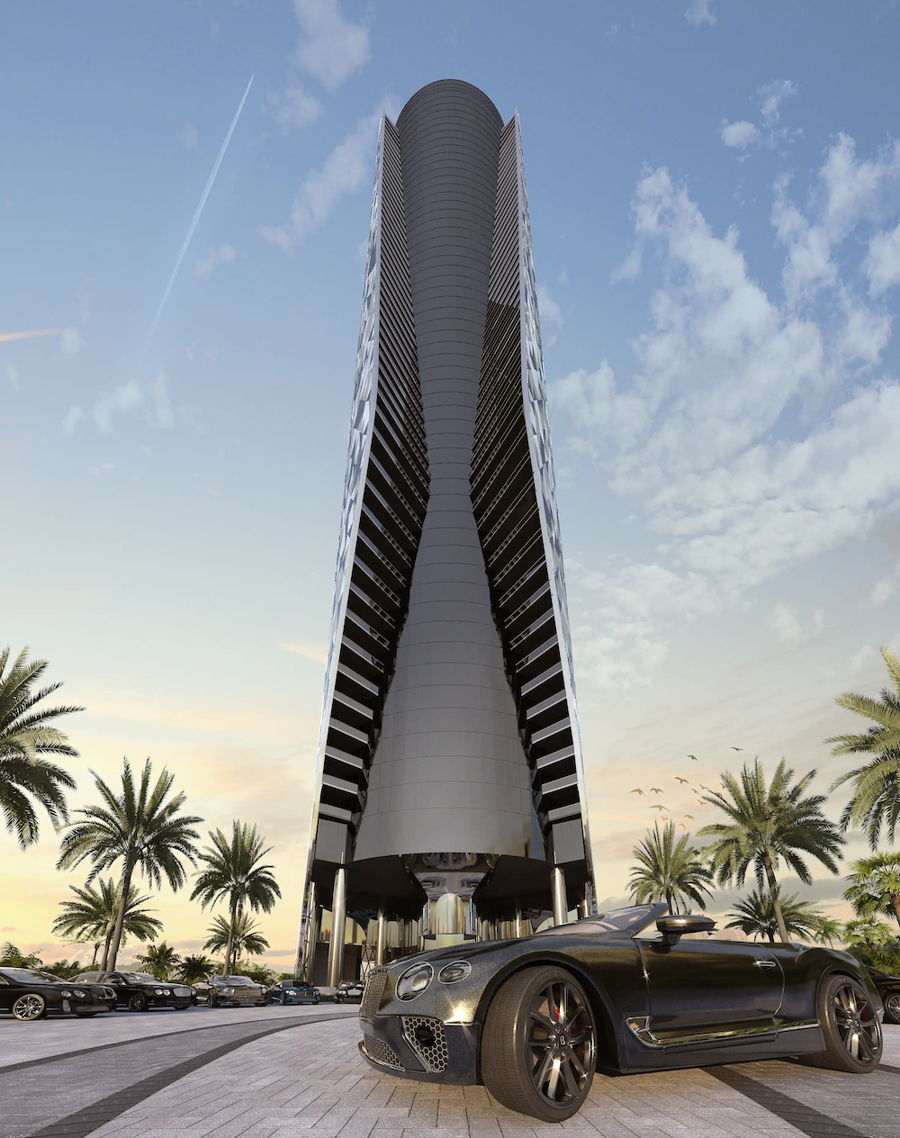
No developer has done more to define Sunny Isles Beach as a global luxury residential market than Dezer Development. Gil Dezer, who runs the firm his father Michael founded after acquiring oceanfront land in Sunny Isles Beach beginning in 1985, has built more branded oceanfront towers on a single stretch of Florida coastline than any developer in the history of the U.S. market.
Understanding Dezer’s approach matters to buyers because the firm’s projects are not simply luxury towers with brand partnerships — they are engineered lifestyle statements built around a consistent thesis: that automotive culture, precision design, and engineering innovation are the right identity for the kind of international UHNW buyer who wants Sunny Isles Beach.
The Land Position
Michael Dezer began buying oceanfront land in Sunny Isles Beach in 1985, when the area was a collection of small motels on an underdeveloped barrier island north of Miami Beach. Over the following decades, the firm assembled one of the largest private holdings of developable beachfront land in Florida — more than 27 oceanfront acres. That position is the foundation of everything Dezer has built.
It is also largely gone now. Bentley Residences is among the final major developments on Dezer’s original Sunny Isles land bank. The firm is now in planning with Related Group and BH Group for a 62-story oceanfront tower at 19051 Collins Avenue — a project that would become the tallest building in Sunny Isles Beach — suggesting the firm is beginning to acquire or partner on new sites rather than drawing down existing inventory.
The Automotive Branding Thesis
Dezer pioneered a specific theory of luxury residential branding: that automotive brands, particularly at the ultra-luxury tier, carry a global aspirational value that maps directly onto the kind of buyer who wants a Sunny Isles Beach oceanfront tower. The car becomes the organizing principle for the building’s design, engineering, and identity.
Porsche Design Tower was the first execution of this thesis. The building’s signature feature was the sky garage — a car elevator that lifts each resident’s vehicle to a glass-enclosed parking space directly adjacent to their living unit, visible from inside the home. The engineering required to build this was real, not decorative, and it established Porsche Design Tower as a globally recognized reference point for automotive-themed luxury development.
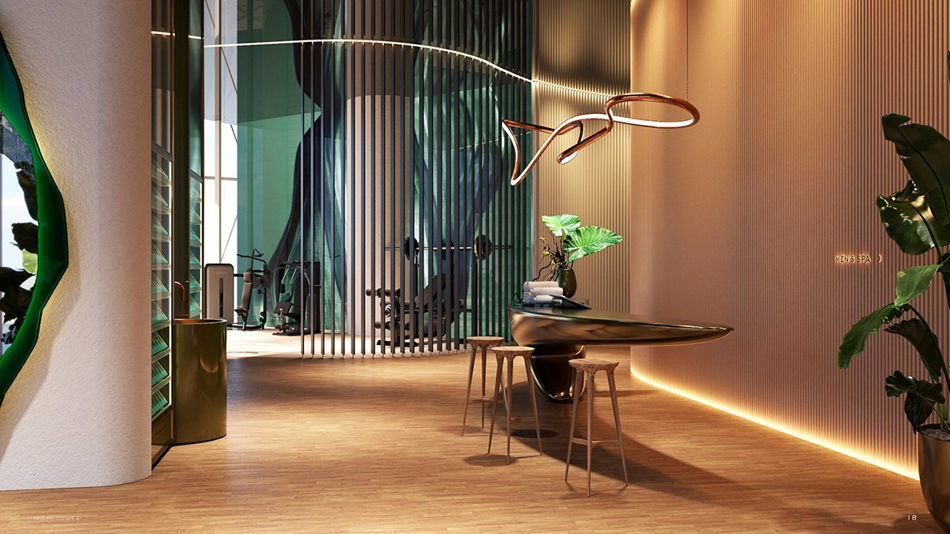
Bentley Residences refines the concept. The Dezervator — Dezer’s proprietary car elevator system — goes further than the Porsche sky garage, parking vehicles inside the private residence itself rather than in an adjacent glass enclosure. The building’s exterior, designed with Bentley’s design team, uses amber-bronze louvered panels that reference the brand’s material language. Starting prices are approximately $5.8M, with the building targeting a 2027 to 2028 delivery.
The $630 Million Bentley Construction Loan
In 2025, Dezer secured a $630 million construction loan for Bentley Residences — one of the largest construction financing deals in South Florida history for a single residential tower. The scale of that financing is relevant for buyers evaluating the project: it indicates strong lender confidence in both the developer’s track record and the building’s pre-sales position.
What Dezer Projects Mean for Buyers
Dezer’s automotive-branded towers consistently attract a specific buyer: internationally mobile, car-focused, design-driven, and interested in a building that makes a clear visual and cultural statement. For this buyer, the Dezervator is not a gimmick — it is the primary product differentiator, and no other building in South Florida replicates it.
For buyers who do not share the automotive identity as a primary driver, Dezer’s towers may be less naturally aligned — the design language is strong and specific, and the service model is not hotel-managed in the way that St. Regis or Four Seasons buildings are. The Sunny Isles Beach location is directly oceanfront, which is a genuine premium, but the building’s identity is more about objects and design than about hospitality service.
Pricing, availability, and delivery timelines are subject to change and should be verified with the development team.
Need details on these residences?
Our advisory team can share current information on the projects referenced in this guide.
Speak With an Advisor →