South Florida Is the World Capital of Culinary Branded Residences: The Complete Guide
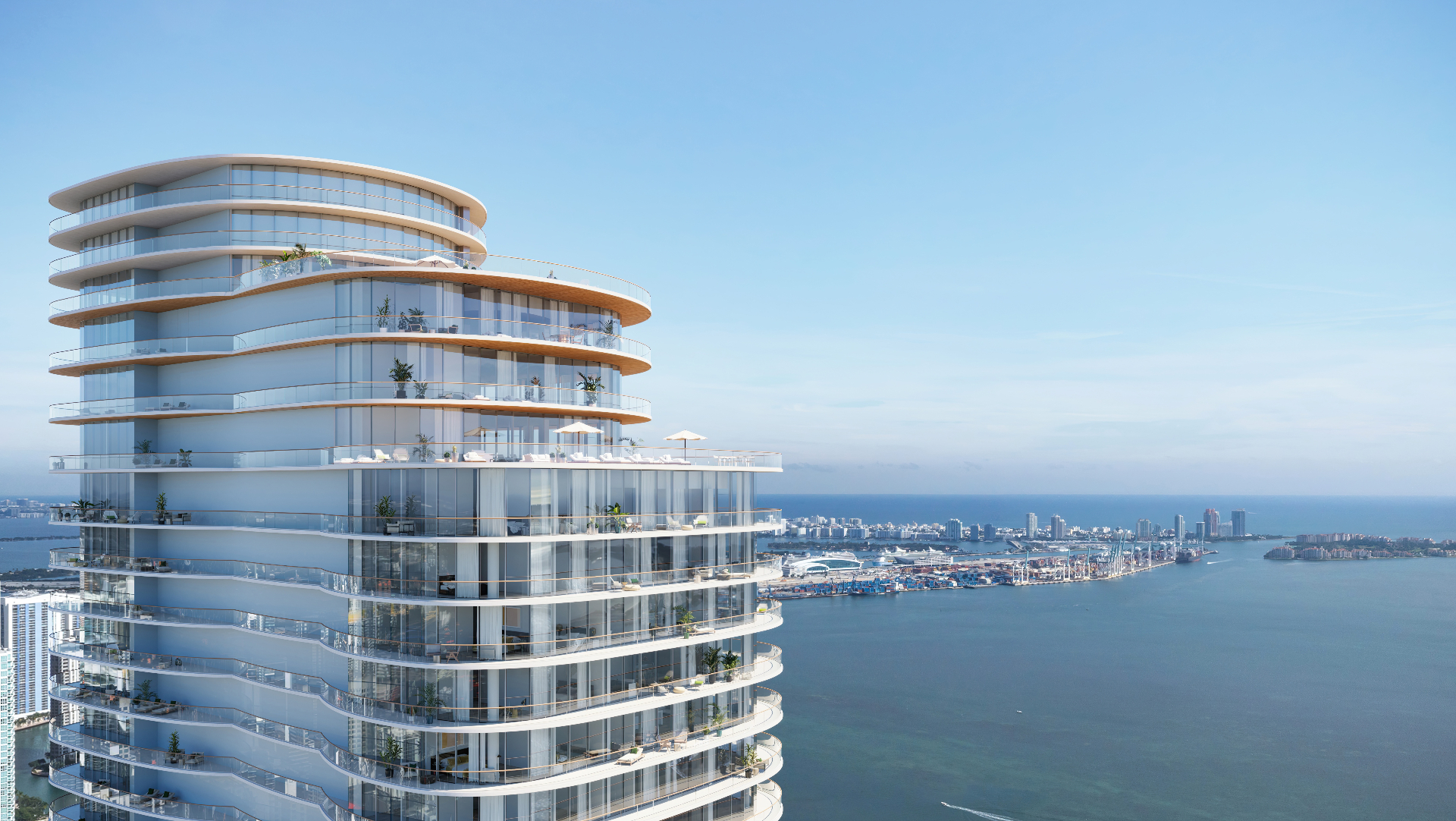
No other city in the world has six active culinary-branded residential developments simultaneously in its luxury new development pipeline. New York has some. London has some. Dubai is building. But South Florida — Miami specifically — has Nobu, Jean-Georges, Cipriani, Villa Miami (Major Food Group), Ritz-Carlton South Beach (José Andrés), and Fouquet’s delivering or under construction within a 20-mile radius.
This is not coincidence. It is the specific consequence of Miami’s particular combination: a food-literate ultra-HNW buyer base, a developer community willing to pay chef brand licensing premiums, and a hospitality culture that has organized itself around food as the primary social infrastructure rather than an amenity add-on.
The Six Buildings
619 Brickell — Nobu Hospitality
Nobu Matsuhisa’s first Miami residence. The Japanese-influenced design and service philosophy applied to a Foster + Partners Brickell tower. The omakase counter at the building’s restaurant is the anchor of the culinary program. $1.5M–$15M+ | Delivering 2028–2029
Jean-Georges Miami Tropic Residences — Jean-Georges Vongerichten
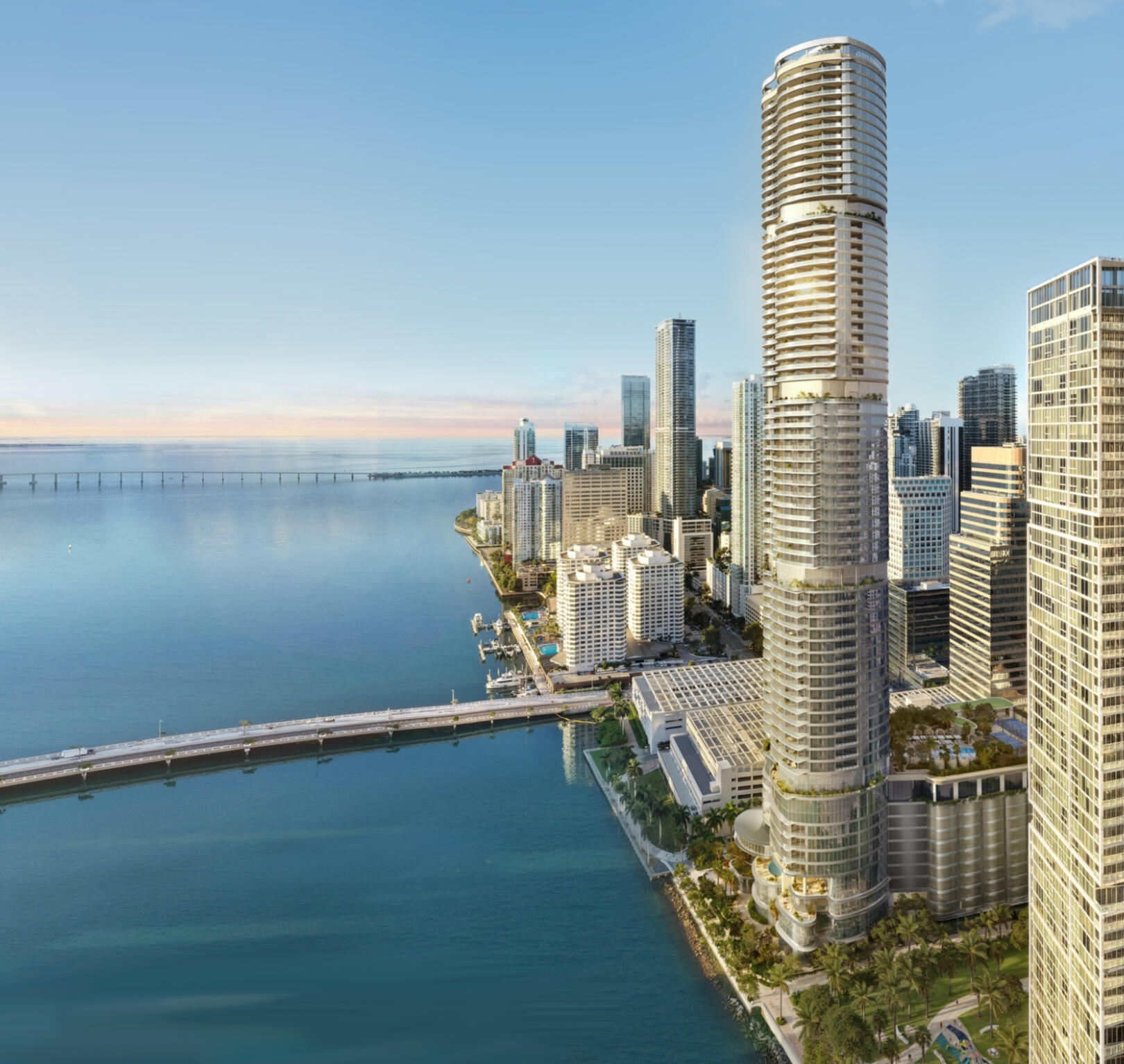
The French-American chef’s Miami Design District residential project. Jean-Georges Vongerichten’s culinary philosophy — French-influenced, globally sourced, technically precise — applied to the Design District’s cultural context. The restaurant anchors the building’s social life. $2M–$15M+ | Active sales
Cipriani Residences Miami — Cipriani (Harry’s Bar Venice)
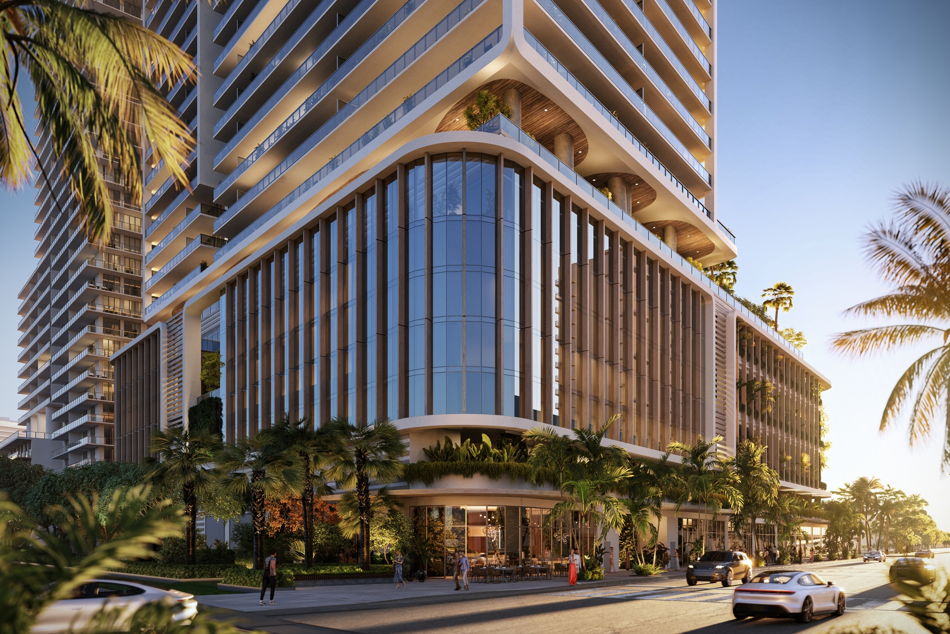
The 90-year Italian hospitality legacy at 80-story Brickell scale. The brasserie, the Bellini cocktail, the carpaccio, the specific Italian social culture that organizes the building’s community around the dining room. Lionel Messi purchased four units. $1.5M–$15M+ | Delivering 2028
Villa Miami (Edgewater) — Major Food Group
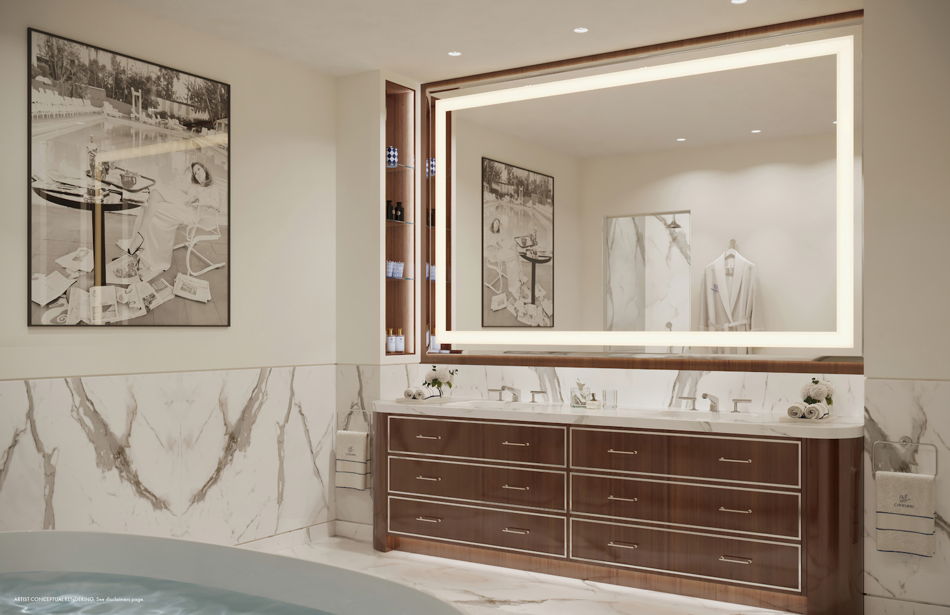
The New York restaurant group behind Carbone, The Grill, and Dirty French bringing its specific brand of theatrical Italian-American dining to an Edgewater bayfront tower. Major Food Group’s identity — the specific combination of design, service theater, and culinary quality — is the most socially charged F&B identity of any building in the pipeline.
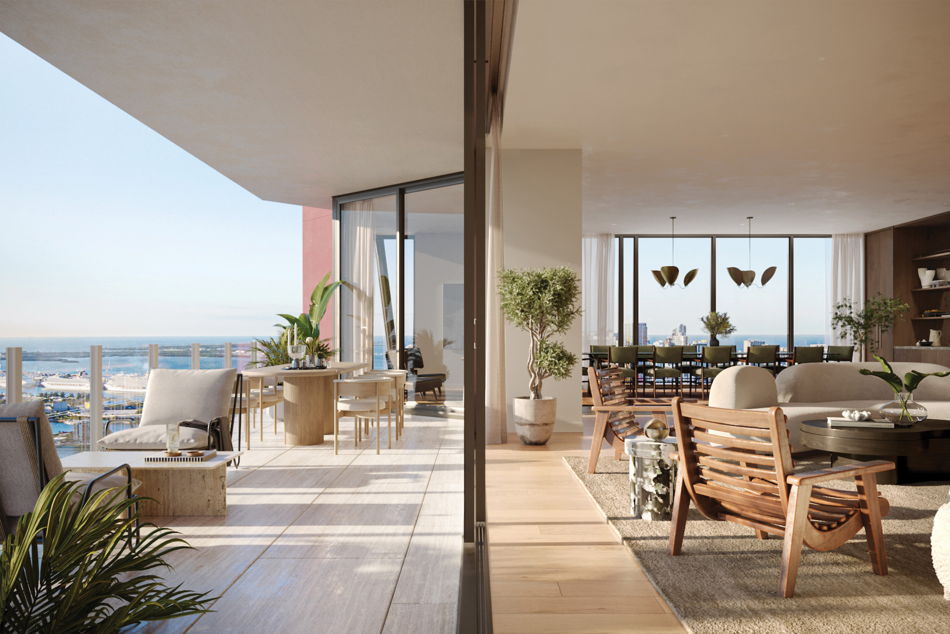
Ritz-Carlton Residences South Beach — José Andrés
The Spanish-American chef and humanitarian bringing his ThinkFoodGroup’s culinary creativity to the Ritz-Carlton’s standalone South Beach residential building. Andrés’ restaurants (Minibar, Jaleo, Zaytinya, the Bazaar) consistently produce Miami’s most discussed dining experiences. $3M–$30M+ | Active
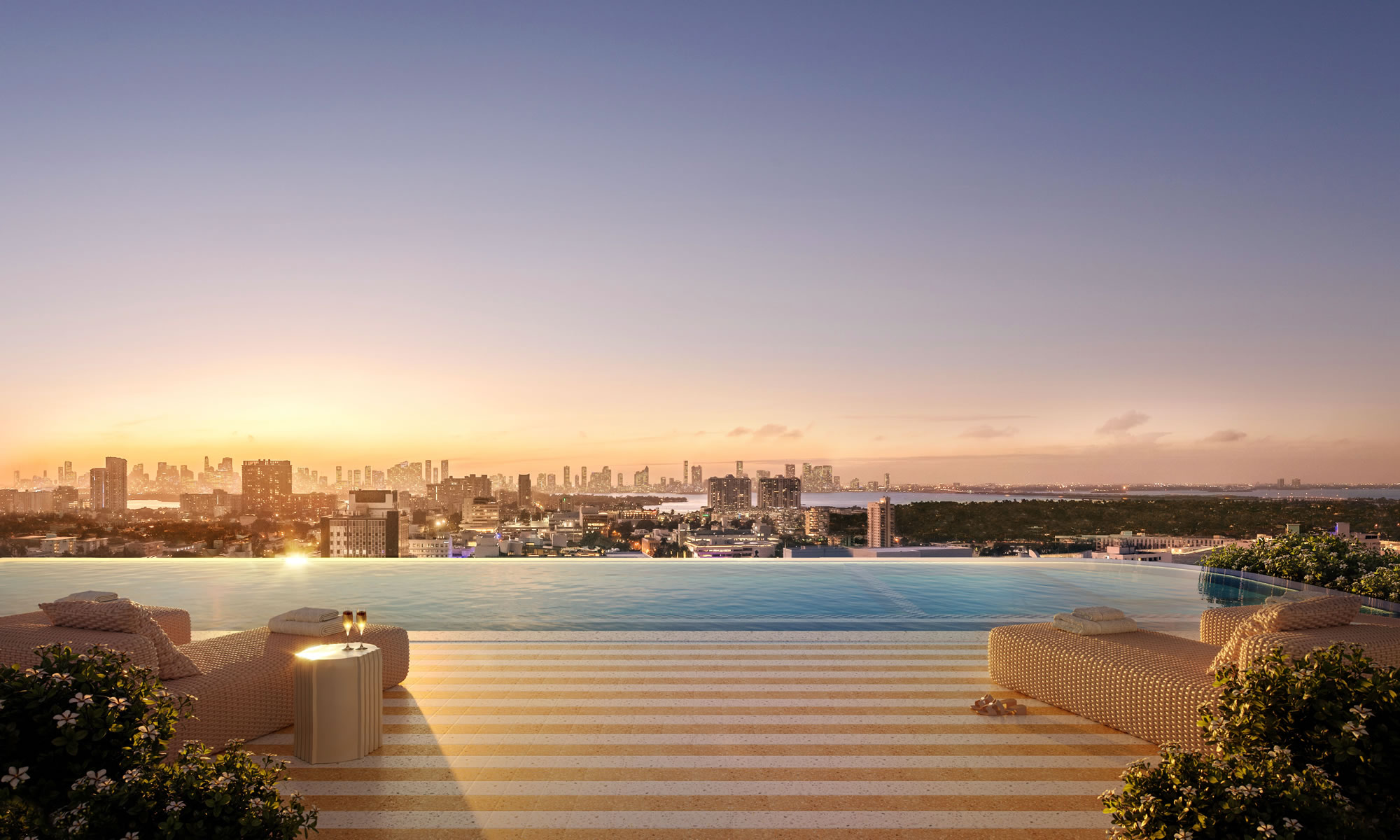
Fouquet’s Hotel & Residences Miami Design District — Fouquet’s (1899, Paris)
The oldest culinary brand in the pipeline by 30 years. Fouquet’s brasserie has operated on the Champs-Élysées since 1899 — it is a French historic monument and the location of the César awards since 1982. The ground-floor patisserie is the building’s most distinctive daily-life amenity. $2M–$20M+ | Delivering 2027–2028
Why Miami, Why Now
The chef-branded residence model started in New York (Jean-Georges has residential buildings in New York, Robert De Niro/Nobu started in New York) but has fully matured in Miami. The specific reasons:
The buyer demographic. Miami’s ultra-HNW buyer is both more food-literate and more socially active than the comparable buyer in West Palm Beach or Fort Lauderdale. The specific combination of Latin American, European, and New York-transplant buyers — all from food cultures that treat restaurants as social infrastructure rather than convenience — creates demand for buildings where the restaurant is the social hub.
The developer math. A chef-branded restaurant at the building’s base creates foot traffic, press coverage, and a daily destination that a gym or pool cannot provide. The developer pays the chef brand licensing fee; the restaurant’s operating success — and its contribution to the building’s social environment — more than justifies the cost through sales velocity and pricing premiums.
The cultural moment. Post-2020, Miami’s position as a genuine culinary destination (Wynwood, Brickell, the Design District) has attracted the chef talent and the restaurant investor community that makes chef-branded residences possible. The city’s food culture has caught up with its luxury residential ambition.