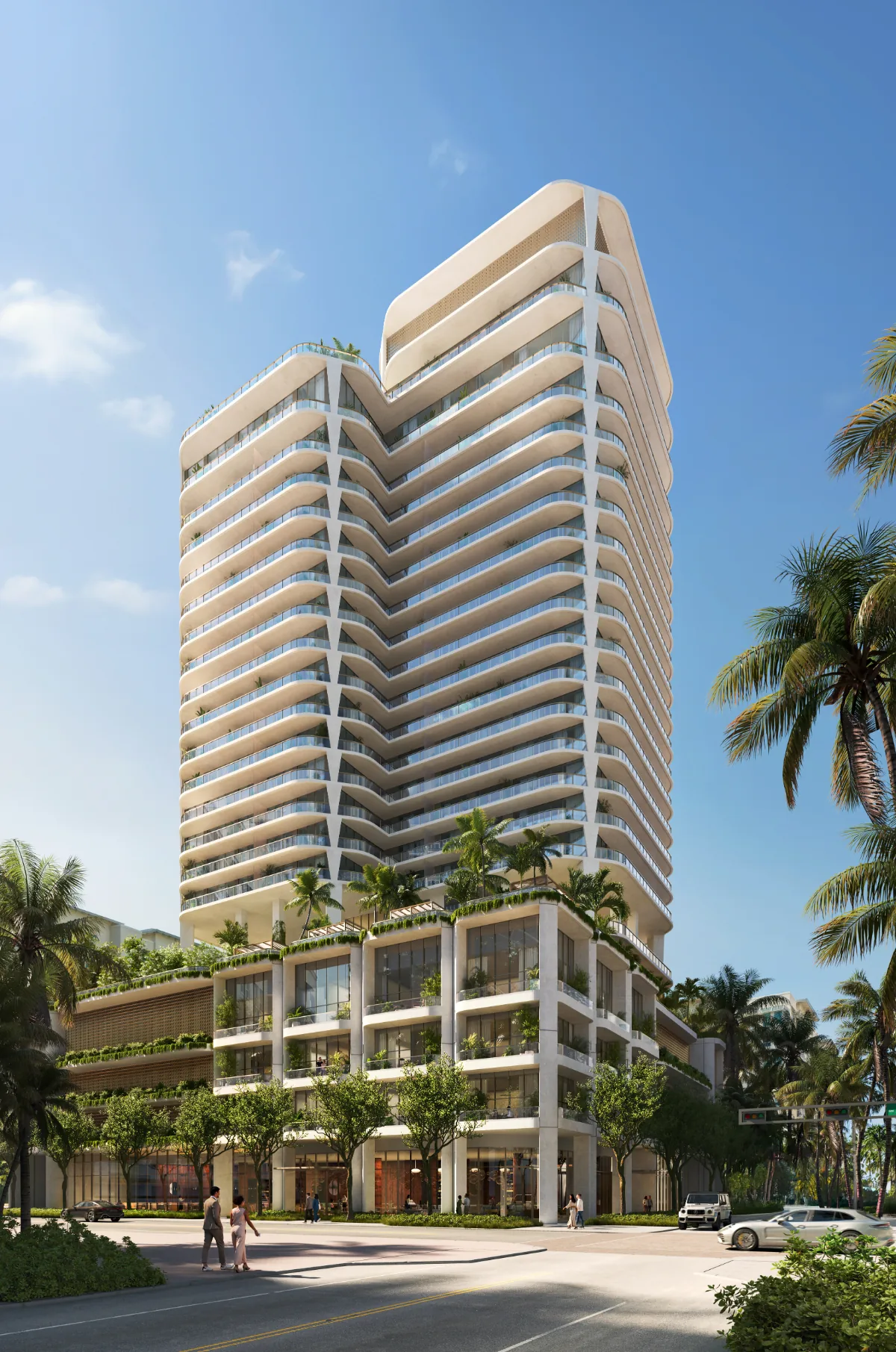
The Complete Guide to Branded Residences in South Florida
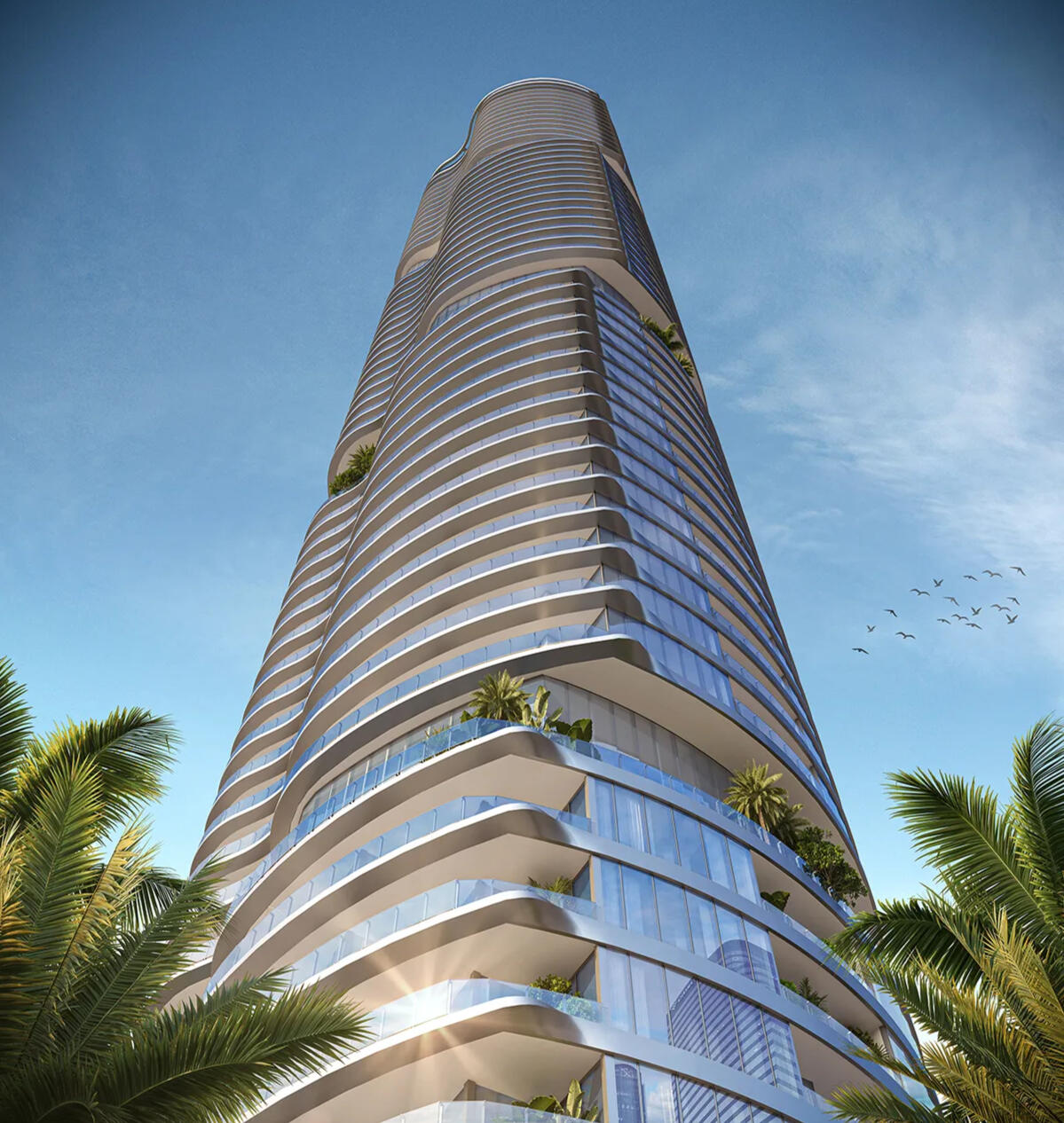
Branded residences are now one of the fastest-growing categories in luxury real estate — and South Florida has more active branded residence projects than any other market in the United States. This guide explains what branded residences are, why buyers pay a premium, how different brand types compare, what risks buyers should understand, and how to evaluate projects before requesting pricing.
South Florida’s branded residence pipeline now spans hotel, culinary, automotive, and wellness brands — from Four Seasons Private Residences Coconut Grove, The St. Regis Residences, Miami — Brickell, The Residences at Mandarin Oriental, Miami, The Ritz-Carlton Residences West Palm Beach, and Rosewood Residences Hillsboro Beach, to culinary projects like Cipriani Residences Miami and 619 Brickell by Nobu, automotive projects like Bentley Residences Sunny Isles Beach, and wellness projects like Banyan Tree Residences West Palm Beach. This guide is designed to help buyers compare them with a consistent framework.
What Is a Branded Residence?
A branded residence is a privately owned luxury home or condominium developed in partnership with a globally recognized brand. The brand — typically a hotel group, culinary company, automotive manufacturer, or wellness organization — licenses its name, design standards, and service model to the development. Owners hold private title while receiving access to the brand’s service infrastructure and amenity programming.
The concept began with hotel-branded residences in the 1980s — Four Seasons, Ritz-Carlton, and St. Regis were among the first brands to attach their names to private residential developments alongside their hotels. Today the category has expanded to include culinary brands like Cipriani and Nobu, automotive brands like Bentley and Porsche, and wellness brands like Banyan Tree and THE WELL.
Why Luxury Buyers Choose Branded Residences
The appeal of a branded residence to a UHNW buyer is typically a combination of four factors.
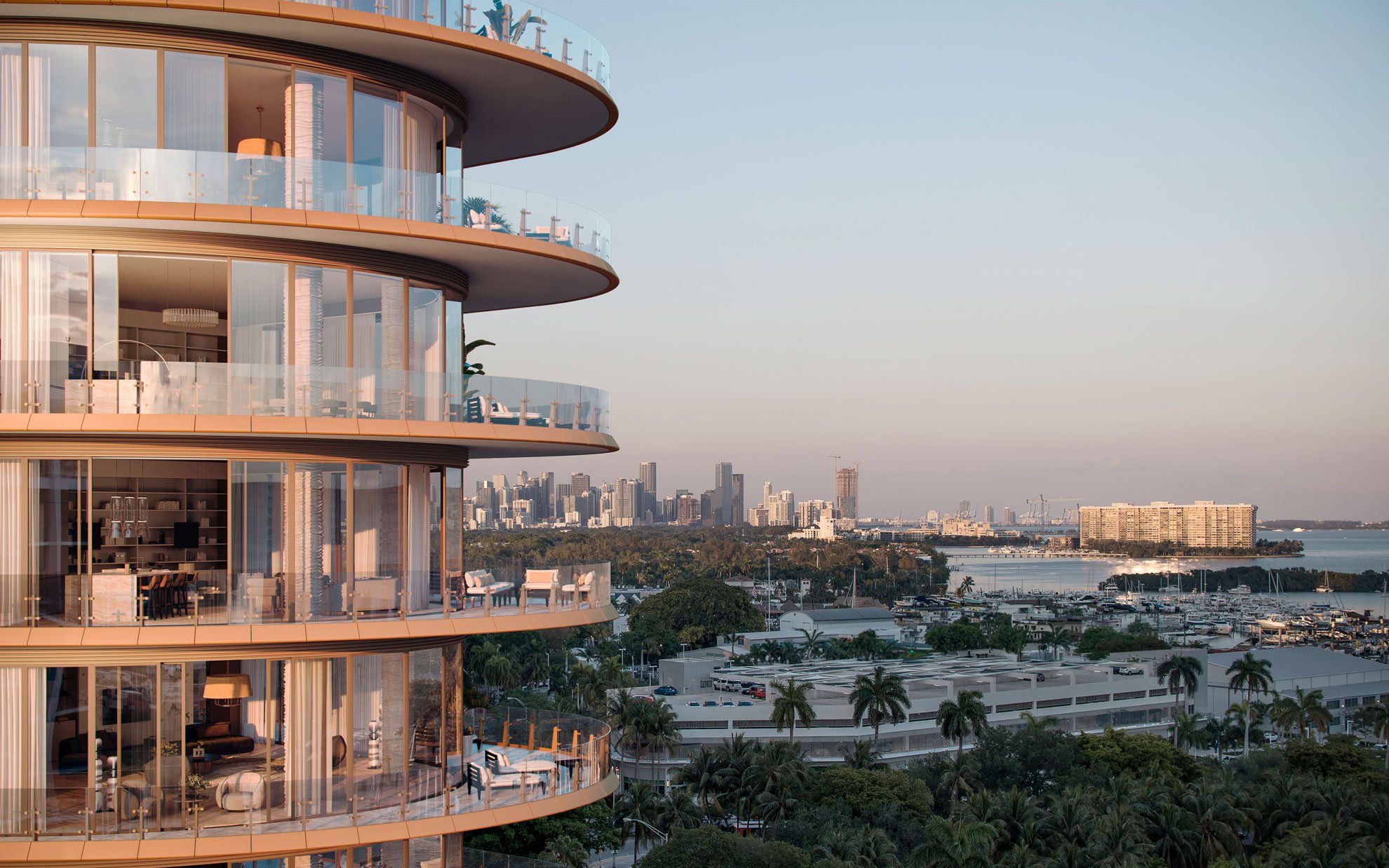
Service access. Hotel-branded residences offer 24-hour concierge, in-residence housekeeping, valet, spa access, and in some cases full room service — services that non-branded luxury condos cannot replicate at the same standard.
Design consistency. Branded residences are developed to the brand’s published design and finish standards, which tend to be higher and more consistently maintained than speculative luxury development.
Global recognition. For international buyers in particular, a brand name like Four Seasons, Mandarin Oriental, or St. Regis carries an understood quality signal that reduces the research burden of evaluating an unfamiliar development in an unfamiliar market.
Resale positioning. Properties associated with globally recognized brands tend to attract a broader international buyer pool at resale — which can support liquidity in markets where non-branded luxury inventory is less differentiated.
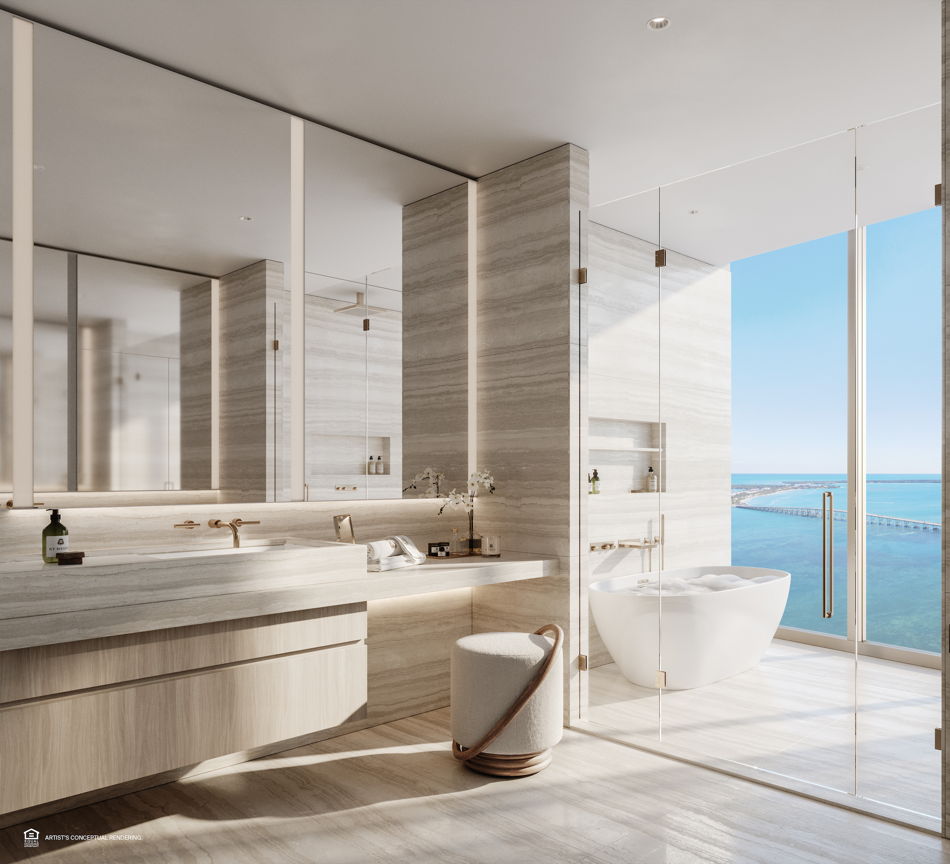
Hotel Brands vs Culinary Brands vs Automotive Brands vs Wellness Brands
Not all branded residences offer the same experience. Understanding the brand category helps buyers match the residence to their lifestyle.
Hotel brands (Four Seasons, Ritz-Carlton, St. Regis, Mandarin Oriental, Rosewood) deliver the most comprehensive service model — typically including full concierge, housekeeping, spa, dining, valet, and event programming. The hotel management infrastructure is already operational, which means services tend to be more reliable and consistently delivered than newer brand categories.
Culinary brands (Cipriani, Nobu) bring restaurant identity and dining culture to the residential setting. The service model is typically less comprehensive than hotel brands but the social and dining programming can be a strong differentiator for buyers who prioritize that lifestyle.
Automotive brands (Bentley, Porsche) contribute design identity and engineering aesthetic rather than service delivery. Bentley Residences and Porsche Design Tower are distinguished primarily by their design language and engineering details — car elevators, Bentley-designed interiors, Porsche-designed apartments. Service is typically provided by a third-party hotel or property management company.
Wellness brands (Banyan Tree, THE WELL) center the residential experience around spa, recovery, nutrition, and longevity programming. The service model is oriented around wellness rather than hospitality — best suited for buyers who intend to use the wellness facilities as a core part of daily life rather than occasional amenity.

What Services Do Branded Residences Usually Include?
Services vary by brand and project, but the most complete hotel-branded residences typically include: 24-hour concierge and front desk, in-residence housekeeping and laundry, valet parking, spa and fitness facilities, pool and pool service, in-residence dining and room service, business center, and event spaces. Some projects also include beach or waterfront clubs, yacht and marina services, and Marriott Bonvoy or equivalent loyalty program access. Buyers should request the specific service schedule and HOA documentation for any project under consideration — advertised amenities and delivered services can differ, and the management agreement between the brand and the HOA determines what services are guaranteed versus discretionary.
Why Branded Residences Often Command a Premium
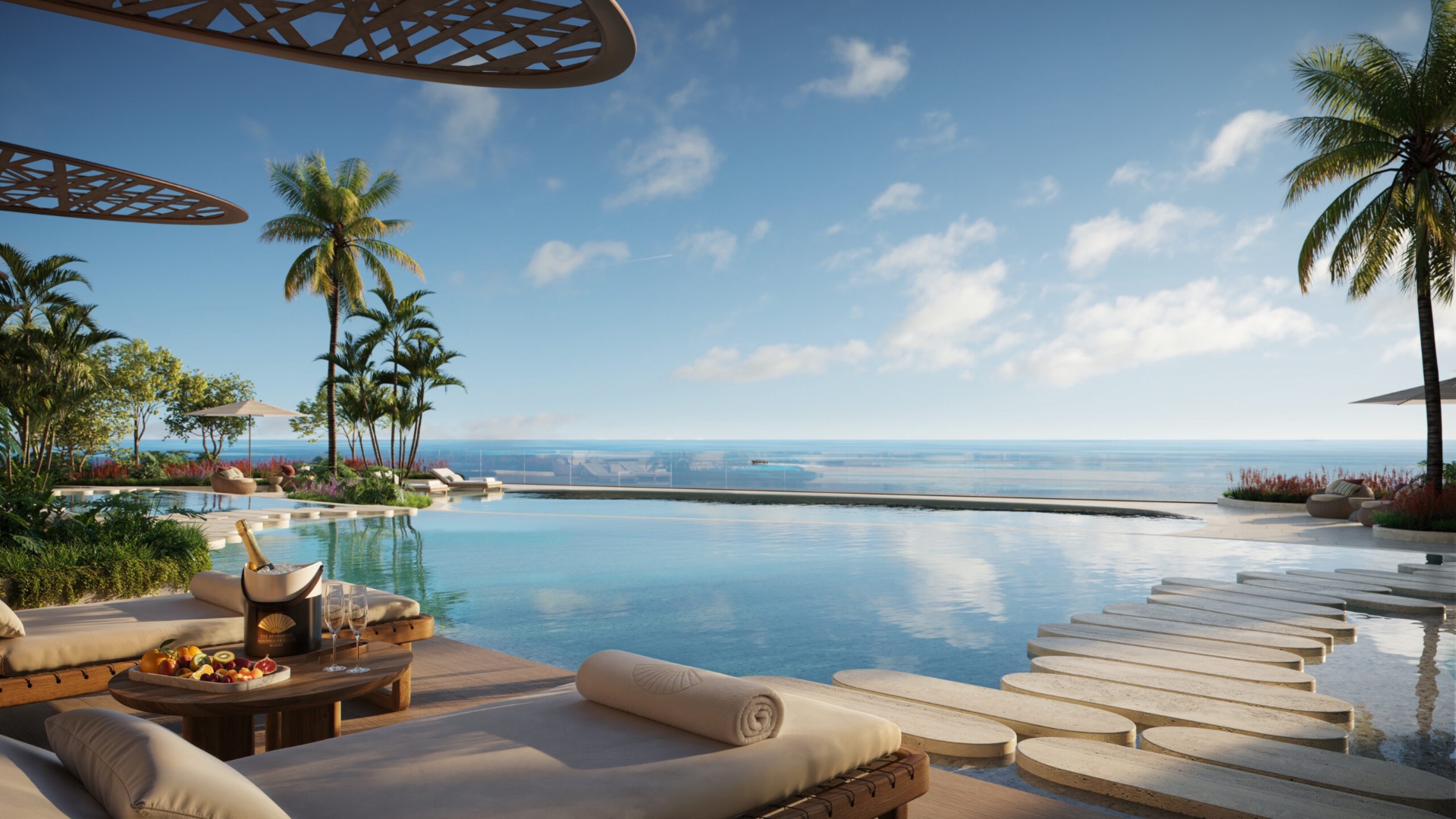
The price premium reflects three things: the brand license fee paid to the hospitality or luxury brand, the higher construction and finish standards required to meet brand specifications, and the anticipated service operating costs built into the HOA structure. Research from Savills and Knight Frank has consistently shown that branded residences in primary markets command a 25 to 30 percent premium at initial sale and tend to maintain stronger values at resale compared with non-branded luxury product in the same market. That premium is most defensible in markets with limited supply of comparable branded product — which describes most South Florida submarkets today.
When the Premium Makes Sense
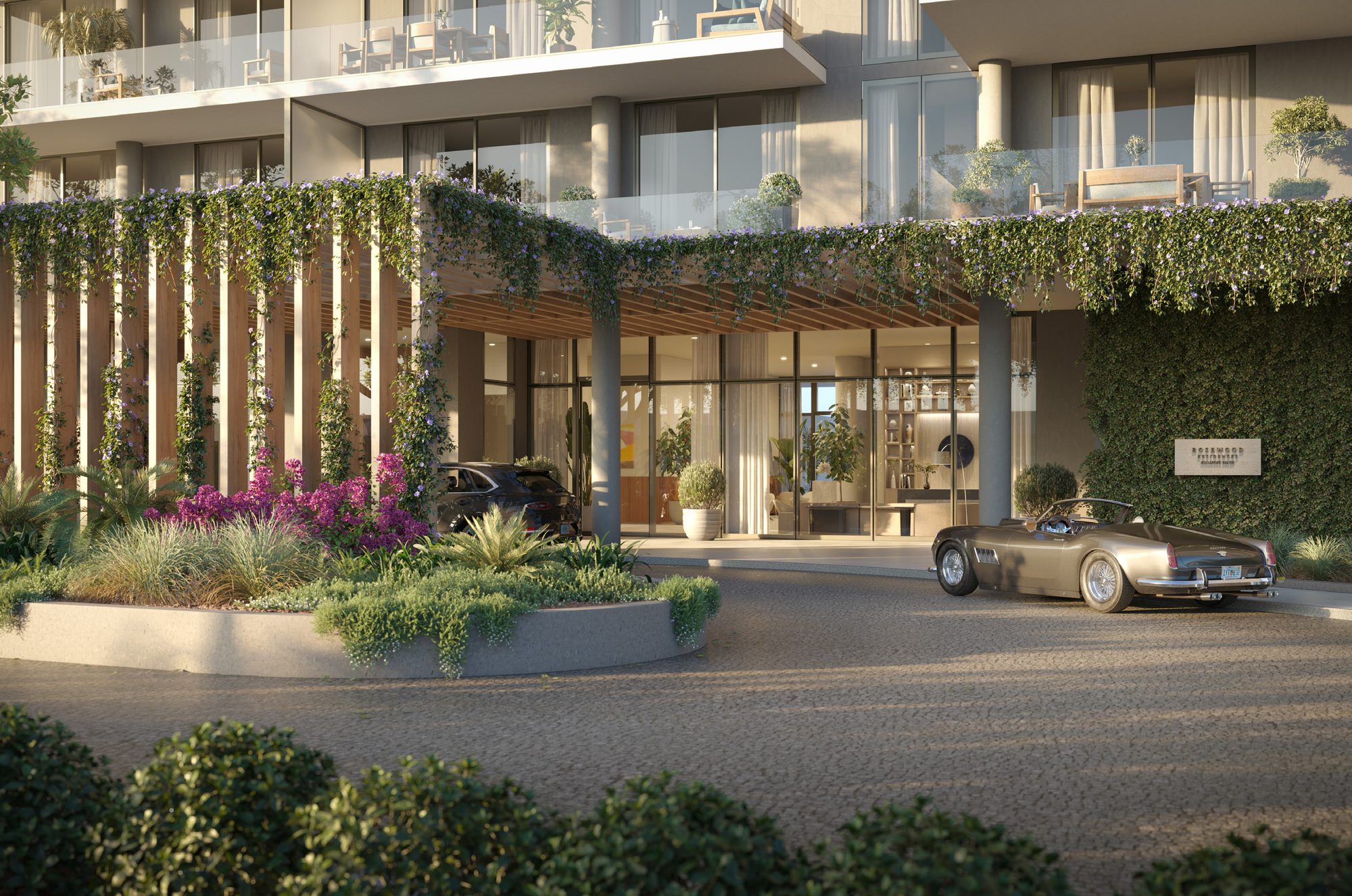
The branded residence premium is most likely to make financial sense for buyers who intend to use the services actively, plan to own the property for five or more years in a supply-constrained market, value the brand’s global recognition for resale positioning, or place a high value on the daily lifestyle experience that hotel-grade service enables. The premium is less likely to make financial sense for buyers who intend to use the property minimally, prefer to manage their own service providers independently, or are primarily motivated by rental income in a market where non-branded luxury inventory offers comparable yield at lower entry cost.
Potential Drawbacks Buyers Should Understand
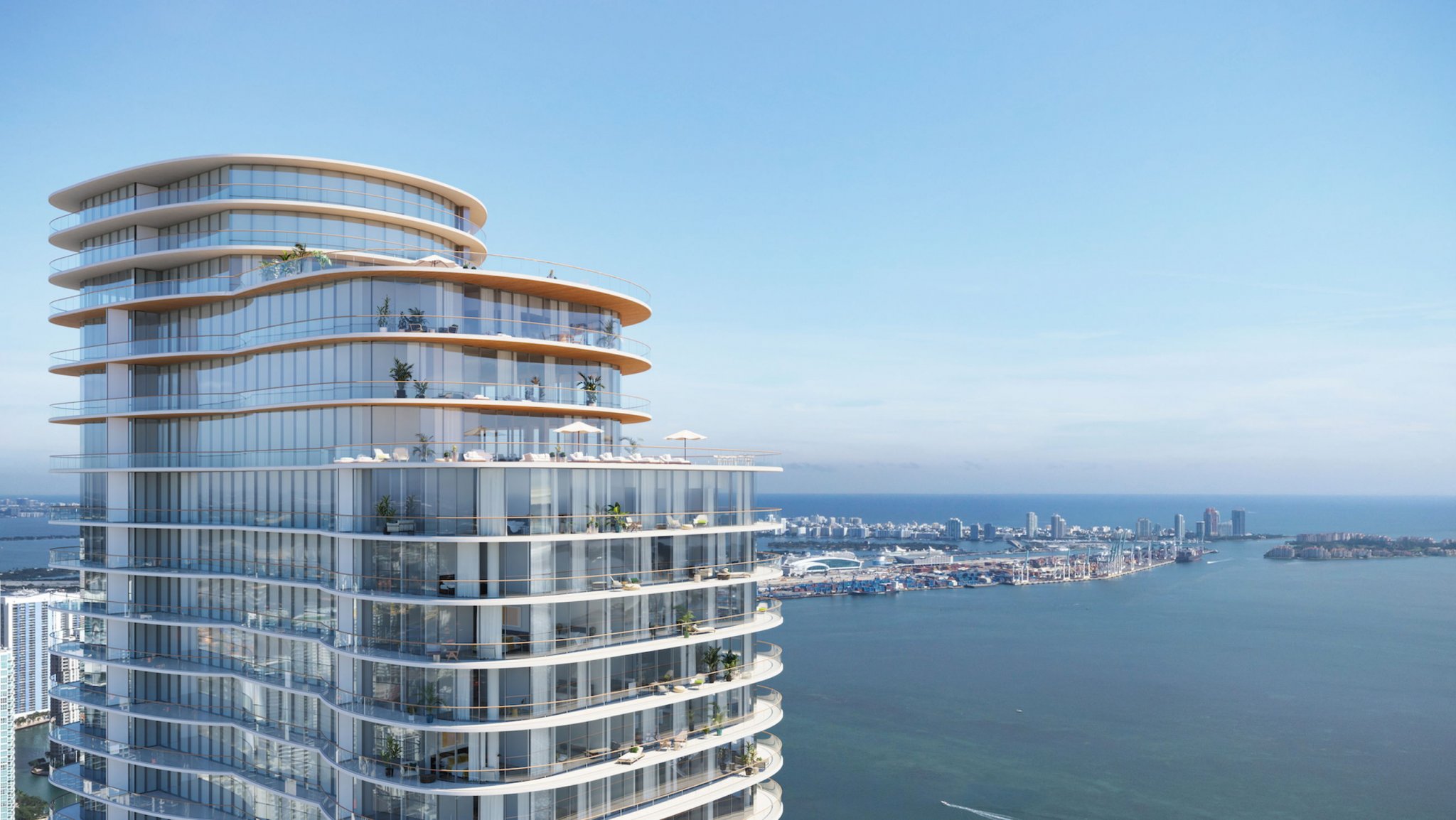
HOA fees are typically significantly higher in branded residences than in non-branded luxury condos — often two to three times higher — reflecting the operating cost of hotel-grade services. Buyers should request the current HOA schedule and understand what is included and what is charged separately.
Brand transitions can occur. When a brand’s relationship with a development ends — due to brand sale, management disputes, or market changes — the residential product continues but without the brand’s service infrastructure. This has happened in several markets and can affect resale value and daily lifestyle.
Developer quality matters as much as brand quality. A globally recognized brand cannot fully compensate for a developer with a weak completion track record. Buyers should evaluate the developer’s history of on-time delivery and construction quality independently of the brand association.
Not all branded residences are attached to operating hotels. Some branded residences operate as standalone buildings without an adjacent hotel, which means the service model depends entirely on dedicated management rather than the brand’s existing hotel infrastructure. Service quality in standalone branded residences can vary more than in hotel-adjacent branded developments.
How Branded Residences Compare With Non-Branded Luxury Condos
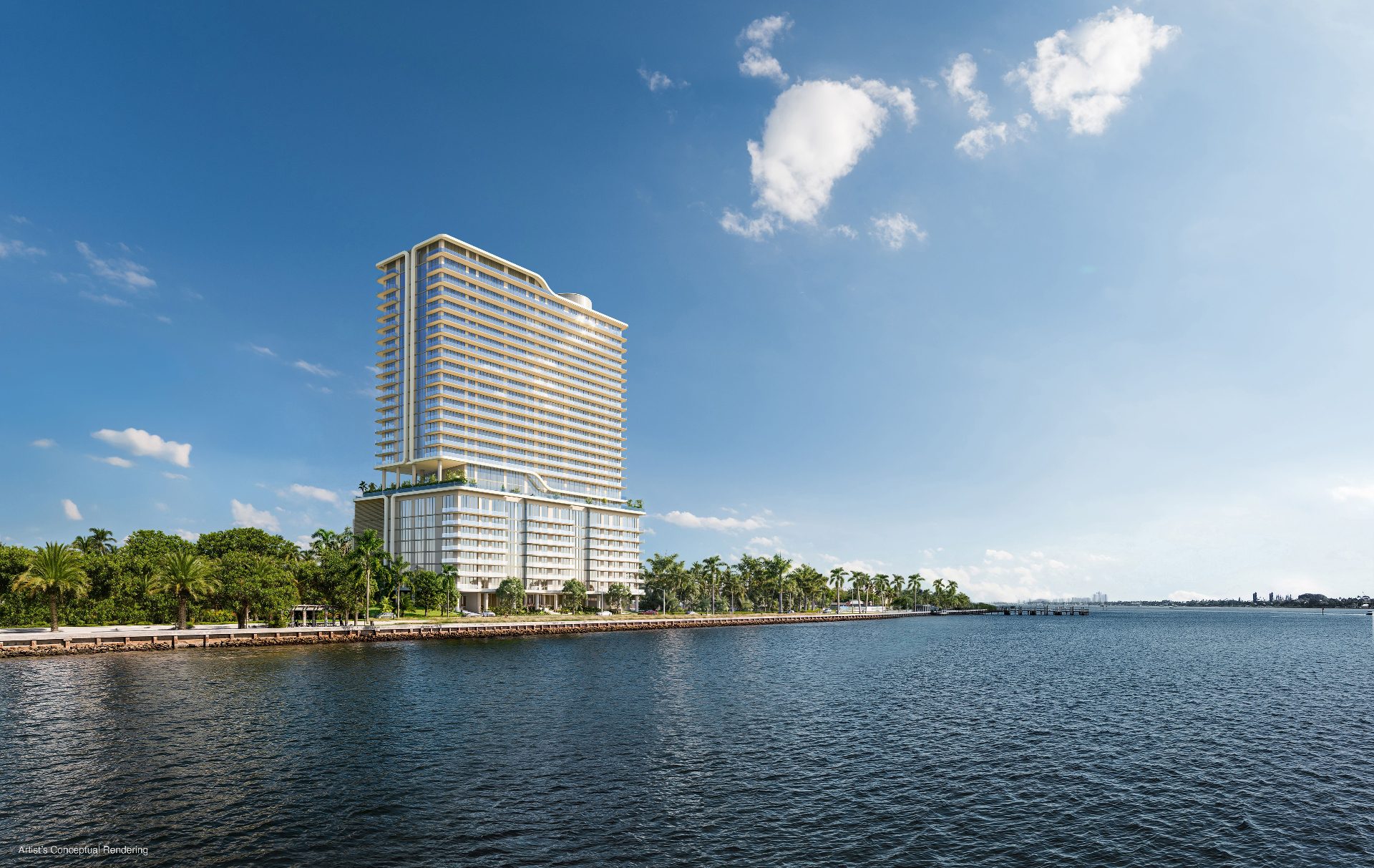
| Factor | Branded Residence | Non-Branded Luxury Condo |
|---|---|---|
| Entry price | Higher by 20–35% | Lower |
| Services | Hotel-grade | Variable |
| HOA fees | Significantly higher | Lower |
| Design standards | Brand-specified | Developer-specified |
| Resale buyer pool | International + brand-aware | Market-dependent |
| Management stability | Brand-managed (with exceptions) | HOA-managed |
| Best for | Service-focused buyers | Value-focused buyers |
How to Evaluate the Developer Behind the Brand
Brand association does not transfer developer accountability. Buyers should independently research: the developer’s completed project history, whether previous projects were delivered on time and within the advertised specifications, HOA financial health on completed projects, litigation history if any, and the developer’s capitalization relative to the project’s construction cost.
In South Florida, developers with strong completion track records on branded residence projects include Related Group (Cipriani, St. Regis Miami, Rivage), Dezer Development (Bentley, Porsche Design Tower), Mast Capital (Cipriani, The Perigon), and Swire Properties (Mandarin Oriental Miami). This is not an exhaustive list and buyers should conduct independent due diligence on any developer.
How HL Real Estate Group Helps Buyers Compare Options
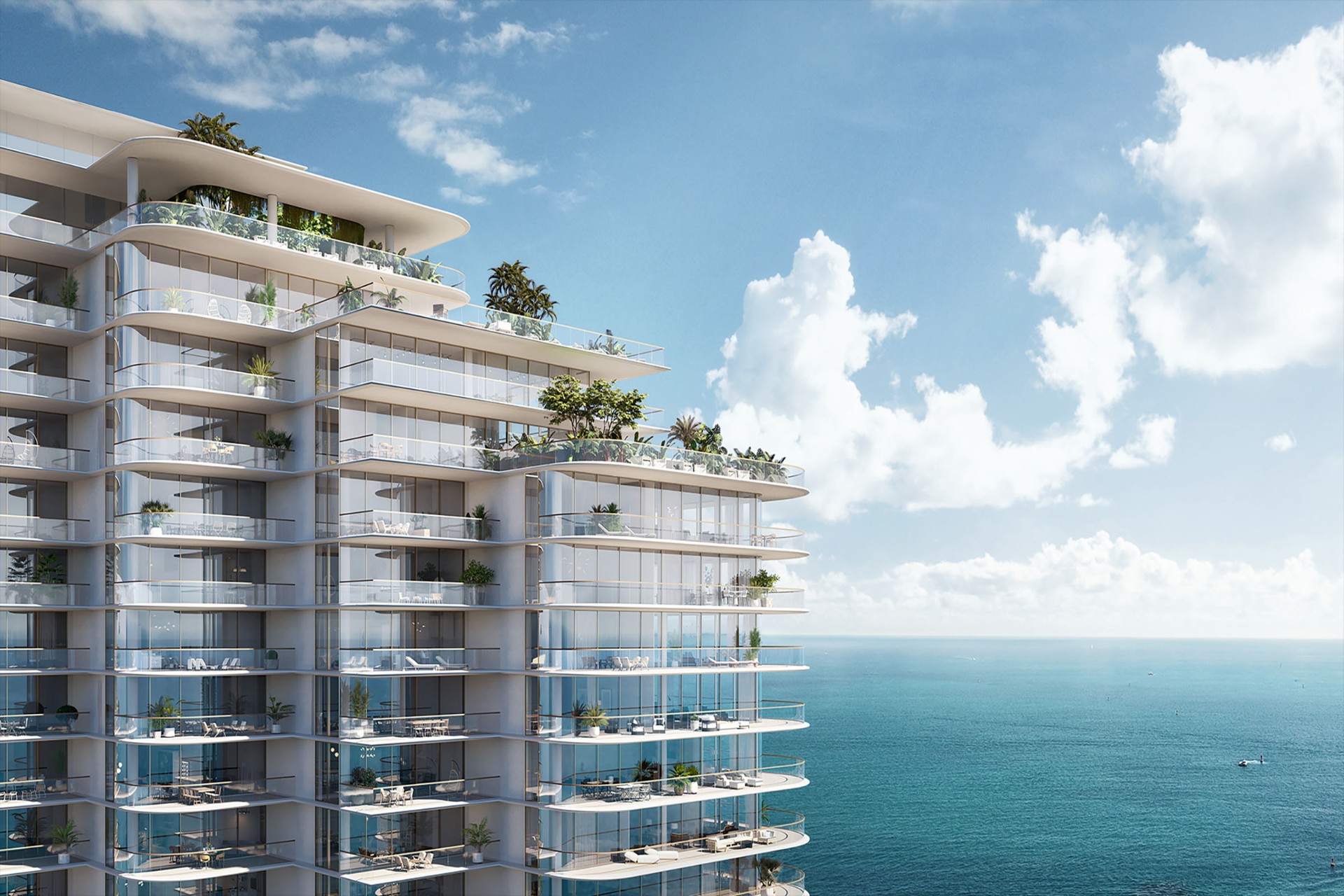
HL Real Estate Group provides concierge access to pricing, floor plans, brochures, and private preview opportunities for all actively tracked South Florida branded residence projects. We can help buyers compare projects across brand type, waterfront positioning, delivery timeline, service model, and price point — without obligation.
Request pricing and floor plans from HL Real Estate Group. Complimentary. Discreet. No obligation.
Pricing, availability, floor plans, and delivery timelines are subject to change and should be verified with the development team.