Coconut Grove’s New Luxury Identity: A Buyer’s Guide to Miami’s Quietest Power Address
Coconut Grove new developments are emerging as Miami’s most coveted low-density luxury offering, giving buyers a leafier, more private alternative to Brickell and Miami Beach. The neighborhood’s current pipeline is anchored by two branded projects — Four Seasons Coconut Grove and THE WELL Coconut Grove — with pricing from $1.5M to $12.15M and deliveries scheduled between 2027 and 2028. Buyers are drawn to the Grove for its tree canopy, sailing heritage, and the rare combination of walkability and bay proximity within Miami’s strictest low-rise submarket.
Why Coconut Grove Is Having Its Moment
For decades, Coconut Grove was Miami’s best-kept secret — a bohemian, tree-shaded enclave where sailors, artists, and old-Miami families quietly held their ground while the skyline rose elsewhere. That secret is now out. As Brickell densifies and Miami Beach contends with congestion, a new generation of luxury buyers is looking south of the causeways for something Miami’s other submarkets can’t easily replicate: shade, scale, and a slower pulse.
The Grove sits beneath a canopy of banyan and mahogany trees, with a microclimate cooled by Biscayne Bay breezes and a streetscape defined by mature greenery rather than glass towers. Nicknamed the “Sailing Capital of Miami,” it offers bay access, Michelin-rated restaurants, top-tier schools, and an easy drive to Coral Gables, Brickell, Miami International Airport, and Miami Beach.
What’s different now is the inventory. The neighborhood’s strict scale, height, and density controls have historically limited new construction — which means the Coconut Grove luxury condos coming online today are rare, deliberate, and carefully positioned. They are not towers chasing a skyline. They are residences chasing a lifestyle.
What Sets Coconut Grove Apart From Brickell and Miami Beach
Brickell is Miami’s financial core — vertical, fast-paced, and built for buyers who want the heart of the city. Miami Beach is global glamour, oceanfront energy, and a hospitality-led rhythm. Coconut Grove is the counterweight: lower-rise, leafier, family-oriented, and noticeably quieter, while still sitting roughly fifteen minutes from both.
For luxury buyers, the practical differences come down to four factors: density (lower in the Grove), green canopy (significantly higher), nightlife intensity (deliberately gentler), and inventory (much scarcer). Buyers choosing the Grove are typically trading a measure of urban convenience for privacy, mature landscape, and a sense of place that’s harder to engineer in newer corridors.
The Current Class of Coconut Grove New Developments
Two projects define the Grove’s current luxury pipeline, and they appeal to different buyers — by design.
Four Seasons Coconut Grove
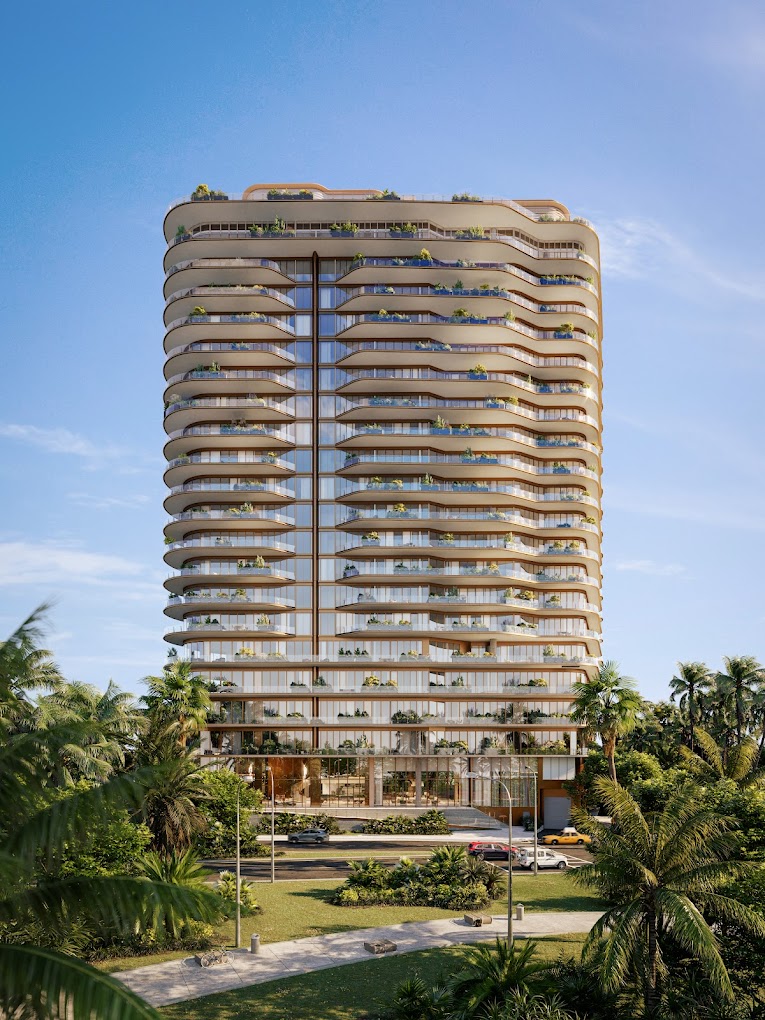
Located at 2699 South Bayshore Drive, Four Seasons Coconut Grove is a 20-story, 70-residence building developed by CMC Group, with architecture by Revuelta Architecture and interiors by Bonan Interior Design, including bathrooms and Molteni kitchens designed by Michele Bona. Pricing begins at $5,620,000 and extends to $12,150,000, with residences ranging from 2,025 to 3,975 square feet. Delivery is scheduled for 2027.

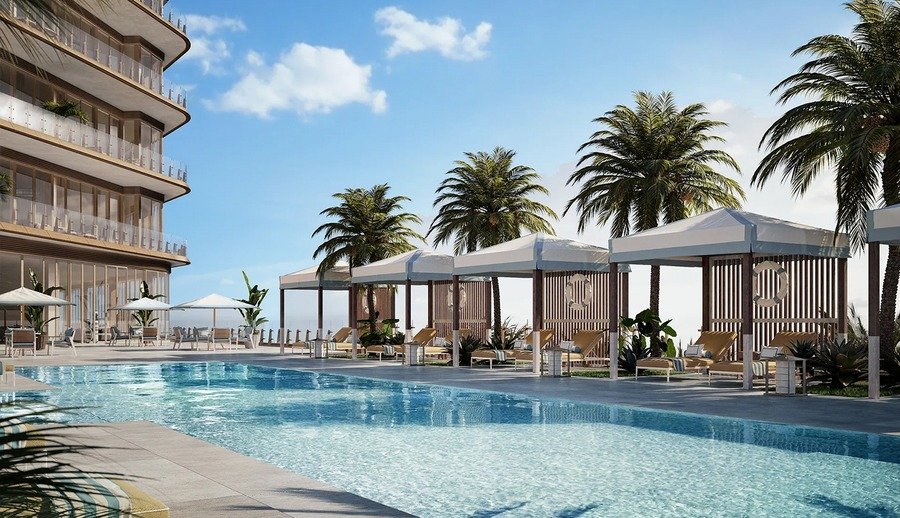
The building is positioned around hospitality-grade service. Residents have access to a serviced pool deck, a signature on-site restaurant with in-residence dining, a spa with treatment rooms and water experiences, a state-of-the-art fitness center, a yoga room, a private serviced lounge and bar, and 24-hour valet. A defining benefit is The Surf Club private membership, with initiation fee and first-year dues waived (subject to approval) — a meaningful perk for buyers oriented toward Surfside’s beach-club culture. À-la-carte services include butler service, housekeeping, grocery provisioning, dog grooming, and car detailing.
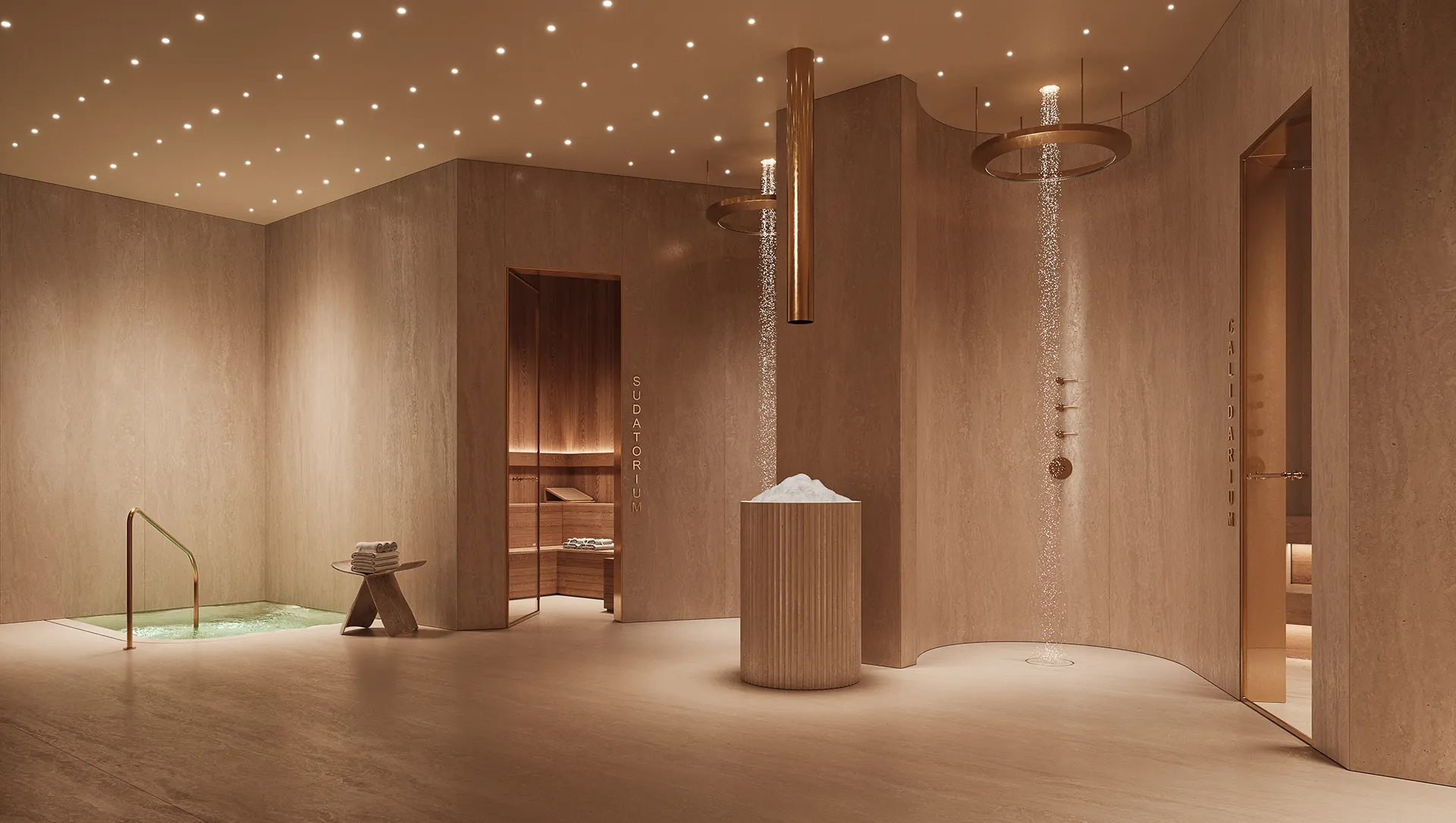
Inside the residences, the source documents continuous drywall ceilings at 10.6 feet or higher, private elevators with dedicated foyers, Italian travertine flooring, Italian marble bathrooms, top-of-the-line European appliances and fixtures, Lutron lighting, Crestron home automation, and expansive terraces.
THE WELL Coconut Grove
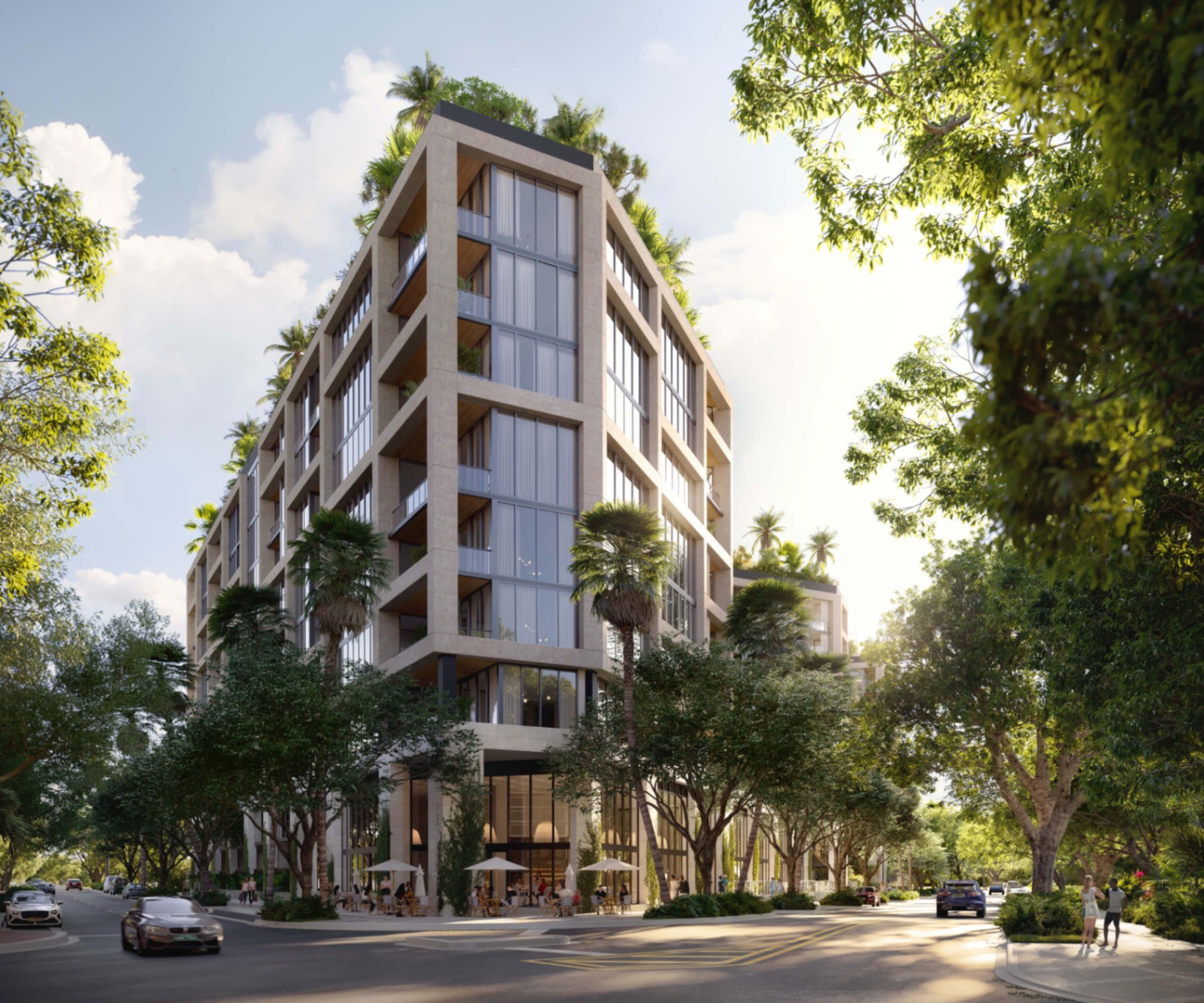
Located at 2855 Tigertail Avenue, THE WELL Coconut Grove is an 8-story, 194-residence building developed by TERRA, with architecture by Arquitectonica and interiors by Meyer Davis. Pricing begins at $1,500,000 and extends to $8,000,000, with residences ranging from 960 to 4,200 square feet. Delivery is scheduled for 2028.
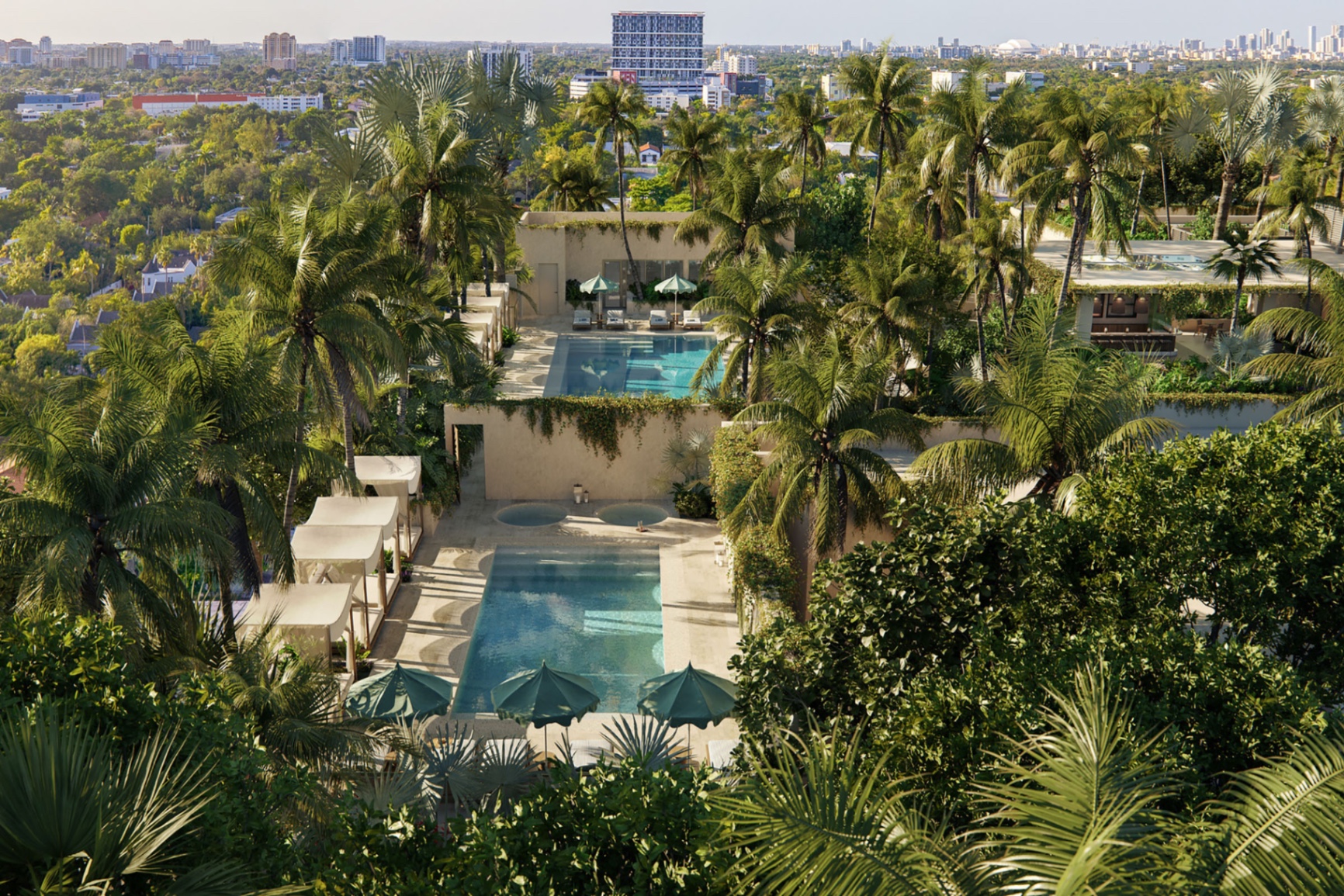
The project is built around the WELL brand’s wellness philosophy. The amenity program centers on a full-service wellness center, a rooftop pool club with cabanas, a rooftop bar and dining lounge, a rooftop resident lounge, hot and cold plunge pools, an indoor/outdoor gym, a signature restaurant, a boardroom library, a children’s playroom, EV charging stations, and WELL Club membership for residents.
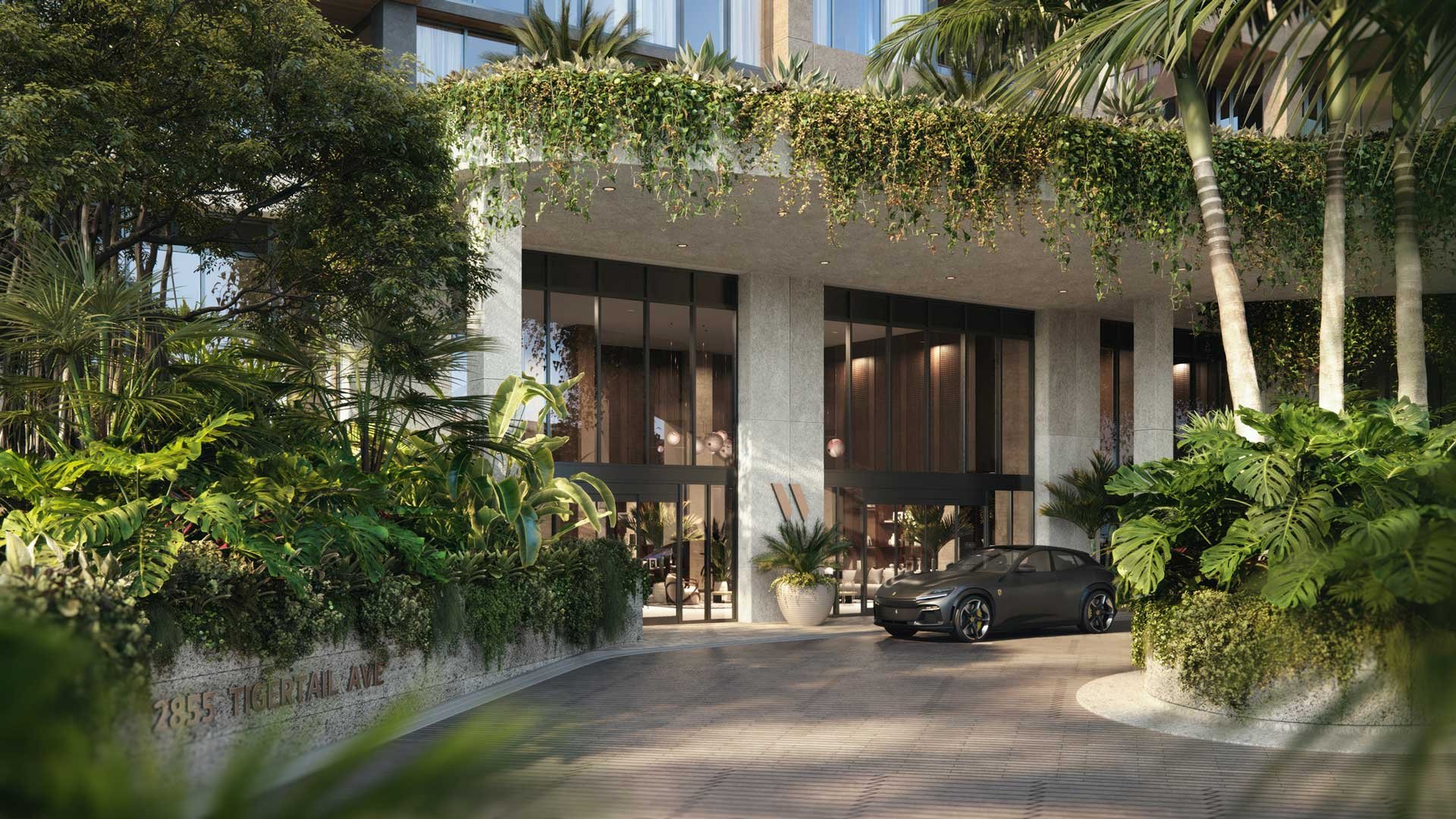
Where Four Seasons leads with branded hospitality service, THE WELL leads with programmed well-being — a meaningful distinction that shapes everything from the daily resident experience to the buyer profile.
How the Two Projects Compare
Both projects sit in the same neighborhood, but they answer different questions.
Four Seasons is taller, smaller, more expensive, and more service-driven, with a hospitality brand layered over Italian-sourced finishes and a Surf Club benefit that ties the residence to a broader Miami lifestyle. THE WELL is lower, larger, more accessible at entry, and wellness-led, with a brand whose identity is built around mind-body programming.
The two also offer different entry points. THE WELL’s $1.5M starting price opens the Grove to a wider buyer pool — including pied-à-terre buyers and primary residents stepping into branded living for the first time. Four Seasons’ $5.62M floor positions it firmly in the trophy tier alongside Miami’s established branded residences.
What Buyers Should Compare Before Choosing a Coconut Grove Luxury Condo
When evaluating Coconut Grove new developments, focus on the variables that genuinely differentiate one residence from another.
- Pricing and floor plans. Compare price per square foot across stack and floor, not just headline starting prices. Higher floors and bay-oriented exposures typically command premiums. Buyers should verify current pricing with the development team.
- Developer and architect track record. CMC Group, TERRA, Revuelta Architecture, Arquitectonica, Bonan Interior Design, and Meyer Davis each carry distinct design vocabularies and delivery histories worth researching.
- Brand affiliation and service model. A Four Seasons-affiliated residence and a WELL-affiliated residence offer fundamentally different daily experiences. Understand what’s included in HOA, what’s à la carte, and which membership perks are subject to approval.
- Delivery timeline and deposit structure. Verify the deposit schedule, escrow protections, and projected closing windows directly with the development team. Deposit structures on Miami new developments typically follow a staged schedule, but specific terms vary by project.
- Views and orientation. Bayfront, partial-bay, treetop-canopy, and skyline orientations carry different lifestyle implications. Buyers should verify view exposures stack by stack with the development team.
- Service model. Compare the full menu — concierge, valet, in-residence dining, housekeeping, wellness programming, and which services are included versus billed separately.
- Rental policy. Short-term rental rules vary meaningfully between buildings and affect both lifestyle flexibility and long-term planning.
- Resale considerations. Branded residences in scarce neighborhoods tend to hold their narrative well, but no one should treat a primary residence as a guaranteed investment vehicle. Buyers should consult their own legal, tax, and financial advisors regarding any purchase decision.