Technology Layers Are Never Neutral

By Jimmy Powers, Blend Technology
Every room is giving instructions. The lighting is telling the body what time it thinks it is. The temperature is influencing alertness and sleep. The acoustics are deciding how hard the brain has to work to understand speech. The air is affecting how clearly people think.
We rarely design buildings this way. Light, climate, sound, shading, and control are treated as separate systems. A lighting plan can be beautiful. A mechanical system can perform exactly as specified. An audio system can be perfectly installed. The person inside the room does not experience any of them separately. They experience the combined instruction.
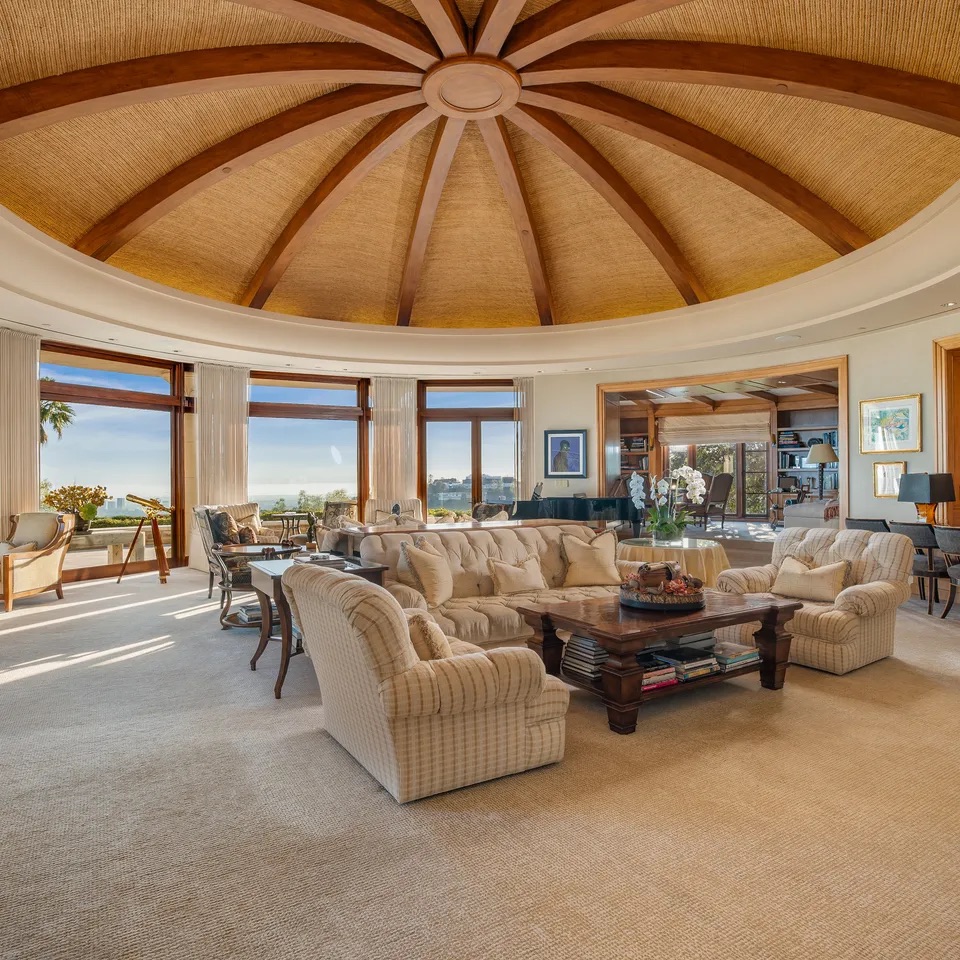
A warm, low color temperature can look right against the finishes, and at night it helps signal that the day is ending. At two in the afternoon it may be giving the wrong instruction entirely. Nothing about the fixture changed. The purpose of the room changed.
Temperature works the same way. A room can be comfortable enough that nobody complains and still be too warm for sustained concentration.
The problem is not that these systems are badly designed. The problem is that “working” gets defined inside the boundaries of each trade. That is how a room can be correct on every drawing and wrong in real life.
The bedroom question
Consider a common question during construction. Do you want speakers in the bedroom?
If the client says they do not listen to music in bed, the speakers come off the plan. That sounds reasonable, because the question was about entertainment. But speakers can mask sound when one person is sleeping and the house is still active. They can deliver a doorbell at a controlled level instead of letting a phone vibrate across the nightstand.
None of those are music problems. They are sleep problems that happen to involve sound.

Once the question becomes what this bedroom should protect, the rest of the room changes with it. The ceiling speaker may need an isolated back box so sound does not travel through the joist cavity. The air system may need a lower nighttime velocity. The shades may need to close before exterior light enters. Evening lighting may need to warm and dim on its own.
One human outcome has crossed audio, lighting, shading, mechanical design, framing, and control.
The technology you cannot photograph
We tend to think of technology as something added to architecture. A screen. A keypad. A thermostat. The more important technology is usually the condition the room creates. Quiet is a technology outcome. Darkness is a technology outcome. Speech clarity is a technology outcome. A room that lets someone focus without reaching for a control is a technology outcome.
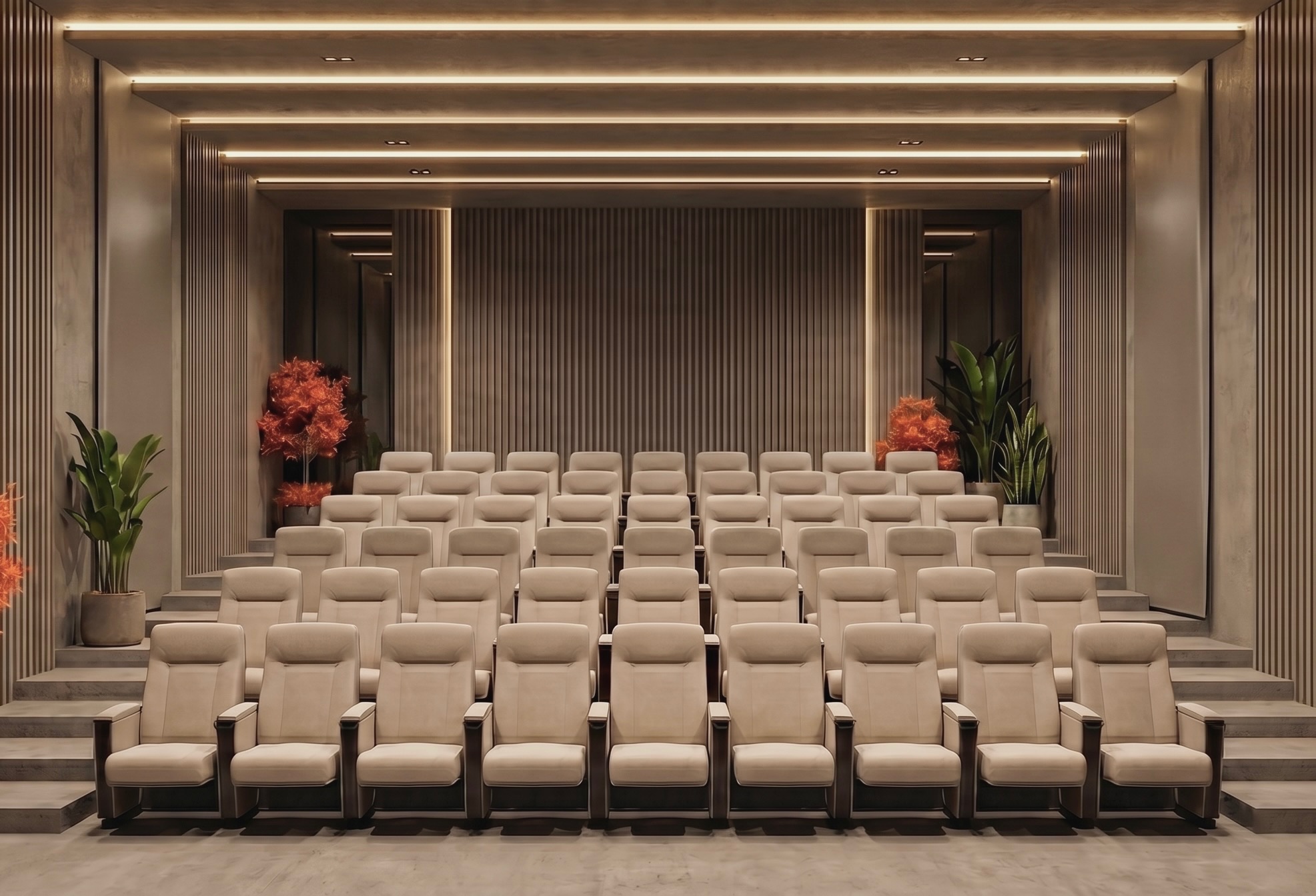
Those outcomes are invisible, which may be why they get less attention than the objects producing them. A device can be reviewed on a drawing. A finished space can be photographed. It is much harder to photograph the absence of distraction, or a room that lets someone sleep through the night.
The consequences also show up slowly. People rarely walk in and say the reverberation time is too long. They say the room feels loud. They feel tired. They turn the television up. They leave sooner than they planned and stop using the space.
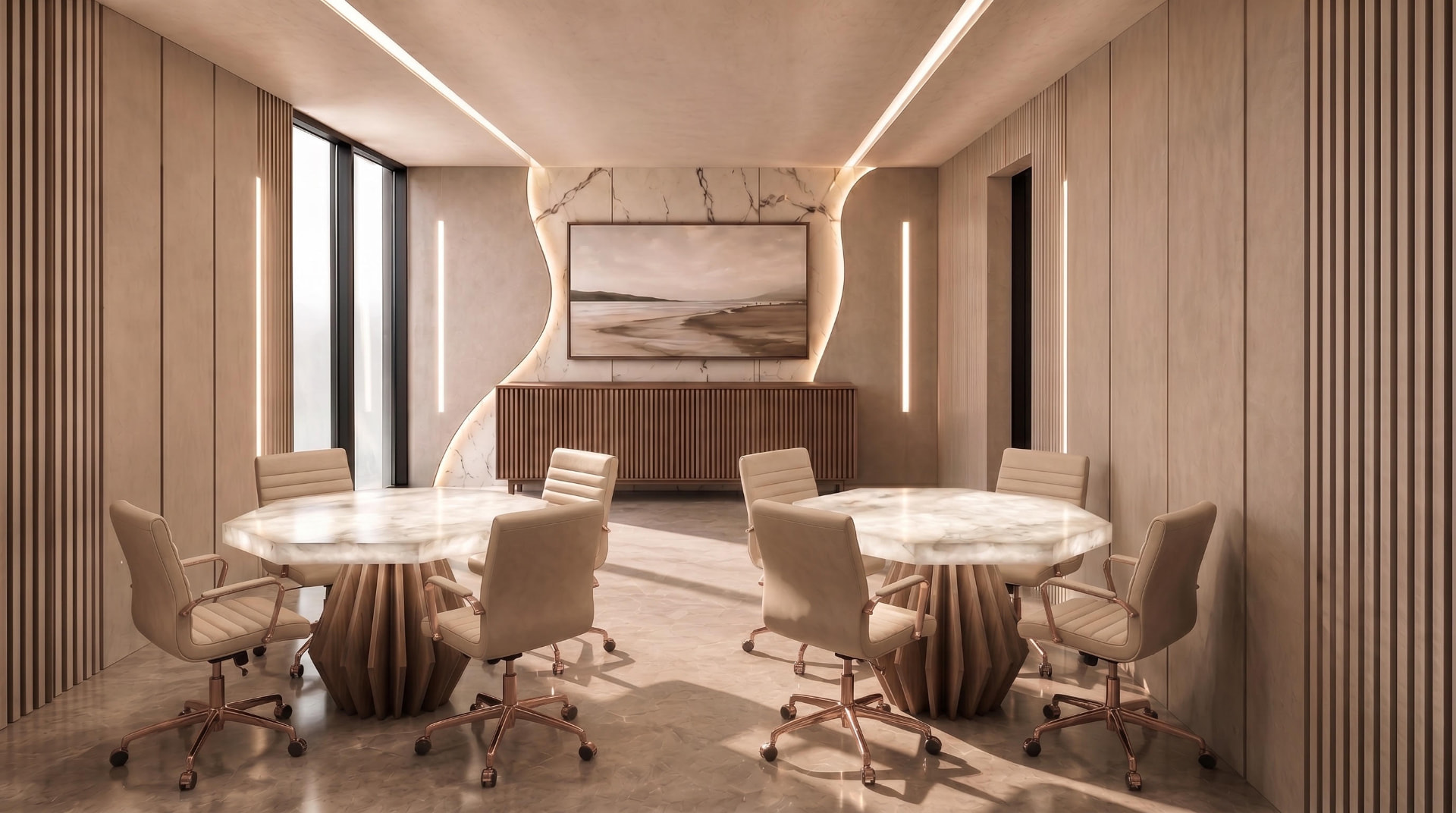
The room is still working. It is working against them.
That is why technology layers cannot be treated as neutral. Coordinated or ignored, they produce an outcome every minute the building is occupied. They shape attention, cognition, comfort, mood, recovery, sleep and more.
There is no neutral layer.
Website: www.blend.technology
Instagram: @blend.technology
Disclaimer: Written in partnership with APG.