Sunny Isles Beach vs. Miami Beach: Which Is Right for Your Buyer Profile?
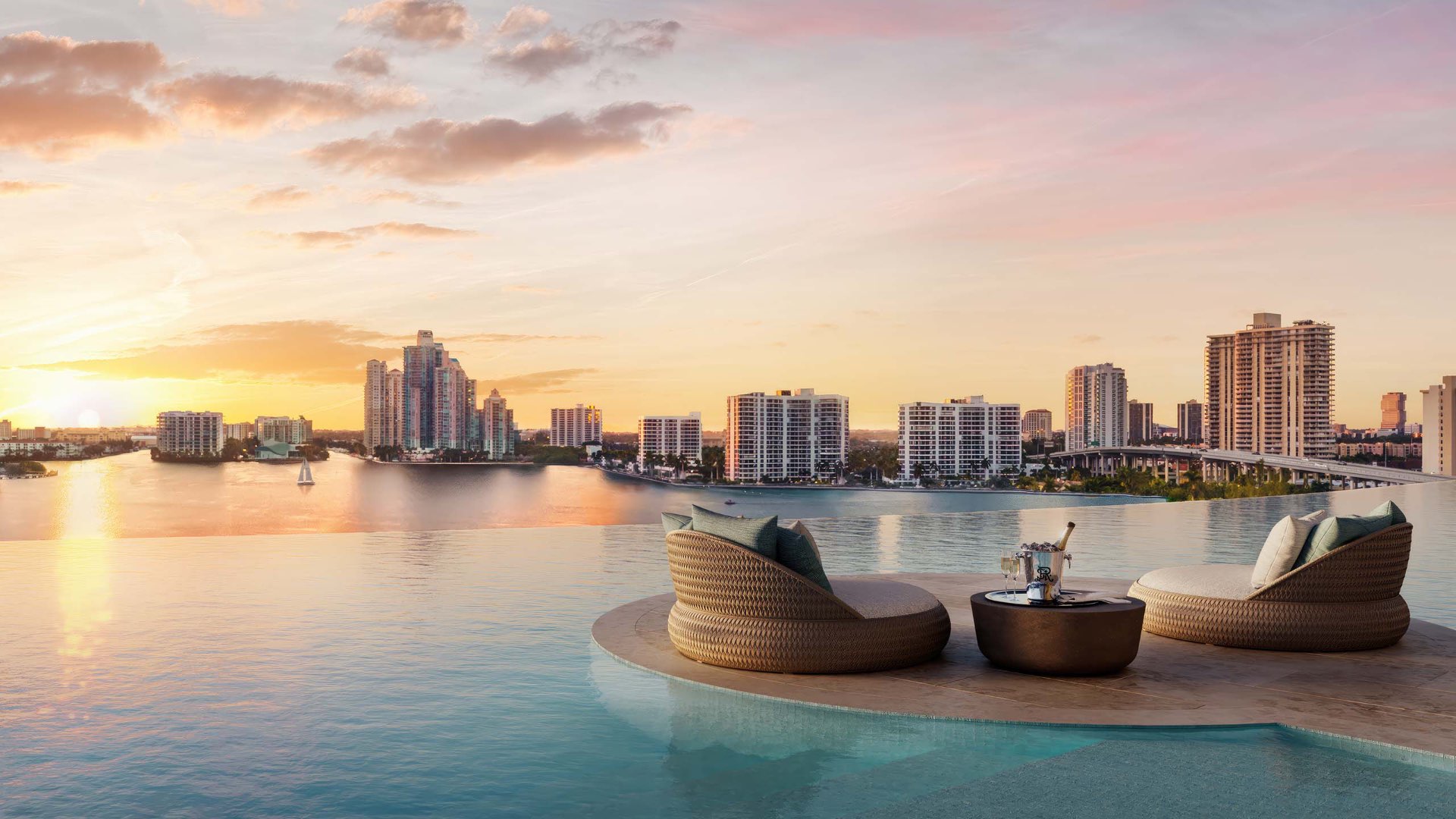
They are both oceanfront. Both barrier islands. Both in Miami-Dade County. Both offer direct Atlantic access, warm winters, and a concentration of luxury residential product that rivals any beach market on earth. But Sunny Isles Beach and Miami Beach are, in the ways that matter most to a serious buyer, fundamentally different places — serving different buyer profiles, different lifestyle priorities, and different investment theses.
The Physical Difference
Sunny Isles Beach is a municipality of approximately 2.5 square miles — a narrow strip of land between the Atlantic Ocean and the Intracoastal Waterway, roughly two miles long and a quarter mile wide at its broadest point. It has no significant commercial main street, no historic district, no museum, no performing arts center, and limited walkable retail. What it has is oceanfront — in extraordinary concentration. The Collins Avenue shoreline in Sunny Isles is lined almost continuously with luxury residential towers, producing one of the most remarkable concentrations of branded oceanfront living anywhere in the world.
Miami Beach is an entirely different kind of place. At 7 square miles with a resident population over 80,000, Miami Beach is a real city — with an internationally recognized Art Deco historic district, Lincoln Road’s retail and dining, the Bass Museum, the New World Symphony, Art Basel’s primary venue, multiple neighborhoods each with distinct character (South of Fifth, Mid-Beach, North Beach, Surfside adjacency), and a cultural infrastructure built over a century of tourism, art, and nightlife investment.
The Buyer Who Chooses Sunny Isles Beach
The Sunny Isles buyer is making a deliberate choice to prioritize oceanfront over urban. The typical Sunny Isles buyer:
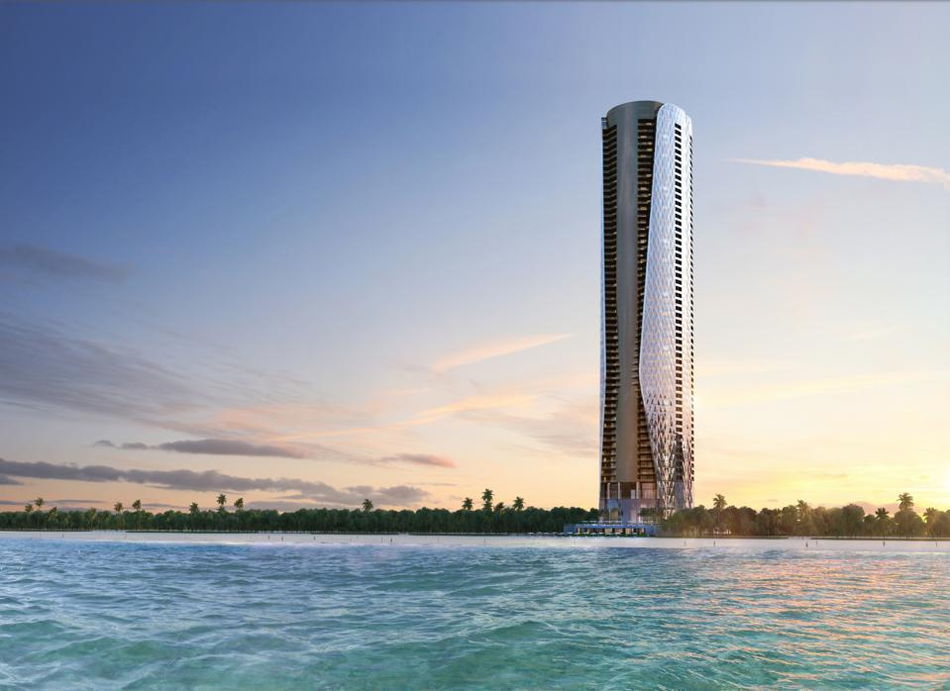
Wants a lock-and-leave second home. Sunny Isles Beach’s high percentage of non-resident owners means the buildings are calibrated for owners who arrive for extended visits and want everything managed seamlessly in their absence. The buildings’ full-service models — Bentley Residences, The St. Regis Residences, Sunny Isles Beach — are designed for this pattern of use.
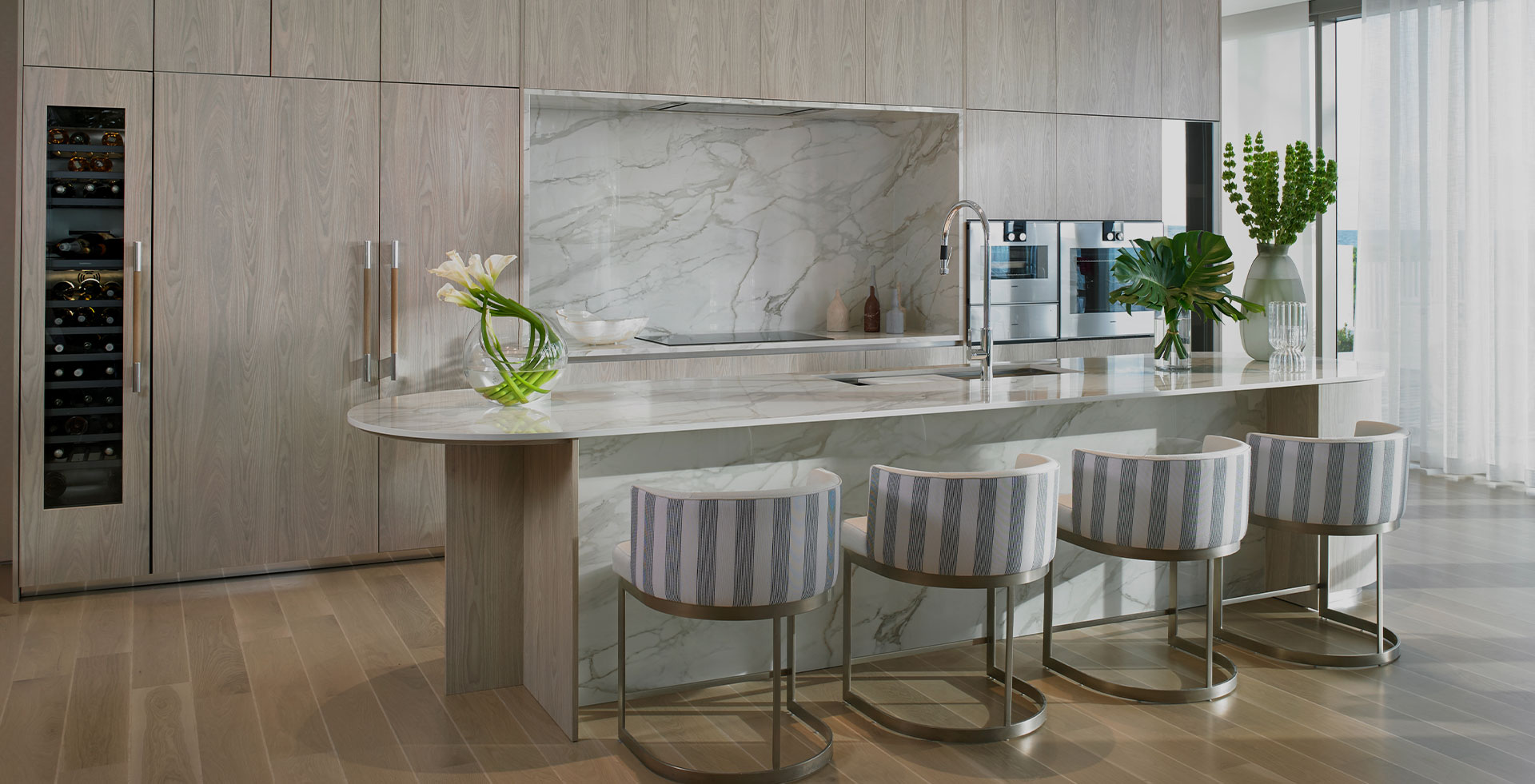
Values privacy and quiet over social programming. Sunny Isles Beach is, by comparison with Miami Beach, extraordinarily quiet. There is no nightlife, no event calendar, no cultural institution competing for the resident’s attention. For buyers who come to Florida specifically to decompress, this is a feature.
Want current pricing and floor plans for Sunny Isles Beach? Request information →
Is buying from an international market. The concentration of Latin American, Russian, Israeli, and Venezuelan ownership in Sunny Isles Beach reflects a buyer profile that values the brand names on the buildings as international quality signals, the oceanfront lifestyle as a primary luxury asset, and the barrier island’s physical insularity as privacy protection.
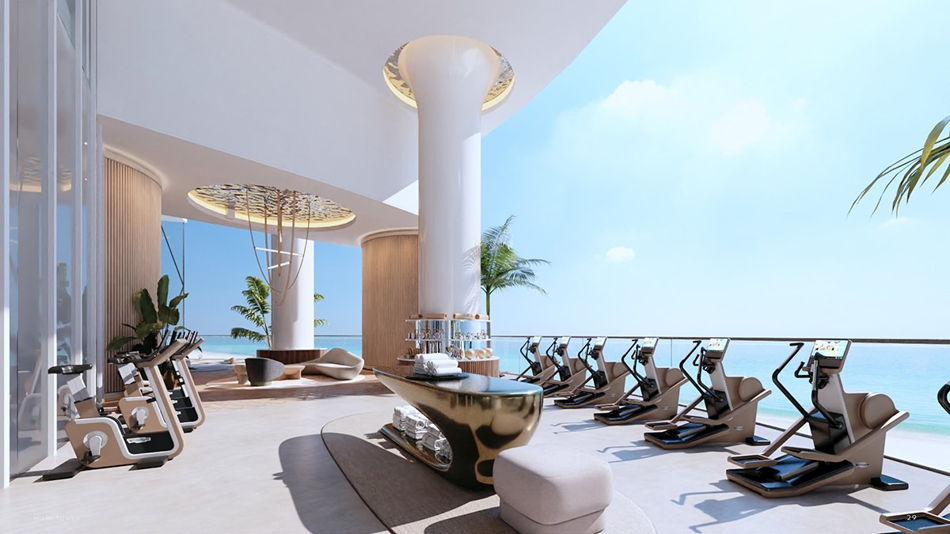
Prioritizes building amenities over neighborhood amenities. Since the neighborhood offers limited walkable infrastructure, the building itself must provide everything. Bentley Residences and The St. Regis Residences, Sunny Isles Beach both invest heavily in building amenity programs precisely because there is nothing walkable outside the front door.
The Buyer Who Chooses Miami Beach
The Miami Beach buyer is making a different bargain — trading some of Sunny Isles’ building exclusivity for the richness of an actual city.
Wants to live in a culturally active environment. Art Basel, the Design District’s 150+ luxury brands, Lincoln Road, the New World Symphony, Wynwood within 20 minutes — Miami Beach’s cultural infrastructure is genuinely world-class. Buyers who want their residential environment to offer cultural engagement alongside beach access choose Miami Beach.
Values walkability. South of Fifth has a genuine walkable village character — restaurants, cafes, a farmer’s market, Joe’s Stone Crab — that Sunny Isles Beach simply cannot provide. Mid-Beach has improving walkable infrastructure following Eighty Seven Park’s and The Perigon Miami Beach‘s arrival.
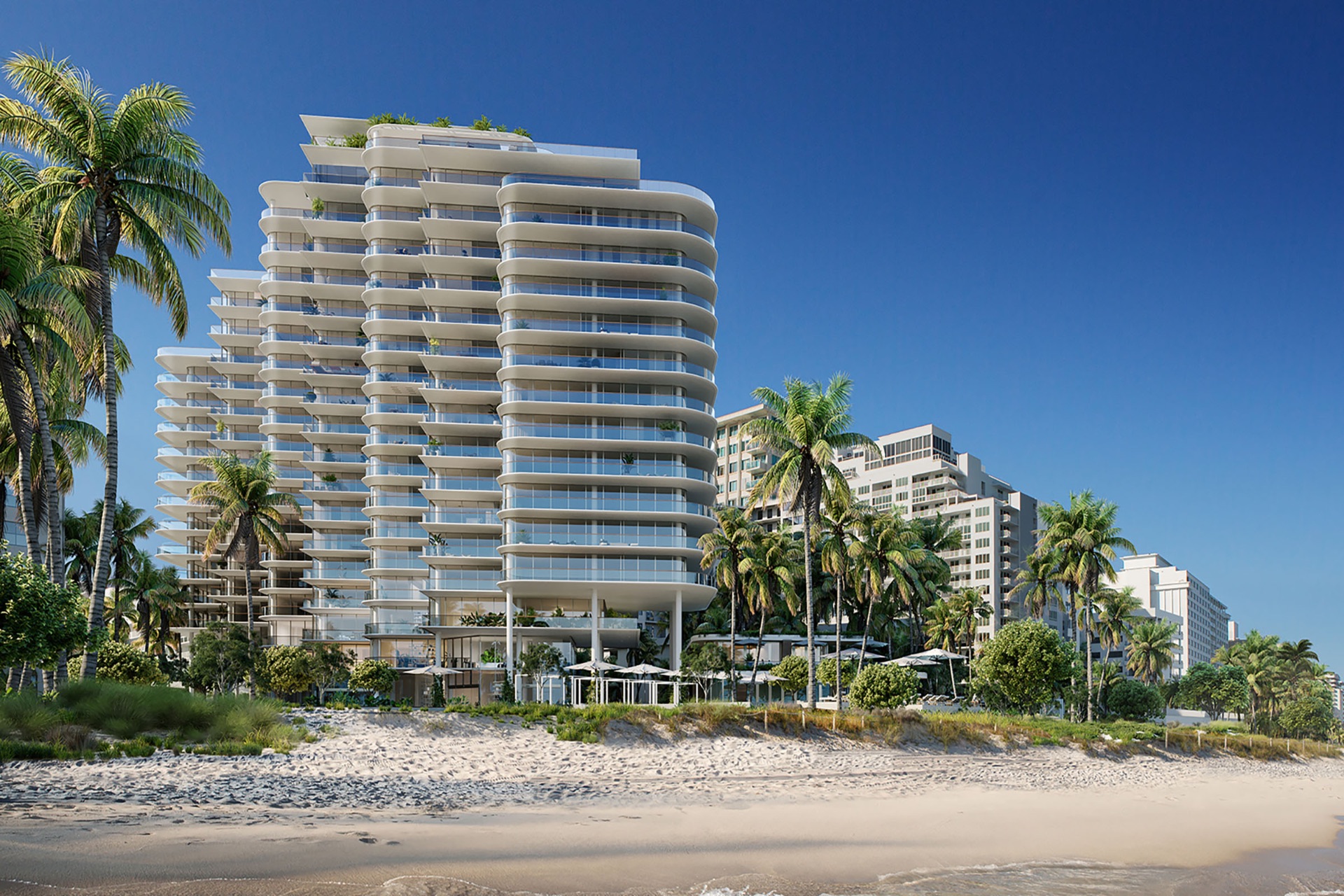
Is buying primarily for personal use. Miami Beach’s activity level, cultural programming, and neighborhood character make it better suited to regular personal use than the quieter Sunny Isles. Buyers who will actually live in the building for extended periods, who want to walk to dinner and be surrounded by a community, choose Miami Beach.
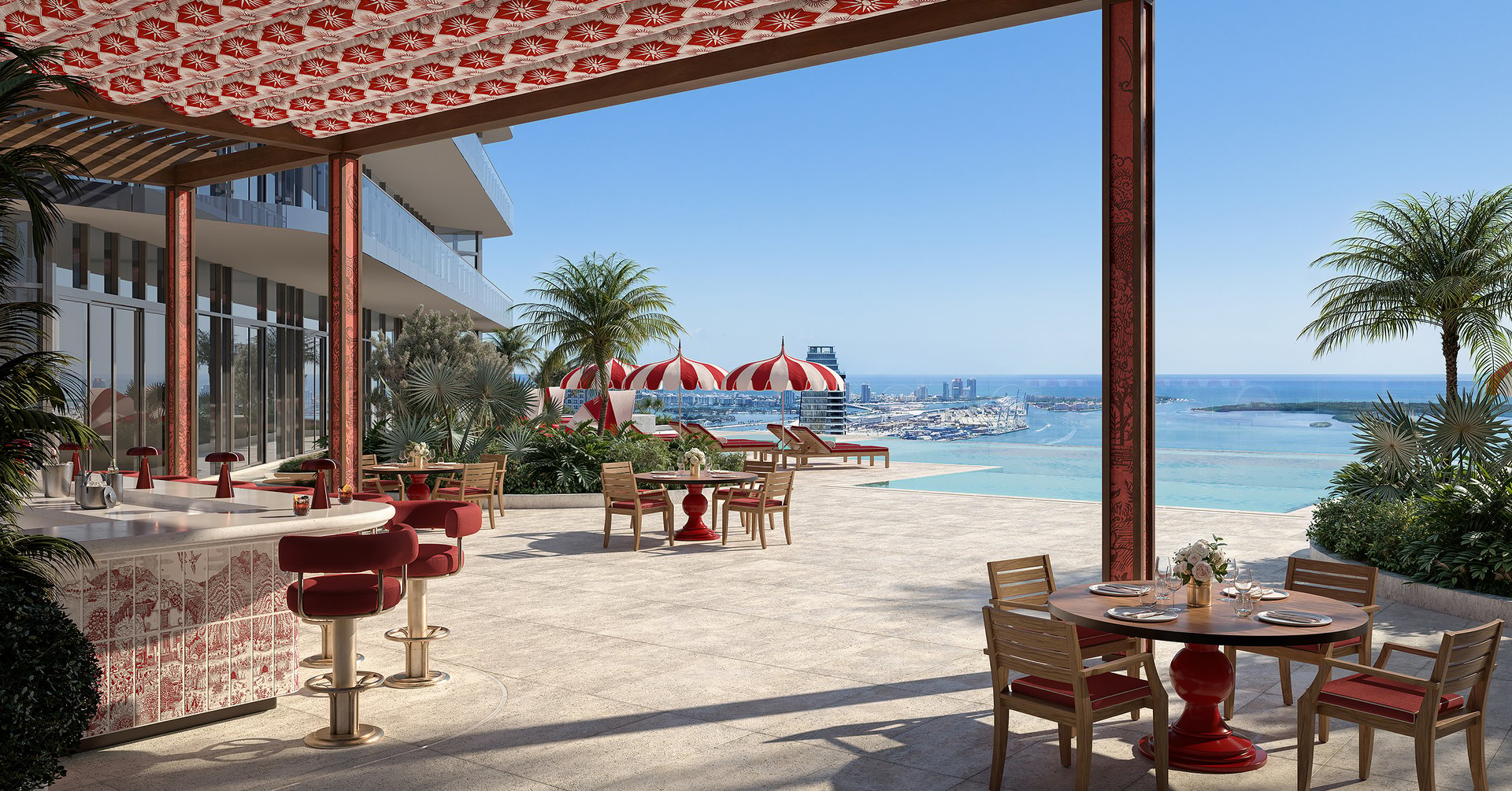
Is motivated by architecture and design prestige. The most design-significant new buildings in South Florida — Eighty Seven Park, The Perigon Miami Beach, Faena Residences Miami — are in Miami Beach. Buyers who use architectural authorship as a quality signal find more to choose from on the Miami Beach shoreline.
Pricing Comparison
- Sunny Isles Beach branded oceanfront (Bentley, St. Regis): $3,000–$4,500+ PSF
- Miami Beach ultra-luxury (South of Fifth oceanfront, Aman, The Perigon): $3,000–$6,000+ PSF
- Miami Beach mid-market branded (branded Mid-Beach): $2,000–$3,500 PSF
Miami Beach’s price range is wider — the market spans from $1,500 PSF for older non-branded buildings to $6,000+ PSF for the South of Fifth ultra-luxury oceanfront. Sunny Isles Beach’s range is narrower but more consistently premium at the upper end of the branded development tier.
Considering Sunny Isles Beach?
Our advisory team can share current information on Sunny Isles Beach — pricing, floor plans, and delivery-timeline updates as they are released.
Request Information on Sunny Isles Beach →