How to Research a Developer Before You Buy Pre-Construction in South Florida
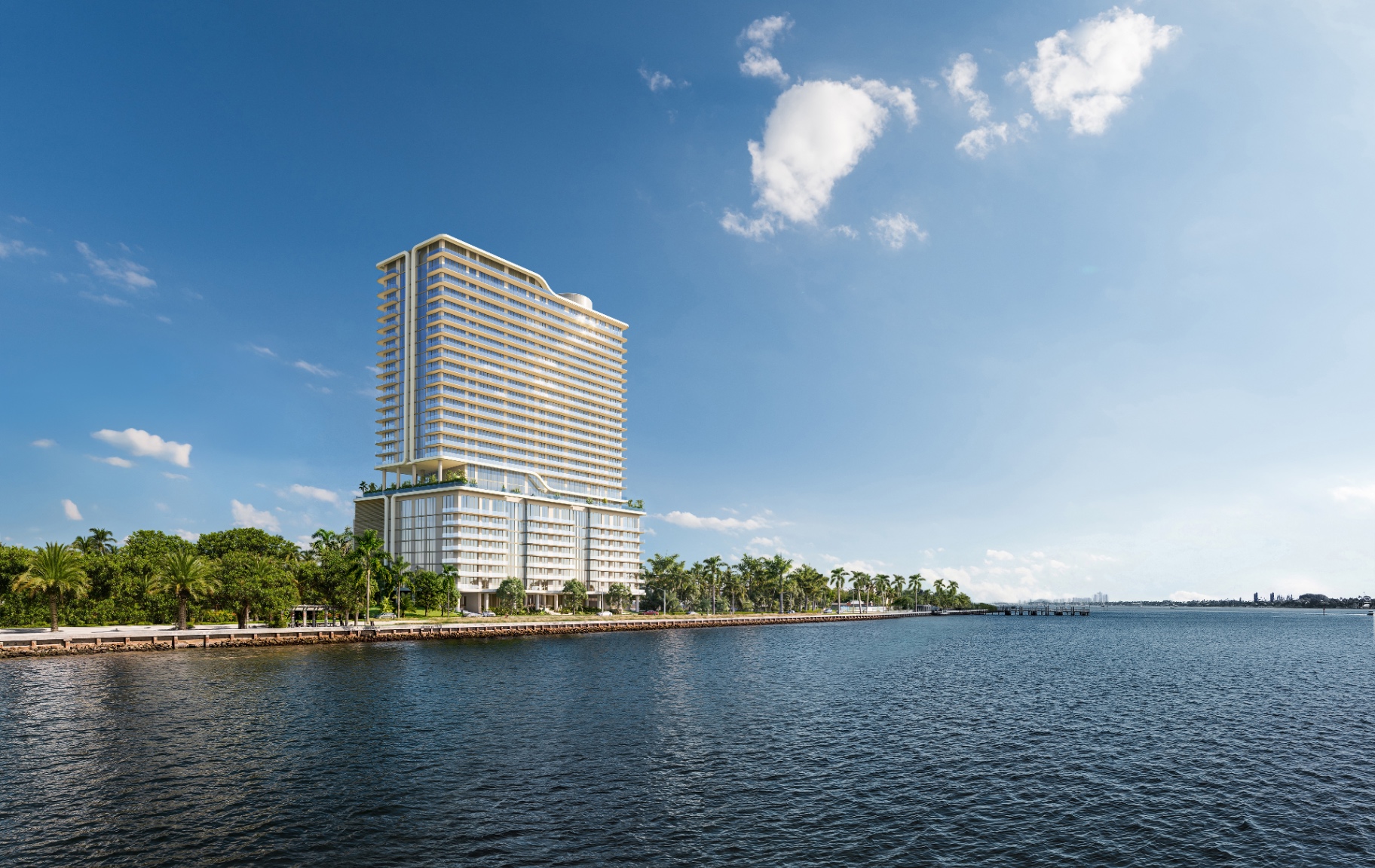
In pre-construction, you are not buying a building — you are buying a promise, and the promise is only as good as the company making it. The renderings, the brand, and the sales gallery are marketing; the developer’s track record is evidence. Before signing a South Florida pre-construction contract, sophisticated buyers run the same due diligence a lender would. Here is the checklist.
1. The delivery record: what have they actually finished?
Start with the only question that matters: what has this developer completed, at what scale, and how did it go? Look for towers of comparable height and complexity to the one you’re buying — a sponsor who has delivered ten mid-rises has not necessarily delivered a supertall. For each completed project, check: did it deliver near its announced window, did closings proceed smoothly, and how do the buildings look and trade today? Resale performance at a developer’s past towers is the market’s grade on their work. Established names publish their portfolios openly — our profiles of Related Group, Fortune International Group, Terra, Mast Capital, and Dezer Development are a starting map of the major sponsors.

2. The capital stack: is the project financed to finish?
A tower gets built with money, not renderings. Ask the sales team directly: has construction financing closed, and with whom? A project with a signed construction loan from a major lender has passed an underwriting process far more rigorous than any buyer can run. Pre-sales thresholds matter too — most lenders require a percentage of units under contract before funding; ask where the project stands. Be more careful with projects marketing hard before financing closes: they can succeed, but the risk profile is different, and your deposit timeline should reflect it.
3. The public record: litigation, liens, and defects
Florida’s court records are public. Search the developer entity and its principals for construction-defect litigation on past projects, contractor payment disputes and liens, and buyer lawsuits over deposits or delivery. Context matters — large developers accumulate some litigation as a cost of scale — but patterns are the signal: repeated defect claims on past towers, or a history of deposit disputes, tell you how the next project will be run. A buyer’s attorney can run this search in an afternoon; it is the cheapest insurance in the transaction.
4. The builder behind the developer
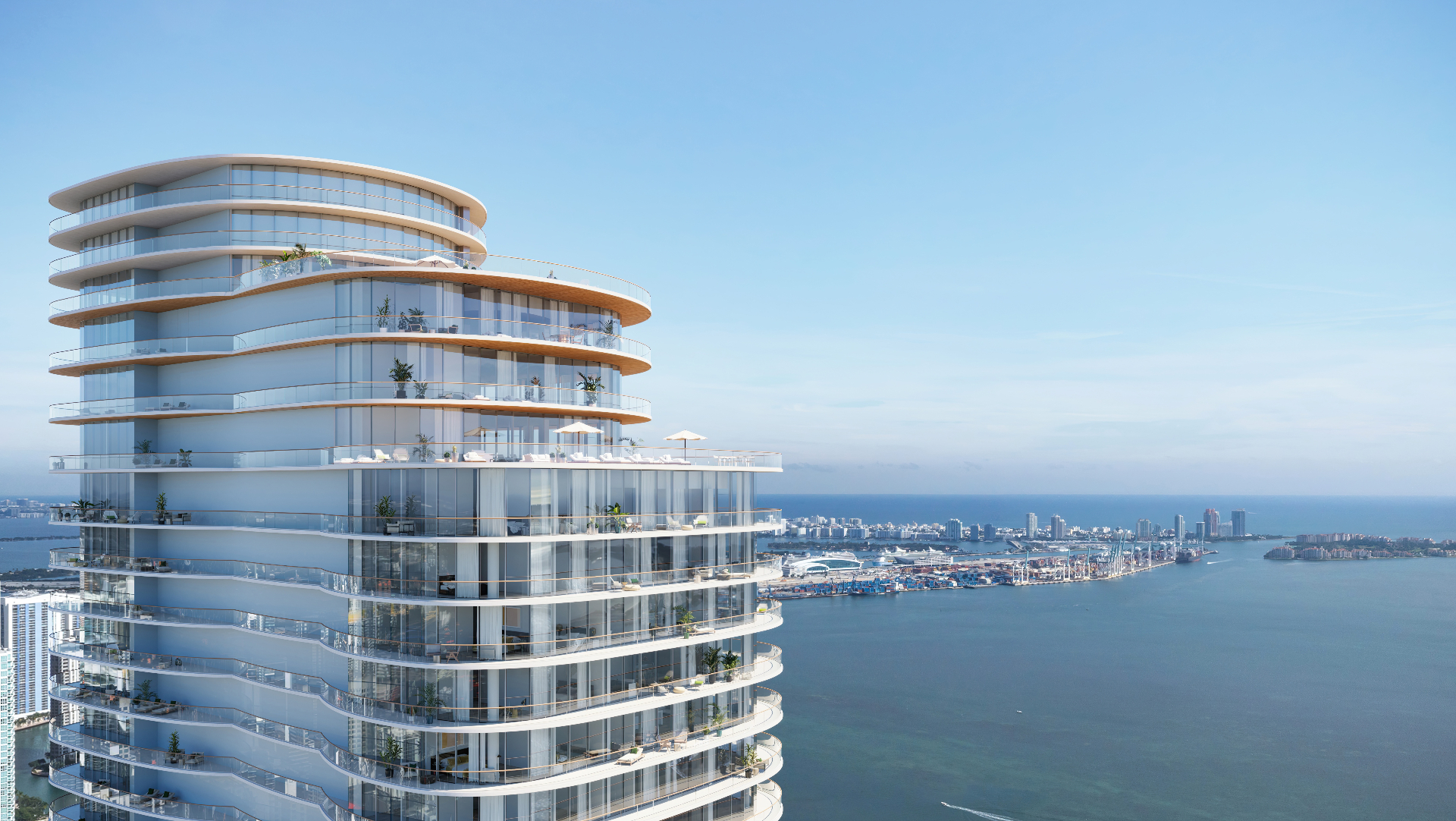
The developer promises; the general contractor pours the concrete. Ask which GC is signed, and check their South Florida high-rise record. A first-tier contractor on a signed contract is a strong signal — experienced GCs protect their own reputations by declining projects with shaky sponsors. Also ask about the architect and engineer of record’s tower experience; the team’s collective résumé predicts execution.

5. The contract tells you who they are
Finally, the developer’s own paperwork is a character reference. How far is the outside date beyond the marketing date? How are deposits held, and what portion may be used in construction under Florida law? How are finishes specified — by brand and model, or by weasel words like “luxury-grade”? Developers confident in their delivery write tighter contracts. Our contract guide and delivery-delays guide cover the clauses line by line — and every contract deserves review by a Florida real estate attorney before signing.
Educational only; not legal or financial advice. Have qualified counsel review any pre-construction purchase. HL Real Estate Group: realestate@hauteleaders.com.