As we move into 2026, interior design is becoming something far deeper than surface beauty; it’s evolving into a wellness-centered practice that actively supports how we think, feel, rest, and restore in our daily lives.
At DawnElise Interiors, we believe that a truly successful design not only looks beautiful but also nurtures physical and emotional well-being. These five trends are guiding this shift toward homes that care for the people who live in them.
I’m honored to be sharing these insights as a panelist at Ferguson Home in Fort Lauderdale on January 29, 2026. This event will explore how intentional design choices enhance everyday life in profound ways.
Neuro Design: Creating Spaces That Support the Brain
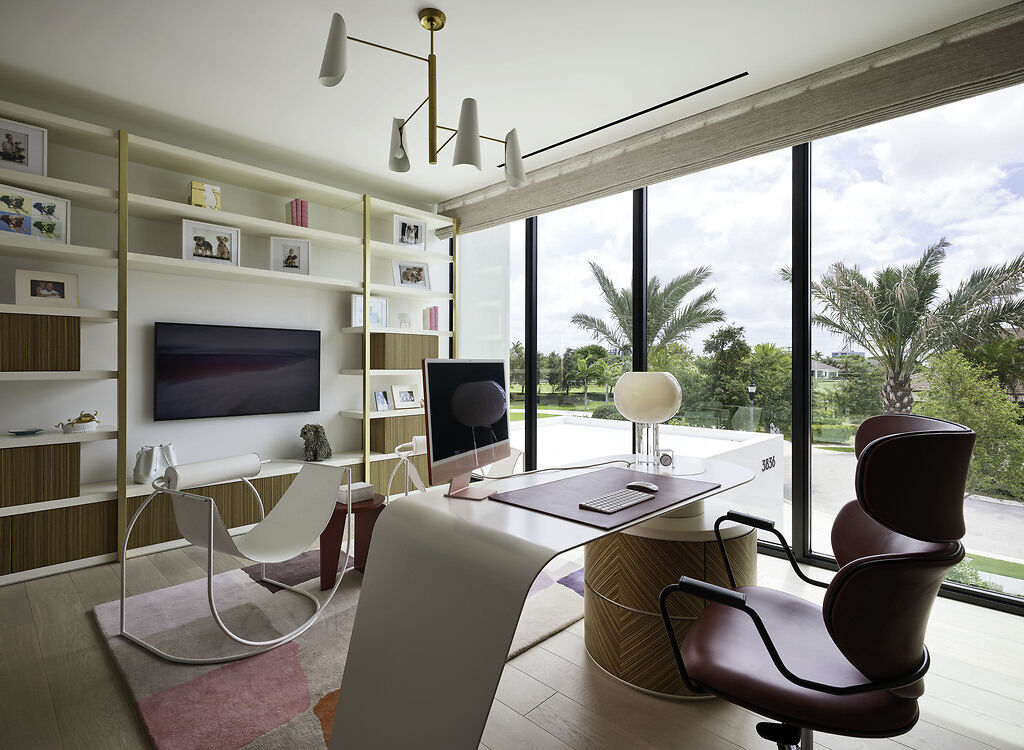
Neuro-Inclusive Design brings scientific insight to interior spaces, honoring how our brains react to light, color, form, and material. Rather than designing by instinct alone, we now use evidence to shape environments that uplift and soothe.
Examples:
- Natural light increases serotonin levels and supports circadian rhythms. • Warm tones foster connection, while cool hues promote calm.
- High ceilings inspire creativity; curves improve memory.
- Natural textures like wood enhance comfort and emotional warmth.
This is a design that meets human biology and psychology with intention.
Biophilic Design: Healing Through Nature
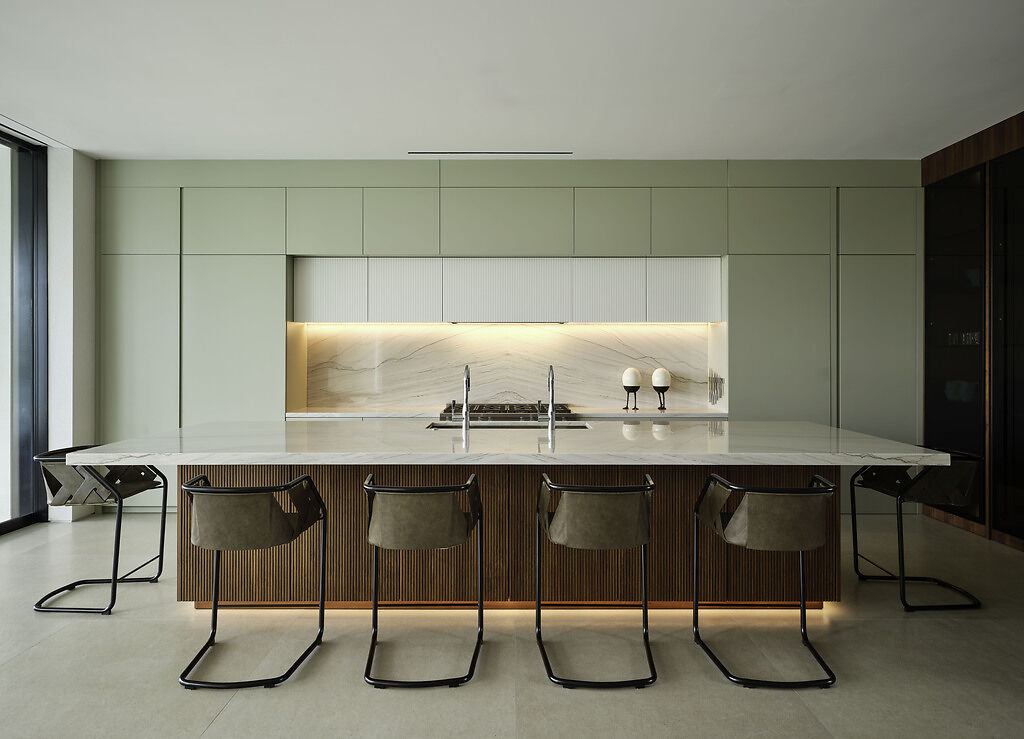
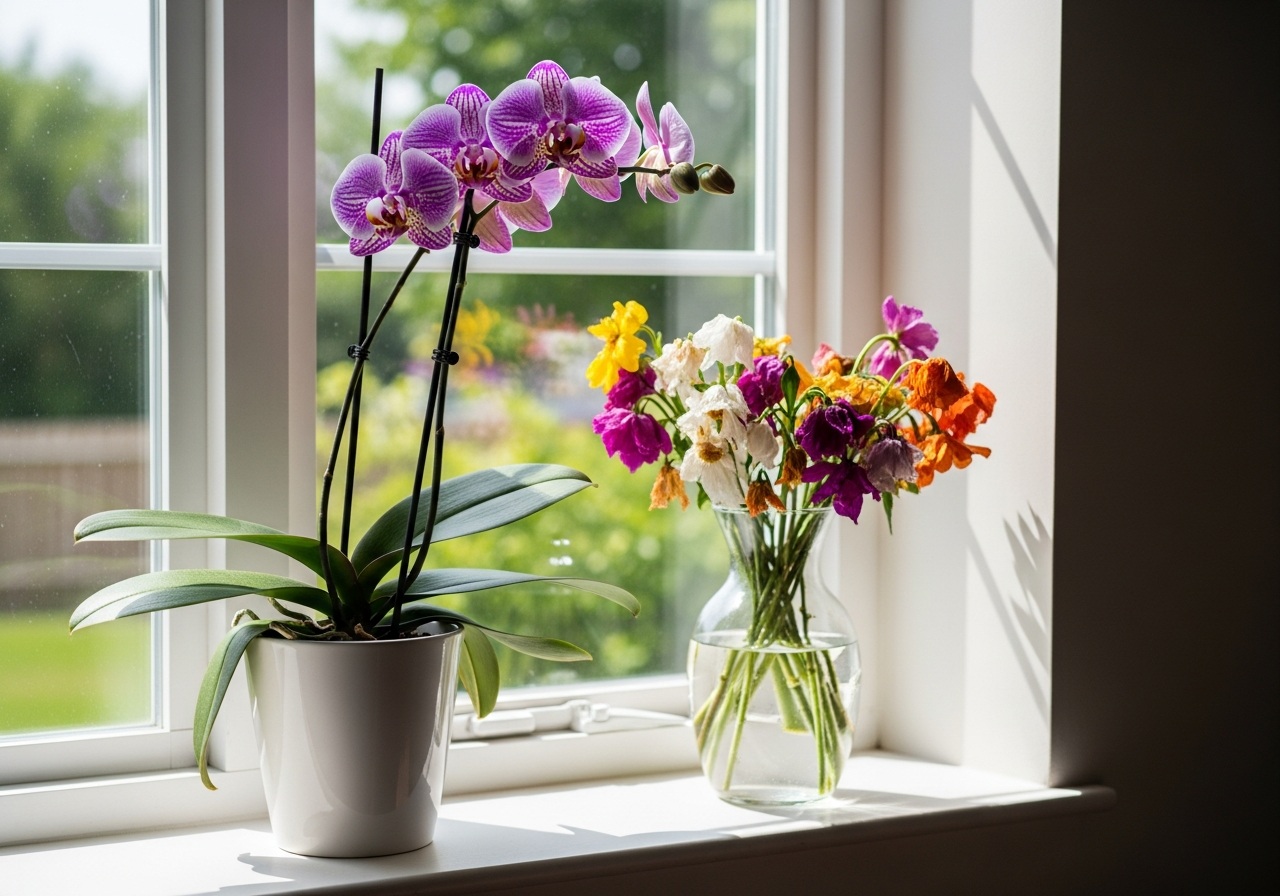
Biophilic Design reconnects people to nature, not just with a few potted plants, but through thoughtful integration of natural systems throughout the home.
Well-integrated biophilla:
- Reduces stress
- Enhances mood
- Supports focus and cognitive health
- Creates restorative environments
How we apply it:
- Invite natural light and organic textures • Use earthy color palettes
- Blur indoor-outdoor boundaries through layout and openings
- Design sanctuaries for relaxation and mindfulness
Biophilic design fulfills our innate need for nature right where we live.
Spa-Like Luxury Bathrooms for Daily Renewal
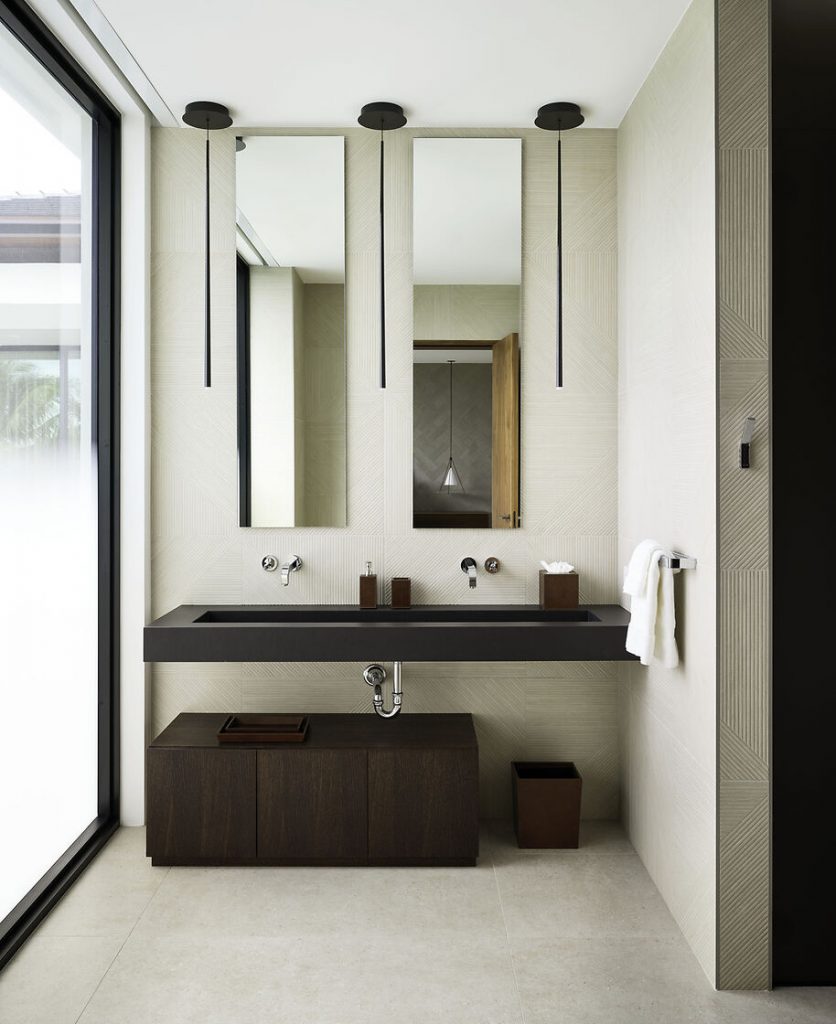
Bathrooms are becoming integrated wellness centers, thoughtful spaces for ritual, renewal, and mindful presence.
Trend highlights:
- Heat & cold therapy zones: saunas, steam showers, soaking tubs
- Smart comfort: app-controlled lighting and showers, self-cleaning toilets
- Natural materials: stone, wood, textured tiles
- Multi-sensory experiences: aromatherapy, chromotherapy, sound
- Mindful architecture: open flow, curb-less showers, comforting light
When the bathroom is experienced as a space to arrive in, not just pass through, our daily routines become restorative.
Spaces That Feel Intentional, Calm, and Meaningful
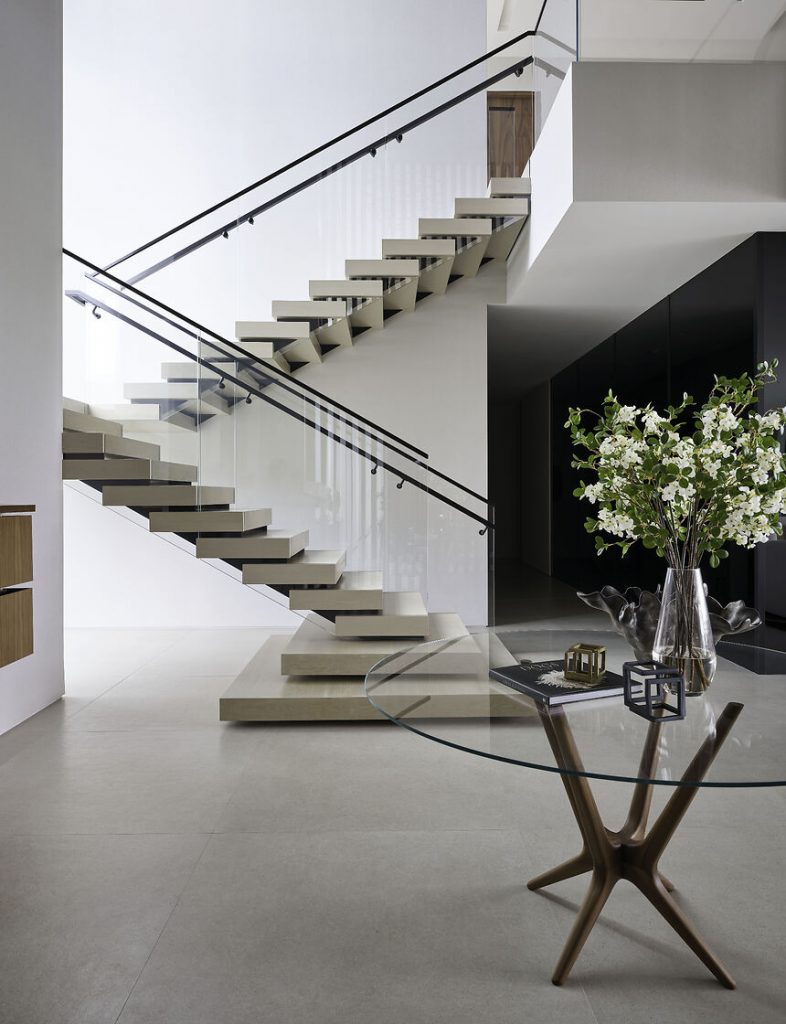
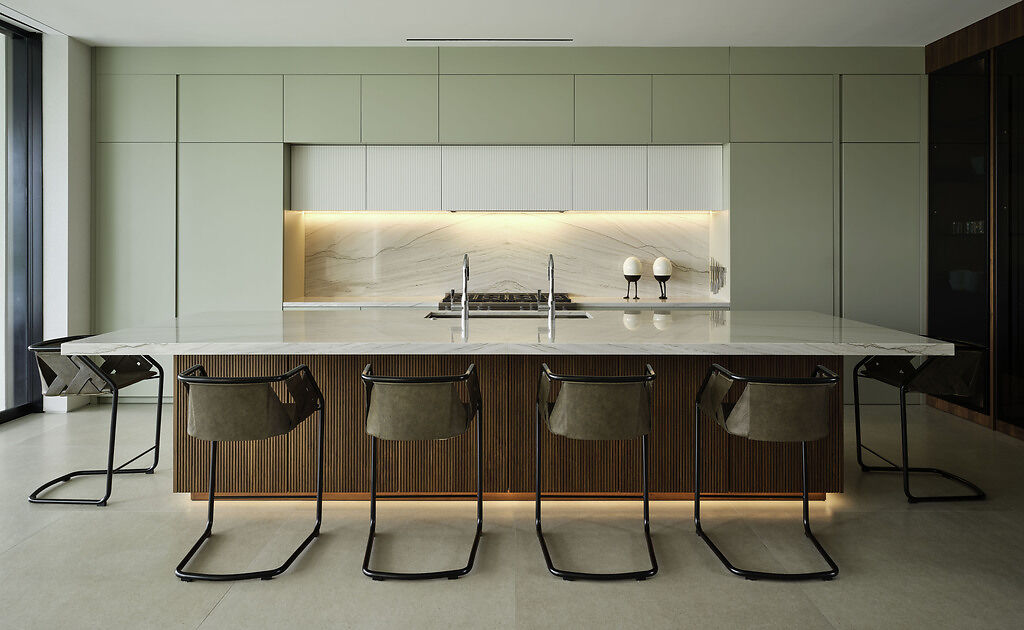
Homes designed from lived experience feel inherently soothing. This trend prioritizes emotional utility, the way a room makes you feel.
Principles:
- Begin design with purpose, not product
- Embrace thoughtful restraint: fewer materials with deeper intent • Use a restrained palette with subtle variation
- Choose furniture for comfort and function
Meaningful spaces feel good to inhabit. They allow the mind to rest.
Low- & Zero-VOC Finishes: Wellness You Can Breathe In
Wellness begins with the air we breathe. Low- and zero-VOC paints, sealants, and finishes significantly reduce chemicals that can contribute to:
- Headaches
- Respiratory irritation
- Fatigue
These finishes
- Improve indoor air quality
- Reduce odors and irritation
- Support better sleep and cognitive clarity
- Are safer for children, pets, and sensitive occupants
Wellness forward materials are foundational to healthy homes and no longer require compromising performance or beauty.
Join Us at Ferguson Home RSVP Here
Gain insight into these trends and how they’re reshaping interiors in 2026. January 29, 2026, at Ferguson Home, Fort Lauderdale